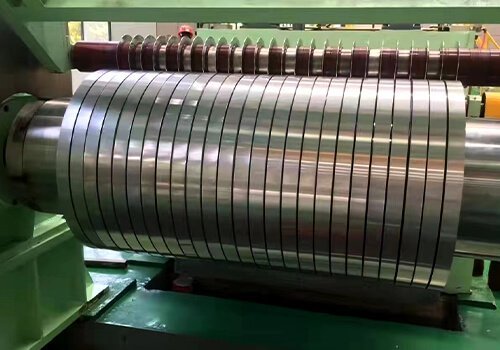
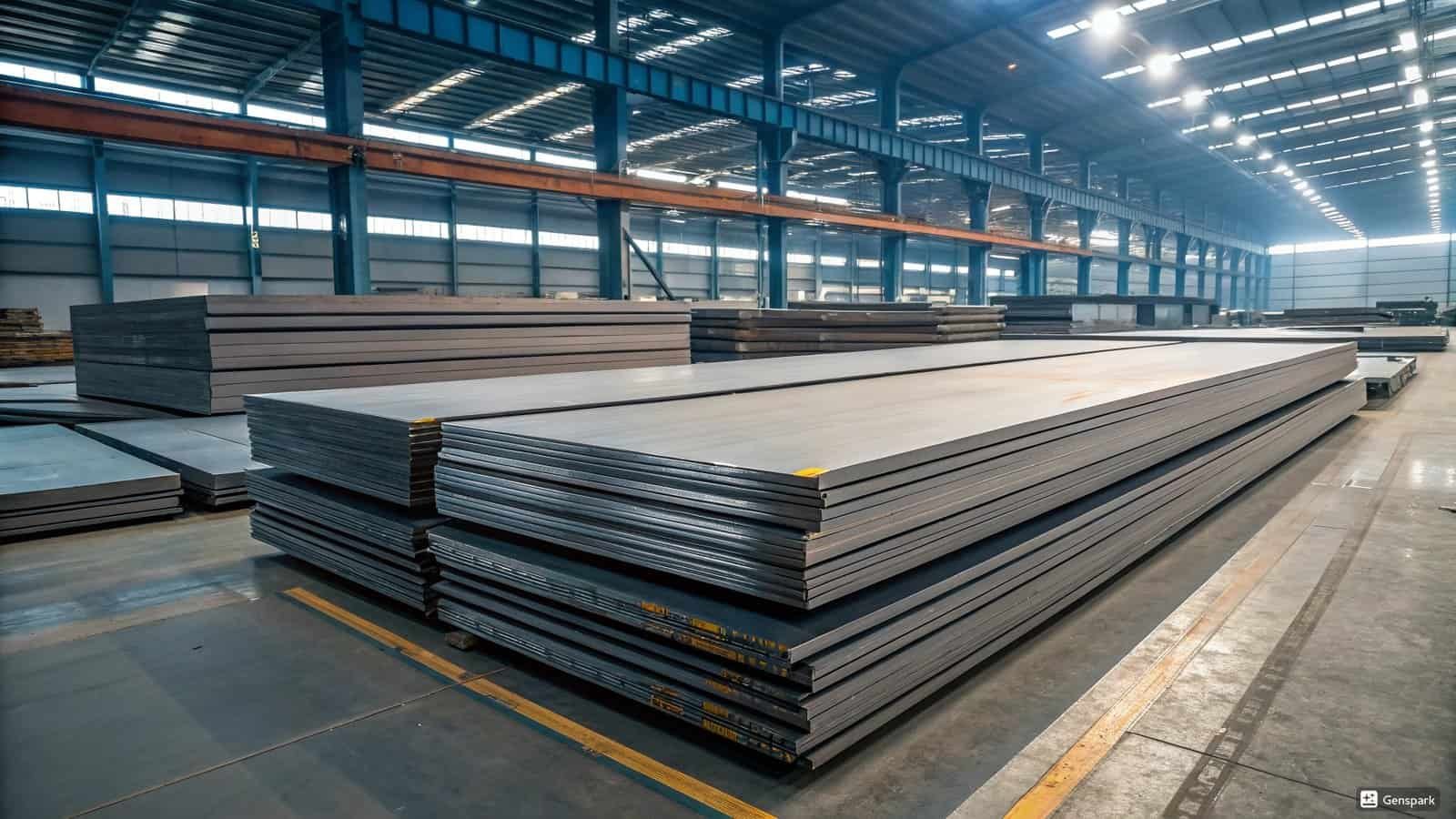
Wrong steel cutting methods increase waste, delay delivery schedules, and reduce product quality. Choosing the right process improves efficiency and lowers manufacturing costs.
What is the best way to cut steel plate for different thicknesses and applications? The best way to cut steel plate depends on material thickness, calitate de oțel, precision requirements, and production volume. Laser cutting is ideal for thin steel plates, plasma cutting works well for medium thicknesses, and oxy-fuel cutting is best for thick carbon steel plates used in heavy industrial applications.
Different cutting methods offer different advantages. Understanding them helps buyers choose the most efficient processing solution.
Which Cutting Method Is Best for Thin Steel Plate?
Because even little flaws can impact the quality of manufacture and assembly, thin steel plates need precise measurements and clean edges.
Because laser cutting produces straight edges, high precision, and less heat deformation, it is the recommended method for thin steel plates.
Laser cutting is typically the best option for thin materials when businesses look for ways to cut steel plate. Fiber laser systems are widely used in contemporary steel production facilities because of their superior cutting precision and quick processing speed.
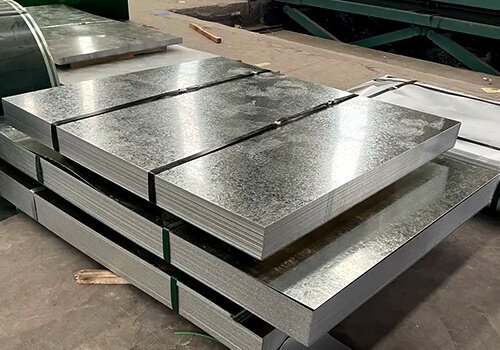
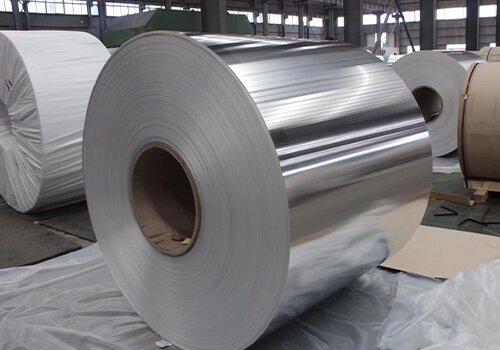
Aluminum plates, oțel carbon, oţel inoxidabil, and galvanized steel can all be used with laser technology. Laser systems produce cleaner edges and require less secondary grinding than conventional processing techniques. Ca urmare, labor expenses are reduced and manufacturing efficiency is increased.
Because laser processing supports CNC automation, it is a popular choice among purchasers searching for the best method of cutting steel plate. During large-volume orders, automated systems decrease manufacturing errors and increase consistency.
Electrical cabinets, home appliances, building materials, and automobile manufacture all make extensive use of laser cutting. Its capacity to cut down on material waste also boosts manufacturers’ competitiveness and profitability.
Is Plasma Cutting Better Than Laser Cutting for Steel Plate?
When assessing processing costs, speed, and cutting quality, industrial customers frequently compare plasma and laser cutting.
While laser cutting provides superior precision and cleaner cutting surfaces, plasma cutting is more cost-effective for medium and thick plates.
For businesses looking to cut steel effectively, it’s critical to comprehend the distinctions between plasma and laser technologies.
Electrically conductive gas is used in plasma cutting to swiftly melt steel. It enables quicker cutting rates for heavy industrial applications and works well on medium-thickness steel plates. În plus, plasma systems are less costly than high-power laser devices.
Pe de altă parte, laser cutting offers cleaner edges and more accuracy. Laser processing is typically a superior option for applications that need ornamental finishes or strict tolerances.
Operating costs are another crucial component. While laser systems save secondary processing costs due to cleaner cuts, plasma systems utilize less energy for thicker materials.
When selecting a plate-cutting machine, buyers should consider:
- Material thickness
- Required accuracy
- Production volume
- Energy consumption
- Equipment investment
- Maintenance requirements
Choosing the correct technology improves efficiency and reduces long-term production costs.
What Is the Best Way to Cut Thick Carbon Steel Plate?
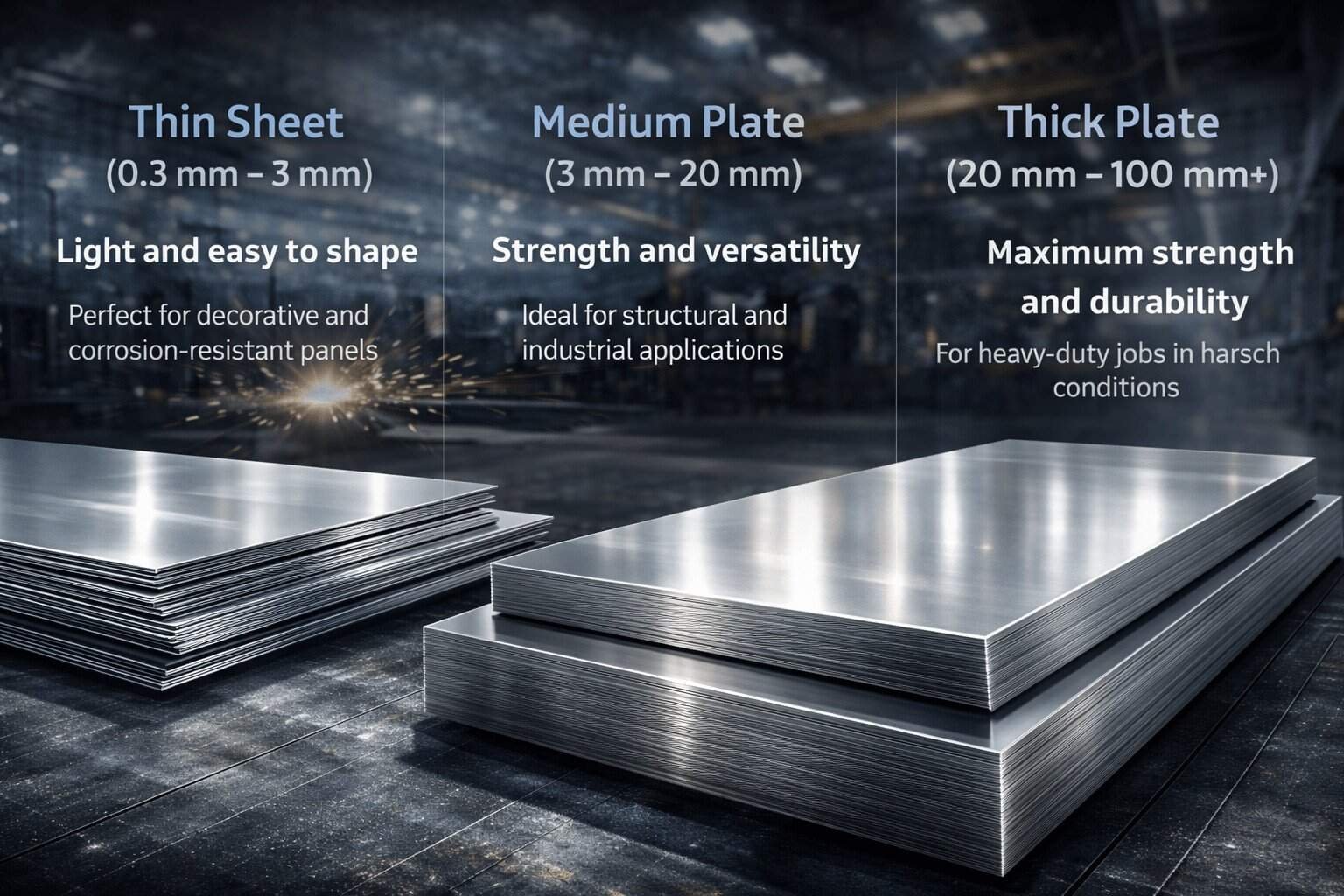
Thick carbon steel plates are frequently needed for heavy industrial applications and cannot be effectively treated with conventional laser equipment.
Because oxy-fuel cutting can handle huge thicknesses at comparatively cheap operating costs, it is frequently utilized for thick carbon steel plates.
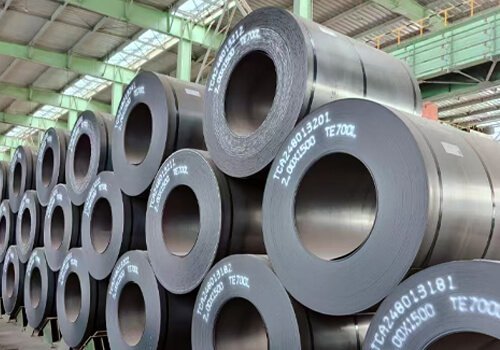
Oxy-fuel technology continues to be one of the most cost-effective options for businesses looking to cut thick steel plate. The procedure creates high temperatures that can cut incredibly thick carbon steel materials by using oxygen and fuel gas.
Oxy-fuel systems are widely used in industries like shipbuilding, bridge construction, mining equipment manufacturing, and heavy machinery production. Oxy-fuel machinery can process significantly thicker steel plates than laser cutting.
A significant benefit is the low cost of equipment. Oxy-fuel systems are rather easy to maintain and reasonably priced. Din acest motiv, factories that manufacture massive structural steel components find them appealing.
Nevertheless, oxy-fuel cutting is less precise than laser cutting and produces greater heat-affected zones. After processing, more grinding could be necessary.
Oxy-fuel technology is nevertheless crucial for industrial cutting steel plate applications involving thick materials and labor-intensive production tasks, despite these drawbacks.
How Do You Prevent Steel Plate Deformation During Cutting?
Heat distortion during cutting can lead to fitting issues during fabrication and installation as well as a decrease in dimensional accuracy.
Steel plate cutting deformation can be minimized with steady machine settings, appropriate heat management, and optimized cutting pathways.
Thermal deformation is a significant problem in cutting plate operations. Steel plates may distort or bend due to excessive heat, particularly when processing thin materials.
By regulating cutting speed and heat distribution, factories lessen deformation. Cutting sequences are optimized with the use of CNC software to ensure that heat is distributed uniformly throughout the surface of the material.
În plus, clamping mechanisms increase processing stability. Accurate dimensions are maintained, and movement is prevented with the right fixtures. Water tables are used by some plasma cutting systems to enhance cooling efficiency and lessen heat accumulation.
Skilled operators carefully modify machine settings according to steel quality and material thickness. While lowering distortion, proper parameter management enhances edge quality.
For consumers who want to know how to cut steel plate most effectively. Deformation control is crucial because inaccurate dimensions lead to higher production costs and assembly issues.
What Is the Best Cutting Method for Stainless Steel Plate?
Clean cutting techniques that retain surface attractiveness and corrosion resistance are necessary for stainless steel.
For stainless steel plates, laser cutting is the best choice since it creates precise, smooth, oxidation-free edges.
Fiber laser technology is preferred by many industries looking for ways to cut steel plate for stainless applications. Clean cuts are produced by laser systems without causing surface damage to the material.
By preventing oxidation, nitrogen-assisted laser cutting produces brilliant, discoloration-free edges. This is crucial for beautiful architectural products, medical equipment, and food-grade equipment.
În plus, laser systems eliminate the need for secondary finishing and polishing. Smooth edges save processing costs and enhance product appearance.
Laser cutting produces more accurate dimensions and fewer heat-affected zones than plasma systems. It is therefore perfect for the precise production of oţel inoxidabil.
Laser processing assists companies in maintaining stable product consistency and customer satisfaction for export projects that demand high quality standards.
How Can Buyers Reduce Steel Plate Cutting Costs?
The profitability of distributors, antreprenori, and industrial buyers is directly impacted by steel processing costs.
Steel plate cutting expenses can be considerably decreased with the aid of dependable suppliers, appropriate cutting technology, and optimized nesting.
Improving material utilization is the first step towards lowering processing costs. Cutting layouts are arranged effectively, and scrap creation is reduced using sophisticated nesting software.
Selecting the right cutting technique also reduces expenses. For thicker materials, plasma or oxy-fuel systems may offer cheaper running costs, but laser cutting offers exceptional precision.
Automated CNC systems are advantageous for large production quantities because they lower labor costs and increase consistency.
În plus, trustworthy furnizori assist customers in lowering unstated expenses. Rework or replacement of poorly processed steel plates could result in delays and extra costs.
Planning for logistics is equally crucial. Construction schedules and profitability may be impacted by delayed shipments. Suppliers having experience in international export operations should be partnered with buyers.
Faster lead times, consistent quality, and increased production efficiency are typically offered by factories utilizing cutting-edge plate cutting machine technology.
Which Steel Plate Cutting Method Offers the Highest Precision?
In industrial production operations, precision cutting guarantees dimensional uniformity and enhances assembly quality.
Among popular steel plate cutting technologies, fiber laser cutting offers the best level of precision.
For sectors including the production of engineering equipment, electronics, and automobiles, precision is essential. Fiber laser systems are typically chosen by businesses looking into precise steel cutting.
Tight tolerances, flawless edges, and little burr formation are all benefits of laser cutting. This increases manufacturing efficiency and decreases secondary machining.
În plus, repeatability is enhanced by CNC automation. Large production batches of complex forms can be processed consistently.
Compared with traditional methods, laser systems offer:
- Better dimensional accuracy
- Faster production speed
- Reduced material waste
- Improved product consistency
- Lower labor dependency
For industrial buyers requiring high technical standards, laser precision significantly improves final product quality.
What Safety Factors Should Be Considered When Cutting Steel Plate?
Strict safety regulations are necessary because steel plate cutting includes high temperatures, sparks, gasses, and large machinery.
Safe cutting activities require adequate ventilation, safety gear, operator education, and routine machine maintenance.
When cutting steel plates, safety management is crucial. Inadequate safety protocols raise the risk of accidents and production delays.
Safety glasses, gloves, fire-resistant clothes, and respiratory protection should all be provided by factories. Fumes produced by laser and plasma cutting necessitate effective ventilation systems.
Another important consideration for oxy-fuel cutting operations is gas storage. Equipment mishaps and fire threats can be avoided with proper handling techniques.
Frequent machine checks preserve cutting quality and enhance worker safety. Unstable gas systems, worn cables, and damaged nozzles can all lead to hazardous situations.
Factory safety requirements frequently represent overall production management quality and operational dependability to foreign purchasers.
How Do You Choose a Reliable Steel Plate Processing Supplier?
For foreign steel purchasers, a dependable supplier enhances project efficiency, delivery stability, and product quality.
Expert providers offer significant export experience, cutting-edge equipment, certificate, and quality inspections.
For steel procurement to be effective, choosing the correct source is crucial. When looking into steel plate cutting, buyers should carefully consider their suppliers.
ISO certifications indicate reliable quality management systems. Expert exporters are also familiar with international shipping protocols and packaging regulations.
The accuracy and efficiency of production are increased by modern processing equipment. Customized projects can be better supported by suppliers who have oxy-fuel, plasma, and CNC laser systems.
Communication quality is equally important. Professional suppliers provide clear technical support, fast quotations, and transparent production updates.
Quality control systems should include:
- Dimensional inspection
- Surface quality checks
- Material certification verification
- Packaging inspection
Reliable suppliers help buyers reduce project risks and maintain stable delivery schedules.
What Industries Commonly Use Steel Plate Cutting Services?
Numerous sectors that depend on structural manufacture and bespoke metal fabrication are supported by steel plate cutting.
Steel plate cutting services are crucial to the construction, constructii navale, auto, energie, and heavy machinery industries.
Global industrial progress depends on the processing of steel. Depending on the thickness of the material and the level of precision needed, different sectors call for different cutting methods.
Steel plates are used by construction firms for infrastructure projects, poduri, and warehouses. For offshore equipment and hull structures, shipbuilding facilities need to process heavy steel.
For effective assembly and the production of lightweight vehicles, automakers rely on precision laser-cut components. Steel plates are also used in the energy sector for pressure tanks, wind turbines, and pipelines.
Thick carbon steel plates treated by plasma or oxy-fuel systems are frequently needed in the production of heavy machinery and mining equipment.
The demand for sophisticated steel plate cutting solutions and cutting-edge CNC processing equipment will continue to rise quickly as automation spreads around the world.
Rezumat
Selecting the best steel cutting technique helps industrial purchasers achieve dependable long-term project performance while also increasing productivity, lowering costs, and improving quality.