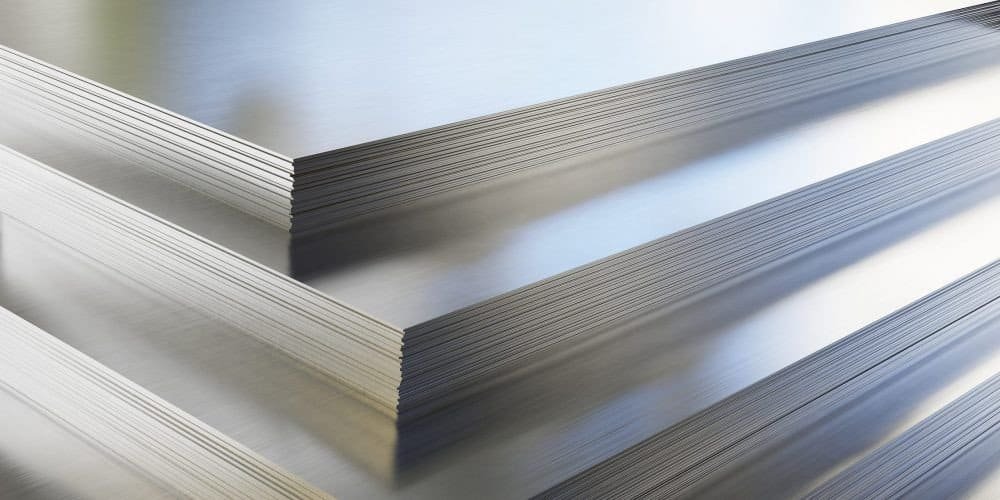
Misjudging stainless steel sheet weight creates shipping problems and hidden costs. Buyers and engineers need clarity. Let’s solve this calculation challenge together.
What is the weight of stainless steel sheet metal and how to calculate it? The weight of stainless steel sheet metal is based on length, width, thickness, and density. Standard formula:Weight (kg) = Length (m) × Width (m) × Thickness (mm) × 7.93 ÷ 1000. This works for sheets, plates, and coils.
Now let’s explore common questions about stainless steel sheet weight and its real-world applications.
Why Is Knowing the Weight of Stainless Steel Sheet Metal Important?
Many buyers underestimate the role of accurate weight when purchasing stainless steel. However, ignoring this detail may cause financial loss, design issues, or shipping disputes.
Correctly knowing stainless steel sheet weight is essential for budgeting, logistics, and structural safety. It ensures fair pricing, prevents disputes with suppliers, and avoids costly shipping delays.
Imagine importing 100 tons of stainless steel into Brazil. If the weight of stainless steel sheets is miscalculated by even 2%, you could pay freight for an extra 2 tons. Likewise, in construction projects, errors in how much does a sheet of stainless steel weight may compromise safety approvals. This is why engineers, procurement teams, and exporters all demand precise data.

How to Calculate the Weight of Stainless Steel Sheet Metal?
Buyers often worry about formulas. Luckily, the method for calculating stainless steel sheet weight is simple and reliable.
Formula: Weight (kg) = Length × Width × Thickness × Density ÷ 1000. The density of stainless steel is usually 7.93 g/cm³. This formula applies equally to coils, plates, and flat sheets.
For example, a 304 stainless steel sheet measuring 2 m × 1 m × 2 mm weighs: 2 × 1 × 2 × 7.93 ÷ 1000 = 31.72 kg. Many suppliers also provide a stainless steel sheet weight calculator or a stainless steel sheet metal weight calculator online. These tools simplify the process, giving buyers confidence in both small and bulk orders.
How Do you Calculate the Weight of a 304 Sheet of Stainless Steel?
Among different grades, 304 is the most common. Buyers often ask how to calculate the weight of stainless steel sheet metal specifically for 304.
A 304 stainless steel sheet has a density of 7.93 g/cm³. Apply the same formula: L × W × T × 7.93 ÷ 1000 to get weight in kilograms.
Suppose you order a 304 stainless steel sheet measuring 3m × 1.5m × 3mm. The weight is 3 × 1.5 × 3 × 7.93 ÷ 1000 = 107.1 kg. For accuracy, use a stainless steel weight calculator in kg or check with a stainless steel sheet metal weight chart provided by your supplier.
What Is the Weight of a 2 mm Stainless Steel Sheet?
Thickness plays the biggest role in determining the weight of stainless steel sheet per square meter. Many buyers need exact figures for 2 mm sheets.
A 2mm thick stainless steel sheet weighs about 15.86 kg per square meter. Multiply this value by your sheet’s area for total weight.
For instance, a 2 m × 1 m × 2 mm sheet equals 31.72 kg. This is why stainless steel sheet weight charts always list standard thicknesses like 1 mm, 2 mm, lan 3 mm. Using these references or a stainless steel sheet metal weight chart helps ensure accuracy in logistics and stock planning.

What Factors Affect the Weight of Stainless Steel Sheet Metal?
While size and thickness are obvious, other variables also influence the weight of stainless steel sheets.
The main factors include dimensions, thickness, stainless steel grade, lan coatings. Each element changes the final sheet weight and must be considered in procurement.
For example, grade 304 has a density of 7.93 g/cm³, while grade 316 is slightly denser at 8.0 g/cm³. Coatings like galvanization also add grams per square meter. Buyers should confirm all details to avoid mistakes in stainless steel sheet weight calculator results or stainless steel sheet weight chart references.
How Does Stainless Steel Grade Affect Sheet Metal Weight?
Different grades are designed for various applications, but they also impact the weight of stainless steel plate.
Grades vary in density. For example, 304 stainless steel is 7.93 g/cm³, while 430 is lighter at 7.7 g/cm³. This changes the weight per sheet.
If you compare a 2 mm sheet of 304 lan 430, their weights differ slightly per square meter. Engineers planning projects must know this difference when estimating total load. Checking supplier tables or using a stainless steel weight calculator in kg ensures you choose the correct material.
What Is the Difference Between Stainless Steel Sheet and Stainless Steel Plate Weight?
Sheets and plates are often confused, but the weight of stainless steel plate is not the same as sheet weight.
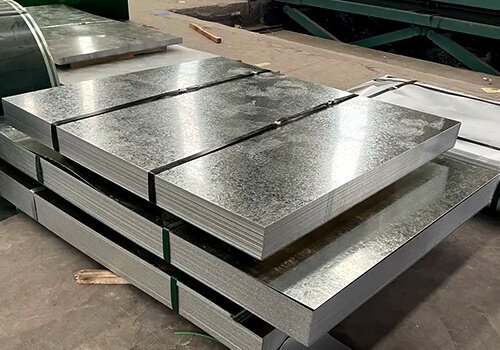
Sheets are generally thinner (up to 6 mm), while plates are thicker. Therefore, the weight per square meter increases significantly with plate materials.
For example, a 6 mm thick stainless steel plate weighs almost three times more than a 2mm sheet of the same size. Buyers often rely on a stainless steel sheet metal weight chart to distinguish sheets from plates and ensure accurate logistics planning.
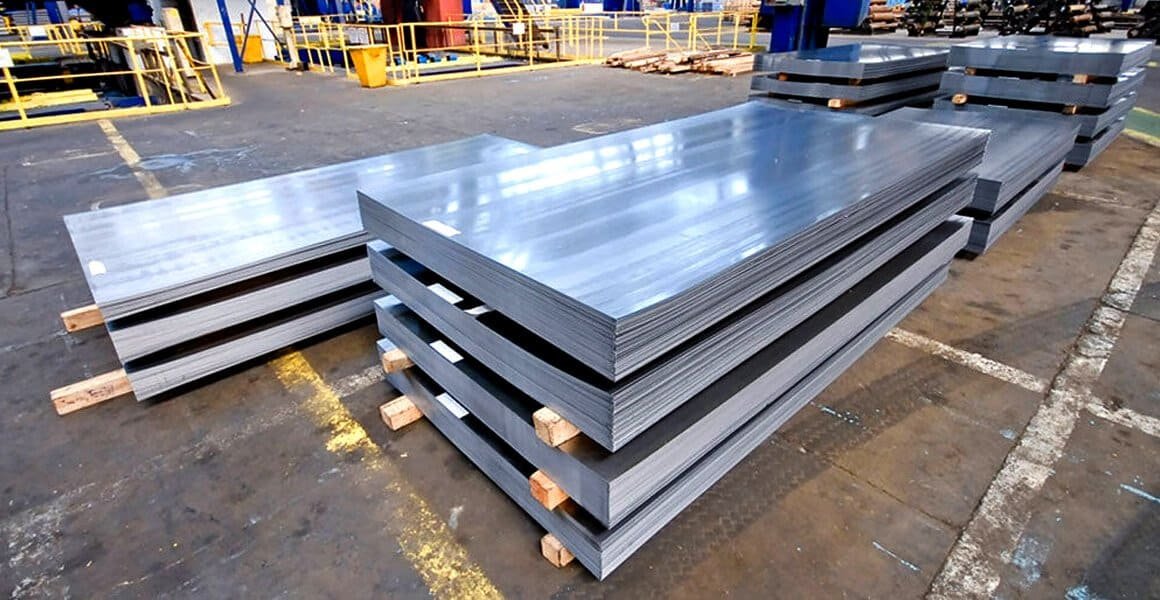
Can Stainless Steel Sheet Weight Affect Transportation and Logistics Costs?
ya wis. Incorrect calculations of stainless steel sheet weight per square meter often cause expensive freight surprises.
Shipping companies calculate charges by volume and weight. If the sheet weight is underestimated, freight bills rise, and shipment timing may be disrupted.
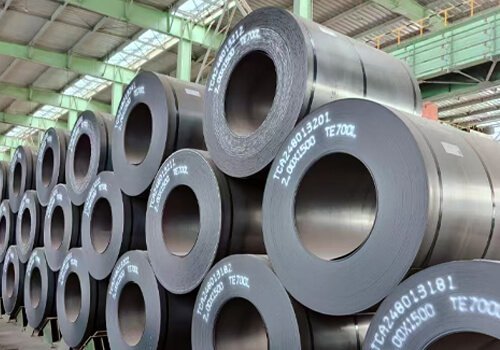
For instance, shipping a full container of stainless steel coils to South America means every kilogram matters. Buyers often ask for a stainless steel sheet weight calculator or stainless steel sheet weight chart to ensure accuracy before booking freight. This also avoids customs delays caused by incorrect documentation.
How Can Buyers Ensure Weight Accuracy During Procurement?
Buyers sometimes fear suppliers misreporting the stainless steel sheet metal weight for profit.
Request mill certificates, SGS inspections, or independent testing. Cross-check actual shipment weights with the invoice to prevent disputes.
Reliable exporters recommend weighing shipments at the port. Even a 2% error in a 100-ton shipment equals 2 tons of extra cost. To avoid this, always verify with a stainless steel sheet metal weight calculator and confirm with your supplier’s official documents. Trust is built through accuracy.
Ringkesan
Accurate stainless steel sheet weight supports fair pricing, logistics efficiency, and safe design. Always calculate, verify, and confirm with trusted suppliers.