Many construction projects suffer from unexpected costs caused by weak materials, karat, and replacement problems. Choosing the right H-beam helps create safer and more durable structures.
What is the lifespan of an H-beam? A high-quality H-beam can usually last 50 years or more, depending on steel quality, corrosion protection, environment, installation methods, lan pangopènan. Proper manufacturing standards, inspection procedures, and protective treatments can extend its service life in buildings, kreteg, pabrik-pabrik, and industrial projects.
Understanding the factors affecting H-beam durability helps buyers choose reliable steel solutions for long-term construction projects.
How Long Can an H-beam Last in Construction Projects?
Building firms, engineers, distributors, and foreign steel buyers frequently worry about an H-beam’s longevity. When buying structural steel, consumers want to know that the product will continue to be strong, aman, and functional for many years. Risks include structural issues; higher repair costs and project delays could result from a low-quality beam.
Under the right circumstances, a well-made H-beam can typically offer dependable service for 50 years or longer. Nanging, a number of significant variables, such as steel grade, exposure to the environment, load requirements, installation quality, and frequency of maintenance, determine the precise lifespan. Depending on usage and geography, each project may have different demands.
Selecting the right requirements is particularly crucial for international consumers. Engineers can match the steel product with the project design, load requirements, and construction standards by choosing appropriate H-beam sizes. During large-scale projects, the appropriate size helps prevent needless material expenditures and enhances structural safety.
What Factors Affect the Lifespan of an H-beam?
Steel strength is not the only factor that determines an H-beam’s longevity. How long a product may continue to function as intended depends on a number of technical and environmental aspects. Customers can choose suppliers and steel goods more wisely if they are aware of these factors.
The quality of the raw materials is the first crucial factor. Better strength, kekiatan, and welding performance are often found in high-quality steel made with controlled chemical composition and cutting-edge production methods. Strict checks are often carried out during production by reputable manufacturers to guarantee that each beam satisfies the necessary requirements.
The context in which the H-beam is used is another important consideration. Because outside conditions can significantly affect steel durability, many customers ask how long steel lasts outside. If the steel is not properly protected, corrosion may be accelerated by rain, humidity, salt, chemicals, and temperature variations.
Installation and upkeep constitute the third factor. If a high-quality H-beam is put improperly or subjected to extreme stresses, its performance may be compromised. The structure’s service life can be increased by careful engineering design, expert installation, and routine inspection.
Does the Quality of Steel Affect H-beam Durability?
An H-beam’s dependability and durability are directly impacted by the quality of the steel. The internal performance of various steel products can differ based on production methods, raw materials, and quality control systems, even though they may look comparable on the surface.
Good mechanical qualities, such as strength, toughness, and resistance to deformation, are essential for a high-quality H-beam. These qualities enable the beam to sustain heavy structures over extended periods of time, including factories, gudang, kreteg, and commercial buildings.
Choosing a supplier is one of the most crucial purchasing decisions for foreign buyers. Technical data, inspection reports, and quality certificates should all be supplied by an experienced exporter. Before shipping, these documents assist clients in verifying that the product satisfies project requirements.
Working with a professional supplier helps lower the risks associated with uneven quality, delayed delivery, and technical issues for businesses importing steel from China. A supplier with years of export expertise is aware of both client requirements and international norms.
How Does Corrosion Impact the Service Life of H-beams?
One of the main things that might shorten the life of steel constructions is corrosion. Rust may progressively develop on the surface of an H-beam when it is exposed to air, moisture, and other corrosive substances. The steel’s strength and thickness can be diminished over time by corrosion.
The application environment determines the degree of corrosion risk. While outside projects in industrial or marine regions may need more protection, indoor structures in dry conditions often have reduced risks. Kanggo alasan iki, when choosing steel materials, engineers carefully consider environmental circumstances.
Customers can select preventative measures like painting, coating, or galvanizing to increase corrosion resistance. By using these techniques, steel is less likely to come into direct touch with dangerous substances. Maintaining product quality also requires proper transportation and storage prior to installation.
Corrosion avoidance is important for many building projects since it not only increases lifespan but also lowers future maintenance costs. Throughout the whole service duration, businesses can save time and money with a more robust protection system.
Can Galvanized H-beams Last Longer Than Regular H-beams?
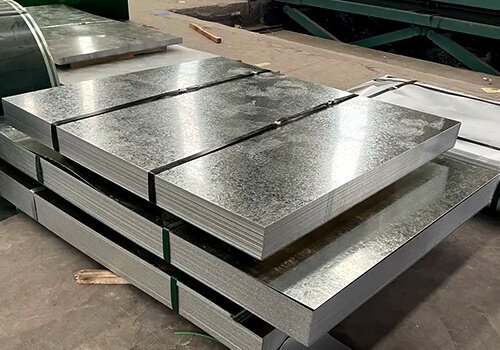
In applications where resistance karat is a crucial requirement, galvanized H-beams are frequently utilized. The steel’s surface is coated with zinc during the galvanizing process, which helps shield the material from moisture and environmental deterioration.
In outdoor settings, galvanized steel beams frequently outperform regular steel beams. They are frequently utilized in agricultural facilities, industrial buildings, infrastructure projects, and buildings that are subject to weather fluctuations.
Nanging, the particular requirements of the project will determine whether to use standard or galvanized H-beams. While outside structures could considerably benefit from galvanized coating, some indoor applications might not need extra protection.
Galvanized H-beams can offer better long-term value by lowering maintenance needs and increasing service life, although possibly having a higher initial cost. Instead of concentrating simply on the purchase price, buyers should take the entire project cost into account.
What Maintenance Is Needed to Extend the Lifespan of an H-beam?
An H-beam’s service life can be maximized with regular maintenance. Even though steel constructions are made to be robust and long-lasting, ongoing inspection helps spot possible faults before they become major ones. A structure’s overall safety can be increased, and unforeseen repair expenditures can be avoided with proper maintenance.
Surface rust detection, welding area inspection, coating repair, and structural connection monitoring are often the primary maintenance tasks. Engineers are better able to comprehend the true state of the steel and take appropriate action thanks to these checks. More regular inspections can be necessary for projects situated in coastal or humid settings.
Before the project begins, maintenance planning should be taken into consideration by large construction companies and foreign buyers. Recommendations on installation, panyimpenan, and protection techniques might be given by a trustworthy source. These expert recommendations enable consumers to get greater performance and a longer service life from their steel items.
How Can Buyers Ensure They Purchase High-Quality H-beams?
One of the most crucial procedures for foreign steel purchasers is selecting a trustworthy source. While many consumers prioritize low pricing, other factors, including product quality, delivery dependability, certification, and technical assistance, are just as crucial.
Customers should assess the supplier’s manufacturing capacity, factory experience, quality control system, and export history prior to placing an order. In-depth product details, such as steel grade, specifications, inspection records, and production standards, should be available from a qualified steel exporter.
Buying subpar steel can cause major commercial issues for distributors, technical directors, and CEOs. Project delays, client complaints, and higher replacement prices can all harm a company’s reputation. In addition to lowering these risks, working with an experienced supplier guarantees a more steady supply.
A reliable provider should also be aware of the market and application needs of the client. For instance, purchasers may require particular certifications and paperwork when importing steel for building projects in the Middle East or South America. During the purchase process, miscommunication between the supplier and the buyer can be prevented.
What Standards Should H-beams Meet Before Export?
Steel products are typically required to meet certain quality criteria in international construction projects. These standards guarantee that the steel has the dimensions, kinerja, and mechanical qualities required for safe usage in various applications.
ASTM, EN, and JIS criteria are common standards for H-beams. Important information, including chemical composition, tensile strength, yield strength, dimensions, and testing methods, is defined by these standards. Fulfilling these requirements enables customers to verify that the goods are appropriate for their applications.
Suppliers should compile the necessary paperwork, such as shipping documents, product specifications, and inspection certificates, prior to export. In the destination nation, these materials are crucial for project approval, customs clearance, and quality assurance.
Selecting an exporter that is knowledgeable about international trade regulations can save time and lower risks for customers from other countries. Skilled vendors are aware of various market demands and are able to suggest appropriate goods based on the location and use of the client.
Are Chinese H-beams Reliable for International Construction Projects?
Chinese H-beams are frequently utilized in worldwide construction projects, and China is one of the world’s leading producers of steel. Chinese steel suppliers are preferred by many international consumers due to their robust manufacturing capacity, affordable prices, and wealth of export expertise.
Nanging, the manufacturer determines how reliable Chinese H-beams are. Not all suppliers offer the same caliber of goods and services. Instead of competing solely on the basis of low pricing, professional exporters prioritize stringent quality control, precise production, and enduring customer connections.
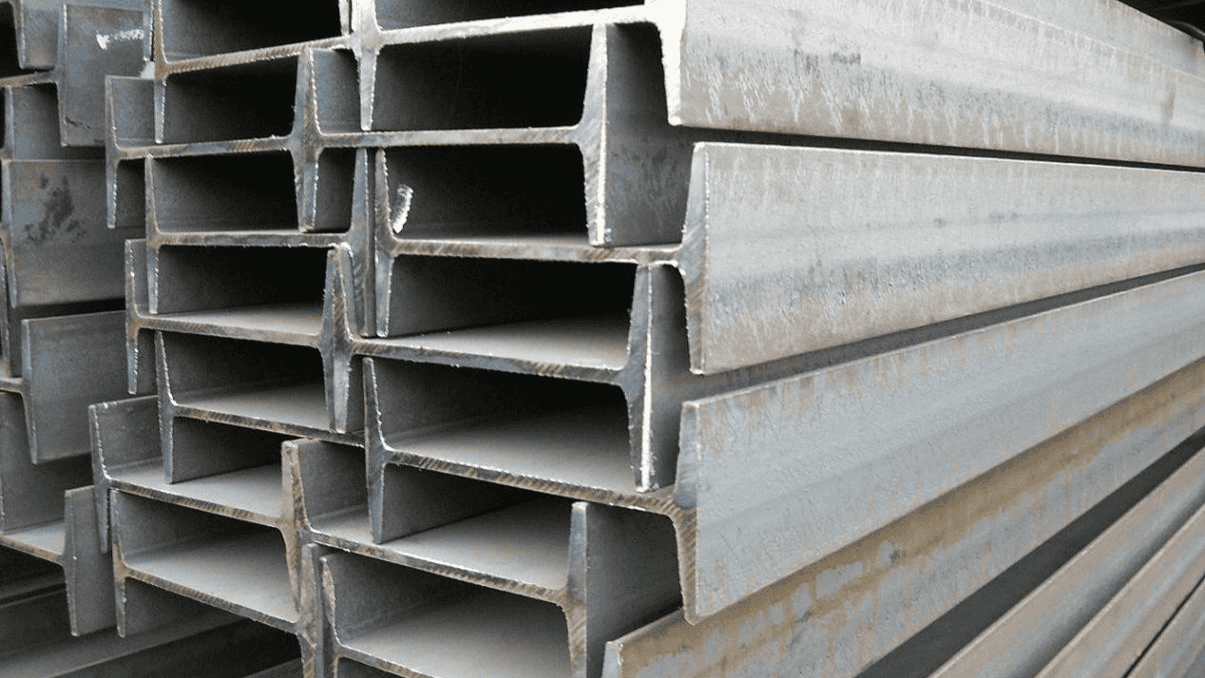
Customers should be aware of the distinctions between these two structural steel products when comparing H and I beams. H-beams are appropriate for large structures, industrial facilities, and major construction projects because they often have broader flanges and stronger load distribution.
The selection of various beam types is contingent upon project design, load circumstances, and technical needs. A qualified supplier may assist clients in choosing the best option based on their particular requirements.
Working with a seasoned Chinese exporter also benefits foreign buyers in terms of communication, production management, and logistics support. The entire sourcing process may become more predictable and seamless as a result.
How Do Logistics and Storage Affect H-beam Lifespan?
An H-beam’s quality is influenced by transportation, panyimpenan, and production. If they are treated incorrectly before arriving at the construction site, even high-quality steel goods may have issues.
Steel items may be subjected to humidity, rain, and shifting weather conditions during international shipment, particularly long-distance maritime transit. The risk of corrosion and surface damage can be decreased with appropriate packaging, loading techniques, and safety precautions.
After delivery, storage conditions are also crucial. Steel beams should be positioned in regions that are well-ventilated and shielded from excessive dampness. Before installation starts, proper storage helps preserve the original quality.
Reliability of logistics is a major consideration for foreign buyers. Shipment delays can have an impact on customer satisfaction, sales goals, and building deadlines. From factory manufacturing to final delivery, a seasoned exporter should offer expert assistance.
Effective supply chain management guarantees that consumers receive goods on schedule and in the anticipated condition. Distributors and trading firms that rely on consistent inventory and dependable delivery should pay particular attention to this.
Ringkesan
The atmosphere, upkeep, corrosion prevention, and steel quality all affect how long an H-beam lasts. Selecting a trustworthy source guarantees durable and reasonably priced steel solutions.