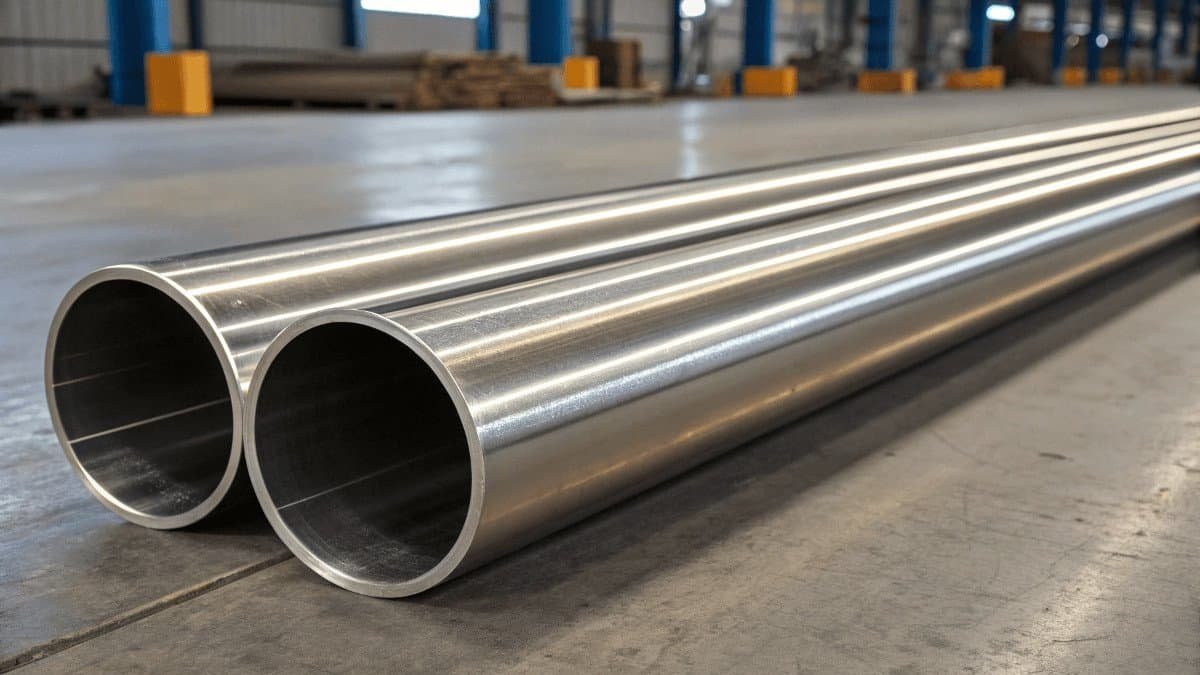
Confused about pipe schedules? Picking the wrong type can cause costly failures. Discover what Schedule 10 stainless steel pipe really means and how it impacts your project.
What is schedule 10 stainless steel pipe? Schedule 10 stainless steel pipe is a thin-wall, low-pressure pipe widely used in corrosive and general service environments. It follows ASTM/ASME standards and is known for cost efficiency, corrosion resistance, and availability in different diameters. Its versatility makes it ideal for industries like water treatment, HVAC, and food processing.
Let’s explore its dimensions, thickness, pressure rating, uses, weight, and key differences from other pipe schedules.
What Does Schedule 10 Mean in Stainless Steel Pipe?
When people ask what is schedule 10 stainless steel pipe, they are essentially asking about wall thickness classification. The “schedule” system is a universal way to define pipe strength.
Schedule 10 stainless steel pipe refers to a thin-wall category designed for lower pressure service. Unlike thicker pipes, it is lighter, easier to install, and cost-effective. It is commonly found in schedule 10 stainless pipe dimensions charts that show outside diameter, inside diameter, and wall thickness.
The word “schedule” in pipe terminology comes from the American standards, where each schedule corresponds to a fixed wall thickness. Schedule 10 stainless steel pipe dimensions show that the pipe has thinner walls compared to Schedule 40 utawa 80. For example, a 2-inch 10 stainless steel pipe has a wall thickness of about 2.77 mm, while Schedule 40 doubles that thickness. Buyers must check a schedule 10 stainless steel pipe chart to avoid mixing up dimensions and ensure compatibility with fittings.
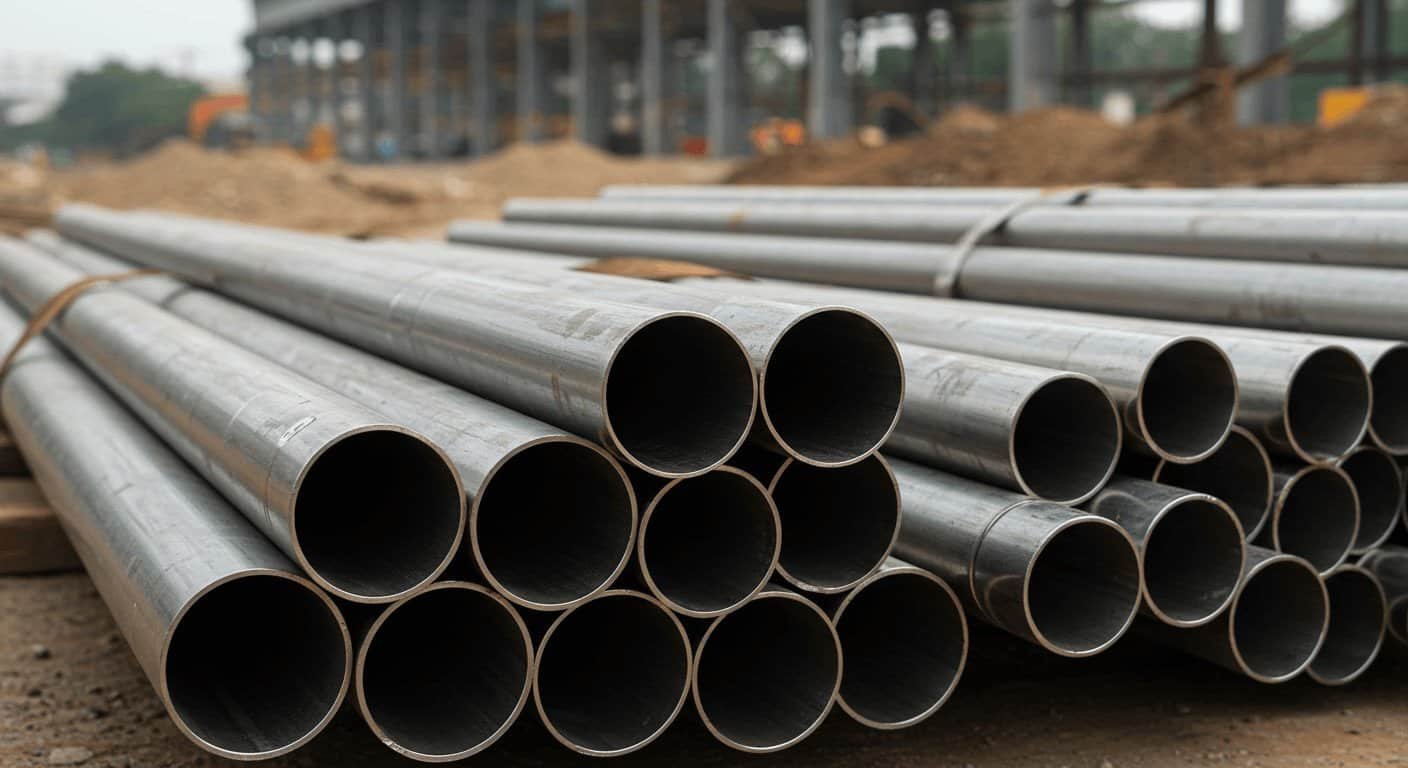
What Is the Thickness of Schedule 10 Pipa Stainless Steel Kab?
Thickness is one of the first factors buyers check before placing an order. Choosing the wrong wall thickness can cause leaks or pressure failures.
Schedule 10 stainless steel pipe thickness varies depending on pipe diameter. For instance, a 1-inch pipe has around 2.11 mm wall thickness, while a 6-inch pipe may have 3.05 mm. Standard references include the schedule 10 stainless steel pipe chart and schedule 10s stainless steel pipe dimensions tables.
Thickness plays a role not only in pressure handling but also in weight and cost. Thin-wall pipes like schedule 10 stainless steel pipe dimensions are ideal for low-pressure environments where corrosion resistance matters more than high-pressure capacity. This makes them suitable for food-grade processing plants, HVAC ductwork, and desalination projects. Consulting a schedule 10 pipe dimensions stainless steel chart ensures you select the right pipe for your system.
What Pressure Can Schedule 10 Stainless Steel Pipe Handle?
Pressure rating determines where a pipe can be safely used. Exceeding this limit can result in failures, accidents, or costly downtime.
The schedule 10 pipe pressure rating is relatively low compared to thicker schedules. For example, a 2-inch pipe may handle about 150 psi in standard conditions. Always check manufacturer specifications when asking what is the pressure rating of schedule 10 stainless steel pipe.
Pressure ratings depend on pipe size, temperature, and operating environment. Schedule 10 stainless steel pipe is not intended for . or oil lines. Instead, it works well in chilled water, wastewater, or vent piping. Comparing a schedule 10 stainless steel pipe chart with actual design needs helps engineers confirm whether the pipe is suitable. If higher pressure is required, buyers often move to Schedule 40 utawa 80.
What Is the Difference Between Schedule 10 and Schedule 10S Pipe?
Buyers often confuse schedule 10 stainless steel pipe with schedule 10S stainless steel pipe dimensions. The distinction lies in standards and applications.
Schedule 10 and Schedule 10S share similar schedule 10 stainless steel pipe dimensions, but 10S is specifically recognized by ASTM for stainless steel. It is more common in industries needing higher corrosion resistance, such as chemical plants and marine use.
While both have thin walls, schedule 10s stainless steel pipe dimensions are standardized under ASTM A312. This makes them preferable for global projects where compliance is essential. If a buyer requests schedule 10 stainless steel pipe dimensions, suppliers often confirm whether they need Schedule 10 (general) or 10S (stainless-specific). Miscommunication here can delay shipments and cause costly project errors.
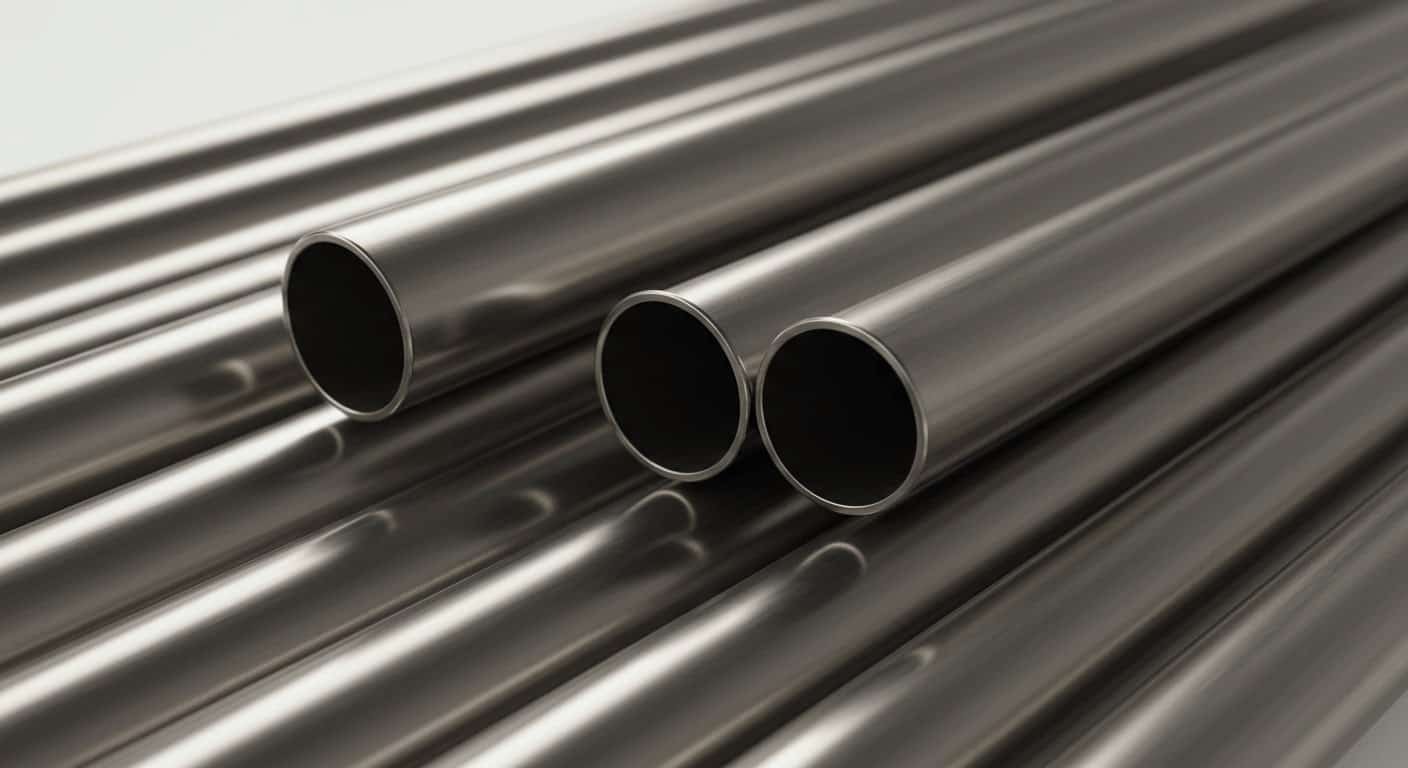
Can Schedule 10 Pipe be Grooved?
Grooving pipes allows them to connect with couplings in fire protection and HVAC systems. Many buyers ask if schedule 10 stainless steel pipe can be grooved.
ya wis, schedule 10 stainless steel pipe can be grooved, but its thinner wall requires care. Manufacturers use roll grooving instead of cut grooving to maintain strength and avoid damaging the pipe.
Fire protection contractors prefer schedule 10 stainless steel pipe for grooved coupling systems because it is lightweight and easy to handle. However, when installing, follow manufacturer guidelines to prevent collapse during roll grooving. Consulting a schedule 10 stainless steel pipe chart ensures correct diameter matching.
Can You Bend Schedule 10 Pipe?
Sometimes projects require bent sections of piping. Thin-wall stainless steel brings special challenges when bending.
Schedule 10 stainless steel pipe can be bent, but it demands the right tools. Mandrel bending is recommended to prevent wrinkles and collapse. For larger diameters, prefabricated elbows are preferred.
Contractors working with HVAC or marine exhaust systems often bend 10 stainless steel pipe to fit tight spaces. Using improper bending equipment may compromise pipe integrity. Buyers should compare bending costs against using fittings. For reference, both schedule 10 pipe dimensions stainless steel and schedule 10 stainless steel pipe thickness influence how easily the pipe can be bent.
Which Is Stronger, 10 utawa 12 Gauge Steel?
When comparing pipes and sheets, many buyers confuse “gauge” with “schedule.” Strength comparisons help clear this confusion.
10 gauge steel is stronger and thicker than 12 gauge. While gauge is a sheet metal measure, schedule 10 stainless steel pipe thickness works differently. Both thickness and material grade affect final strength.
Gauge numbers decrease as thickness increases, so 10 gauge stainless is heavier than 12 gauge. In contrast, schedule 10 stainless steel pipe dimensions are defined by schedule standards, not gauge. Engineers must avoid mixing these systems when specifying materials.
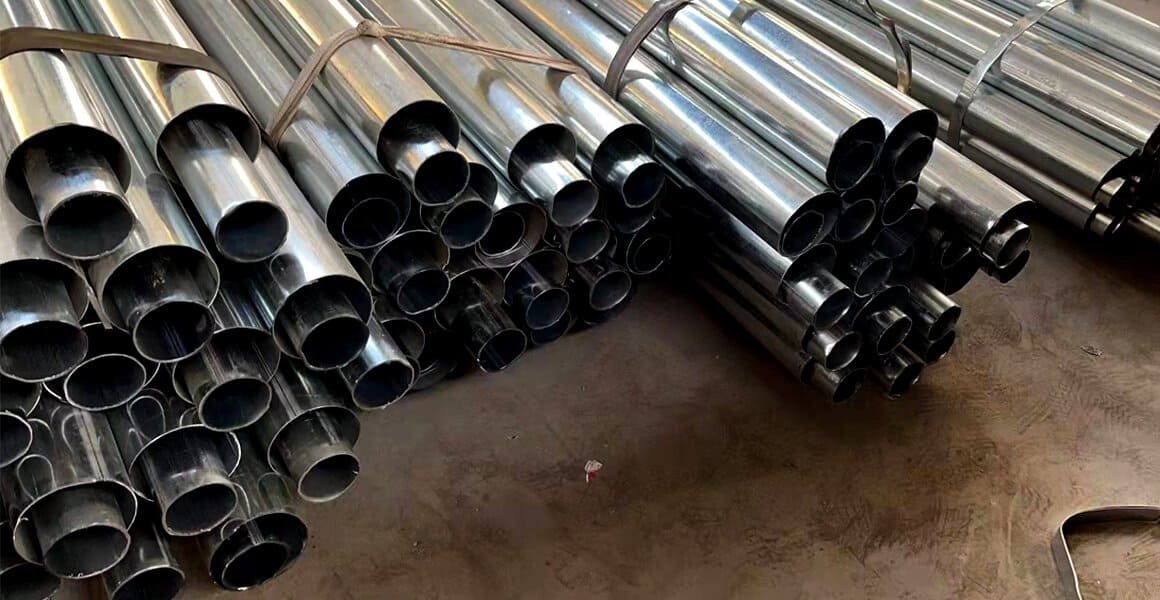
What Are the Common Uses of Schedule 10 Pipa Stainless Steel Kab?
The applications of schedule 10 stainless steel pipe show why it is popular worldwide despite being thinner than other pipes.
Common uses include water treatment, food processing, chemical plants, HVAC, and fire protection. Its thin wall and corrosion resistance make it ideal for large-scale, low-pressure piping systems.
Industries prefer schedule 10 stainless steel pipe because it balances cost with performance. For instance, in desalination plants, schedule 10 stainless steel pipe dimensions allow easy installation while resisting seawater corrosion. In commercial kitchens, the pipe’s smooth inner walls prevent contamination. A schedule 10 stainless steel pipe chart often guides buyers in selecting sizes for different projects.
How Much Does Schedule 10 Stainless Steel Pipe Weigh?
Weight is crucial for shipping costs, load calculations, and installation handling. Buyers often request weight data before purchase.
Schedule 10 stainless steel pipe weight depends on diameter and length. For example, a 4-inch pipe weighs around 10.79 kg/m. Weight charts provide standard values for each dimension.
The schedule 10 stainless steel pipe chart includes not only wall thickness but also weight per unit length. Lightweight properties make transport and installation cheaper than Schedule 40 utawa 80. Checking schedule 10 stainless steel pipe weight data avoids underestimating freight costs in large projects.
Ringkesan
Schedule 10 stainless steel pipe is thin-walled, corrosion-resistant, and economical. Always match dimensions, thickness, pressure rating, and weight to your project’s requirements before ordering.