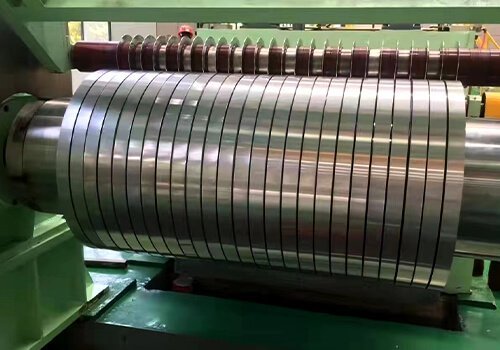
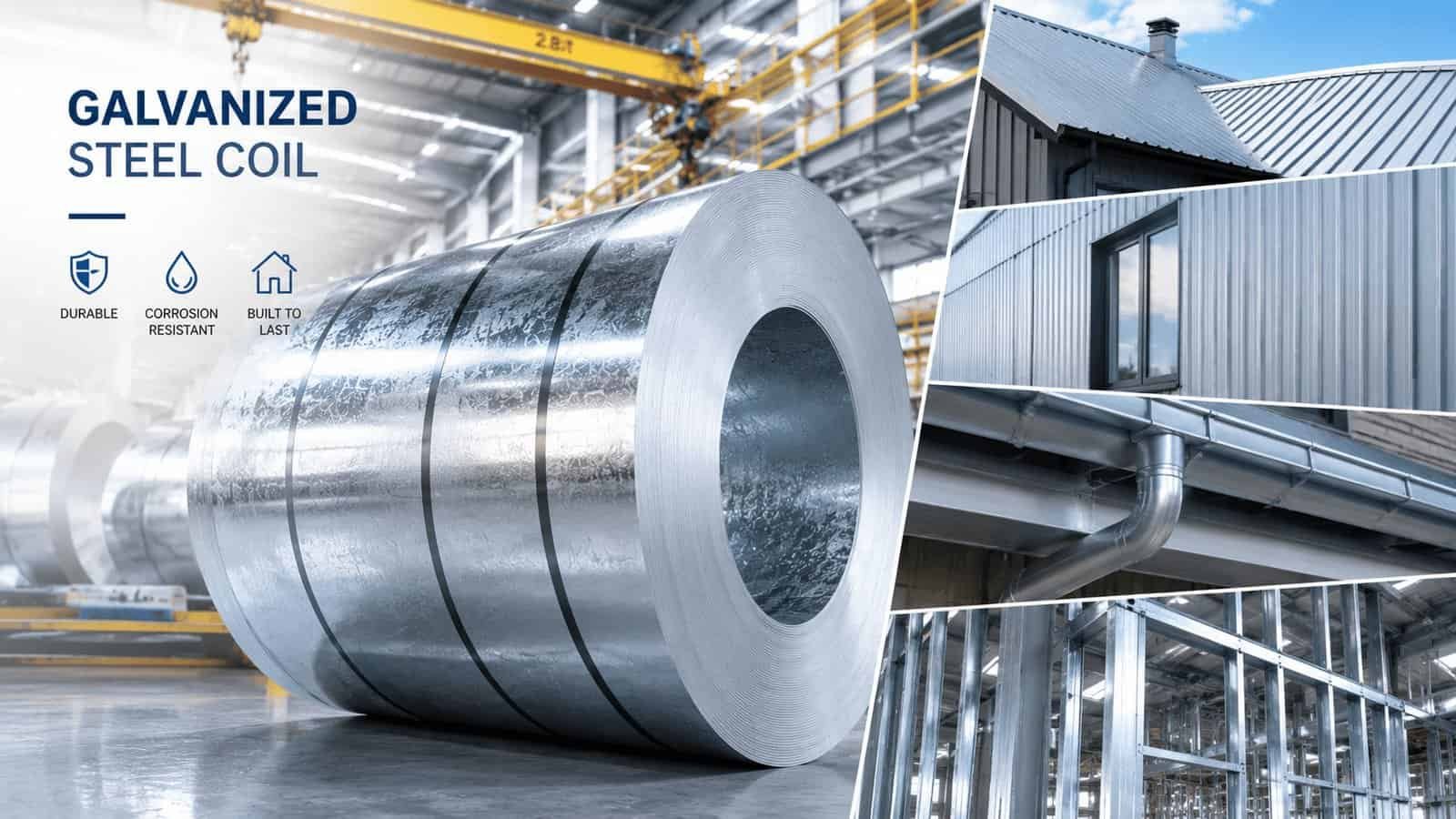
Teyeng, inconsistent quality, and unexpected replacement costs can hurt steel importers. Choosing the right galvanized coil can reduce these risks while giving customers durable, versatile steel.
The main galvanized coil advantages are strong corrosion resistance, kekiatan, low maintenance, versatile applications, and long-term value. A zinc coating protects the steel substrate from corrosion, making galvanized steel coil suitable for construction, otomotif, manufaktur, piranti, and other demanding applications.
But what makes galvanized steel so useful, and what should importers consider before buying it?
What Is a Galvanized Steel Coil and How Does It Work?
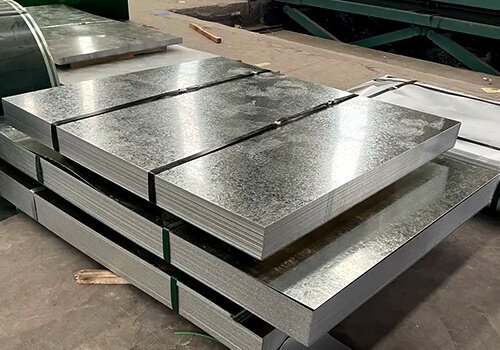
Steel that has been coated with zinc to increase its resistance to corrosion is called a galvanized steel coil. Understanding this fundamental structure is crucial for importers because the performance of the finished product is influenced by the steel grade, coating quality, kekandelan, and manufacturing process. To satisfy various application and market demands, galvanized goods are offered in a variety of specifications.
By forming a physical barrier between the steel and its surroundings, the zinc coating shields the underlying steel. Because zinc is more reactive than steel, it can also offer sacrificial protection if the coating is broken in a small region. This lessens the possibility that rust will swiftly penetrate the steel substrate.
Importers should consider more than just whether a product is referred to as “kumparan galvanis” when making practical purchases. The steel grade, kekandelan, ambane, zinc coating, mechanical characteristics, surface condition, relevant standards, and inspection requirements should all be examined. Instead of just selecting the lowest reported price, this information assists purchasers in matching the material with the customer’s actual use. Kajaba iku, a trustworthy specification greatly facilitates supplier comparison and quality verification.
What Are the Main Galvanized Coil Advantages?
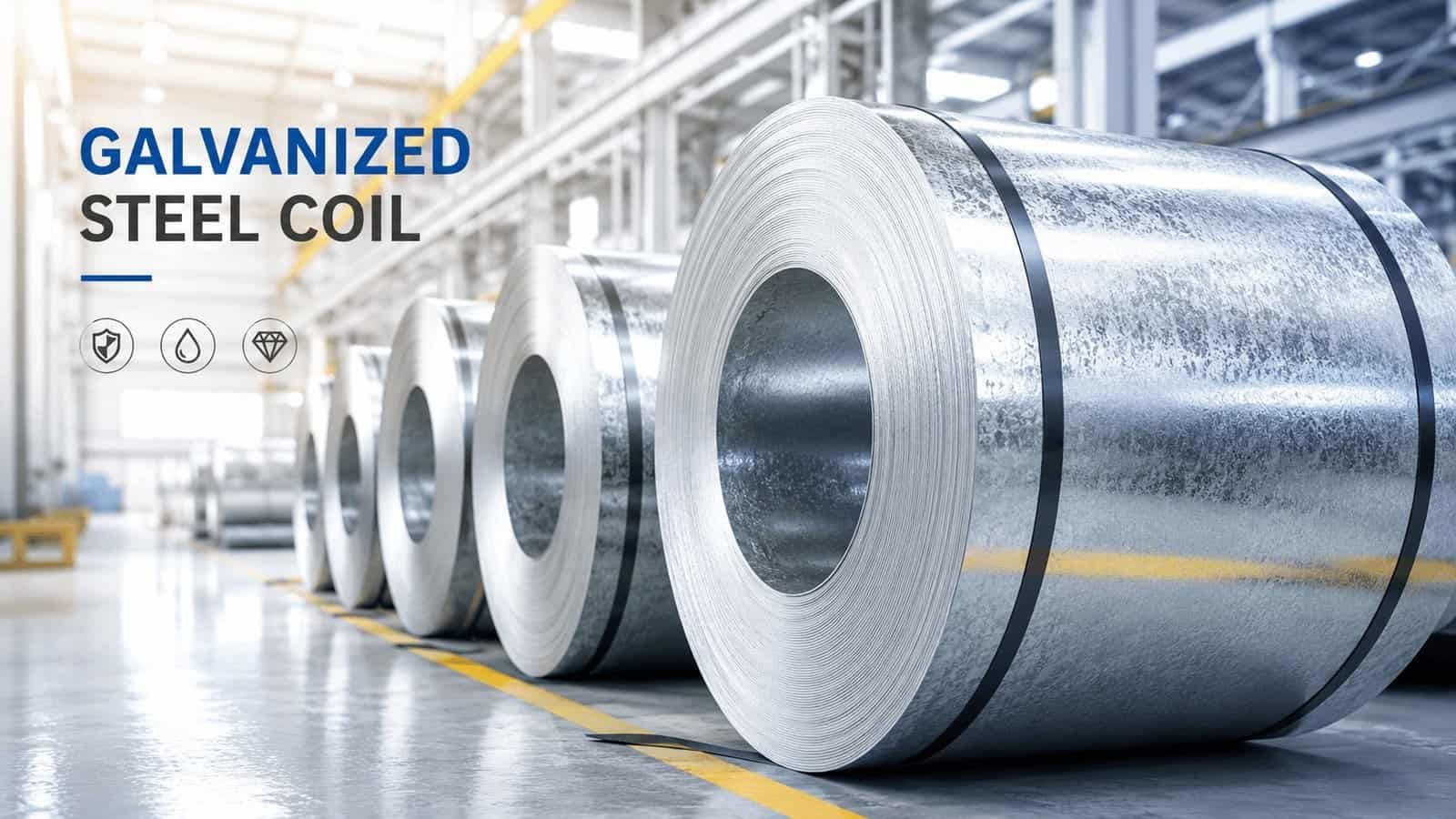
The primary galvanized coil advantages stem from the combination of zinc’s protective capabilities and steel’s qualities. Amarga iki, importers catering to the building, manufaktur, otomotif, appliance, and industrial sectors find galvanized items appealing. Buyers should think about how corrosion resistance, kekiatan, processing performance, and application flexibility interact together rather than concentrating on a single feature.
Corrosion resistance, kekiatan, comparatively minimal maintenance needs, a wide range of applications, and long-term value are the main benefits. These advantages can enable galvanized steel coils to function dependably in settings where regular uncoated steel might need more frequent maintenance or further protection.
These benefits may also have an impact on an importer’s business performance. A product that offers adequate corrosion protection and consistent quality may result in fewer customer complaints and replacement problems. Distributors and wholesalers can access various client segments by using galvanized products to support many downstream sectors. The steel grade, zinc coating, atmosphere, processing technique, and product quality all affect the real performance.
How Does Galvanizing Improve Corrosion Resistance?
One of the main factors influencing consumers’ decision to purchase galvanized steel is its resistance to corrosion. Unprotected steel may eventually rust due to a reaction with oxygen and moisture. Depending on the application and degree of corrosion, the material may lose its useful performance as well as its look. Before the steel gets to that point, galvanizing adds another layer of protection.
The main function of the zinc coating is to act as a barrier between the steel substrate and its surroundings. Kajaba iku, zinc can provide sacrificial protection in cases of localized coating damage. In many typical service situations, these processes work together to protect the underlying steel and postpone corrosion.
Nanging, it’s crucial for importers to remember that galvanized steel is not impervious to corrosion. Coating thickness, exposure circumstances, temperature, asor, contaminants, and contact with other materials are some of the variables that affect performance. Mulane, buyers should choose a coating and product specification that are suitable for the intended use. Over the course of its service life, galvanized steel coil can offer dependable protection and lower corrosion-related maintenance when the material is properly specified.
What Are Galvanized Steel Coils Used For?
Because they combine the structural and industrial qualities of steel with the corrosion protection of zinc, galvanized steel coils are utilized in a wide range of industries. This wide range of applications has commercial value for steel importers. Distributors can provide galvanized goods to manufacturers, fabricators, construction firms, and other industrial clients with various needs rather than focusing on just one market.
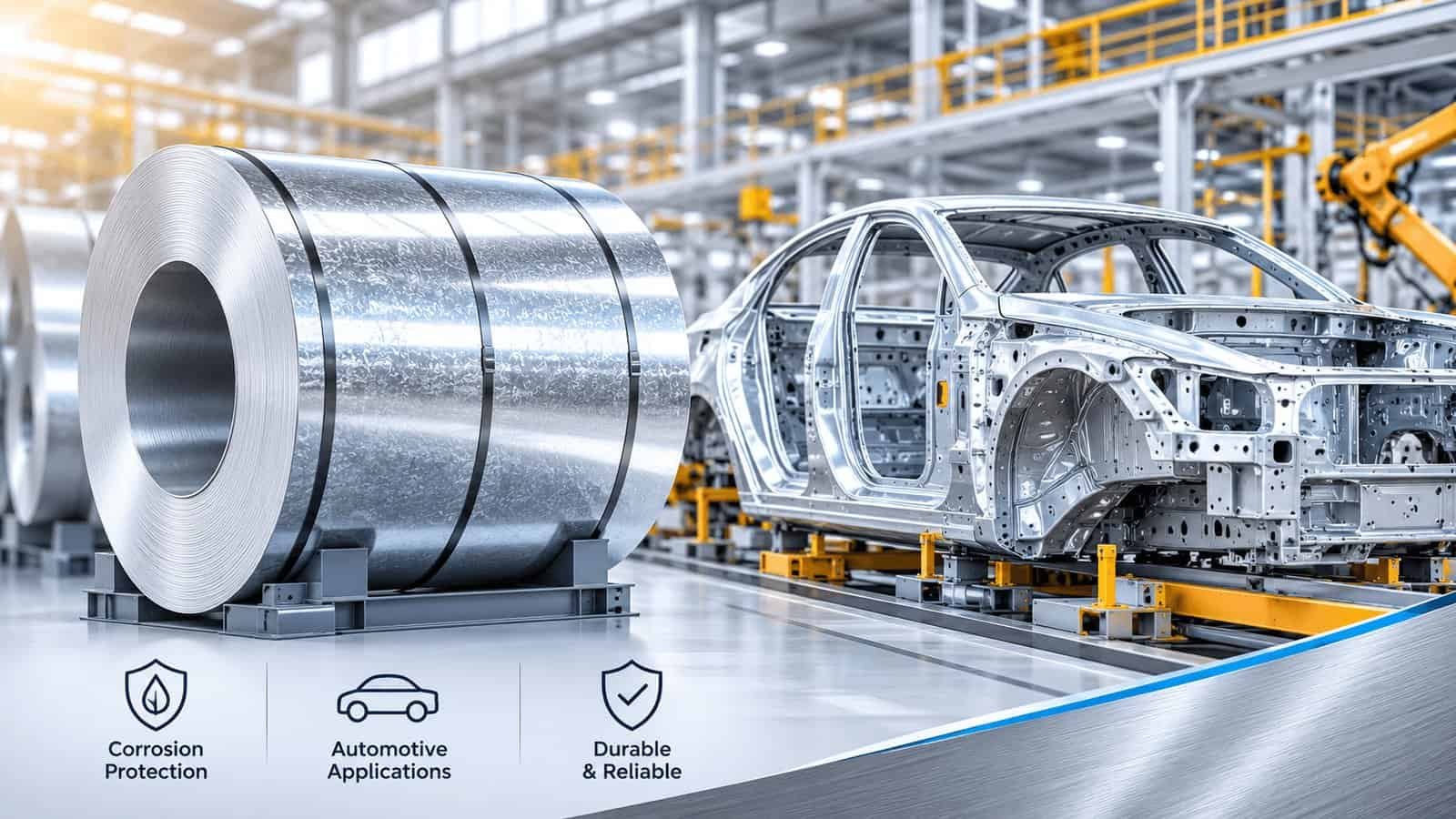
Roofing, wall panels, building materials, automobile components, Sistem HVAC, piranti, and general manufacturing are examples of common uses. The steel grade, dimensi, coating specifications, forming requirements, kualitas lumahing, and other industry norms all affect the precise use.
When corrosion resistance is crucial due to weather or moisture exposure, galvanized items are frequently chosen for construction. Galvanized steel can be used by automakers and appliance manufacturers for parts that need to be both protective and formable. Corrosion-resistant sheet products are also advantageous for HVAC applications. Understanding these end uses aids importers in choosing suitable standards and locating suitable downstream clients. Kajaba iku, it avoids a typical purchase error: choosing a technically inappropriate product just because the price seems reasonable.
Does Galvanizing Steel Make It Stronger?
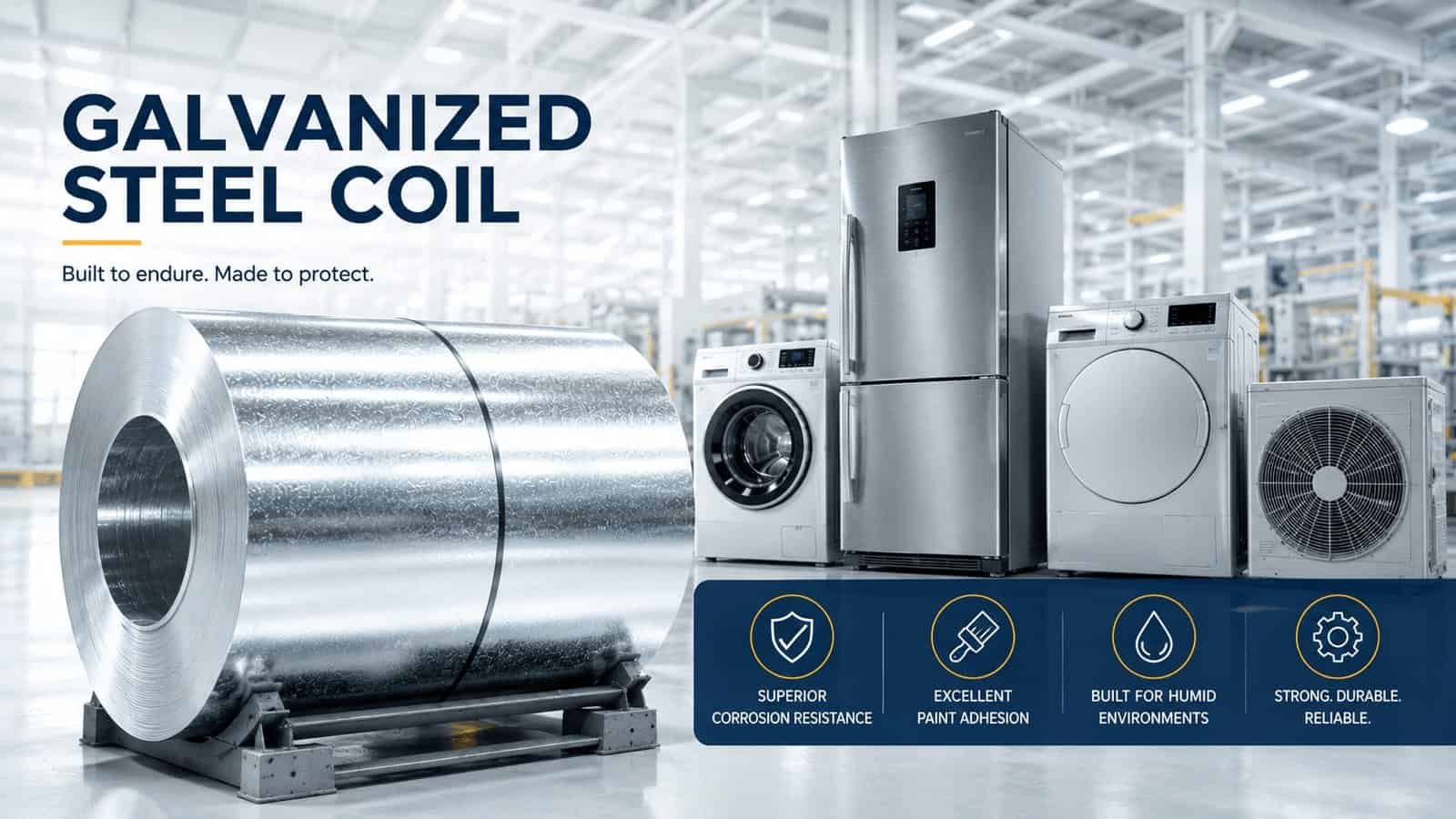
A widespread misperception is that the underlying steel becomes mechanically stronger when a zinc coating is applied. Ing kasunyatan, the main purpose of galvanizing is to prevent corrosion. Rather than the existence of a zinc coating, the steel’s mechanical strength is mostly controlled by its steel grade, komposisi kimia, pangolahan, kekandelan, and manufacturing method.
Galvanizing does more than only make the underlying steel stronger mechanically; it also increases durability and corrosion resistance. Kekuwatan tensile, yield strength, and elongation values should be given independently of the zinc coating requirement if a customer requires them.
For importers buying kumparan baja galvanis for technical clients, this differentiation is especially crucial. Instead of believing that a heavier zinc coating equates to stronger steel, a buyer should verify the necessary steel grade and mechanical characteristics. kekandelan, ambane, coating mass, surface requirements, and relevant standards should all be specified in product specifications. Suppliers are able to manufacture and verify the material in accordance with quantifiable specifications when these specifics are well-defined prior to ordering.
What Is the Downside of Galvanized Steel?
Despite its many advantages, galvanized steel is not the ideal material for every need. A skilled importer should be aware of both its benefits and drawbacks. When providing technically demanding clients, this balanced approach is especially crucial because selecting the incorrect material might lead to issues that a cheap purchase price cannot resolve.
A greater starting cost compared to some uncoated steel products, processing issues during fabrication or welding, and the requirement to choose an appropriate zinc coating for the desired environment are possible drawbacks. In order to avoid surface issues like wet-storage staining or white rust, galvanized products may also need to be handled and stored properly.
Galvanized items are not always a bad option because of these drawbacks. Rather, they demonstrate the importance of product selection. Before placing an order, importers should take into account the application environment, fabrication method, storage conditions, necessary coating, and customer demands. Products subjected to harsh chemical conditions, contone, would need a different approach to protection. Buyers can prevent mismatched requirements and needless quality conflicts after delivery by having clear technical contact with the supplier.
What Does Vinegar Do to Galvanized Metal?
Because vinegar contains acetic acid, it is acidic, and zinc can react with acidic chemicals. This makes the subject pertinent when examining the behavior of galvanized coatings in the presence of household chemicals or other acidic conditions. The more general lesson for importers is that when choosing a galvanized product, environmental exposure should always be taken into account.
Because acetic acid reacts with zinc, vinegar can progressively erode the zinc covering. The protective coating may be weakened or damaged by prolonged or frequent exposure, making the underlying steel more susceptible to corrosion.
Galvanized steel should be matched to its service environment, as this example illustrates. It is not a given that a product made for typical air exposure would function as effectively in a very acidic or chemically aggressive environment. When exceptional chemical exposure is anticipated, importers should inform their supplier of the intended usage and seek a suitable specification. This easy action can lower the chance of inappropriate material getting into the supply chain and safeguard product performance.
How Should Steel Importers Choose the Right Galvanized Coil?
It takes more than just comparing supplier quotes to choose the best galvanized coil. Importers must assess the full product specification to see if it satisfies the technical and business needs of their clients. If the given material doesn’t pass inspection, can’t be handled properly, or doesn’t live up to the end user’s expectations, a cheaper price could become costly.
Steel grade, kekandelan, ambane, zinc coating, coil weight, kualitas lumahing, mechanical characteristics, relevant standards, and inspection requirements are all significant variables. Buyers may additionally need to specify requirements for packing, marking, edge condition, surface polish, and tolerances, depending on the application.
Defining the customer’s requirements, verifying the technical specifications, comparing qualified suppliers, reviewing quality documentation, scheduling inspections when needed, confirming packaging and loading details, and finalizing shipping and payment terms are all possible steps in a practical purchasing process. Kajaba iku, buyers should ask for pertinent mill test certifications and other paperwork needed for customer or customs clearance. Importers can make purchase selections based on total value rather than just headline price by comparing providers on both price and technical dependability.
How Can Galvanized Coil Reduce Long-Term Costs?
The purchase price is simply one component of the overall cost when assessing steel. If a product delivers dependable corrosion protection, requires less maintenance, and lasts longer for the customer’s application, it may be more cost-effective at first. Kanggo alasan iki, importers should think about the entire cost instead of just the initial quote.
When properly specified and utilized, galvanized coil can lower long-term expenses by reducing corrosion-related maintenance, replacement, lan downtime. Steel’s usable performance can be extended in numerous common applications thanks to its protective zinc coating.
Improved durability may also help distributors and wholesalers indirectly. Reduced complaints, returns, replacements, and urgent purchases may result from fewer quality issues. Kajaba iku, importers can sustain ties with their downstream clients by using reliable merchandise. These advantages, nanging, are contingent upon suitable product selection and reliable manufacturing quality. Regardless of its original cost, a galvanized product with an inappropriate coating or wrong specification might not provide the desired value. Akibate, consumers should consider quality, pamriksan, logistik, and application requirements in addition to price.
What Should Importers Check Before Buying Galvanized Steel Coils?
Instead of depending just on a supplier’s general product description, importers should develop a precise purchase checklist before purchasing galvanized steel coil. This is particularly crucial for international operations, as quality issues can be more costly and challenging to fix once the shipment has left the manufacturing plant.
Product specifications, kelas baja, dimensi, zinc coating, kualitas lumahing, mechanical properties, sertifikat, laporan inspeksi, pambungkus, loading arrangements, shipment schedule, conditions of payment, and export papers should all be examined by buyers. Rather than being requested after the goods are finished, the necessary standards and test documentation should be decided upon prior to manufacturing.
Particular emphasis should be paid to quality inspection. When necessary, importers can set up a third-party inspection before shipment and verify that the supplier has the proper quality-control protocols. Kajaba iku, they should verify that loading techniques shield the coils from preventable damage and that packaging is appropriate for maritime transit. Lastly, since shipment delays can impact inventory planning and downstream sales, delivery timetables should be explicitly discussed. Mulane, the complete chain—specification, production, pamriksan, pambungkus, transportasi, documentation, and delivery—is taken into account in a professional procurement process.
Ringkesan
The benefits of galvanized coils are long-term value, kekiatan, resistance karat, and adaptability. For importers, competitive pricing is just as vital as appropriate specifications and dependable quality.