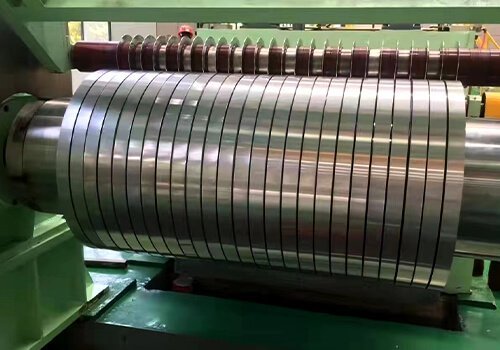
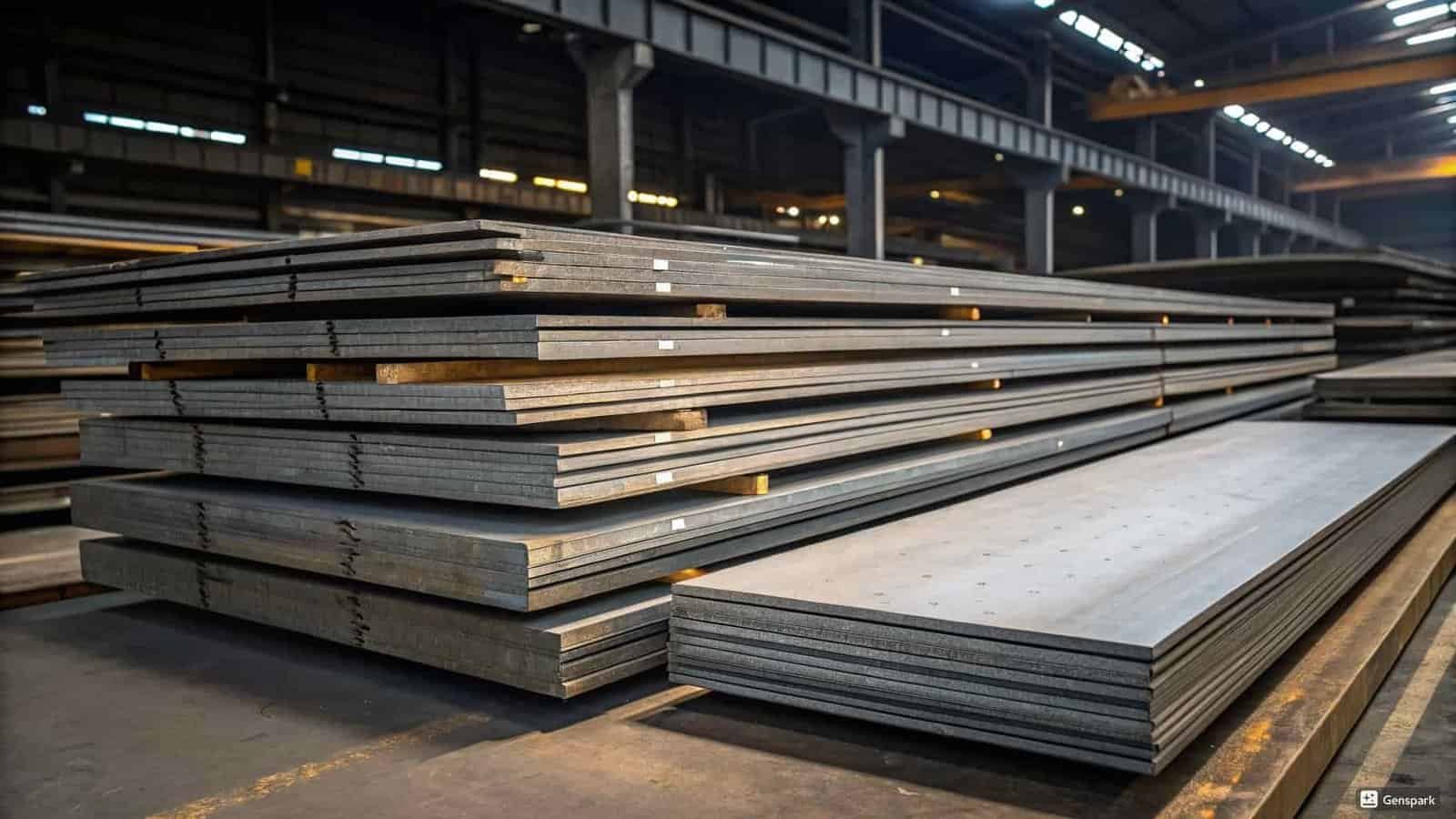
Steel sheets fuel industries worldwide, yet misunderstandings cause delays and losses. Let’s explore the real manufacturing process sheets to secure quality and prevent costly mistakes.
How are steel sheets made? Steel sheets are made by smelting raw materials into steel, rolling into thin forms, annealing for ductility, and applying surface treatments for durability. This ensures strength, corrosion resistance, and consistent thickness. Manufacturers perform strict quality checks so that steel sheet metal meets international standards across construction, otomotif, and industrial applications.
Let’s dive deeper into the process and answer essential questions about how steel sheets are made and used globally.
How Are Steel Sheets Manufactured?
Every steel sheet metal goes through a carefully controlled path, blending metallurgy, mechanical processes, and quality inspection. Knowing how sheet metal is manufactured helps buyers select reliable suppliers and avoid product defects.
Steel sheets are manufactured by smelting iron ore or scrap into molten steel, rolling the steel into thin sheets, annealing them for flexibility, and treating surfaces for protection.
The manufacturing process sheets involves smelting at high temperatures, rolling into the desired thickness, and finishing treatments like galvanizing or coating. Buyers sourcing internationally should review each step, since shortcuts can affect sheet durability, weldability, and long-term performance. Understanding how its made steel gives buyers the confidence to negotiate effectively with suppliers.

What Raw Materials Are Used in Steel Sheet Production?
Steel production begins with the right ingredients. Without pure raw materials, how steel sheets are made will determine quality, cost, and even safety in final applications.
Steel sheets are produced from iron ore or recycled scrap metal, melted in furnaces, and refined with elements like carbon, chromium, utawa nikel.
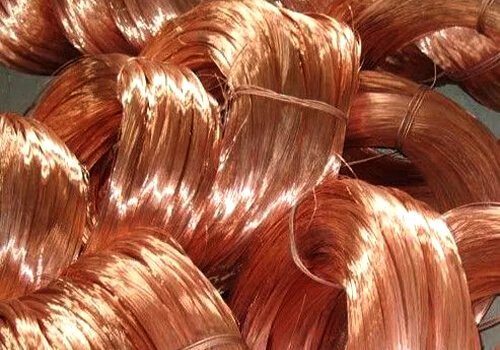
The choice of raw material directly influences sheet strength, corrosion resistance, and weldability. For example, stainless sheet metal contains chromium for rust protection, while copper alloys can improve thermal and electrical conductivity. Buyers should always request chemical composition certificates when sourcing steel to confirm the purity of inputs and to better understand how is steel made for their particular application.
What Is the Difference Between Hot Rolled and Cold Rolled Steel Sheets?
Rolling is one of the most critical stages in how sheet metal is made. Buyers often face the decision between hot rolling and cold rolling.
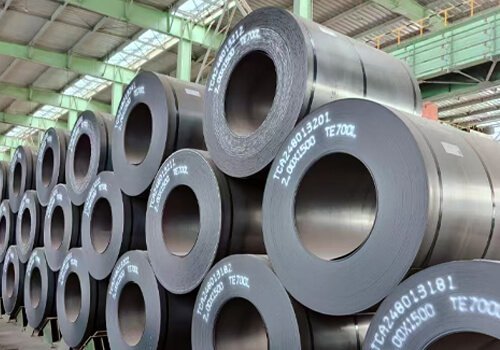
Hot rolled sheets are produced above recrystallization temperature, offering affordability but less precision. Cold rolled sheets are made at room temperature, producing smoother surfaces and tighter tolerances.
Hot rolled steel sheet metal is common in construction, bridges, and pipelines, while cold rolled is often preferred in automotive, piranti, and decorative finishes. When considering how is sheet metal made, buyers should evaluate project needs: rough strength vs. smooth precision. The rolling choice impacts not just cost but also logistics, as cold rolled products require more protective packaging during shipping.
Why Is Annealing Important in Steel Sheet Manufacturing?
Many overlook heat treatment when analyzing how sheet metal is manufactured. Yet annealing is essential for performance.
Annealing heats steel sheets and cools them slowly, reducing hardness, relieving internal stress, and improving ductility for forming and bending.
Without annealing, steel could crack during welding or forming. Automotive industries rely heavily on annealed steel sheet metal to produce parts that require bending and shaping. This step ensures resilience during production. Buyers reviewing how steel sheets are made should always ask suppliers about annealing equipment and certifications, since modern facilities ensure higher-quality output.

How Are Steel Sheets Cut and Treated Before Delivery?
The final look and performance of sheet metal comes from finishing. Cutting and surface treatment ensure products meet customer needs.
Steel sheets are cut into standard or customized dimensions and then treated with galvanizing, coating, or polishing to enhance durability and resist corrosion.
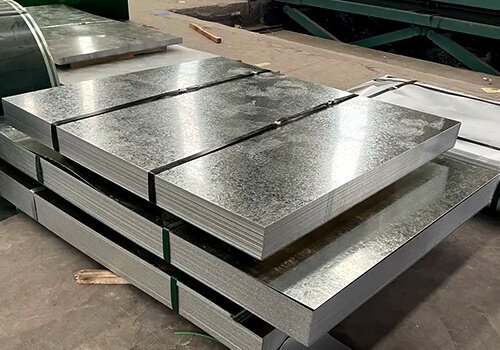
Galvanized sheet metal is coated with zinc, ideal for roofing and outdoor construction. Stainless steel sheet metal often receives polishing to meet decorative standards. Buyers asking what is sheet metal used for should pay attention to surface finishing. For example, coated sheets are essential for marine environments, while polished stainless is used in kitchens or architectural projects.
What Quality Checks Are Performed on Steel Sheets?
Quality checks define trust in the global steel trade. For buyers, inspections safeguard against costly project delays.
Steel sheets undergo tests for thickness, tensile strength, surface flatness, coating adhesion, and chemical composition to meet international standards.
Reputable suppliers provide Mill Test Certificates (MTC), SGS inspection, and ISO certifications. These assure buyers of consistent quality. Understanding how steel sheets are made also means checking the documentation. For construction or automotive uses, precision in thickness and flatness matters as much as mechanical strength. Quality control is the backbone of how sheet metal is manufactured for safe and profitable use.
What Are Four Types of Steel?
Knowing steel types helps buyers match steel sheet metal to project requirements.
The four main types are carbon steel, baja paduan, baja tahan karat, lan tool steel, each with distinct properties and applications.
Carbon steel is affordable but corrodes more easily. Alloy steel adds elements like chromium or vanadium for strength. Stainless sheet metal resists rust thanks to chromium, while tool steel withstands high wear in industrial tools. When analyzing how is sheet metal made, buyers should recognize that composition determines final performance. The wrong type leads to high maintenance costs and project risks.
Is Steel Stronger Than Iron?
Many ask this when evaluating how steel sheets are made compared to raw iron.
Steel is stronger than iron because of carbon and alloying elements, which increase hardness, tensile strength, and flexibility.
Pure iron is soft and malleable, while how its made steel includes refining and alloying. These steps transform raw iron into versatile sheet metal for infrastructure, mesin, and transport. Buyers sourcing steel sheet metal globally should note this strength advantage, as it explains why steel dominates construction and industrial markets.

How Long Do Steel Plates Last?
Durability directly impacts cost and project planning. Buyers must consider the lifespan of steel sheet metal.
Steel plates can last 20–50 years, depending on coating, environment, lan pangopènan. Stainless and galvanized options have the longest lifespans.
In coastal or humid regions, unprotected sheet metal corrodes faster. Galvanized coatings extend service life, while stainless steels maintain integrity in harsh environments. Understanding how is sheet metal made and treated allows buyers to calculate lifecycle costs, not just upfront prices. Investing in quality saves money over decades.
Can You Make Steel at Home?
The idea may sound tempting, but practicality differs from curiosity.
Ora, steel cannot be made at home. It requires industrial furnaces, high temperatures over 1,500°C, and controlled alloying processes.
DIY methods cannot replicate the precision of industrial steelmaking. How sheet metal is made involves advanced equipment and expertise to ensure safety and strength. Instead of home attempts, buyers should source from certified suppliers who follow proper manufacturing process sheets and deliver globally accepted steel sheet metal.
Ringkesan
Steel sheet metal production involves smelting, muter-muter, annealing, treatment, and inspection. Knowing how steel sheets are made helps buyers choose trusted suppliers, reduce risks, and secure long-term profitability.