
Are you trying to source steel but feeling lost in a sea of technical specs? Ordering the wrong material leads to project delays and wasted money, a frustrating experience for anyone.
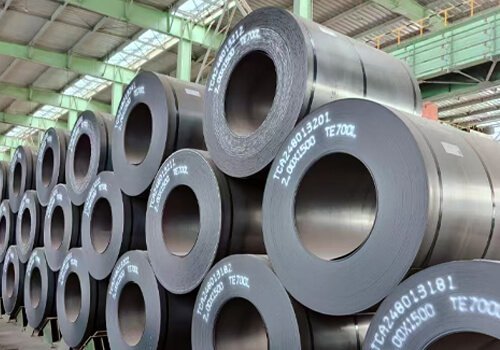
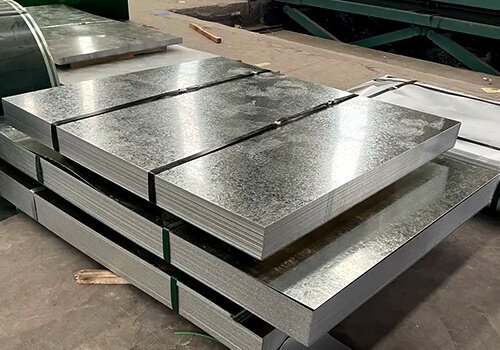
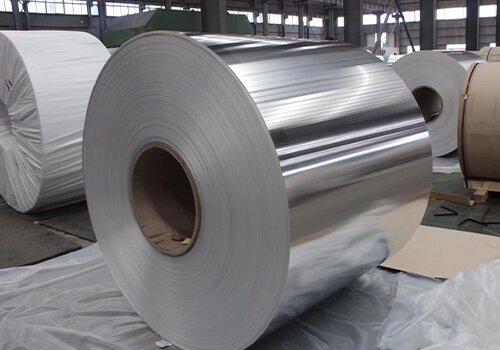
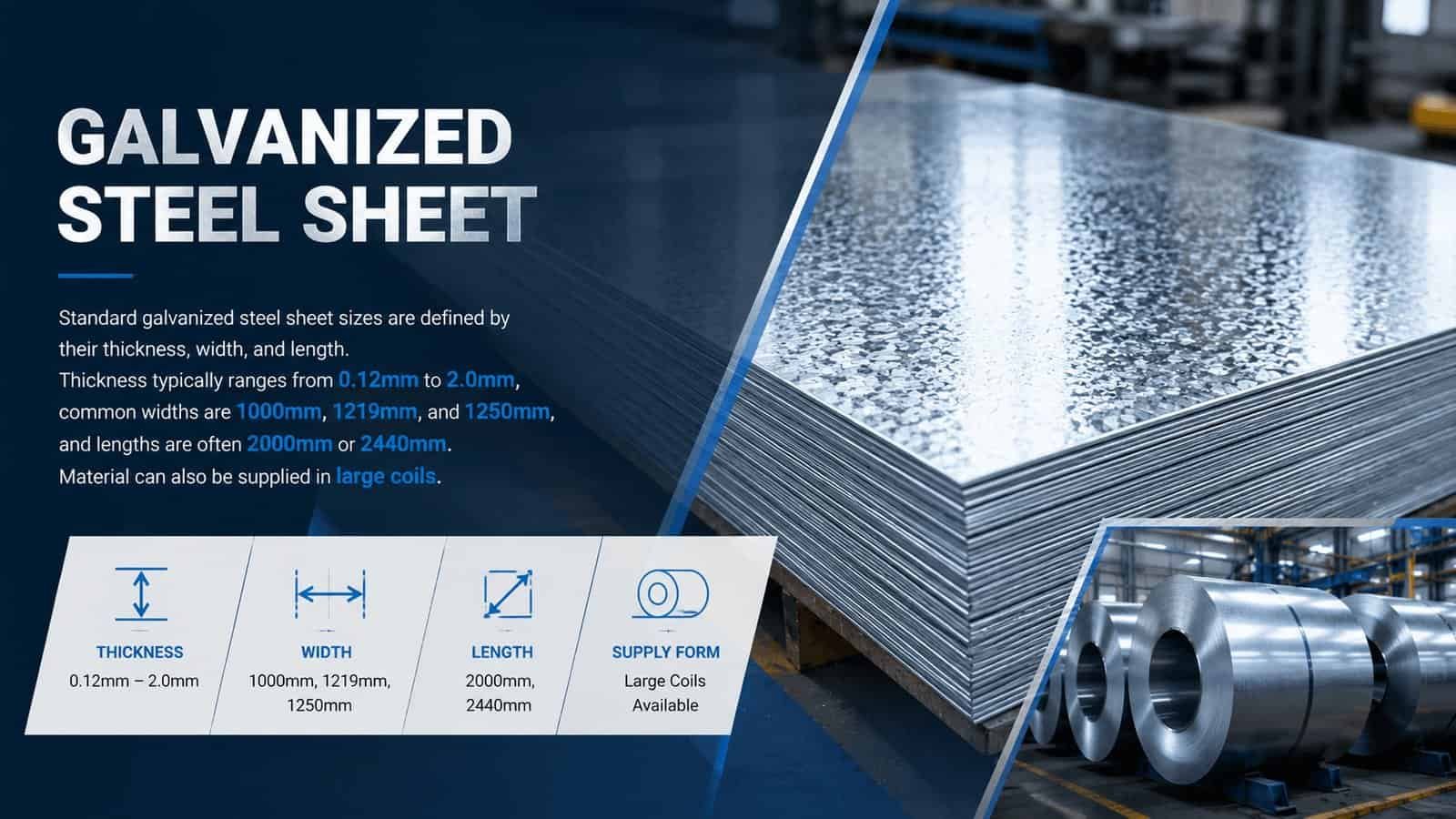
Standar galvanized steel sheet sizes are defined by their thickness, ambane, and length. Thickness typically ranges from 0.12mm to 2.0mm, common widths are 1000mm, 1219mm, and 1250mm, and lengths are often 2000mm or 2440mm. Material can also be supplied in large coils.
As a manufacturer of LED mirrors for over 16 taun, I’ve learned that the quality of our final product starts with the raw materials. The backing of our mirrors is a critical component, and for that, we rely on high-quality galvanized steel. We’ve spent countless hours sourcing and testing different specifications to find the perfect balance of durability, bobot, lan biaya. It’s a journey that has taught us a lot about this versatile material. I want to share some of that knowledge with you, so you can make informed decisions for your own projects without the steep learning curve. Let’s break down the details you need to know.
What are the common thicknesses for a galvanized steel sheet?
Worried about choosing a sheet that’s too thin and flimsy or too thick and expensive? The wrong choice can ruin your product’s structural integrity or completely blow your budget.
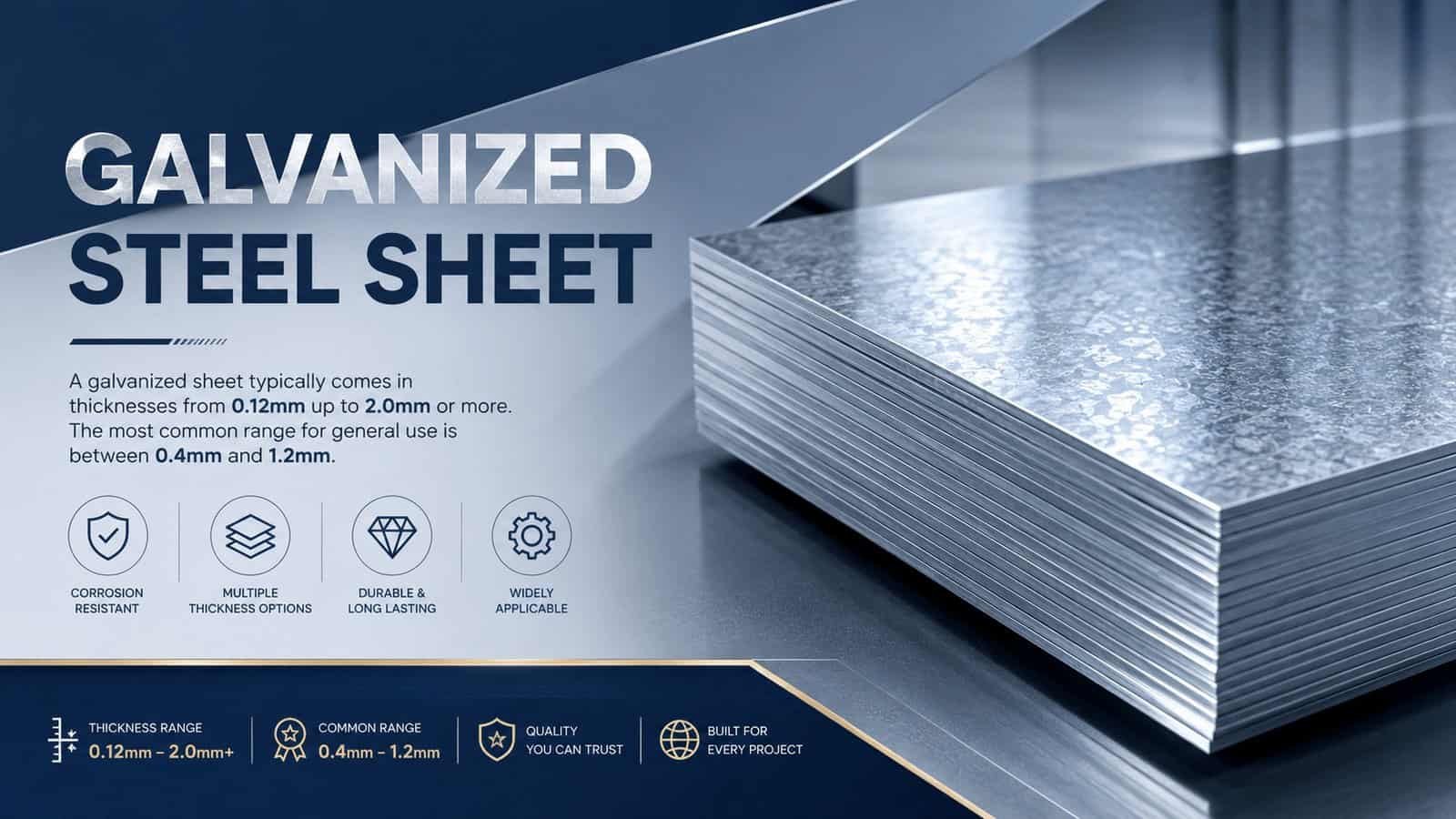
A galvanized sheet typically comes in thicknesses from 0.12mm up to 2.0mm or more. The most common range for general use is between 0.4mm and 1.2mm. This dimension is the single biggest factor influencing the sheet’s strength, bobot, and overall cost.
When we design a new LED mirror, the thickness of the galvanized steel backing is one of our first considerations. A gi plain sheet might seem like a simple component, but its thickness is crucial. For our larger, premium hotel mirrors, we need a thicker galvanized steel plate, usually around 0.8mm to 1.0mm. This provides the necessary rigidity to support the mirror glass and integrated electronics without any risk of bending or warping over time, even in a steamy bathroom. For smaller cosmetic mirrors, a thinner gi sheet, maybe 0.5mm, is often sufficient.
It provides enough protection while keeping the product lightweight and cost-effective. We once experimented with a 0.4mm sheet for a mid-sized mirror to reduce the galvanized sheet price. While it passed initial tests, we found it didn’t have the premium, solid feel our customers expect. That experience taught us not to compromise on thickness for our core product line.
| kekandelan (mm) | Common Use Case | Key Characteristic |
|---|---|---|
| 0.3 – 0.5 | Ductwork, small enclosures, barang hiasan | Lightweight, very flexible |
| 0.6 – 0.8 | Appliance bodies, standard mirror backing | Good balance of strength/cost |
| 1.0 – 1.2 | Structural panels, large mirror backing, roofing | High rigidity, awet |
| 1.5+ | Heavy-duty industrial uses, support brackets | Very strong, heavy |
How wide do galvanized steel metal sheets typically come?
Do you find it hard to match sheet width to your project needs, leading to excessive waste? Buying a galvanized steel metal sheet that is too wide means more cutting, more scrap, lan biaya sing luwih dhuwur.
Standard widths for a galvanized steel sheet are 600mm, 1000mm, 1219mm (4 sikil), and 1250mm. These sizes are based on industry-wide manufacturing equipment, making them the most readily available and cost-effective options for buyers sourcing a steel sheet galvanized for their needs.

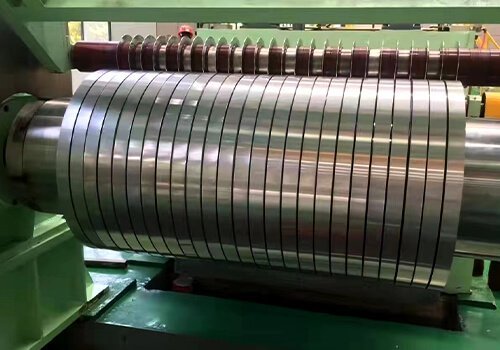
Understanding standard widths is key to efficient manufacturing. In our factory, we handle a variety of mirror sizes, so material efficiency is a constant focus. The most common width we see from suppliers is 1219mm. This 4-foot width is a global standard, especially for trade with North America, so it’s always available. When we produce a large batch of mirrors of a specific size, we often work with our steel supplier to get custom-width galvanized sheet metal coils. Contone, if we are making thousands of 60cm wide mirrors, we might order a 1220mm coil and slit it into two 610mm coils. This minimizes the scrap material from each cut.
It’s a small detail, but when you’re making 8,000 mirrors a month, those savings add up.For smaller, custom orders, we stick to standard-width sheets and manage the off-cuts.A good supplier can advise on the most economical width for your required part sizes, helping you reduce the overall galvanized sheet price. This is why having a strong relationship with your material provider is so important.
What are the standard lengths for a sheet of galvanized steel?
Are you stuck with fixed-length sheets that don’t fit your project, forcing awkward cuts? This creates weak points from unnecessary joints or piles of wasted material from offcuts.
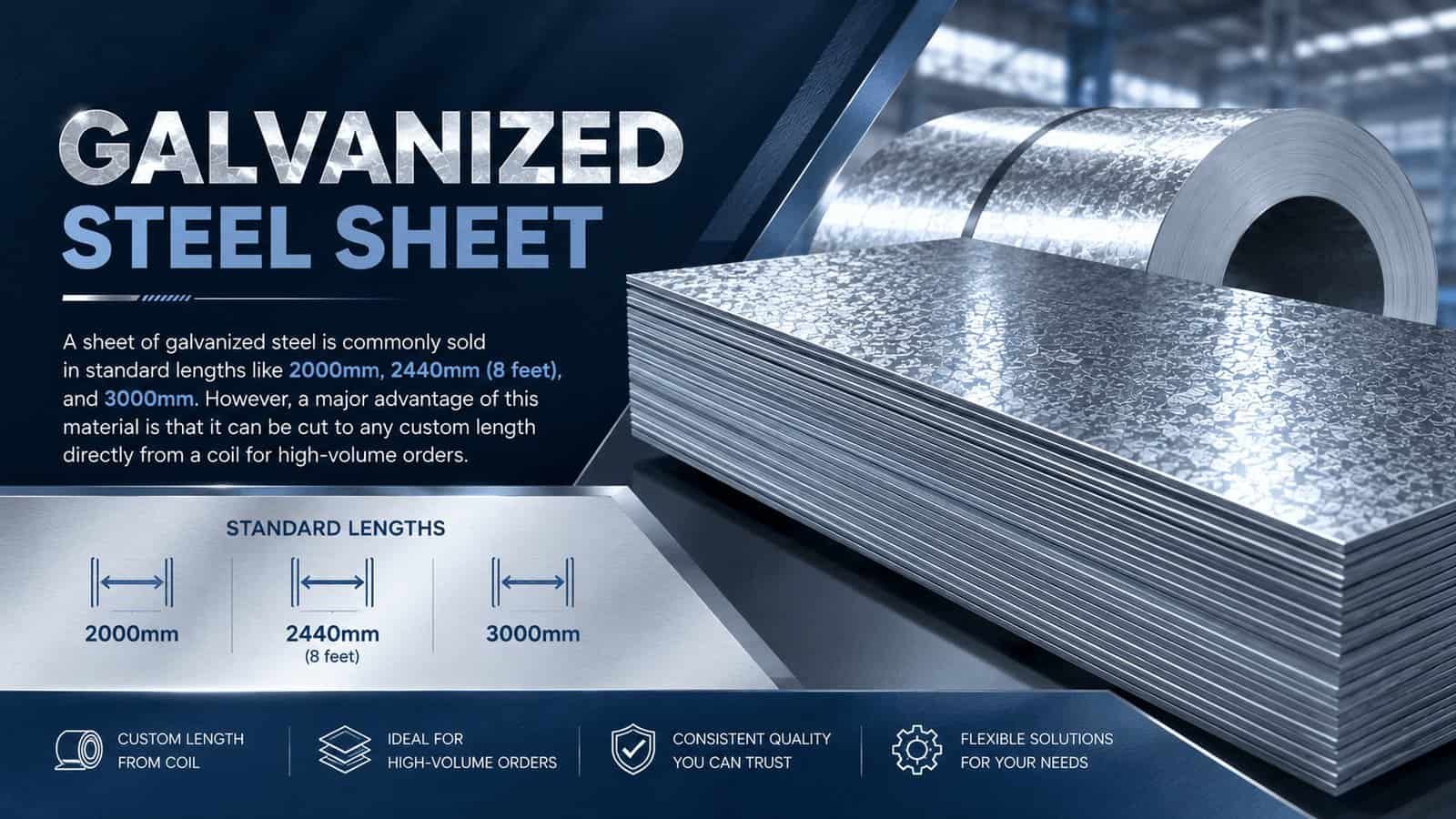
A sheet of galvanized steel is commonly sold in standard lengths like 2000mm, 2440mm (8 sikil), and 3000mm. Nanging, a major advantage of this material is that it can be cut to any custom length directly from a coil for high-volume orders.
The choice between pre-cut sheets and coils comes down to the scale of your operation. When I first started, we bought pre-cut 2440mm sheets for everything. It was simple. But as we grew, the amount of waste material became a serious cost. We would cut a 750mm backplate from a 2440mm sheet and be left with a large, awkward off-cut. Saiki, for our main production lines, we only order galvanized sheet metal coils. The coil is fed into our automated cutting machine, and we program it to cut the exact length needed for each mirror, down to the millimeter.This has dramatically reduced our waste and improved our production speed. A sheet galvanized this way is perfect every time.
We still keep some standard-sized galvanised steel sheet stock on hand for quick prototypes or small, custom jobs. For any business doing mass production, nanging, switching from sheets to coils is a game-changer for efficiency and cost control of your gi steel sheet.
How is the zinc coating on galvanized sheet metal sheets measured?
Confused by zinc coating codes like Z60 or Z275? Choosing the wrong coating on your galvanized sheet metal sheets can lead to premature rust, a disaster for products used in humid environments.
The zinc coating is measured by its weight in grams per square meter (g/m²), covering both sides of the sheet. This is indicated by a ‘Z’ number. Contone, a Z275 coating means there are 275 grams of zinc per square meter total.

This ‘Z’ number is something I pay very close attention to. Since our products are LED bathroom mirrors, they are destined for the most humid room in the house. Rust is our enemy. A thin zinc coating might be fine for a product used in a dry room, but it’s a non-starter for us. We specify a minimum of Z120 for our galvanized plate. This means the galvanised plate steel has a substantial zinc layer that provides excellent corrosion resistance for years. I once saw a competitor’s mirror at a trade show that already had rust spots forming on the back.
They likely used a cheap sheet with a Z30 or Z60 coating to lower their gi sheet price. It looks fine out of the box, but it won’t last. For our clients in coastal areas or for hotel projects where longevity is paramount, we often upgrade to a Z180 or Z275 galvanised steel plate. It costs more, but it provides peace of mind and protects our brand’s reputation for quality.
| Coating Class | Total Zinc Weight (g/m²) | Environment Suitability |
|---|---|---|
| Z60 – Z100 | 60 – 100 | Dry indoor environments, internal components |
| Z120 – Z180 | 120 – 180 | Humid indoor environments (e.g., bathrooms), mild outdoor |
| Z275+ | 275+ | Outdoor, pesisir, and corrosive industrial environments |
What international standards apply to galvanized steel sheets?
Do you see standards like ASTM, HE, or EN and not know what they mean for quality? Ordering from a supplier who doesn’t follow recognized standards is a huge gamble for your product’s quality.
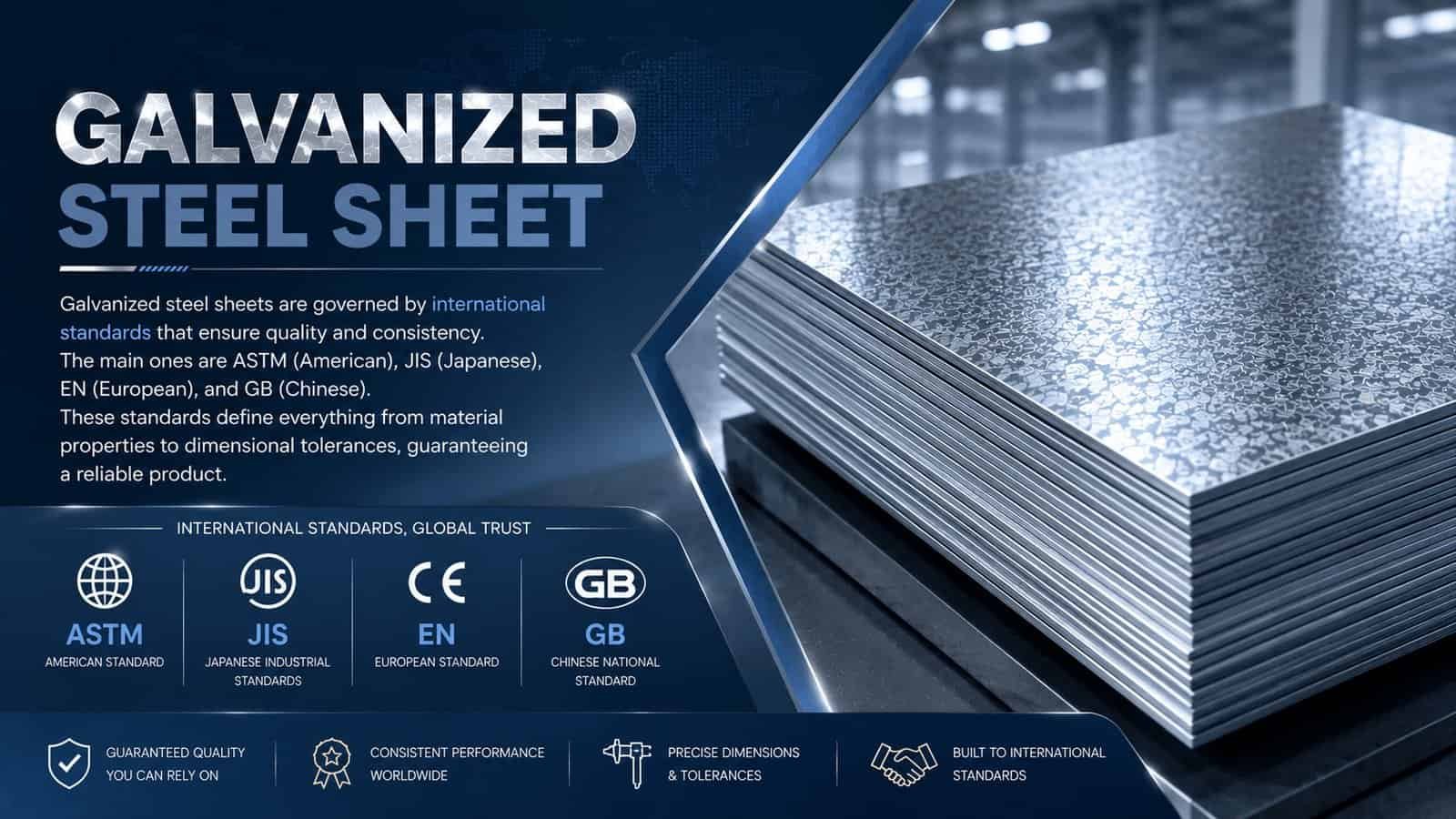
Galvanized steel sheets are governed by international standards that ensure quality and consistency. The main ones are ASTM (American), HE (Japanese), ING (European), and GB (Chinese). These standards define everything from material properties to dimensional tolerances, guaranteeing a reliable product.
As a factory that exports globally, we live by these standards. We can’t ship a container of mirrors to Germany if our raw materials don’t meet the relevant EN (European Norm) standar. Likewise, our clients in the United States expect our galv steel sheet to comply with ASTM standards. These codes are not just letters and numbers; they are a promise of quality. They ensure that the steel plate galvanized we use has the correct chemical makeup, kekuwatan, and durability every single time. When we evaluate a new steel supplier, the first thing we ask for is their standards compliance certificate. If they can’t provide it, the conversation ends there.
It’s a simple but effective way to filter out low-quality producers. This commitment to certified materials is a core reason why we’ve successfully exported for 16 taun. It ensures that whether a customer buys our mirror in Paris, Texas, or Paris, France, the quality of the galv roof sheets or backing plates is consistently high. The plate galvanized must meet the promise.
| Standar | Primary Region | Description |
|---|---|---|
| ASTM | North America | American Society for Testing and Materials; widely recognized globally. |
| ING | Europe | European Norms; mandatory for many products sold within the EU. |
| HE | Japan | Japanese Industrial Standards; known for strict quality control. |
| GB | Cina | Guobiao standards; the national standards for China. |
Kesimpulan
Choosing the right galvanized sheet size, lapisan, and standard is key. This knowledge ensures you get the best material for your project, balancing cost, kekiatan, and performance effectively.