Steel should rust, yet reinforced concrete structures often last decades. Why? Understanding the science behind rebar protection helps prevent costly structural failures.
Why doesn’t rebar rust? Rebar remains protected because fresh concrete creates a highly alkaline environment that forms a passive oxide layer on the steel surface. Tuy nhiên, chloride contamination, carbonation, độ ẩm, and cracks can destroy this protective film, leading to corrosion. Proper material selection, construction practices, and maintenance significantly extend the service life of reinforced concrete.
Let’s explore why rebar stays protected, what causes corrosion, and how engineers maximize structural durability.
Why Doesn’t Rebar Rust Inside Concrete?
A common misconception is that steel will always rust when it comes into touch with oxygen and moisture. Naturally, this presumption raises the question of whether Cải nên rusts in concrete. Contrary to popular belief, the solution is not as simple. Because the surrounding environment offers natural chemical protection, reinforcing steel operates significantly differently inside concrete than it does outside.
The pH of fresh concrete is between 12.5 Và 13.5. A thin passive oxide film is created when the steel surface reacts with this extremely alkaline environment. Under normal circumstances, corrosion is very difficult because this invisible barrier keeps moisture and oxygen from reacting directly with the steel. This explains Why doesn’t rebar rust? in the early stages of the service life of the majority of reinforced concrete structures.
Even while concrete offers superior protection, the passive layer isn’t always lasting. Aggressive materials like deicing salts or chloride ions from seawater may eventually seep into the concrete. Through carbonation, atmospheric carbon dioxide can also lessen the alkalinity of concrete. Corrosion may start as the passive film degrades. Therefore, the most pertinent question is not just why doesn t rebar rust in concrete, but rather under what circumstances this protection continues to be effective. To guarantee that rebar is preserved for decades, engineers closely monitor concrete quality, cover thickness, and environmental exposure.
How Does Concrete Protect Steel Reinforcement from Corrosion?
Concrete is much more than just a building material. It greatly lowers the chance of steel corrosion by acting as a chemical shield. Engineers can choose the best materials for harsh situations and create infrastructure that lasts longer by having a better understanding of this protective function.
Concrete’s high alkalinity provides the main defense. Calcium hydroxide produces a very alkaline environment during cement hydration, which instantly passivates the steel surface. Ngoài ra, the flow of oxygen, độ ẩm, and harsh chemicals toward the reinforcing bars is restricted by dense, fully cured concrete. Because of its twofold protection, reinforced concrete has grown to be one of the most popular building materials in the world.
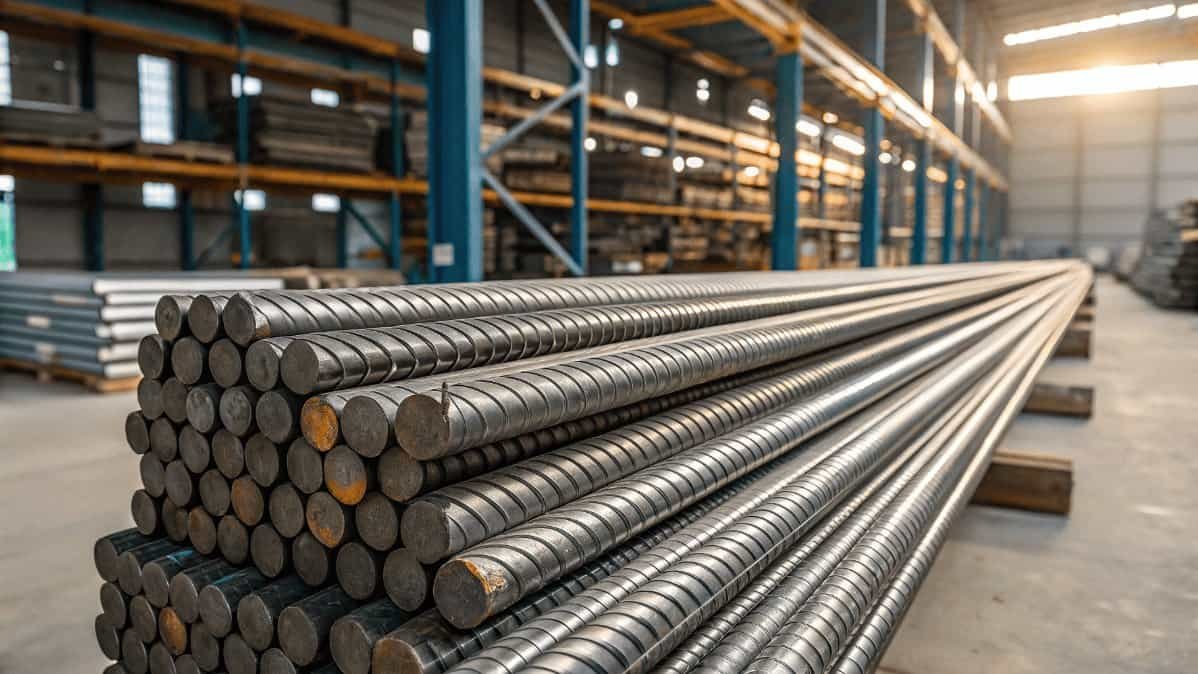
Concrete quality plays a major role in protection. Permeability is decreased by low water-to-cement ratios, sufficient concrete cover, adequate curing, and appropriate compaction. Even more resistance to carbonation and chloride penetration is offered by high-performance concrete. To achieve improved endurance in harsh situations like naval building, engineers frequently combine high-quality concrete with corrosion-resistant Cải nên. Current design guidelines acknowledge that long-term corrosion resistance is influenced by both the quality of the concrete and the choice of reinforcing.
What Causes Rebar to Start Rusting?
Even while concrete offers great protection, this resistance may eventually be undermined by specific environmental factors. Rarely does corrosion start abruptly. Rather, it takes time for protective barriers to break down; thus, early prevention is far more effective than later repair.
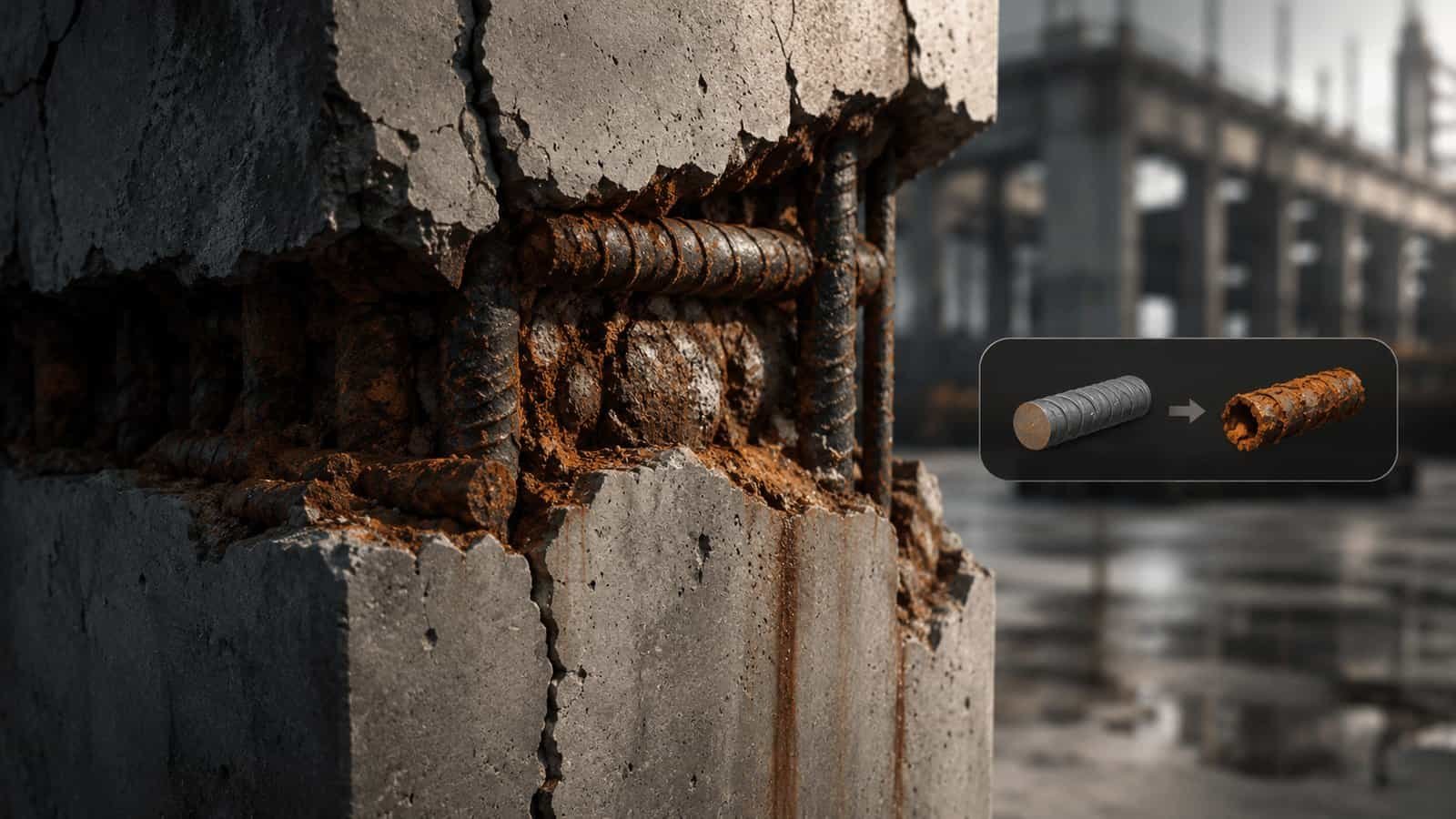
Carbonation and chloride attack are the two most frequent causes. Seawater, marine spray, and deicing salts can all introduce chloride ions into concrete. Pitting corrosion results from the local breakdown of the passive layer when the concentration of chloride reaches a critical level close to the steel surface. When hydrated cement and atmospheric carbon dioxide combine, carbonation takes place, reducing the alkalinity of the concrete until the passive layer is no longer able to endure.
Corrosion is also accelerated by other variables. Moisture penetration is increased by poor drainage, frequent wetting and drying cycles, severe cracking, inadequate cover thickness, and poor concrete consolidation. Concrete’s protective qualities may be further weakened by industrial pollutants, acidic conditions, and freeze-thaw degradation. Engineers can effectively know how to prevent corrosion of steel in concrete during both design and construction by being aware of these dangers. When corrosion gets severe, structural restoration is nearly always more expensive than preventive measures.
Can Rusted Rebar Still Be Used in Construction?
After being transported or stored, construction workers frequently come across reinforcing bars with some surface rust. This brings up a crucial practical concern about how much rust on rebar is acceptable prior to installation. Fortunately, not all rust stains preclude reinforcement from being used in construction.
Many international construction standards consider light, homogeneous surface rust to be acceptable because it doesn’t appreciably alter the mechanical qualities or cross-sectional area of the steel. Actually, a small amount of oxidation might strengthen the interaction between steel and concrete. Inspectors usually check that pollutants, dầu, grease, loose rust, and scale have been eliminated before installation.
Severe corrosion, Tuy nhiên, needs to be carefully assessed. Significant deformation, heavy scaling, deep pitting, and obvious section loss can all lower load-carrying capability and should never be disregarded. Contractors may repair the damaged reinforcement completely or carry out the proper rusted rebar treatment techniques when corrosion surpasses allowable limits. Lightly corroded bars may be restored by mechanical cleaning, abrasive blasting, or certified rebar rust remover chemicals, but structural safety should always come first. Reliable long-term performance is ensured via inspection in accordance with relevant engineering standards.
How Do Chloride Ions and Carbonation Damage Rebar?
Chloride attack and carbonation are thought to be the two most damaging corrosion mechanisms impacting reinforced concrete. Both eventually remove the passive layer that typically shields reinforcing steel from corrosion, despite the fact that they function differently.
Road deicing salts, polluted aggregates, exposure to seawater, and coastal conditions can all introduce chloride ions into concrete. In contrast to carbonation, chlorides can degrade concrete without first lowering its alkalinity. Rather, they cause aggressive pitting corrosion by immediately penetrating the steel surface and locally destroying the passive coating. Because pitting frequently goes undetected beneath the concrete’s surface, damage may spread before obvious cracking manifests.
Although carbonation impacts substantially wider regions of reinforcement, it proceeds more slowly. Concrete’s pH steadily drops from above 12.5 to below the level needed for steel passivation as carbon dioxide diffuses into it and reacts with calcium hydroxide. When enough moisture and oxygen are present, corrosion can start once carbonation reaches the reinforcement depth. By employing low-permeability concrete, expanding concrete cover, applying protective sealers, and choosing corrosion-resistant rebar for extremely hostile conditions, engineers reduce both risks. Specialized rebar coating corrosion prevention technologies offer an extra line of defense against long-term deterioration and chloride penetration in some applications.
Does Galvanized Rebar Resist Rust Better Than Black Rebar?
In situations where corrosion risk is increased by moisture, muối, or industrial pollutants, galvanized rebar is frequently utilized. Galvanized reinforcement offers an extra layer of zinc that sacrifices itself before the underlying steel starts to corrode, in contrast to traditional black rebar. In harsh conditions, this additional protection can greatly extend the service life of reinforced concrete.
The zinc coating serves as a sacrificial anode as well as a physical barrier. Through galvanic action, the surrounding zinc keeps the exposed steel safe even if the coating is scratched during installation or transit. For bridges, cổng, parking structures, wastewater facilities, and coastal buildings where corrosion risks are significantly higher than in regular construction, this makes galvanized reinforcing a viable choice.
Despite its superior resistance to corrosion, galvanized rebar isn’t necessarily the most cost-effective option for every project. The final choice should always be based on the specifics of the project, as the cost of the materials is higher than that of normal black rebar. Before recommending galvanized reinforcement, engineers usually consider factors including chloride exposure, độ ẩm, anticipated service life, maintenance costs, and structural significance. Because they require less maintenance, repairs, and downtime over many decades, galvanized items frequently offer lower life-cycle costs in severely corrosive environments.
Is Epoxy-Coated Rebar a Better Choice for Corrosive Environments?
Epoxy-coated reinforcing is another popular way to increase durability. Epoxy-coated rebar is shielded from water, oxygen, and chloride ions by a protective polymer coating rather than a metallic zinc layer. Both marine building and transportation infrastructure have made extensive use of this technology.
Epoxy-coated reinforcement works incredibly well when the coating is intact because it keeps harsh chemicals from penetrating the steel surface. This method is used to prolong the life of several highway bridges, airport pavements, and coastal buildings. Because damaged coatings weaken protection and increase the danger of localized corrosion, proper handling during shipping and installation is crucial.
Rebar coating corrosion around damaged or inadequately repaired coating corrosion is one issue that engineers keep a close eye on. If the steel is exposed by scratches, corrosion may start beneath the outer layer and spread covertly for a long time. Vì điều này, quality control, cautious installation, and prompt coating damage restoration are essential. To find the greatest balance between durability, performance, và chi phí, engineers may compare epoxy-coated bars, galvanized reinforcement, stainless steel rebar, or other corrosion-resistant rebar options based on project needs.
How Can Engineers Prevent Rebar Corrosion?
It is always less expensive and more effective to prevent corrosion than to restore damaged infrastructure. Modern engineering reduces corrosion hazards over the course of a structure’s whole service life by combining excellent design, premium materials, and appropriate building techniques. Successful projects typically employ several layers of defense rather than just one.
Making dense, low-permeability concrete is the first step in the most efficient strategy for preventing steel corrosion in concrete. Pathways for moisture and chloride penetration are greatly reduced by a low water-to-cement ratio, appropriate curing, sufficient concrete cover, and cautious vibration during placement. To lessen prolonged exposure to water, designers also use expansion joints, waterproof membranes, Hệ thống thoát nước, and crack management techniques.
The choice of materials is equally crucial. Engineers may request epoxy-coated bars, stainless steel reinforcement, galvanized rebar, corrosion inhibitors, or corrosion-resistant rebar made especially for extreme exposure, depending on the environmental circumstances. Throughout the structure’s operational life, routine inspections aid in spotting early indicators of deterioration before significant damage occurs. Surface coatings, crack sealing, preventive maintenance, and prompt repairs all help to increase structural durability while lowering total maintenance expenses.
What Standards Ensure High-Quality Corrosion-Resistant Rebar?
Throughout its intended service life, reinforcing steel will be guaranteed to meet mechanical and durability requirements according to quality standards. When purchasing steel from overseas suppliers, buyers should always confirm that the suppliers maintain thorough quality control systems and produce goods in accordance with accepted requirements.
ASTM, BS, TRONG, ISO, Anh ta, and other national specifications, depending on project requirements, are common international standards. Chemical composition, sức mạnh năng suất, độ bền kéo, elongation, dimensional tolerances, welding qualities, and testing protocols are all specified in these standards. To prove compliance, manufacturers usually offer traceable production records, third-party inspection reports, and Mill Test Certificates (MTC).
Choosing an experienced supplier is just as crucial for foreign purchasers as choosing the right specification. Reputable producers support independent inspections before shipment, carry out regular laboratory testing, and uphold stringent production rules. As an exporter with a wealth of expertise serving South America, Trung Đông, and Southeast Asia, we are aware that clients place a high value on timely delivery, chứng nhận, consistent quality, and dependable logistics. These elements reduce procurement risks while guaranteeing that each shipment functions as anticipated in challenging building projects.
How Do I Choose the Right Rebar for Long-Lasting Construction Projects?
There is considerably more to choosing reinforcement than just evaluating costs. Every project has different budgetary constraints, structural needs, and environmental conditions. Instead of concentrating only on the initial purchase price, the best solution strikes a balance between long-term maintenance costs, building efficiency, độ bền, và an toàn. The exposure environment is the first thing engineers assess.
Conventional black rebar and high-quality concrete can work effectively in inland buildings with minimal humidity. To achieve the intended design life, galvanized reinforcement, stainless steel bars, epoxy-coated goods, or other specific corrosion-resistant rebar systems are frequently needed for coastal infrastructure, cầu, cổng, đường hầm, desalination plants, and chemical facilities.
Supplier reputation, manufacturing experience, chứng nhận, inspection capabilities, chất lượng đóng gói, delivery dependability, and technical support should all be taken into account while making procurement decisions. Buyers frequently ask, “Does Cải nên rust in concrete?” “How much rust on rebar is acceptable?” hoặc “Whether rusted rebar treatment can restore damaged materials.” Rather than depending on corrective methods like a rebar rust remover after degradation has already occurred, the best strategy is to prevent corrosion from the start through appropriate material selection and building practices. Reducing project risks and ensuring dependable structural performance for decades is made possible by a reliable supplier that regularly provides certified, high-quality reinforcement.
Bản tóm tắt
Why doesn’t rebar rust? Because steel is naturally protected by concrete—but only when high standards are met in terms of materials, design, và xây dựng. Stronger, an toàn hơn, and longer-lasting concrete structures are ensured by selecting high-quality reinforcing and stopping corrosion early.