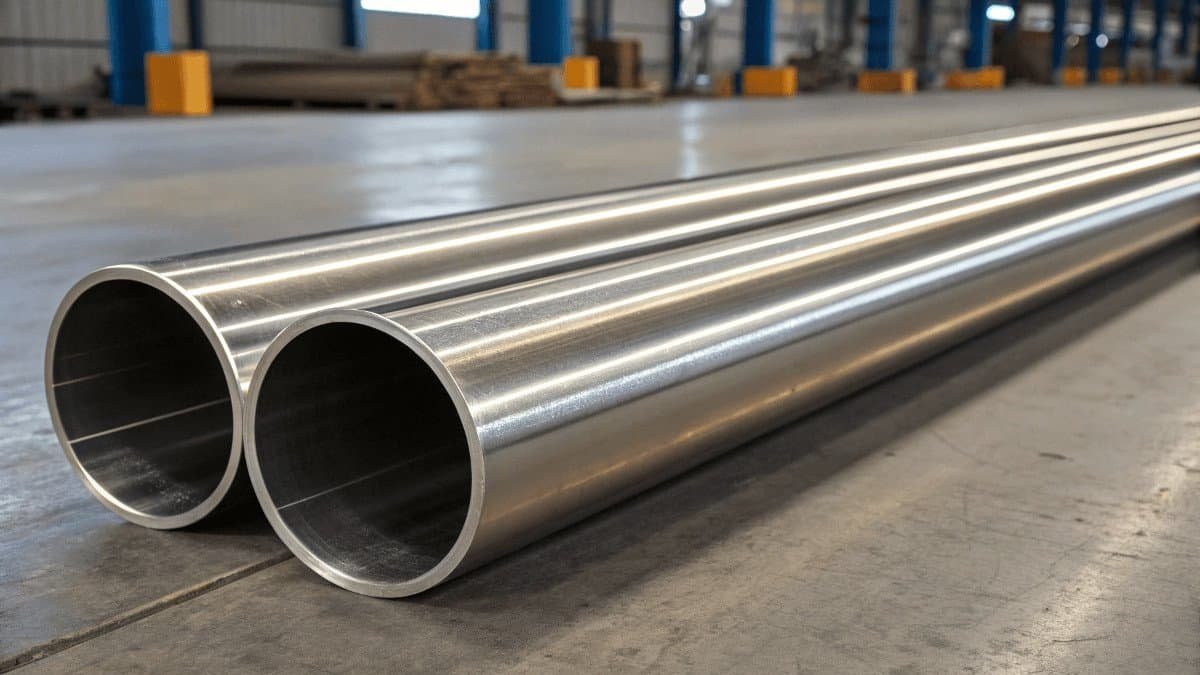
Many buyers underestimate how crucial understanding stainless steel strengths is. Misjudging material performance can lead to costly failures—but mastering it ensures safer, longer-lasting results.
Stainless steel strengths come from its unique composition, offering exceptional tensile strength, kháng ăn mòn, and heat resistance. These qualities make stainless steel ideal for construction, manufacturing, and heavy industries. Whether it’s 304 stainless steel or 316 thép không gỉ, each grade delivers durable, versatile performance for demanding environments.
Let’s explore how different stainless steel grades and properties make this metal a global industrial favorite.
What Is the Strength of Stainless Steel?
Before comparing stainless steel grades, it’s essential to understand what “strength” means. Strength refers to a material’s ability to resist deformation, nhấn mạnh, and tension under load—an essential factor in industrial applications.
Thép không gỉ yield strength typically ranges from 200 MPa đến 1000 MPa depending on the type. Its tensile strength can reach over 1000 MPa, making it stronger than most mild steels.
Different types of stainless steel—such as austenitic, ferritic, and martensitic—exhibit varying strength levels. Ví dụ, austenitic steels like 304 stainless steel are ductile yet strong, while martensitic types achieve higher hardness through heat treatment. This stainless steel strength comparison helps engineers and buyers match performance with project needs.
What Is the Tensile Strength of Stainless Steel?
Tensile strength determines how much pulling stress a metal can withstand before breaking. It is one of the most important stainless steel characteristics in terms of load performance.
The average tensile strength of 304 stainless steel is around 505 MPa, trong khi 316 stainless steel is around 515 MPa. Some hardened grades exceed 1000 MPa.
Steel’s exceptional characteristic strength of steel enables stainless alloys to withstand bending and cracking in harsh environments. When comparing steel vs stainless steel strength, stainless consistently outperforms steel in terms of corrosion resistance.That’s why stainless steel grades explained in engineering manuals often emphasize tensile values alongside yield limits.

How Does Corrosion Resistance Add to Stainless Steel Strengths?
Corrosion is one of the most significant threats to metal integrity. Over time, oxidation weakens structures and reduces load capacity.
The presence of chromium, typically greater than 10.5%, forms a self-healing oxide layer that prevents corrosion. This protective film keeps thép không gỉ strongths even in wet, acidic, or salty conditions.
Stainless steel vs carbon steel strength demonstrates how corrosion resistance is a hidden strength. Carbon steel rusts quickly, but stainless alloys remain structurally sound. Industries such as shipbuilding, chemical processing, and architecture rely on natural protection to extend component life, reducing replacements and downtime.
Is Stainless Steel 100% Rustproof?
It’s a common misconception that stainless steel never rusts. The truth is more nuanced and dependent on environmental factors.
No, stainless steel is not completely rustproof. Even top stainless steel grades can corrode slightly over time if exposed to excessive chlorides or if they are not properly maintained.
Tuy nhiên, consistent cleaning, proper storage, and surface finishing significantly reduce this risk. Marine environments frequently prefer 316 stainless steel because its molybdenum content improves corrosion resistance. Understanding the stainless steel strengths and weaknesses allows buyers to make more informed decisions and avoid costly surprises in harsh environments.
What Role Does Heat Resistance Play in Stainless Steel Performance?
Many metals lose their strength when heated, but stainless steel maintains much of its structural integrity even at high temperatures.
Most types of stainless steel grades can withstand continuous exposure to temperatures ranging from 600 to 800°C while maintaining strength and shape, whereas other metals soften.
This makes stainless steel suitable for heat exchangers, boilers, hệ thống ống xả, and kilns. When comparing stainless steel vs carbon steel strength, stainless steel frequently outperforms carbon steel in thermal environments due to its oxidation resistance and stability. These stainless steel characteristics explain why it is so widely used in the energy and automotive industries.
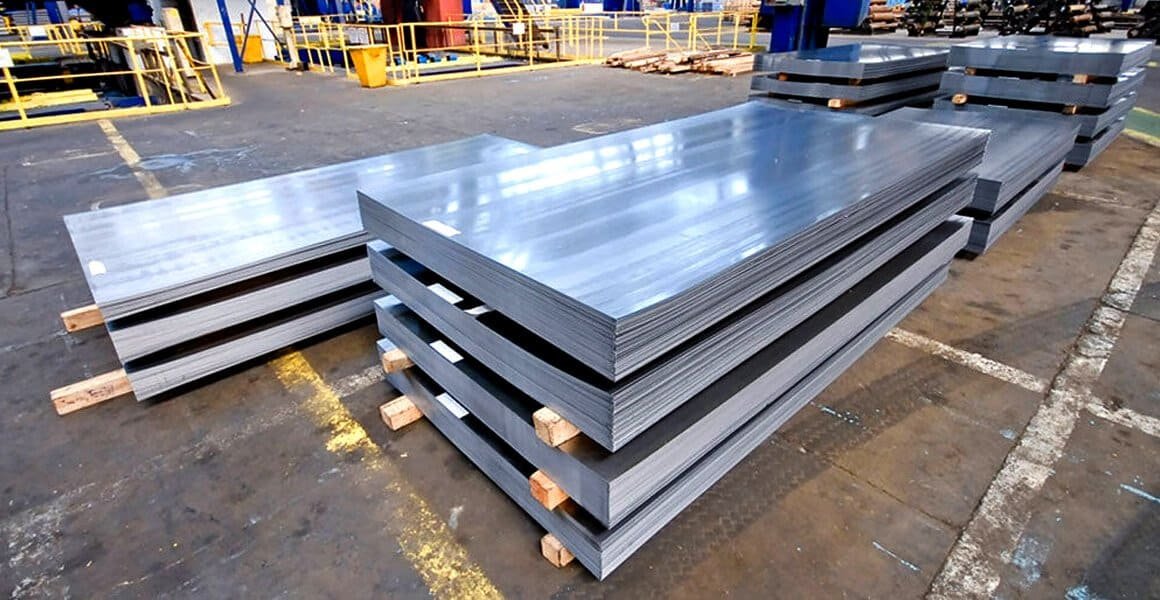
Why Are Stainless Steel Strengths Important for Construction and Manufacturing?
Material consistency, safety, and durability are essential components of any structure in construction and manufacturing. Weak metals require frequent maintenance and pose a risk.
Stainless steel strengths enable load-bearing designs while reducing weight. They extend the life of buildings, máy móc, và đường ống, even when exposed to harsh environmental conditions.
Bridges, façades, and precision tools all use different grades of stainless steel for specific applications. Ví dụ, 304 stainless steel is ideal for structural frames, whereas 316 stainless steel is suitable for chemical and coastal projects. These stainless steel advantages and disadvantages make it simple to tailor choices based on price versus performance.
How Do Stainless Steel Grades Affect Material Strengths?
The variation in stainless steel grades stems from differences in alloy composition—elements such as nickel, chromium, molybdenum, and carbon shape performance.
Types of stainless steel grades include austenitic, ferritic, martensitic, duplex, Và precipitation-hardening. Each has a unique yield and tensile strength profile.
Ví dụ, 304 thép không gỉ (an austenitic type) strikes a balance between weldability and corrosion resistance, whereas 430 thép không gỉ (a ferritic type) provides high strength at a lower price. Duplex grades offer the best of both worlds: high stainless steel yield strengths and superior stress corrosion resistance. These types of stainless steel grades serve a wide range of industries, including architecture and oil and gas.
Which Is Stronger, 303 or 304 thép không gỉ?
Engineers and buyers frequently compare 303 Và 304 thép không gỉ because they appear similar but behave differently.
304 stainless steel is stronger and more corrosion-resistant than 303 thép không gỉ, which is easier to machine due to its sulfur content.
In stainless steel strength comparison, 304 has superior mechanical properties and weldability. Tuy nhiên, 303 is popular in the fastener and fitting industry, where machinability is more important than tensile strength. The decision between them is based on whether your project prioritizes strength or fabrication efficiency.
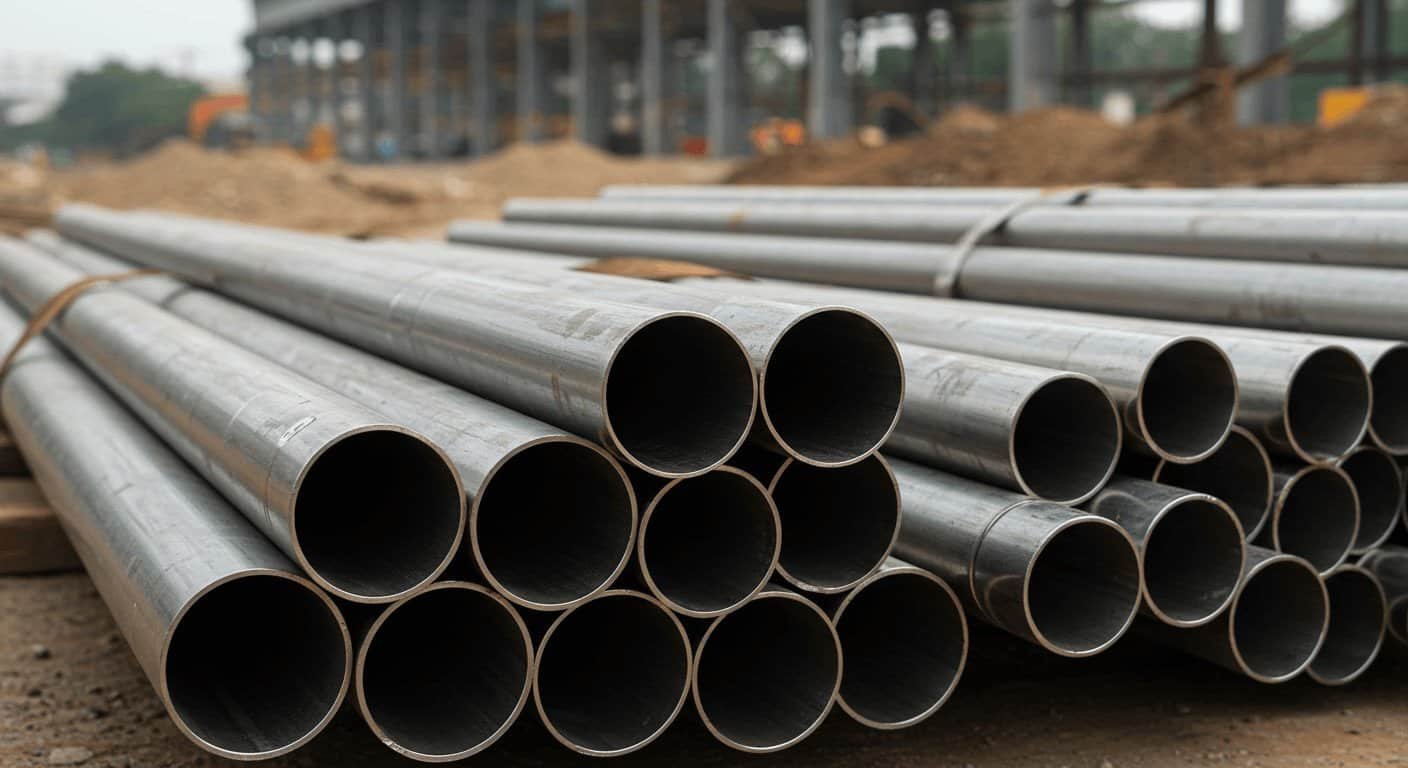
What Is the Best Grade of Stainless Steel?
There is no universally accepted definition of “best.” The appropriate stainless steel grade is determined by your environment, budget, and performance goals.
Among common stainless steel grades, 316 stainless steel is frequently regarded as the best all-around choice due to its corrosion resistance and dependable strength.
When people ask, “What are the 3 grades of stainless steel?” The standard answer is 304, 316, Và 430. These address the vast majority of industrial and consumer applications. Each serves a different purpose: 304 is for general use, 316 is for marine or chemical exposure, Và 430 is for low-cost interior structures. This diversity emphasizes the significance of the stainless steel grades explained for optimal material selection.
What’s the Main Disadvantage of Stainless Steel?
Despite its numerous advantages, stainless steel is not perfect. Every material has trade-offs.
The main disadvantages are a higher initial cost, difficult machining, and lower heat conductivity when compared to carbon steel.
These stainless steel advantages and weaknesses influence purchasing decisions. Ví dụ, fabricators may use carbon steel for low-cost projects but switch to stainless steel for long-term durability. Balancing stainless steel ratings with project requirements ensures a proper return on investment. Understanding the stainless steel advantages and disadvantages allows exporters, traders, and engineers to make more informed purchasing and application decisions.
Bản tóm tắt
Stainless steel’s strengths—tensile, corrosion, and heat resistance—make it ideal for industrial applications. Choose wisely among different grades of stainless steel to achieve maximum efficiency and longevity.