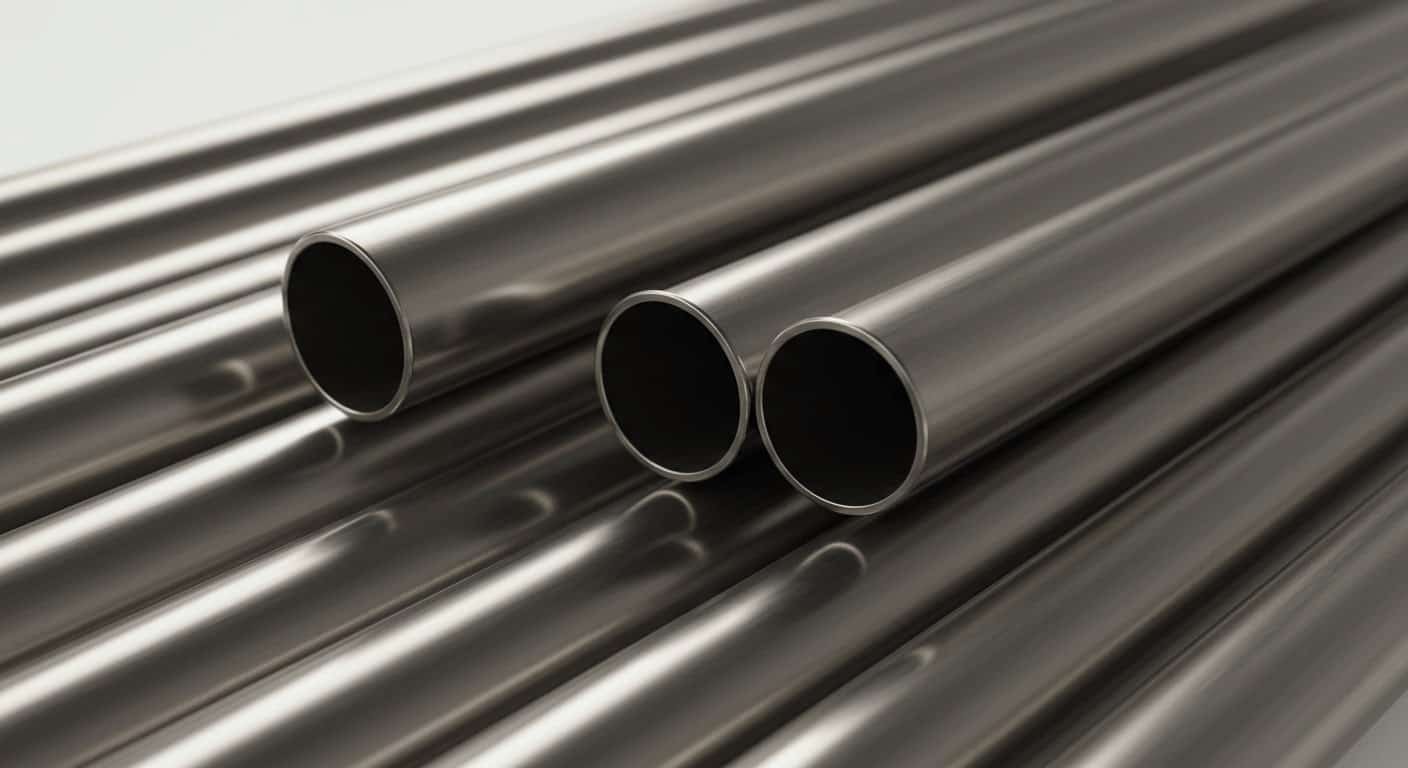
Choosing the right stainless steel can be confusing. The wrong grade may rust, deform, or fail under pressure. Let’s explore how to select the perfect type for your project.
What are the different types of stainless steel and which grade is best for your project? There are four main different types of stainless steel: austenitic, ferritic, martensitic, and duplex. Each grade offers unique strength, kháng ăn mòn, and weldability. Knowing these differences helps you match the right material to your specific application, ensuring quality and longevity in industrial and commercial use.
Now, let’s dive into the types of thép không gỉ and understand their properties, prices, and best practical applications.
What Are the 4 Types of Stainless Steel?
When discussing stainless steel grades, industries typically divide them into four categories based on their crystal structure and mechanical properties.
The four primary types of thép không gỉ are austenitic, ferritic, martensitic, and duplex. Each offers different advantages in strength, kháng ăn mòn, and cost.
While these four are the most well-known, some specialized industries may use additional variants for enhanced performance. The stainless steel grades chart illustrates how different types of stainless steel grades differ in composition, heat resistance, and corrosion behavior. Knowing these categories allows engineers to select the appropriate stainless steel material for any industrial, architectural, or commercial application.
What Is Austenitic Stainless Steel?
Austenitic stainless steel is the most popular and versatile type of stainless steel worldwide. It is well-known for its superior corrosion resistance, ductility, and weldability.
Containing high chromium and nickel content, this non-magnetic grade offers superior corrosion resistance and toughness across temperature ranges. It’s used in kitchenware, pipelines, and architectural structures.
The most common austenitic stainless steel grades are 304 and 316. Grade 304 is ideal for indoor stainless steel uses such as food processing and chemical storage, whereas 316 adds molybdenum to improve marine corrosion resistance. These grades are classified as ferrite free stainless steel, which ensures stability in acidic or chloride environments. The stainless steel composition of 304 (18% chromium, 8% nickel) allows for excellent formability and polish.
Semi austenitic stainless steel types provide greater hardness while maintaining ductility, making them ideal for specific applications. Their balanced stainless composition is ideal for demanding fabrication environments.

What Is Ferritic Stainless Steel?
Ferritic stainless steels are magnetic, inexpensive, and have moderate corrosion resistance, making them popular in the automotive and appliance industries.
Ferritic grades like 409 Và 430 contain low nickel content, offering a balance between affordability and durability for indoor and decorative applications.
Ferritic steels have a body-centered cubic structure and are ideal for heat-resistant applications like exhaust systems and industrial ovens. Although their stainless steel melting point is comparable to austenitic types (around 1400°C), their lower ductility prevents deep drawing. Nonetheless, this material, thép không gỉ, is widely used in applications where cost efficiency is more important than corrosion resistance, such as vehicle trim and home kitchen equipment.
What Is Martensitic Stainless Steel?
Martensitic stainless steel is known for exceptional hardness and strength, often used in knives, turbine blades, and surgical instruments.
It has higher carbon content, making it heat-treatable but slightly less corrosion-resistant than other stainless steel types.
Heat treatment can be used to harden grades such as 410 Và 420, providing excellent wear resistance and mechanical properties. Their distinct stainless steel types and properties make them ideal for cutting tools, valves, and pumps. Tuy nhiên, protective coatings are required in humid or marine environments.
The stainless steel composition contains chromium and carbon, allowing it to achieve high strength while maintaining edge retention, which is critical for engineering and defense components.
What Is Duplex Stainless Steel?
Duplex stainless steel combines the benefits of austenitic and ferritic structures, resulting in high strength and superior corrosion resistance.
It offers twice the yield strength of conventional austenitic steel and superior resistance to chloride stress cracking, perfect for offshore and marine environments.
Duplex grades, such as 2205, are highly valued in the oil, gas, and chemical industries. When comparing duplex vs super duplex, super duplex (such as 2507) provides even greater resistance and strength in highly corrosive environments. The stainless steel material is intended for applications that require both toughness and weldability.
Due to its dual-phase structure, duplex is one of the most dependable types of stainless steel for bridges, desalination plants, and marine structures.
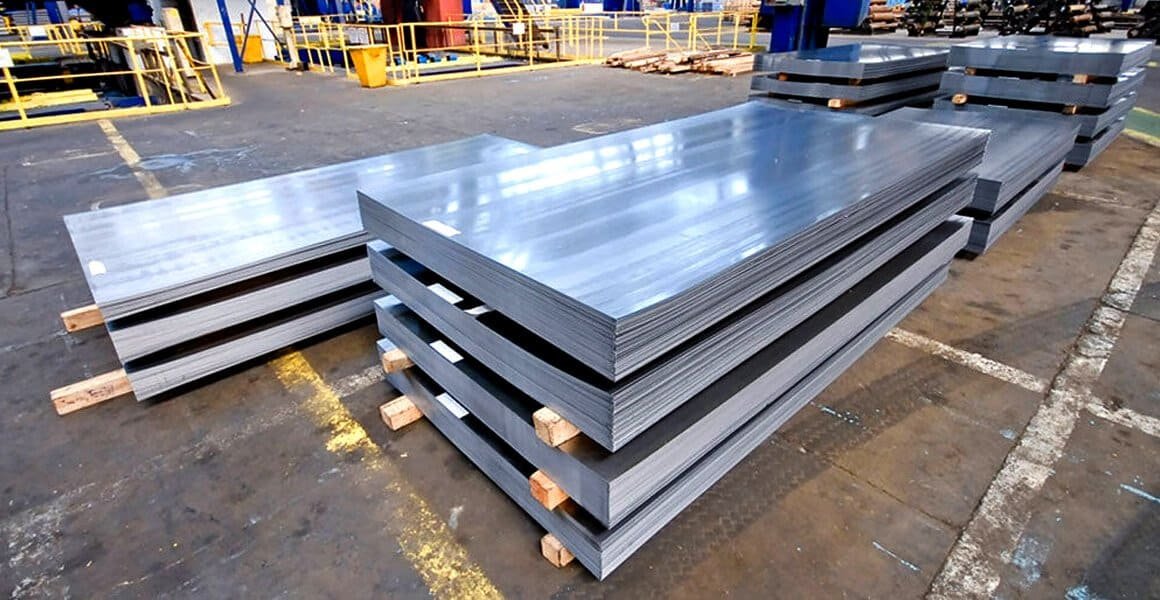
What Is the Cheapest Grade of Stainless Steel?
For projects with limited funds, cost is an important factor in determining the appropriate grade.
Ferritic stainless steels such as 409 Và 430 are the cheapest, offering reasonable corrosion resistance at a fraction of the cost of austenitic grades.
Although reasonably priced, these grades have limited weldability and formability. Their types of stainless steel grades make them ideal for decorative trim, exhaust parts, and interior fixtures. When selecting different types of stainless steel grades for mass production or construction projects, engineers must strike a balance between performance and cost.
What Is the Most Expensive Stainless Steel?
Some stainless steels are designed for extreme conditions that require precision and performance.
Duplex and high-alloy martensitic grades like 2507 or 440C are among the most expensive due to their alloying elements and manufacturing complexity.
Their superior stainless steel types and properties make them indispensable for aerospace, marine, and petrochemical projects. Although they are more expensive, their longevity and dependability often make the investment worthwhile. The stainless steel grades chart clearly shows that these materials have higher tensile strength and corrosion resistance than standard grades.
Which Grade of Stainless Steel Is Best?
Choosing the “best” grade is dependent on how and where the stainless steel will be used.
Grades 304 Và 316 are considered the best all-purpose options for their balance of corrosion resistance, weldability, and mechanical properties.
304 is appropriate for indoor environments, whereas 316 is better suited to marine and chemical exposure. The stainless steel grades chart confirms that these are the most reliable and long-lasting types of stainless steel grades. Their high stainless steel melting point ensures structural stability even under extreme heat, making them a leading choice for construction, pipelines, and food processing.

What Is the Best Grade of Stainless Steel for Outdoors?
Outdoor environments expose materials to humidity, pollution, and saltwater, all of which can lead to corrosion.
316 stainless steel is best for outdoor use due to its molybdenum addition, which resists rusting and pitting.
In harsher conditions, duplex grades such as 2205 or super duplex 2507 outperform even 316. These types of stainless steel offer superior corrosion resistance and mechanical stability for marine railings, facades, and bridges. Their stainless steel composition ensures durability and shine even in harsh environments.
What Is the Downside of Stainless Steel?
Despite its advantages, thép không gỉ is not suitable for all applications.
Its downsides include higher cost, stress corrosion cracking in certain conditions, and difficulty in machining or welding specific grades.
While austenitic stainless steel is extremely corrosion resistant, it loses strength at high temperatures. Regular maintenance is also required to keep the surface clean and contaminant-free. Understanding these challenges allows you to choose the best stainless steel material or apply protective coatings to increase service life.
How to Choose the Right Stainless Steel for Your Project?
Understanding the environment, strength requirements, and cost constraints are all necessary when choosing the appropriate stainless steel grade.
Use austenitic for general use, ferritic for affordability, martensitic for tools, and duplex for high-strength or marine conditions.
Before making a purchase, consult a stainless steel grades chart to compare corrosion resistance, hardness, và khả năng định hình. Always check the composition and certifications of stainless steel before production. Whether you work in construction, manufacturing, or trade, understanding the different types of stainless steel ensures you get the best value for your money.
Bản tóm tắt
Understanding the different types of stainless steel grades allows you to choose materials that will last longer, resist corrosion, and perform well in all industrial and commercial settings.