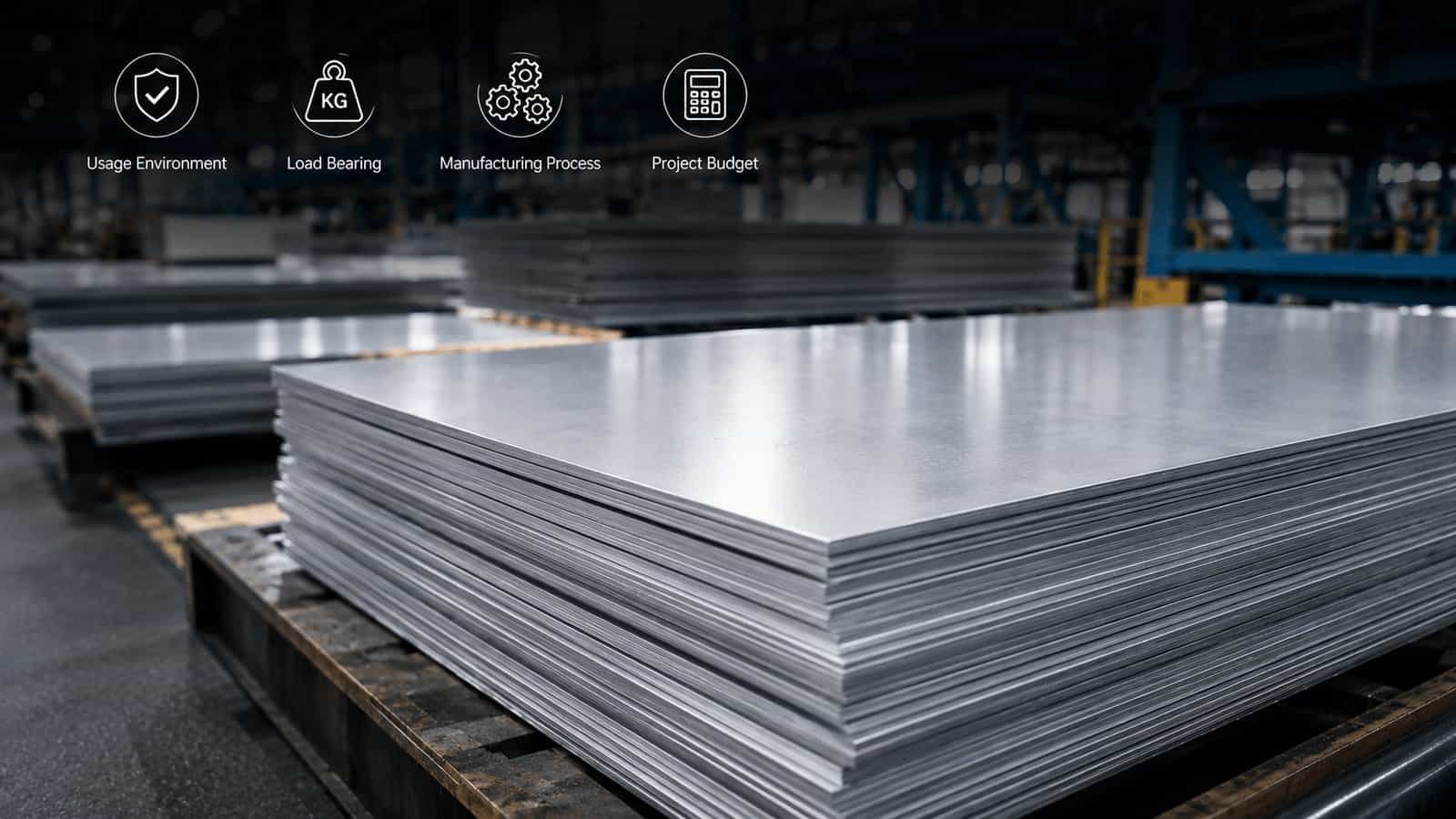
Choosing the wrong steel plate thickness can increase costs, reduce safety, and delay projects. Many buyers struggle to balance performance and budget, risking expensive mistakes.
Steel plate thickness directly affects strength, cân nặng, khả năng hàn, độ bền, và chi phí. The right thickness depends on load requirements, industry standards, environmental conditions, và ngân sách. By selecting the appropriate thickness and verifying specifications, buyers can improve project performance while avoiding unnecessary expenses and structural risks.
Understanding thickness specifications helps buyers make smarter purchasing and engineering decisions.
What Is Steel Plate Thickness and Why Is It Important?
Customers frequently consider price and delivery times before making purchases of steel products. But one of the most important elements influencing how well a project turns out in the end is the plate’s thickness.
Steel plate thickness, which is typically expressed in millimeters or inches, is the separation between a steel plate’s two surfaces. Sức mạnh, độ bền, cân nặng, and application compatibility are all directly impacted.
Thickness is a major factor in determining performance whether you are buying carbon steel plates, stainless steel plates, galvanized steel plates, or specialty alloy items. Nói chung, a thicker plate has better impact resistance and a higher load-bearing capability.
Choosing the wrong thickness for construction projects can jeopardize structural integrity. Excessive thickness can raise production costs and complicate processing in manufacturing applications.
Trước khi thực hiện mua hàng, buyers often check common steel plate thicknesses. Businesses can minimize expenses while preserving necessary performance levels by being aware of the thickness options that are available.
When designing a project, many engineers use a steel plate thickness chart to make sure that design specifications and industry standards are being followed. Selecting the right thickness early on lowers the possibility of later, expensive adjustments.
How Is Steel Plate Thickness Measured?
To guarantee product quality and adherence to project parameters, precise thickness measurement is crucial. Performance and safety can be impacted by even minor changes.
Millimeters, inch, calipers, ultrasonic gauges, or micrometers are commonly used to measure steel plates. The intended uses and production norms determine the thickness tolerances.
Steel plate thickness in mm is one of the most widely used standards in international trade. The majority of buyers from Southeast Asia, Trung Đông, and South America ask for measurements in metric units.
To assist consumers in selecting appropriate products, manufacturers typically offer a steel plate thickness chart in millimeters. The possible thickness ranges, along with the accompanying weights and dimensions, are listed in these charts.
Ví dụ, common steel plate thicknesses in mm may include:
| độ dày (mm) | Ứng dụng chung |
| 3 mm | Light fabrication |
| 6 mm | General construction |
| 10 mm | Structural components |
| 20 mm | Heavy machinery |
| 50 mm+ | Industrial and marine projects |
Tolerances for thickness are equally significant. Acceptable thickness variations are defined by international standards, bao gồm cả ASTM, TRONG, and JIS. To ensure compliance, buyers should always ask for inspection reports and mill test certificates.
How Does Steel Plate Thickness Affect Strength?
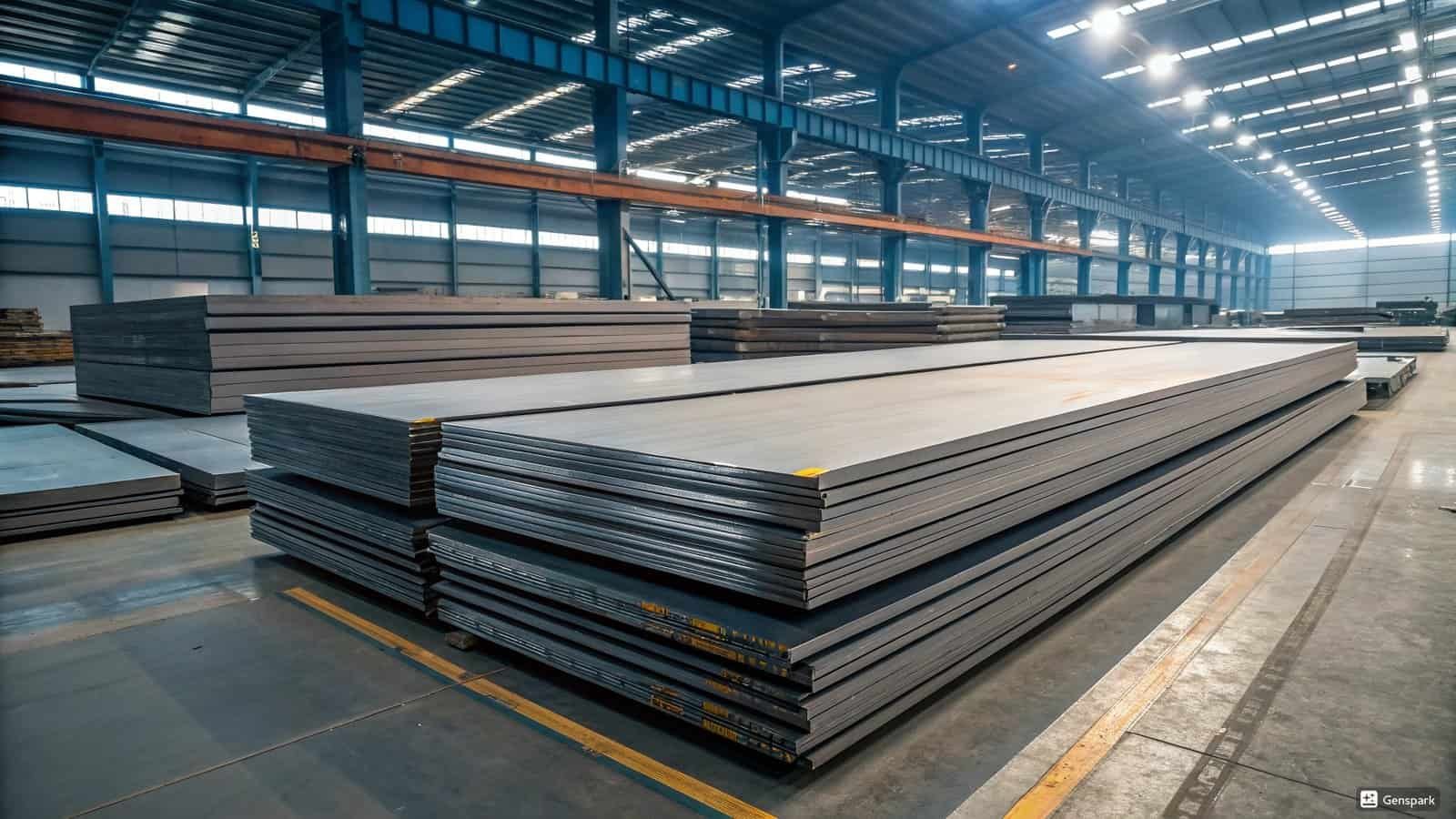
Industry-specific strength needs differ greatly. Customers can choose the best material by being aware of the connection between thickness and structural performance.
Nói chung, thicker steel plates are stronger and have a greater capacity to support loads. Tuy nhiên, strength is not solely determined by thickness; manufacturing quality and steel grade are also significant factors.
Engineers take steel plate thickness and material characteristics into account when calculating structural loads. A thicker plate helps lessen deformation under high loads and more efficiently distribute stress.
Choosing the right thickness guarantees sufficient safety margins for buildings, cầu, industrial machinery, and storage tanks. Bending, vết nứt, or early failure could result from using thinner plates than necessary.
But thicker doesn’t automatically equate to better. The cost of materials, shipping, and fabrication complexity are all increased by excessive thickness. To find the most cost-effective solution that still satisfies performance standards, engineers frequently utilize a steel plate thickness chart.
The goal of contemporary structural designs is to strike a balance between cost, sức mạnh, and efficiency. Businesses can attain optimal performance without going over budget by choosing the right plate thickness.
What Steel Plate Thickness Is Commonly Used in Construction Projects?
Different thicknesses are needed for construction projects according to building codes, environmental factors, and structural loads.
Steel plates with a diameter of 6 ĐẾN 50 mm are frequently used in construction applications. The project type, load requirements, and engineering criteria all affect the precise thickness.
Different standard steel plate thicknesses are frequently used in structural beams, cột, foundations, and support systems. While industrial facilities frequently require heavier sections, commercial ones may require thinner plates.
Some common construction thickness ranges include:
- 6 mm đến 12 mm for general structural fabrication
- 12 mm đến 25 mm for load-bearing components
- 25 mm đến 50 mm for heavy-duty industrial structures
- Above 50 mm for specialized infrastructure projects
Standard plate size alternatives and thickness parameters are often compared by construction organizations. Making the right choice guarantees effective resource use and less waste.
Hơn nữa, minimum thickness requirements are frequently specified by municipal building laws. Obtaining project clearances and guaranteeing long-term safety depend on adherence to these requirements.
How Does Steel Plate Thickness Influence Weight and Transportation Costs?
Particularly for foreign purchasers importing steel products, transportation costs account for a sizeable amount of overall procurement costs.
Steel plate weight increases proportionately with thickness, increasing the cost of handling, transit, storage, và cài đặt.
Steel plate thickness in millimeters is strongly related to weight calculations. The overall weight of a shipment can be greatly impacted by even slight thickness increases.
Ví dụ, Một 2000 x 6000 mm steel plate will weigh significantly more at 20 mm thickness than at 10 độ dày mm. This distinction affects:
- Ocean freight costs
- Truck transportation expenses
- Loading and unloading requirements
- Storage facility capacity
- Installation equipment needs
When assessing logistics expenses, many buyers consider both the thickness and size of steel plates. Bigger and thicker plates may cost more to ship and call for more durable handling equipment.
In order to maximize dimensions and thicknesses, importers that serve markets like Brazil, Argentina, Mexico, and Colombia frequently collaborate closely with nhà cung cấp. This method preserves project performance while lowering transportation expenses.
What Is the Relationship Between Steel Plate Thickness and Weldability?
Long-term dependability and structural integrity depend on high-quality welding. Welding processes and results are directly impacted by plate thickness.
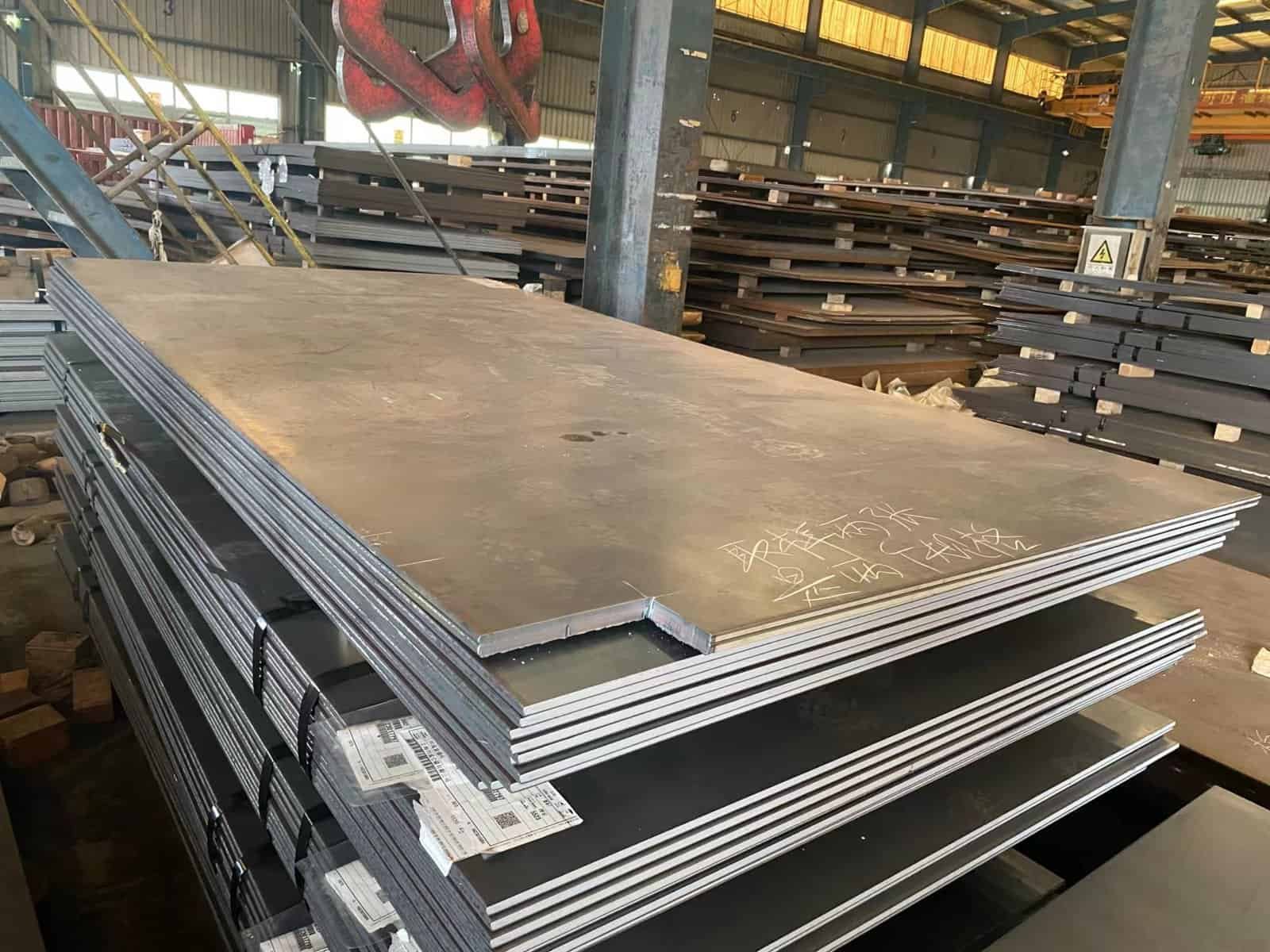
Welding is more difficult for thicker steel plates than for thinner ones because they need higher heat input, more welding passes, and more stringent quality control procedures.
To obtain adequate penetration, welders must apply more heat as thickness increases. Failing to do so could lead to structural flaws and weak joints.
Thicker plates often require:
- Preheating
- Multi-pass welding
- Post-weld heat treatment
- Advanced inspection procedures
When choosing steel plate thicknesses for fabrication projects, engineers must take weldability into account. Although thicker materials could be stronger, they might also result in longer production times and higher labor expenses.
Heavy machinery, dầu khí, đóng tàu, and other industries typically use thick plates that need specialist welding knowledge. Strength and fabrication efficiency can be balanced by selecting the appropriate thickness.
How Does Steel Plate Thickness Affect Corrosion Resistance and Service Life?
For projects subjected to severe environmental conditions, such as those used in outdoor, industrial, and maritime settings, durability is a key consideration.
When paired with appropriate protective coatings, thicker steel plates may frequently withstand greater material loss from corrosion, extending their service life.
Thickness affects durability even though surface protection and material composition are the main factors that determine corrosion resistance.
Before structural performance is jeopardized, a thicker carbon steel plate can resist corrosion for a longer amount of time.
This is especially important in environments exposed to:
- Saltwater
- Industrial chemicals
- High humidity
- Extreme weather conditions
Products made of stainless steel and galvanized steel have even greater kháng ăn mòn. To achieve the intended service life expectations, choosing the right steel plate thickness is still crucial.
Corrosion allowances are incorporated into the design of many infrastructure projects. To find appropriate thicknesses for long-term durability, engineers frequently refer to a steel plate thickness chart in millimeters.
What Industries Require Different Steel Plate Thickness Specifications?
Material specifications and thickness selection are influenced by the particular requirements of each industry.
Different steel plate thickness ranges are needed depending on operational requirements in industries like construction, đóng tàu, chế tạo, energy, vận tải, and mining.
Medium-thickness plates are frequently used in construction projects for structural purposes. Thicker plates that can handle dynamic loads and corrosive marine environments are necessary for shipbuilding industries.
For fabricated components and equipment enclosures, manufacturing enterprises could choose thinner plates. In the meantime, thick plates are commonly used in energy projects for storage tanks and pressure vessels.
Common industry applications include:
| Industry | Typical Thickness Range |
| Sự thi công | 6–50 mm |
| Shipbuilding | 8–100 mm |
| Manufacturing | 2–25 mm |
| Dầu & Khí đốt | 12–150 mm |
| Mining | 20–200 mm |
Buyers should evaluate both standard steel plate sizes and thickness requirements to ensure compatibility with project needs.
How Can Buyers Choose the Right Steel Plate Thickness for Their Projects?
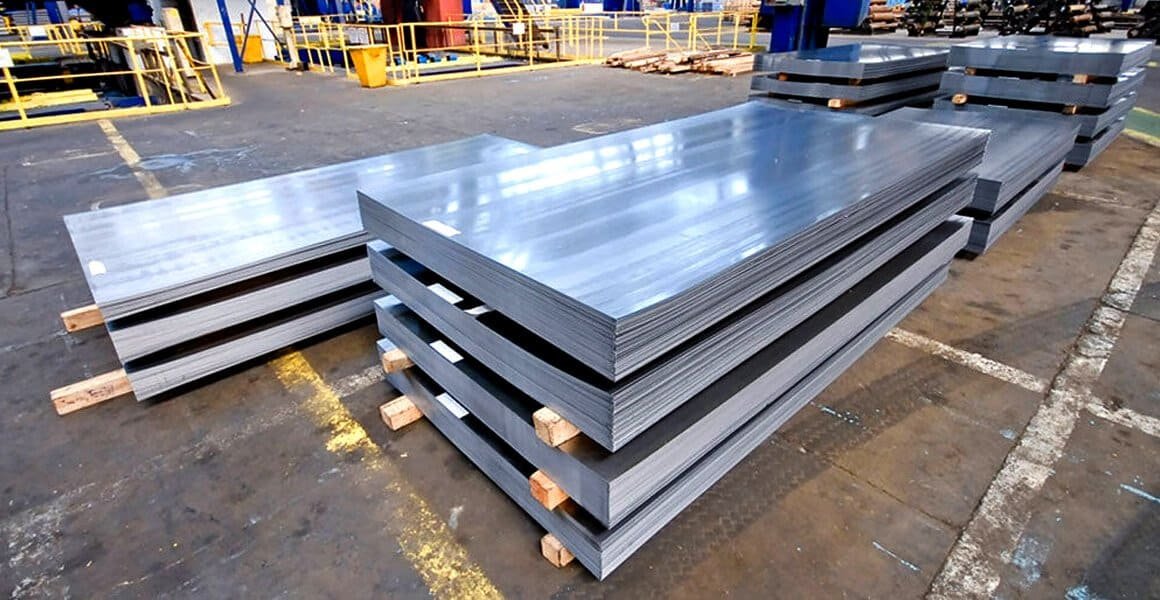
Engineering specifications, financial constraints, and operational expectations must all be balanced when choosing the optimal thickness.
Before selecting a steel plate thickness, buyers should consider load requirements, environmental circumstances, fabrication techniques, shipping costs, and industry norms.
A methodical strategy lowers procurement risks and enhances project results.
Key considerations include:
- Structural load requirements
- Environmental exposure
- Material grade
- Welding requirements
- Transportation costs
- Industry standards
- Project budget
Examining a steel plate thickness chart helps speed up the process of finding appropriate solutions. To confirm specs, buyers should also speak with suppliers and engineers.
Steel plate thickness and size should be taken into account when comparing products. Making a well-rounded choice is frequently more cost-effective than just picking the thickest alternative.
Assuring product quality, certification compliance, and dependable delivery schedules can also be achieved by collaborating with seasoned steel exporters.
What Mistakes Should Be Avoided When Selecting Steel Plate Thickness?
The underestimation or overestimation of thickness requirements by buyers is a common cause of procurement issues.
Ignoring engineering specs, concentrating solely on pricing, ignoring transportation expenses, and neglecting to confirm thickness tolerances are common errors.
Buying plates that are thicker than necessary is one of the most common mistakes. Although this might seem safer, it frequently raises expenses without offering significant advantages.
Other common mistakes include:
- Ignoring project specifications
- Failing to review mill certificates
- Overlooking welding requirements
- Neglecting corrosion considerations
- Choosing suppliers without quality control systems
Ngoài ra, buyers should confirm that the delivered goods meet the required steel plate thickness in millimeters. Before materials arrive at the project site, independent inspections can assist in finding inconsistencies.
Making better-educated purchasing decisions is made possible by comparing the typical steel plate sizes, thickness alternatives, and certifications that are accessible. Thorough planning reduces risk and promotes the long-term viability of a project.
Bản tóm tắt
Choosing the appropriate steel plate thickness increases cost-effectiveness, độ bền, và an toàn. To make well-informed purchase decisions, assess engineering requirements, speak with reputable suppliers, and utilize thickness charts.