Have you ever wondered if galvanized steel is safe when heated? The truth is, heating galvanized steel can pose serious health risks. Let’s explore what happens when zinc fumes are released and how to stay safe.
Is galvanized steel toxic when heated Heating galvanized steel releases toxic zinc fumes, causing metal fume fever and other health issues. To stay safe, ensure good ventilation, wear protective gear, and limit exposure. This article provides essential tips on how to handle galvanized steel safely.
Now, let’s dive into how galvanized steel is made, the risks associated with heating it, and the precautions you can take.
What is Galvanized Steel and How Is it Made?
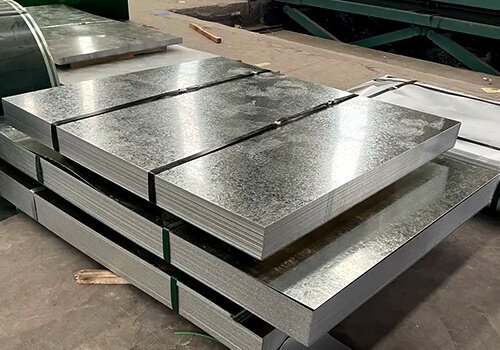
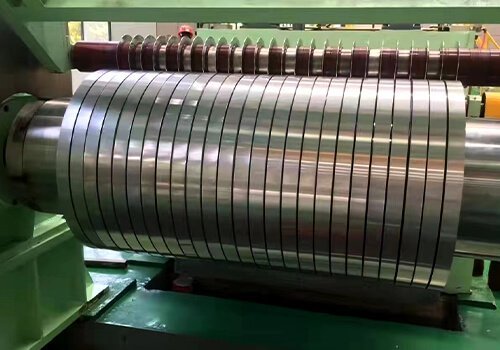
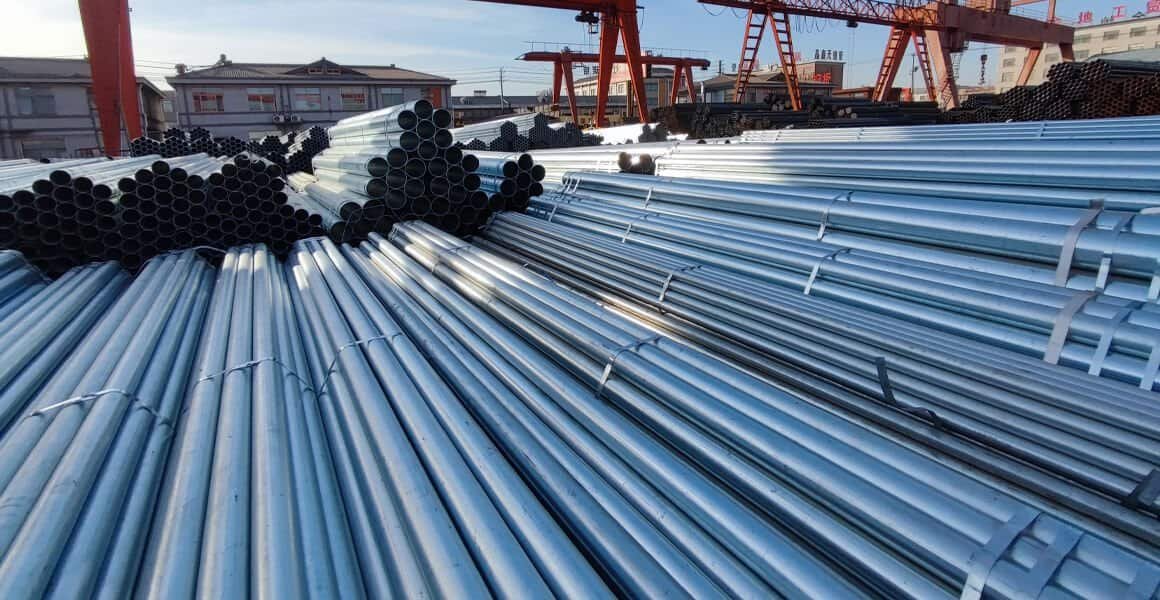
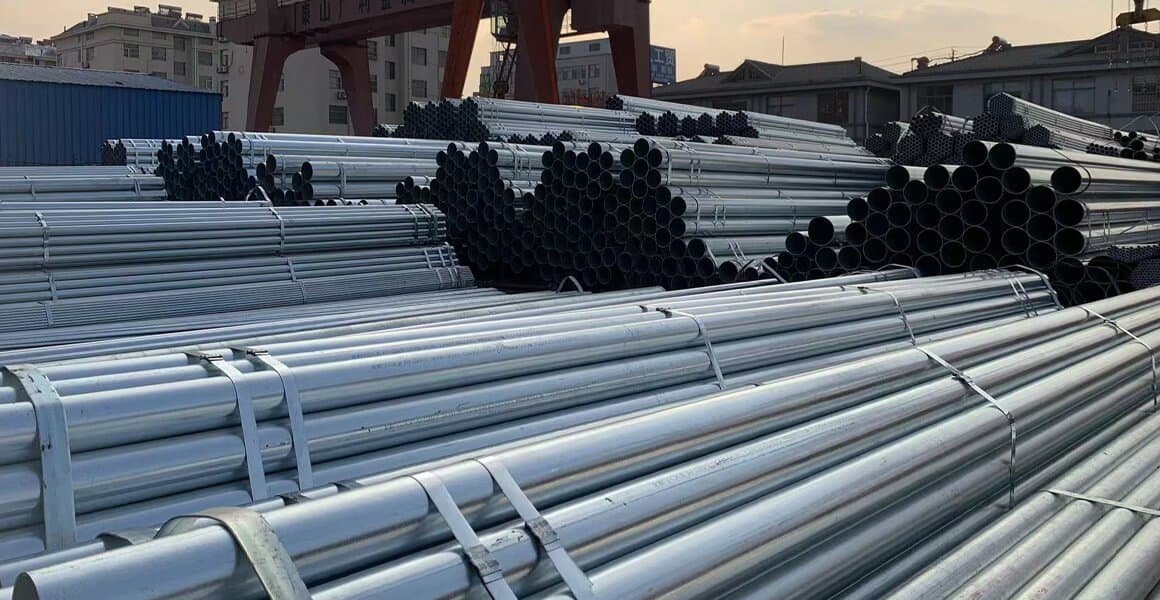
Thép mạ kẽm is steel coated with zinc to prevent corrosion. The galvanizing process involves immersing steel in molten zinc, which creates a protective layer. The zinc coating is essential for preventing rust and extending the steel’s life, making it ideal for outdoor use and harsh environments. Common applications include construction, phụ tùng ô tô, and household appliances.
Tuy nhiên, the zinc layer is not risk-free. When galvanized steel is exposed to high temperatures, the zinc begins to vaporize, emitting zinc fumes into the atmosphere. Zinc fumes are toxic when inhaled and can cause a variety of health issues.
What Are the Components of Galvanized Steel?
Steel and zinc are the primary components of galvanized steel. Steel provides strength and durability, while zinc coating prevents rust and corrosion. When the zinc layer is heated, it vaporizes and produces zinc oxide, which can be hazardous if inhaled.
The galvanizing process bonds the zinc to the steel, forming a strong protective barrier. Toxic vapors are released when the galvanized coating begins to burn off due to high heat exposure. This is why working with heated galvanized steel requires proper safety precautions.
In Which Industries Is Galvanized Steel Commonly Used?
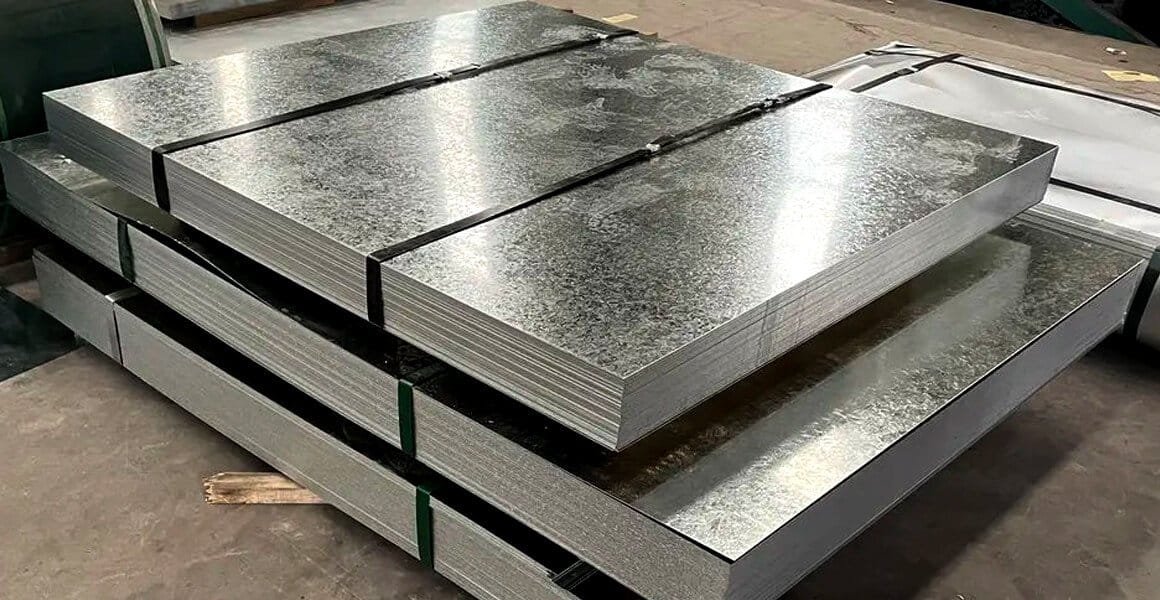
Galvanized steel is widely used across a variety of industries. Because of its resistance to corrosion, it is a popular material for structural elements, Tấm lợp, and gutters. Galvanised steel is also used in the automotive industry for parts that must withstand harsh environmental conditions, such as exhaust systems and chassis.
Other industries that use thép mạ kẽm include appliances, furniture manufacturing, and transportation. The zinc coating protects against rust, making galvanized steel a popular material in these industries. Tuy nhiên, as we will see, mishandling heated galvanized steel can pose a safety risk.
What Happens When Galvanized Steel is Heated?
When galvanized steel is heated, the zinc coating degrades and vaporizes, emitting zinc fumes into the atmosphere. These fumes contain zinc oxide, which is toxic if inhaled. Heating galvanized steel can occur accidentally or as part of a manufacturing process such as welding, cutting, or brazing.
At temperatures above 427°C (800°F), the zinc coating begins to burn away. This temperature threshold is critical because it determines when galvanized steel becomes toxic. The resulting zinc fumes can cause immediate health problems, especially in poorly ventilated environments.
Can Heating Galvanized Steel Release Toxic Zinc Fumes?
Đúng, heating galvanized steel produces toxic zinc fumes, which can have serious health consequences. When the zinc coating burns off, it produces zinc oxide, which is harmful if inhaled. Metal fume fever is a common condition caused by exposure to these fumes, with symptoms including fever, chills, headache, and muscle aches.
Zinc poisoning symptoms can vary from mild to severe, depending on the duration and intensity of exposure. If you work with galvanized steel that has been heated to high temperatures, you risk inhaling toxic fumes, which can cause long-term damage if exposed for an extended period of time.
What Are the Health Risks of Inhaling Zinc Fumes?
Inhaling zinc fumes can cause metal fume fever, a condition characterized by flu-like symptoms such as fever, chills, and nausea. These symptoms usually appear a few hours after exposure to zinc oxide fumes and can last for 24 ĐẾN 48 hours.
While metal fume fever typically resolves on its own, repeated or prolonged exposure can result in more serious health problems. Long-term exposure to zinc fumes can cause chronic respiratory problems and lung damage. Zinc oxide poisoning can also cause a variety of neurological symptoms, such as dizziness and confusion, so it is critical to exercise caution when working with heated galvanized steel.
How Long Does Metal Fume Fever Last?
The duration of metal fume fever is determined by the amount of exposure and the individual’s health. Trong hầu hết các trường hợp, symptoms will resolve within 24 ĐẾN 48 hours. Tuy nhiên, in more severe cases or after repeated exposure, recovery may take longer.
Metal fume fever is usually not life-threatening, but it can be uncomfortable and debilitating. Treatment for galvanized poisoning typically focuses on symptom management, such as rest and hydration. In some cases, medical intervention may be necessary, especially if symptoms persist or worsen.
How Can I Safely Work with Galvanized Steel?
To work safely with galvanized steel, take precautions, particularly when heating galvanized steel. First, make sure the area is well-ventilated to disperse the zinc fumes. Open the windows or use industrial-grade exhaust fans to help ventilate the workspace. If possible, work outside or in an area with good airflow to avoid inhaling harmful fumes.
Wearing the appropriate personal protective equipment (PPE) cũng rất cần thiết. This includes a respirator capable of filtering out metal fumes, gloves, and protective clothing. Taking these precautions reduces the risk of galvanized poisoning and helps you avoid the health risks associated with heating galvanized steel.
What Protective Equipment Should Be Used?
When working with galvanized steel, it’s critical to wear protective gear that keeps you safe from zinc fumes and the heated surface. This includes a respirator designed to filter out metal fumes. A full-face shield or goggles can protect your eyes from zinc fumes and molten material splashes.
In addition to respiratory protection, consider wearing protective gloves and long-sleeved clothing to avoid skin contact with hot galvanized steel. If you’re working in an enclosed space, make sure it’s properly ventilated or consider using an air-purifying system to remove harmful substances from the atmosphere.
Are There Safer Alternatives to Galvanized Steel for High-Temperature Applications?
If you’re concerned about the safety risks of heating galvanized steel, consider stainless steel as an alternative. Stainless steel is a corrosion-resistant material that does not emit toxic zinc fumes when heated. While stainless steel is typically more expensive than galvanized steel, it may be a safer choice for high-temperature applications or where zinc fumes are an issue.
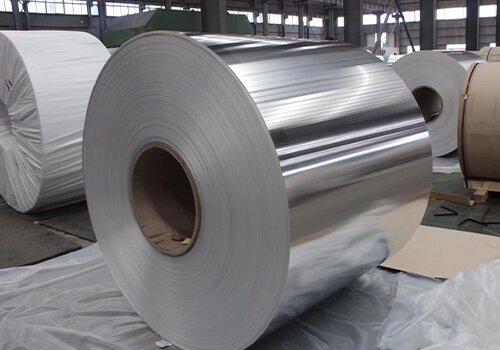
In addition to thép không gỉ, other materials such as nhôm and high-temperature alloys are frequently used in applications requiring heat resistance. These materials do not emit harmful zinc oxide fumes, making them safer than galvanized steel when exposed to high temperatures.
Bản tóm tắt
Heating galvanized steel can produce toxic zinc fumes, resulting in metal fume fever and other health risks. Take proper precautions by ensuring adequate ventilation, wearing PPE, and investigating safer material alternatives such as stainless steel.