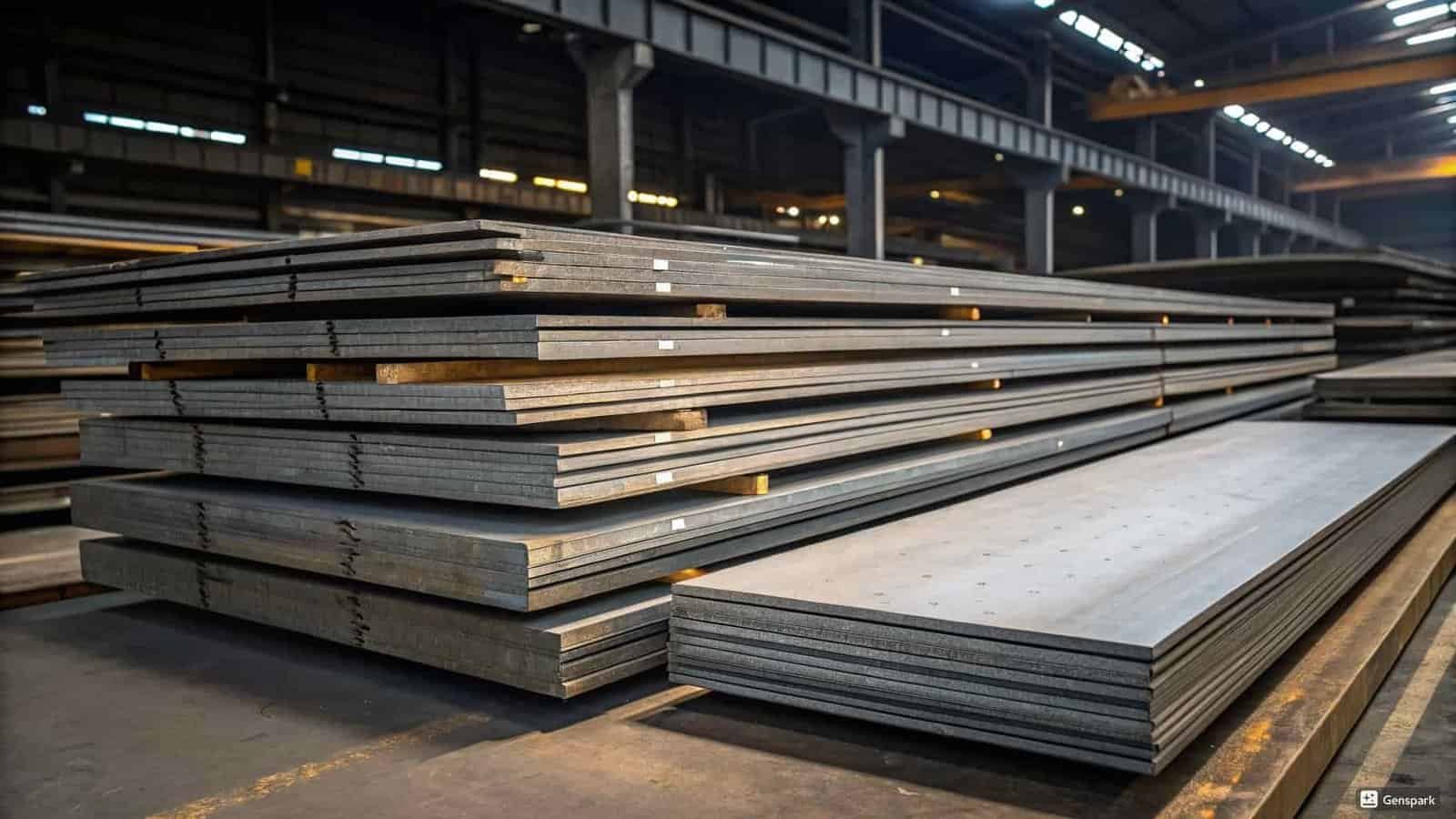
Understanding the thickness of 16 gauge steel is crucial for various applications. Confusing gauge numbers can lead to mistakes. Here’s a breakdown of its thickness and practical implications.
How thick is 16 gauge steel sheet? MỘT 16 gauge steel sheet measures approximately 0.0598 inch (1.52 mm) thick in carbon steel. For stainless steel, it is slightly thicker at 0.0625 inch (1.59 mm). These measurements follow the standard U.S. gauge system. The gauge defines steel thickness based on metal type, with each material having a different density.
Now, let’s dive deeper into various factors such as strength, bendability, kháng ăn mòn, and ideal applications for 16 gauge steel.
Why Does Steel Gauge Vary Between Materials?
Steel gauge is based on an old standardized system, which is not universally the same across all materials. Different metals, such as carbon steel, thép không gỉ, và nhôm, have unique density and structural properties, leading to different thicknesses for the same gauge number. This is a critical consideration when selecting materials for specific applications.
MỘT 16 gauge stainless steel sheet is slightly thicker than its carbon counterpart, because stainless steel is denser. The same gauge in aluminum, Tuy nhiên, would be thinner.
This variance in gauge can affect various industries such as construction, ô tô, và sản xuất. Understanding the gauge system helps prevent costly errors when ordering or manufacturing parts. Ví dụ, while a 16 gauge steel sheet might be ideal for automotive body parts, it would be unsuitable for heavy structural applications where thicker gauges are required.
How Is Steel Gauge Thickness Measured?
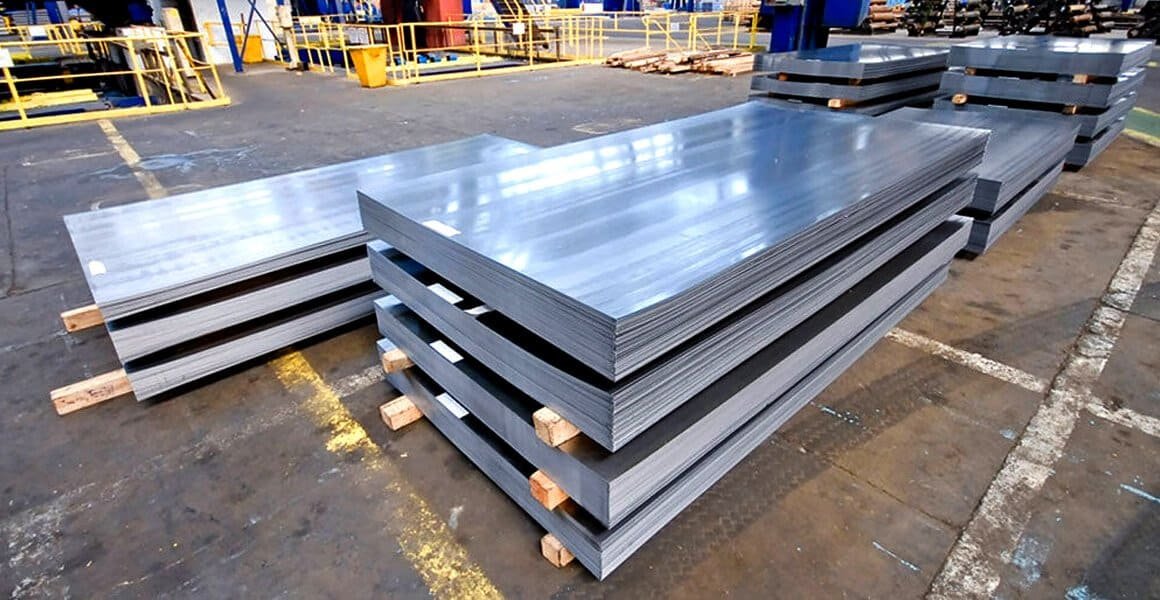
Steel thickness is measured by its gauge number, but the actual thickness varies based on the type of steel. Gauges are standardized, but there are differences between metals due to their varying densities. The U.S. standard for steel sheet metal defines the thickness of different gauges for a range of metals.
To measure 16 gauge steel, a micrometer or caliper is used. For Thép carbon, you should expect a thickness of 0.0598 inch (1.52 mm), while stainless steel may be slightly thicker.
Mill certificates or test reports are essential when sourcing steel. Always verify thickness using a micrometer or rely on certification from reputable suppliers, especially for large orders. Some suppliers provide a detailed specification sheet along with the product.
How Strong Is A 16 Gauge Steel Sheet?
Strength in steel depends on its composition and structure. 16 gauge steel offers sufficient strength for most applications but is not as strong as thicker gauges like 14 hoặc 12. Steel strength is also influenced by its alloy composition, such as the addition of chromium in stainless steel.
16 gauge steel is commonly used for structural parts in construction and automotive industries. Its strength is suitable for non-load bearing applications but can handle moderate stresses.
In construction, 16 gauge is often used for roofing panels and siding, while in the automotive sector, it may be found in panels and frames. For applications requiring heavy-duty strength, thicker gauges such as 14 hoặc 12 are recommended.
Will 16 Gauge Steel Bend?
Steel’s bendability depends on its thickness, độ dẻo, and the type of force applied. While 16 gauge steel is more flexible than thicker gauges, it can still bend under excessive stress.
16 gauge steel will bend if subjected to excessive force or intentional bending during manufacturing. It remains relatively rigid under normal loads.
In industries like automotive and metalworking, 16 gauge steel’s ability to bend makes it a suitable material for parts that require shaping. Tuy nhiên, if excessive load is applied, it will not retain its original shape, and thicker materials may be more appropriate for heavy-duty applications.

What Is A 16 Gauge Best For?
16 gauge steel strikes a balance between weight, sức mạnh, và tính linh hoạt, making it an ideal choice for various applications in industries such as construction, ô tô, and home improvement.
16 gauge steel is used in construction for roofing panels, in automotive for vehicle body parts, and in kitchens for countertops. It is versatile and widely available.
In construction, mạ kẽm 16 gauge steel is preferred for its corrosion resistance. In kitchens, stainless steel versions are commonly used due to their durability and ease of cleaning. For automotive, this gauge strikes a balance between flexibility and strength.
Does 16 Gauge Steel Rust?
Rusting depends on environmental factors and the type of steel. Bare carbon steel rusts more easily than mạ kẽm or stainless steel.
16 gauge carbon steel will rust if exposed to moisture, while galvanized and stainless versions are much more resistant to corrosion.
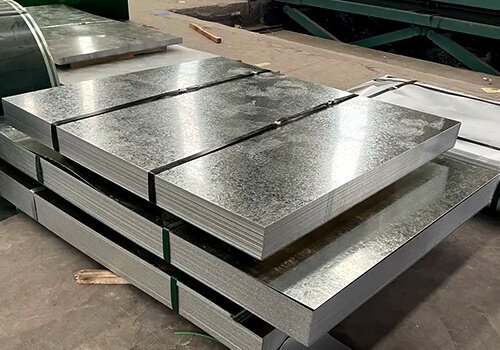
Galvanized steel has a zinc coating that provides protection against rust, while stainless steel contains chromium that forms a protective oxide layer. Choosing the right type of steel depends on environmental conditions and specific requirements for corrosion resistance.
What Gauge Is Stronger, 14 Or 16?
The lower the gauge number, the thicker and stronger the steel. Thus, 14 gauge is stronger than 16 gauge due to its increased thickness.
14 gauge steel is thicker and stronger, but also heavier and more expensive. For heavier applications, 14 gauge is preferred.
Choosing between 14 Và 16 gauge depends on the application. For lightweight construction or body panels, 16 gauge is ideal, trong khi 14 gauge is better for structural parts that need more strength.

What Is 16 Gauge Steel Used For?
16 gauge steel is commonly used for construction, ô tô, and household applications due to its balance of strength and flexibility.
It is commonly found in roofing, siding, automotive body parts, and even kitchen appliances like sinks and countertops.
Ví dụ, construction often uses 16 gauge galvanized steel for exterior panels due to its durability. Thép không gỉ 16 gauge is used for kitchen applications because it resists corrosion and is easy to clean. In automotive, it’s used for body panels.
How Do You Choose Between 16 Gauge And Other Thicknesses?
Choosing the right gauge involves considering strength, weight, and application needs. Thicker gauges offer more strength but are heavier and more expensive.
Use 16 gauge for a balance between strength and weight. For heavy-duty applications, choose 14 gauge, trong khi 18 gauge works for lightweight, cost-sensitive projects.
Ví dụ, in roofing, 22 gauge steel is common for residential construction, trong khi 12 gauge is often used for structural support. Selecting the appropriate gauge depends on the load-bearing requirements and environment.
Bản tóm tắt
16 gauge steel is an ideal thickness for various applications, balancing strength, trị giá, and weight. It is versatile and used in construction, ô tô, and household products.