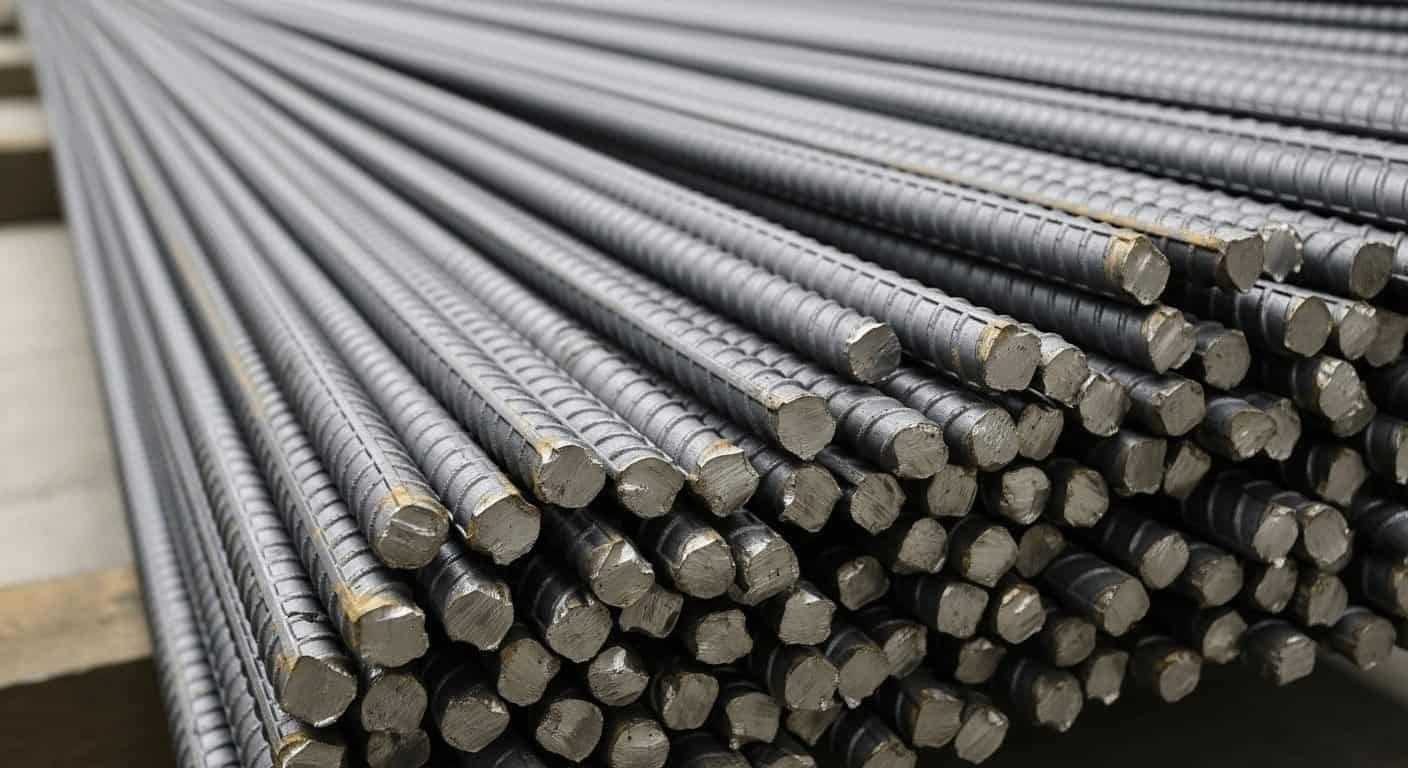
Choosing the wrong rebar size can weaken structures or inflate costs. Many buyers struggle with specifications. Understanding the right reinforcement bar selection prevents risk and saves money.
How do reinforcement bar sizes affect construction strength and cost? Reinforcement bar sizes directly determine structural strength, crack resistance, and project cost. Selecting the correct size depends on load requirements, design codes, rebar diameter, spacing, and budget. By using a rebar size table and verifying steel rebar sizes against international standards, contractors can ensure safety, độ bền, and cost efficiency.
Let’s explore how different reinforcement bar sizes impact your construction decisions.
What Are Standard Reinforcement Bar Sizes in Construction?
Before investing in any reinforcing bar, contractors need to be aware of the standards and requirements that are frequently utilized in various marketplaces.
Although they differ by nation, tiêu chuẩn reinforcing bar sizes typically adhere to ASTM, BS, or GB standards. While reinforcing bar sizes in millimeters usually range from 6 ĐẾN 40, common rebar sizes in inches range from #3 ĐẾN #11. Accurate selection is ensured by using a trustworthy rebar size table.
Steel rebar sizes in the US are denoted by numbers that correlate to particular diameters, chẳng hạn như #3, #4, #5, vân vân. Ví dụ, the nominal rebar diameter of #4 rebar is 1/2 inch. To verify measures, many purchasers consult a rebar diameter chart.
Steel bar dimensions in millimeters and inches are frequently compared side by side in global marketplaces, particularly in Asia and South America. Ví dụ, 12mm is about equal to #4 Cải nên. For importers and exporters working on international projects, it is essential to comprehend both systems.
Ordering errors are also decreased by using a standardized rebar size table, particularly when transitioning between metric and imperial systems.
How Do Reinforcement Bar Sizes Impact Load-Bearing Capacity?
The diameter and spacing of the embedded steel reinforcement have a significant impact on the structural strength of concrete.
Greater cross-sectional area from larger reinforcement steel bar diameters boosts the material’s tensile strength and load-bearing ability. The performance of the structure is directly impacted by the diameter of the reinforcement bars, particularly in beams and columns that are subjected to high loads.
Concrete is weak in tension yet strong in compression. Steel reinforcement sizes become crucial in this situation. The tensile resistance of a bar increases with its thickness. Increasing rebar diameter must, Tuy nhiên, be in line with structural predictions.
To calculate the proper bar size, engineers use structural calculations and a thorough rebar diameter table. Oversizing may not always improve performance if spacing or bonding is affected.
Larger steel reinforcing bars are frequently needed for high-load applications like bridges or tall buildings. On the other hand, lower rebar diameters might be used for sidewalks and slabs.
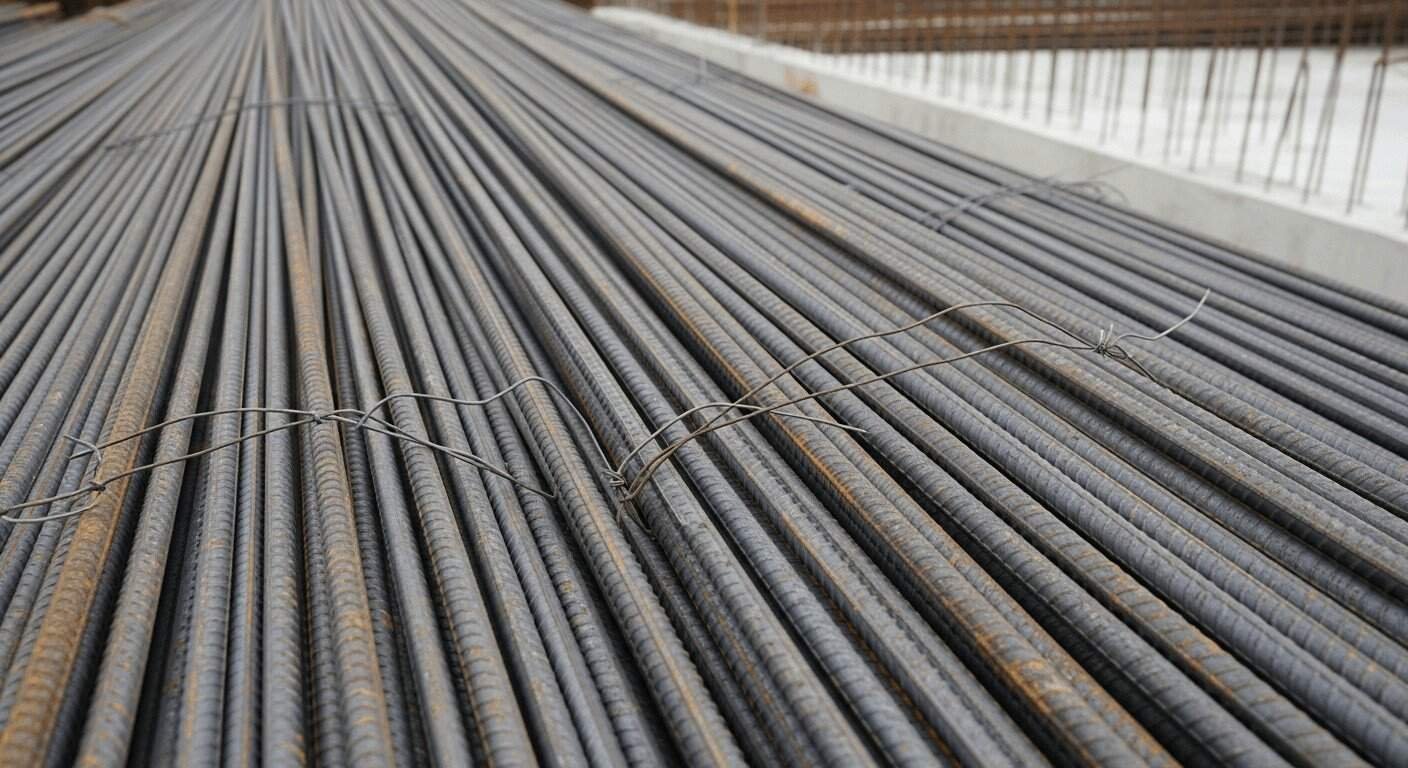
Which Reinforcement Bar Sizes Are Best for Residential Projects?
When selecting rebar for residential construction, safety, affordability, and ease of installation must be balanced.
#3, #4, Và #5, or 10mm to 16mm reinforcing bar diameters in mm, are typical rebar sizes for the majority of homes. These are reasonably priced and offer enough strength for slabs, dầm, and foundations.
Depending on the load requirements and soil conditions, #4 hoặc #5 reinforcing bar is usually used for home foundations. Smaller steel rebar diameters are frequently used in slabs, spaced in accordance with technical guidelines.
Using the appropriate rebar diameter and spacing is ensured by consulting a rebar size table. Large steel reinforcement sizes are more frequently needed in commercial or industrial buildings than in residential projects.
Residential projects are highly sensitive to cost. Thus, choosing the right standard reinforcement bar sizes aids in keeping material costs under control while upholding safety regulations.
How to Choose Reinforcement Bar Sizes for Commercial Buildings?
Because of their complicated designs and higher occupancy loads, commercial buildings require stronger structural systems.
Engineering consideration of load, span, and seismic conditions is necessary for choosing reinforcement bar sizes for commercial constructions. It is frequently required to use larger steel reinforcement bar sizes, chẳng hạn như #6 ĐẾN #11 or 20mm to 40mm.
In contrast to residential construction, commercial buildings could need larger steel reinforcement bars for their beams and columns. The diameter of reinforcement bars must meet structural design codes such as ASTM A615 or equivalent standards.
Project managers frequently consult a rebar diameter chart and technical documentation to verify specifications. Using the wrong bar size could lead to compliance issues or structural risks.
Proper supplier coordination also ensures consistent steel rebar sizes, accurate mill test certificates, and timely shipment—especially important for international buyers.
Do Larger Reinforcement Bar Sizes Always Mean Better Strength?
Larger rebar isn’t always a sign of sturdier construction, despite what many buyers believe.
Although oversizing can lower bonding efficiency and raise costs, larger rebar diameters increase tensile strength. The appropriate rebar diameter is determined by proper design rather than just selecting the biggest size that is available.
Both the diameter and spacing of the rebar affect structural performance. Concrete may not flow correctly if bars are too thick and too close to one another, which would weaken the bond.
When figuring out the ideal steel reinforcement sizes, engineers consult rebar size tables and code criteria. Strength, longevity, and cost effectiveness are guaranteed by a well-balanced design.
Thus, choosing the appropriate reinforcement bar sizes requires engineering accuracy rather than guesswork.

How Do Reinforcement Bar Sizes Affect Construction Costs?
The choice of rebar has a big impact on the overall cost of materials and logistics for building projects.
Larger steel rebar diameters result in increased material weight, handling complexity, and transportation expenses. Using a rebar diameter chart to determine the proper reinforcement bar sizes maximizes project budget and structural integrity.
Higher raw material usage is associated with larger steel reinforcing bar diameters. Hơn nữa, stronger cutting and bending tools might be needed for thicker steel.
Increased tonnage also results in higher shipping costs. Knowing steel bar dimensions in millimeters and inches helps exporters avoid expensive conversion errors and guarantee accurate quotes.
Buyers can match financial goals with performance requirements by comparing choices in a rebar size table.
What Reinforcement Bar Sizes Are Required by International Standards?
Large infrastructure projects and international steel trade both depend on adherence to international norms.
Standard reinforcing bar sizes are defined by several nations using ASTM, BS, or GB codes. Steel reinforcement sizes must fulfill project specifications and certification standards, according to buyers.
While metric reinforcing bar sizes in mm are used in other regions, ASTM A615 specifies standard rebar sizes in inches.
Exporters must submit mill test certificates confirming the diameter, yield strength, and chemical makeup of the rebar prior to shipment.
In addition to ensuring compliance, using a confirmed rebar size table helps to prevent expensive project delays brought on by unsuccessful inspections.
How to Verify the Quality of Different Reinforcement Bar Sizes?
Buyers are shielded against structural failure and monetary loss by quality assessment.
Measure the actual rebar diameter, compare the weight per meter to a rebar diameter chart, and validate certification in order to certify the diameters of the steel reinforcing bars. Testing guarantees adherence to the necessary criteria for the sizes of reinforcement steel bars.
Surface analysis, tensile strength tests, and dimensional inspections are all part of inspection. The declared parameters must be met by the reinforcing bars’ measured diameter.
Customers should check supplied materials against authorized samples and the official rebar size table. Third-party inspection reports are also offered by trustworthy suppliers.
This procedure guarantees project safety and reduces dangers associated with uneven steel rebar diameters.
What Are the Common Mistakes When Selecting Reinforcement Bar Sizes?
Price-driven decisions or inadequate technical appraisal are the main causes of purchase errors.
Ignoring the proper bar size, neglecting to check the rebar diameter, and failing to notice the distinctions between metric reinforcement bar sizes in mm and rebar sizes in inches are common errors.
Without verifying that the steel reinforcement sizes correspond with project plans, some purchasers merely consider the price per ton. Others make inaccurate conversions because they neglect to check the rebar diameter chart.
Confusion between steel bar diameters in millimeters and inches can also result from miscommunication in international trade. Delays and expensive reorders can be avoided with careful documentation inspection.

How to Ensure Timely Delivery of Reinforcement Bar Sizes for Large Projects?
In order to prevent building delays and lost sales seasons, timely delivery is essential.
The timely delivery of necessary steel reinforcement bar sizes is ensured by consistent manufacturing capacity, precise confirmation of reinforcement bar sizes, and clear logistical planning.
Approved steel rebar sizes must be consistently supplied for large projects. Production bottlenecks or shipping congestion might cause delays.
Prior to dispatch, buyers should verify manufacturing schedules, packing specifications, and documentation. Errors are decreased when orders are exactly matched with a verified rebar size table.
Reputable exporters with global market experience know how to effectively manage production, điều tra, and overseas shipping.
Bản tóm tắt
Choosing the correct reinforcement bar sizes ensures structural safety, cost control, and compliance. Use verified rebar size tables, confirm standards, and work with reliable suppliers for success.