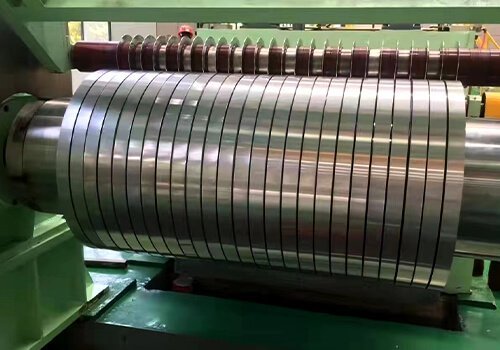

Are you unsure about what “galvanized metal” actually means? Whether you’re buying materials for construction or manufacturing, understanding galvanized steel can save you time and money by ensuring you choose the right products.
What does galvanized metal mean? Galvanized metal refers to steel or iron coated with a protective layer of zinc to prevent corrosion. This process, known as galvanizing, extends the material’s lifespan, making it ideal for construction, автомашин, and outdoor applications.
Now, let’s explore galvanized steel, its applications, and why it’s such a popular material in various industries.
What Is Galvanization?
Galvanization is the process of coating steel or iron with a thin layer of zinc to prevent corrosion. This method significantly increases the material’s durability, particularly in environments prone to moisture or chemicals.
The most common method of galvanizing is hot-dip galvanizing, which involves immersing the metal in molten zinc. This process forms a tough, protective layer that protects the metal from rust and degradation.
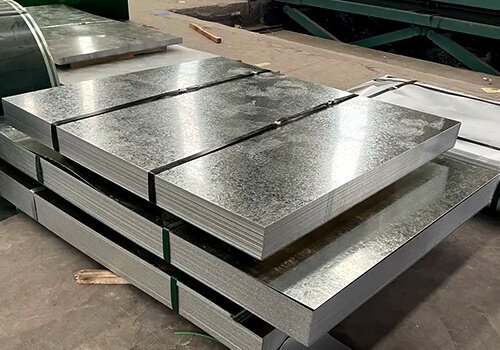
Galvanized steel metal is used in a wide range of industries, particularly construction and automotive. The zinc coating creates a physical barrier against water and oxygen, the primary causes of corrosion.This makes galvanized steel sheets the preferred material for structural components, pipes, and even machinery parts that must withstand harsh environmental conditions.

Why Is Galvanized Metal Used?
Why do industries use galvanized steel? The main reason is its resistance to corrosion, which makes it ideal for applications requiring long-term performance in harsh outdoor or chemical environments.
Galvanized steel is ideal for outdoor use because its zinc coating prevents rusting, allowing it to withstand weather, moisture, and even acidic environments for years.
Galvanized steel protects roofs and fences better than untreated metal. It is also used for piping in construction, automotive parts, and agricultural machinery. Whether exposed to rain, цас, or harsh industrial chemicals, galvanized metal remains strong and dependable.
How Does Galvanization Affect Metal’s Strength and Durability?
The galvanizing process adds a protective layer of zinc to metals, significantly increasing their strength and durability. This layer prevents rusting and protects the metal from environmental degradation, extending its life.
Galvanized steel’s properties, such as corrosion resistance and wear and tear resistance, are improved by coating it with zinc. This makes it an excellent choice for structural applications.
Galvanized steel metal can last for decades without significant deterioration, making it an excellent choice for industries that require long-lasting materials. Galvanized steel, for example, can withstand exposure to environmental elements such as rain, цас, and high humidity. Galvanized steel sheets also require less frequent maintenance, which increases cost-effectiveness.
What Are the Common Applications of Galvanized Metal?
Where is galvanized steel widely used? Galvanized metal is ideal for a variety of industries and applications due to its high resistance to corrosion.
Galvanized steel is the preferred material for projects that require long-lasting, corrosion-resistant materials, including roofing, fencing, and structural components.
Galvanized steel is used in the construction of metal roofing, cladding, gutters, and framing. Fence posts, equipment, and machinery parts are common in the automotive and agricultural industries. The ability of galvanized steel for outdoor use to withstand weather conditions makes it the ideal material for any application that requires prolonged exposure to the elements.
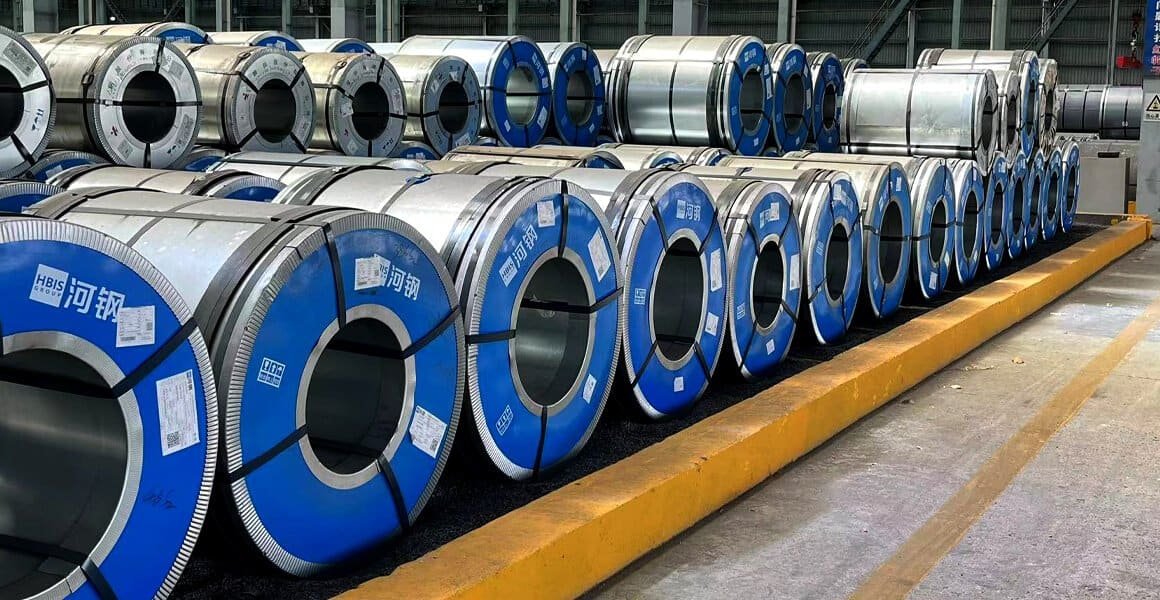
What Is the Downside of Galvanized Steel?
While galvanized steel is highly corrosion resistant, it is not without drawbacks. Let’s look at some of the potential drawbacks of using galvanized steel.
The most common issue with galvanized steel is the possibility of white rust if the coating is damaged or exposed to too much moisture. ТАДСАД, it is more difficult to weld than other metals.
When galvanized metal sheets are exposed to moisture and poor ventilation, white rust may form. This causes deterioration of the zinc coating, compromising its protective properties. Цаашлаад, galvanized steel is less flexible than materials such as aluminum, and welding can be difficult due to its coating. As a result, galvanized steel may not always be the best material for complex fabrication projects.
Does Galvanized Steel Rust?
Will galvanized steel rust? Galvanized steel is designed to be highly resistant to rust, but it can still rust under certain conditions.
Galvanized steel is coated with a layer of zinc to prevent rust, but the coating can be damaged, allowing rust to form on the metal beneath.
If the zinc coating on galvanized steel is scratched or damaged, rust can form on the exposed metal. Цаашлаад, prolonged exposure to harsh chemicals or moisture may cause the coating to degrade. While galvanized steel for outdoor use is highly resistant to corrosion, it is not completely damage-proof.
Is Galvanized Steel Better Than Stainless Steel?
Which material is better: galvanized steel or зэвэрдэггүй ган? Both are highly corrosion resistant, but their characteristics and costs differ.
Stainless steel provides superior corrosion resistance in extreme environments, but galvanized steel is less expensive, making it a better choice for many construction and manufacturing applications.
Stainless steel is ideal for extremely corrosive environments, such as those found in the marine or chemical industries. Гэсэн хэдий ч, galvanized steel is a less expensive alternative that still provides excellent corrosion resistance for applications such as fencing, roofs, and automotive parts. The choice is based on your budget and the level of corrosion resistance required for your project.

Is Galvanized Steel Suitable for Outdoor Use?
Can galvanized steel withstand the elements? Galvanized steel is an excellent choice for outdoor applications due to its resistance to corrosion.
Мон, galvanized steel is specifically designed for outdoor applications. Its zinc coating resists rust and degradation caused by rain, цас, and other environmental factors.
Galvanized steel is a durable and long-lasting material for outdoor applications such as fencing, дээвэрлэх, and piping. The zinc layer protects it from corrosion even in harsh weather conditions. It is commonly used for outdoor construction projects such as decks, garages, and storage sheds, and it provides long-lasting performance.
Which Is Better, Aluminum or Galvanized Steel?
Aluminum and galvanized steel have distinct advantages, but which is best for your project? Let’s examine the differences between the two materials.
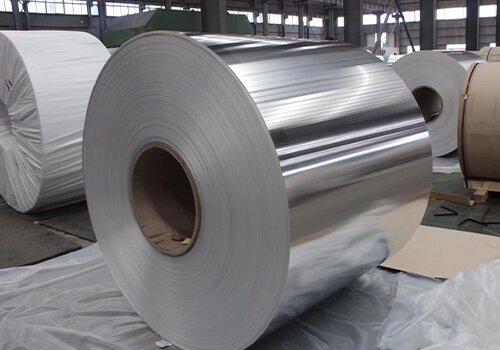
Aluminum is lightweight and corrosion-resistant, but galvanized steel provides greater strength and is less expensive for large-scale projects.
Aluminum is an excellent choice for weight-sensitive applications such as transportation and aerospace. Гэсэн хэдий ч, galvanized steel is frequently the better choice for projects that require both strength and cost-effectiveness, such as bridges or construction framing. It is also more commonly used in outdoor applications where rust resistance is required.
Дүгнэлт
Understanding what galvanized metal means can help you select the best material for your next project. Galvanized steel’s corrosion-resistant properties and low cost make it an excellent choice for a variety of industries, including construction, automotive parts, and outdoor applications.