Selecting the appropriate steel rebar size can make or ruin a project. Many customers struggle to match reinforcing bar diameters to building strength requirements. Let’s make things simple.
Reinforcing bar dimensions vary by global standards, ranging from #3 (9.5мм) руу #18 (57мм). U.S. rebar sizes in inches increase by 1/8-inch increments, while metric rebar sizes follow millimeter units. Selecting the correct steel reinforcement sizes ensures proper strength, spacing, and safety compliance for all building codes and project loads.
Now, let’s look at how to select and apply the appropriate reinforcement steel sizes for your construction demands.

What Size Are Reinforcing Bars?
Understanding reinforcing bar sizes can be difficult, especially when various standards utilize inches, millimeters, or even regional codes. Knowing the exact rebar diameter allows project engineers, wholesalers, and contractors to order accurately and assure safety during concrete reinforcing.
Rebar sizes in the United States vary from #3 руу #18. Each number represents the nominal diameter of reinforcing bars in eighths of an inch. The most prevalent steel rebar sizes are #3, #4, #5, болон #6, which are used in commercial, residential, and infrastructure projects.
Жишээ нь, #3 арматур diameter is 9.5mm, #4 is 13mm, болон #5 is 16mm. These are the common steel bar diameters in mm and inches seen on most reinforcing bar area charts. When it comes to rebar diameters in millimeters, smaller bars are appropriate for driveways or patios, whereas larger bars, гэх мэт 10 rebar diameter (approximately 32mm), can carry hefty columns or bridges.
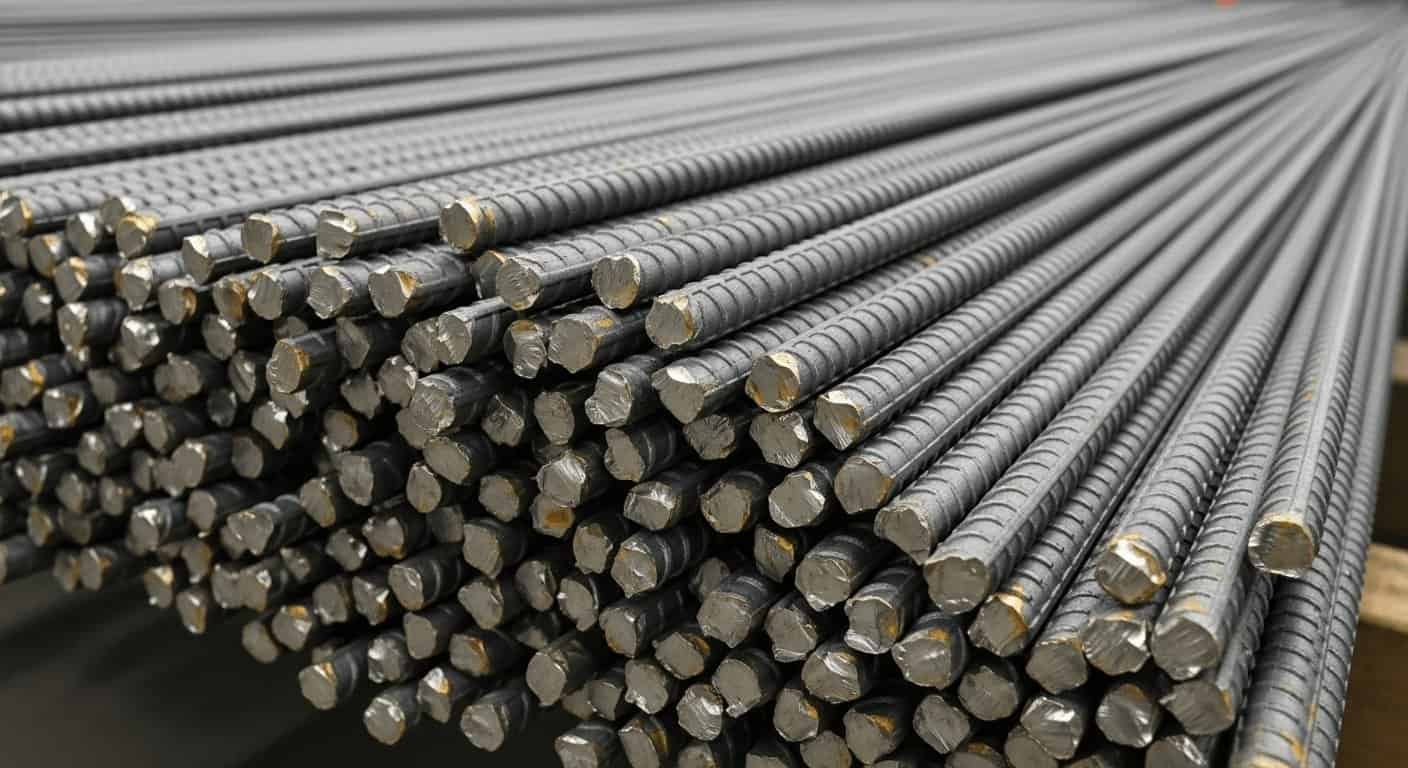
Reinforcing bar diameters determine rebar thickness and structural integrity. Larger bars can bear more tension and compression stresses, decreasing cracks in concrete. When comparing reinforcing steel rebar to deformed bar varieties, keep in mind that deformed bars feature ridges that help them connect with concrete more effectively. This combination of rebar and concrete produces what is known as reinforced rebar, which provides long-lasting strength to structures.
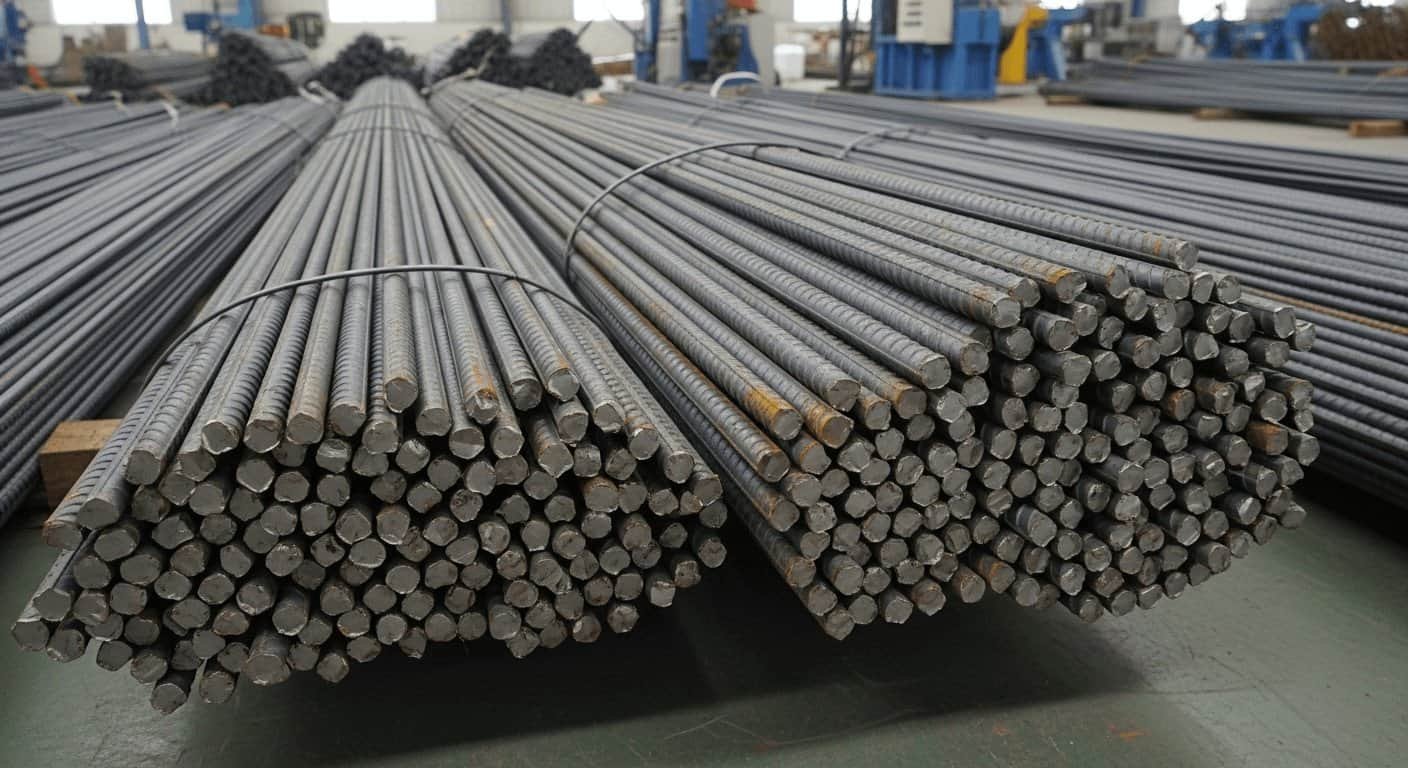
What Is The Rule Of Thumb For Rebar In Concrete?
Spacing is equally as important as choosing the appropriate rebar diameter. Even if you use the proper steel reinforcement rebar, inadequate spacing weakens your concrete. Contractors frequently rely on spacing standards to strike a balance between cost and strength.
A basic rule of thumb for minor structural loads is 12 inches on center, while heavy slabs, walls, or footings require 6-8 inches. The dimensions of the reinforcing bars are important here; the thicker the bar, the greater the allowable distance.
Гэсэн хэдий ч, the actual reinforcement bar length and area must be confirmed in accordance with the design load and concrete depth. unduly wide spacing might produce cracks, while unduly close placement wastes material. Engineers typically utilize software or reinforcing bar dimension calculators to optimize steel reinforcement bars in layouts.
In commercial applications, a combination of #4 reinforcing bar with #6 rebar diameter in mm (about 19mm) provides an ideal balance of strength and flexibility. Always remember that while concrete alone is weak under tension, when joined with steel reinforcement bars, it forms concrete steel rebar structures that can withstand bending and earthquake strain.
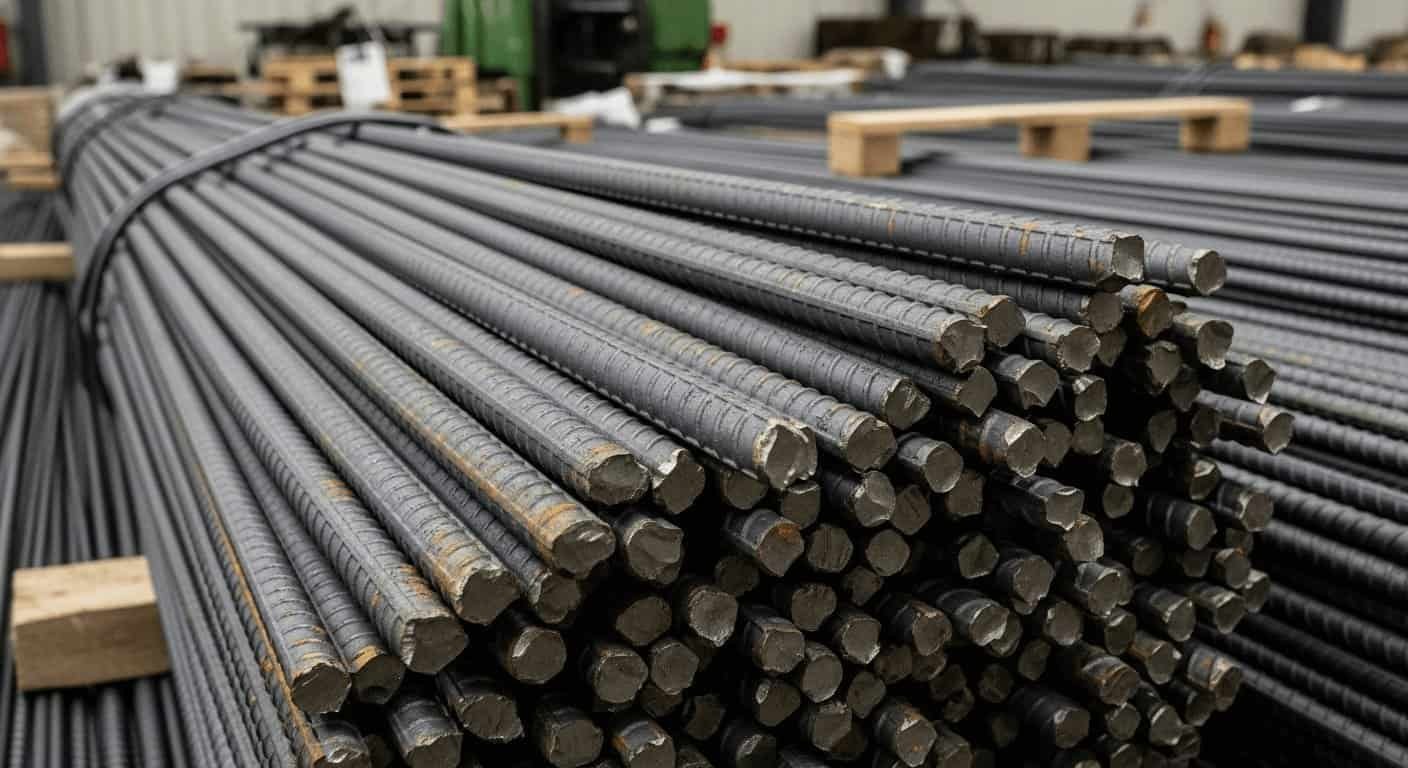
Which Is Bigger, #3 Эсвэл #4 Rebar?
Many newcomers are unsure whether the #3 эсвэл #4 reinforcing bar is larger. The answer is simple but significant: #4 is larger, measuring 0.5 inches (13мм) in diameter vs #3’s 0.375 inches (9.5мм).
The diameter of reinforcement bars affects not only strength, but also cost and flexibility. Steel reinforcement bars #3 are ideal for light-duty applications such as sidewalks or patios, whereas #4 bars are suitable for residential slabs and retaining walls.
If you look at steel reinforcement size charts, you’ll see that each step in rebar diameter increases load-bearing capacity. A reinforced арматур grid that incorporates #3 болон #4 bars can improve both tensile strength and cost efficiency.
When comparing rebar and concrete performance, the bar’s cross-sectional area has a direct impact on crack resistance. To ensure accuracy, check steel bar diameters in millimeters and inches before making a purchase. For regular driveways, #3 bars set 12 inches apart work well; however, for structural slabs, use #4 rebar to increase strength.
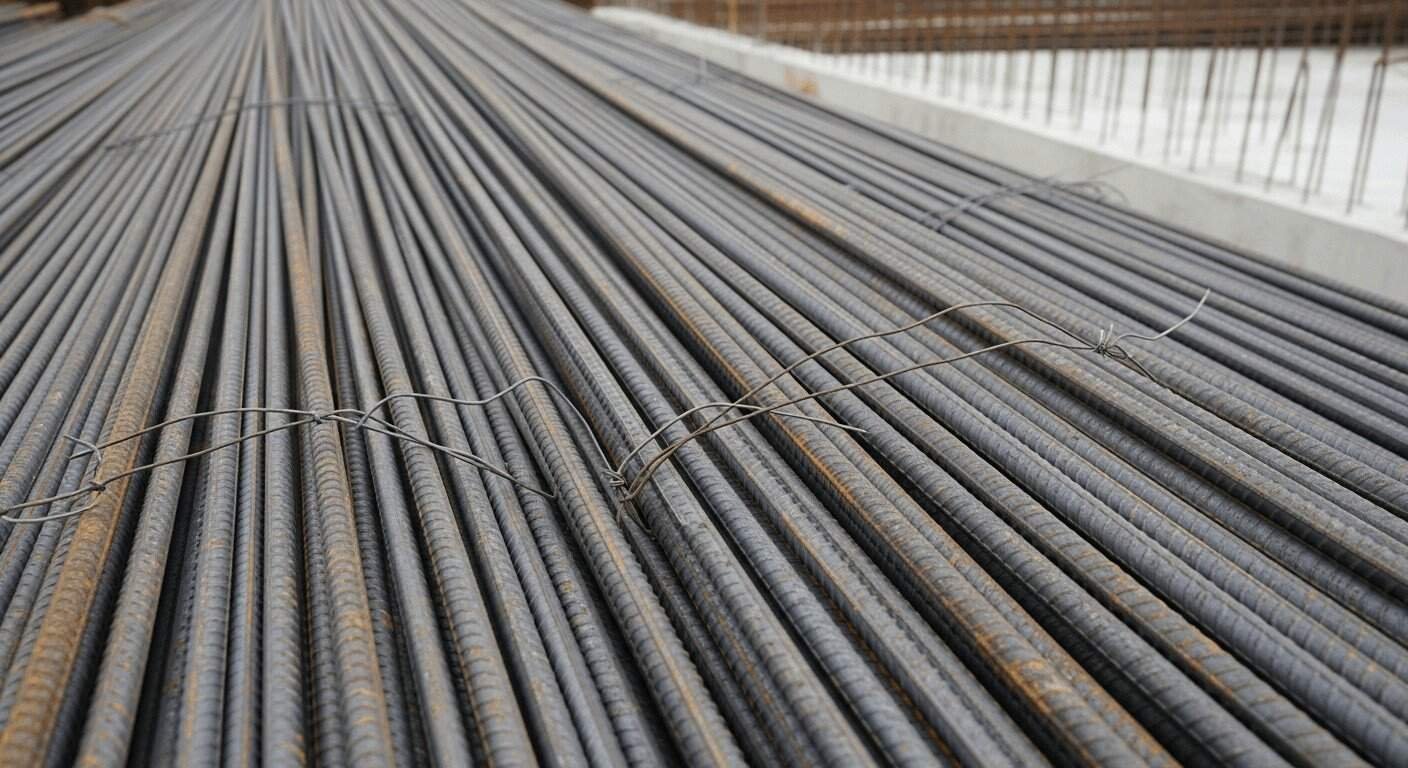
байна #3 Rebar Good For A Driveway?
For most homeowners and builders, #3 steel rebar is a great, low-cost option for driveways. When correctly spaced, its smaller rebar diameter may handle light to moderate vehicle loads.
When laid at 12-inch intervals and coated with at least two inches of concrete, #3 reinforcing bar provides stable and long-lasting performance. Гэсэн хэдий ч, for greater traffic or larger vehicles, use #4 reinforcing bar or stronger reinforcement steel.
The performance of steel rebar in driveways is determined not only by the rebar thickness but also by the installation manner. To distribute loads equally, ensure that the reinforcement bar length is consistent across the slab.
In areas with freeze-thaw cycles, combining deformed bar designs with adequate steel reinforcing bar layout minimizes cracking. When арматур and concrete are properly combined, they form a bonded surface that can endure pressure for many years. Remember that even modest reinforcing bar diameters like #3, when properly put, can yield excellent driveway results when paired with quality concrete.

What Size Is #6 And #7 Rebar?
Contractors frequently debate between 6 rebar diameter in mm and #7 diameters, particularly when designing columns or large foundations. The #6 rebar is 0.75 inches (19мм) in diameter, whereas the #7 rebar is 0.875 inches (22мм). The difference may appear little, yet it has a significant impact on load capacity.
These steel reinforcement sizes are standard in medium- to heavy-duty construction. Load-bearing walls and bridges, for example, typically use a 6 bar diameter, but highway pavements and industrial slabs use #7 болон #8 bars for reinforcement. Reinforcement bar lengths are normally 20ft or 40ft, but can be customized.
Understanding reinforcing bar diameters aids in calculating reinforcing bar areas for load estimation. A #6 bar has 284 mm² of steel area, while #7 has 387 mm². The higher the rebar thickness, the more force it can withstand. This relationship is critical in rebar and steel reinforcement design.
Before making a purchase, always double-check these parameters against a chart of rebar diameters in inches or mm. It ensures that your steel rebar meets building codes and prevents costly mistakes during concrete pouring or tension testing.
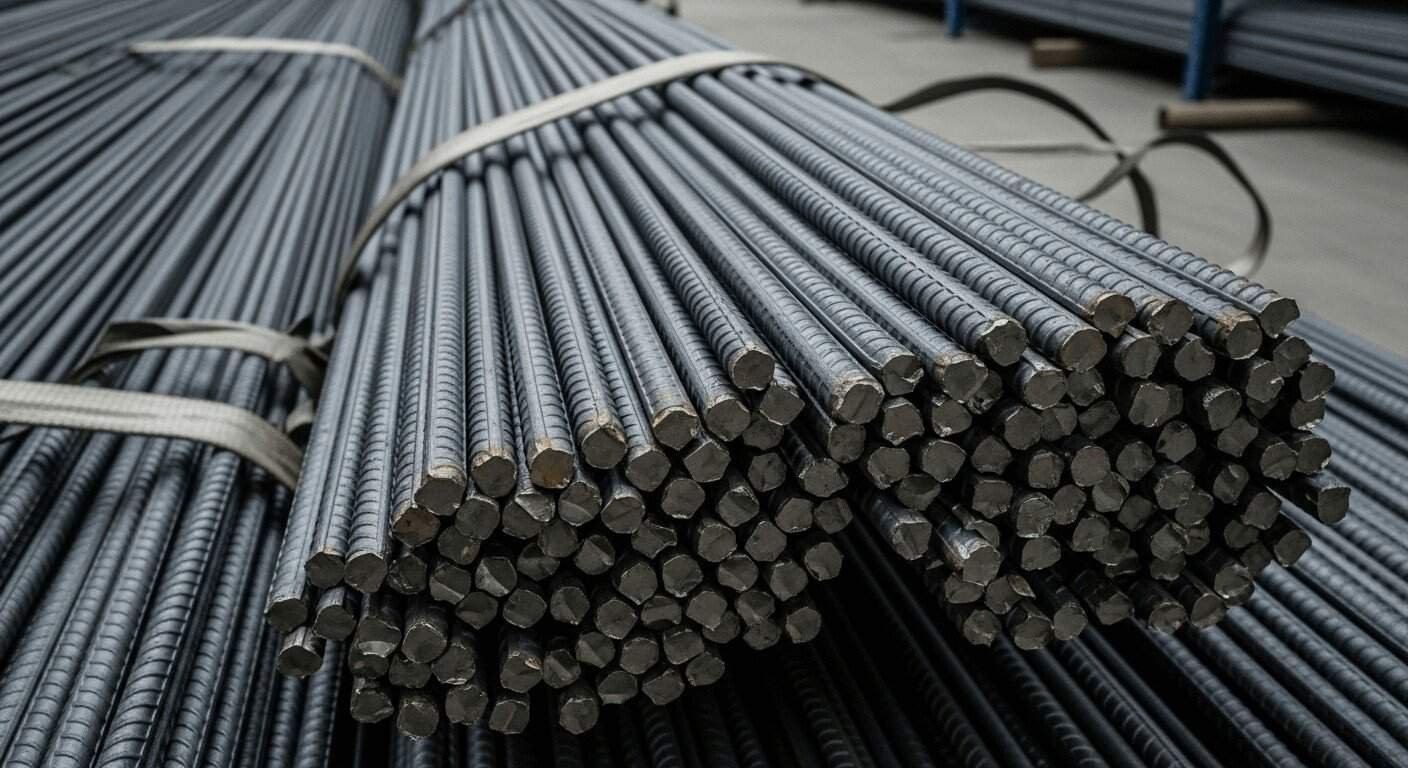
What Is #6 Rebar Used For?
#6 rebar is one of the most versatile steel reinforcing bar sizes available. #6 reinforcing bar provides the ideal blend of strength and flexibility. It is widely utilized in columns, гүүрнүүд, and parking structures that require high tensile strength. Its reinforcing bar sizes enable deep concrete embedment, resulting in strong connections with concrete гангийн цаас matrices.
A typical reinforcing bar length is 12 meters, which is ideal for big structural grids. When paired with smaller bars, гэх мэт #4 эсвэл #5, steel reinforcing rebar forms a highly efficient structure that reduces crack risk.
Цаашлаад, нь reinforcing bar sections for #6 are large enough to withstand compression stresses while remaining manageable for on-site cutting and welding. This makes it a popular choice among builders who seek consistent steel reinforcement sizes and predictable performance.
Reinforcing steel rebar is an essential component in modern building. Because of its resistance to shear and tensile stresses, rebar steel serves as the foundation for safe, long-lasting constructions. #6 арматур, whether used in bridge decks, industrial floors, or high-rise columns, is vital to the long-term strength of buildings.
Дүгнэлт
Understanding reinforcing bar dimensions helps keep your constructions strong, safe, and compliant. Always consult rebar sizing charts before purchasing to maximize cost and performance.