
Many engineers struggle to choose the appropriate rebar length. Choosing improperly wastes both supplies and time. This guide describes the standard length of reinforcement bars and why it’s important.
The standard length of reinforcement bar is 12 meters (about 40 feet). This uniform size simplifies cutting, transport, and installation. Understanding standard length of steel bar ensures cost efficiency and structural safety in every rebar construction project. Customized lengths are available, but the 12-meter standard remains the global benchmark.
Let’s look at how rebar length requirements differ and what experts should know to provide reliable and safe construction results.
What Is The Length Of A Reinforcement Bar In Feet?
Reinforcement steel bars are often measured in metric or imperial measurements, depending on local building rules and supplier specifications. This dual approach sometimes confuses purchasers when comparing costs and dimensions across areas.
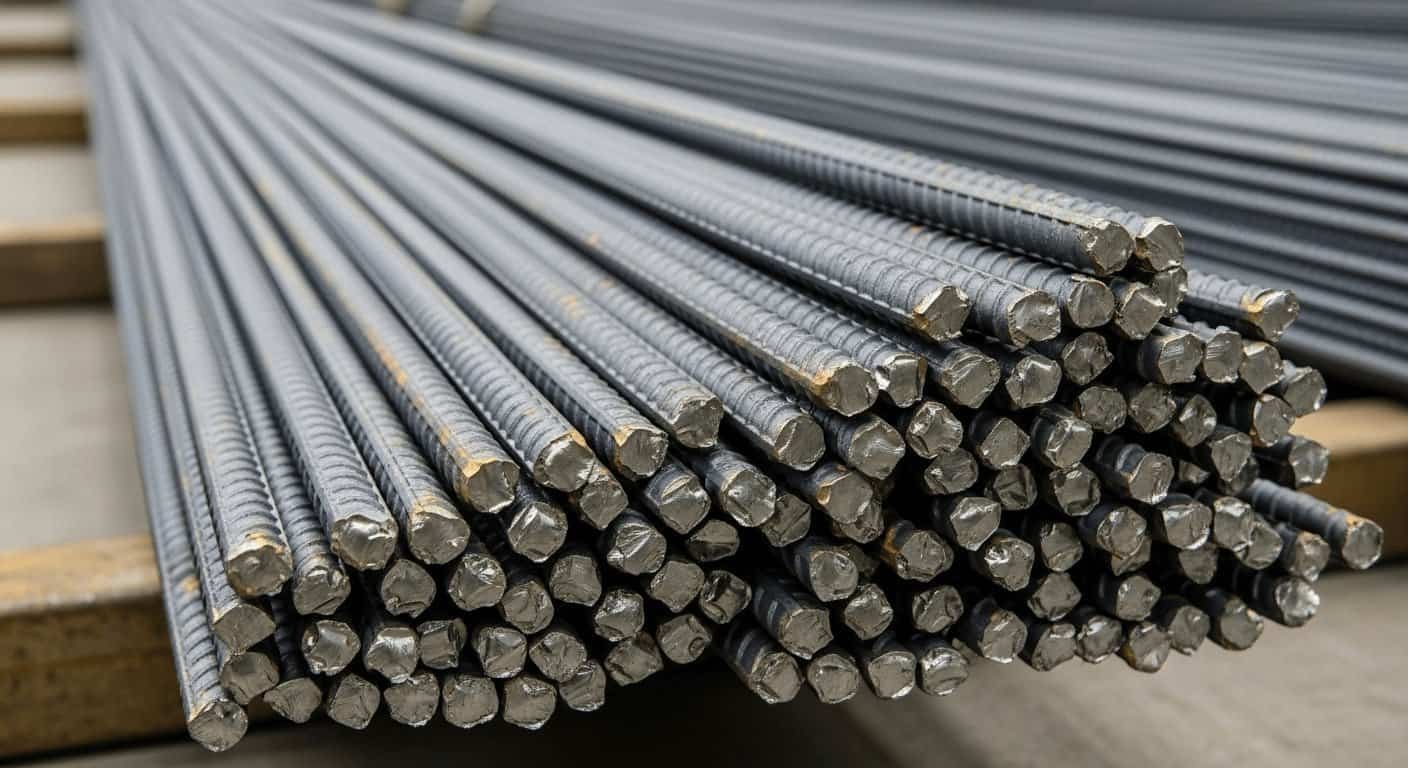
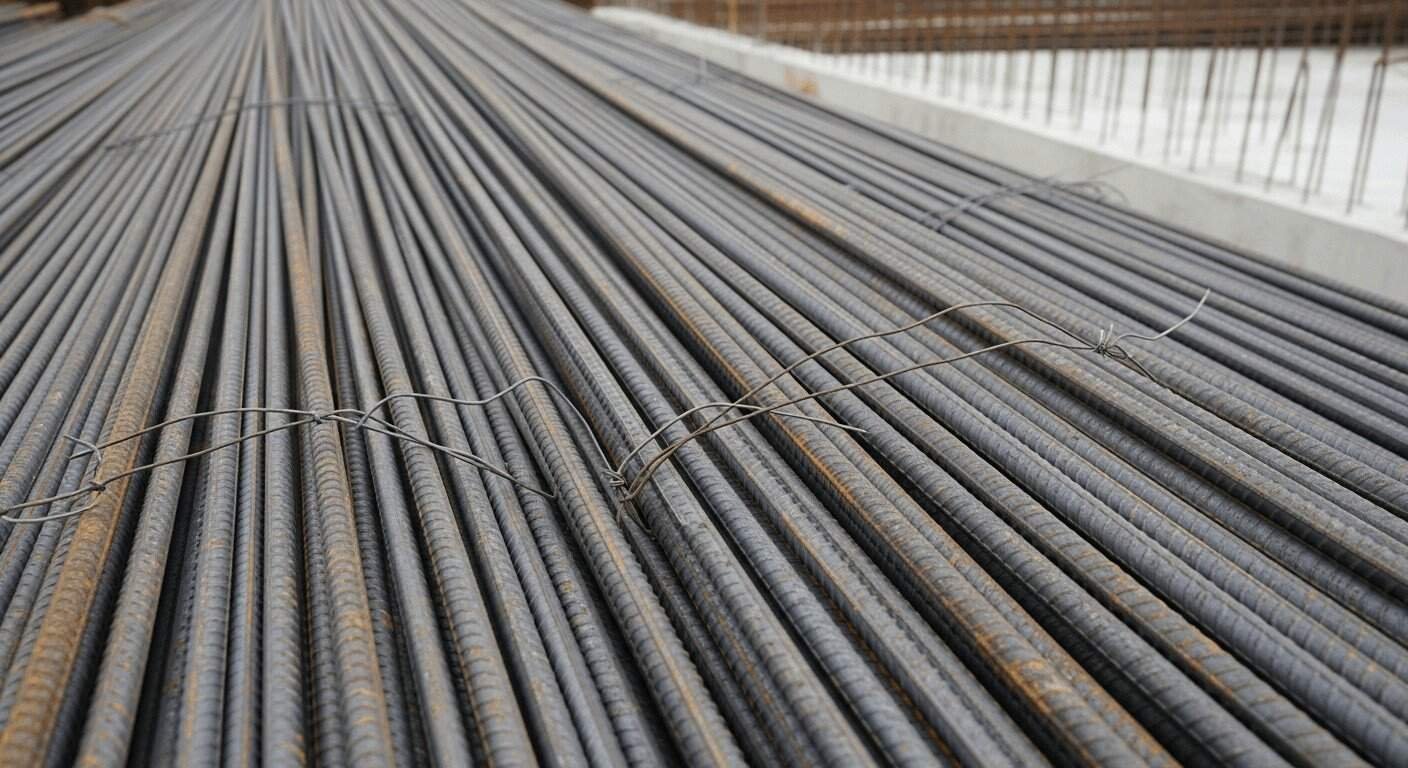
Most reinforcing bars are 40 feet long (about 12 meters). This standard length reinforcing bar is suitable for storage, transportation, and on-site cutting. Manufacturers may also provide 20- or 60-foot bars, depending on the structure’s span or load-bearing requirements.
In the United States, contractors frequently buy steel rebar in 20- or 40-foot bundles from local rebar vendors or large distributors like Lowe’s steel rebar sections. Longer pieces—up to the maximum length of reinforcement bar (60 feet)—can save splicing work, but they must be delivered using special vehicles. Knowing this is useful for calculating rebar costs and negotiating with steel reinforcement suppliers.
To ensure structural continuity in heavy structures, engineers may join shorter bars with coupling rebar or mechanical splices.
What Is The Standard Length Of A Steel Bar?
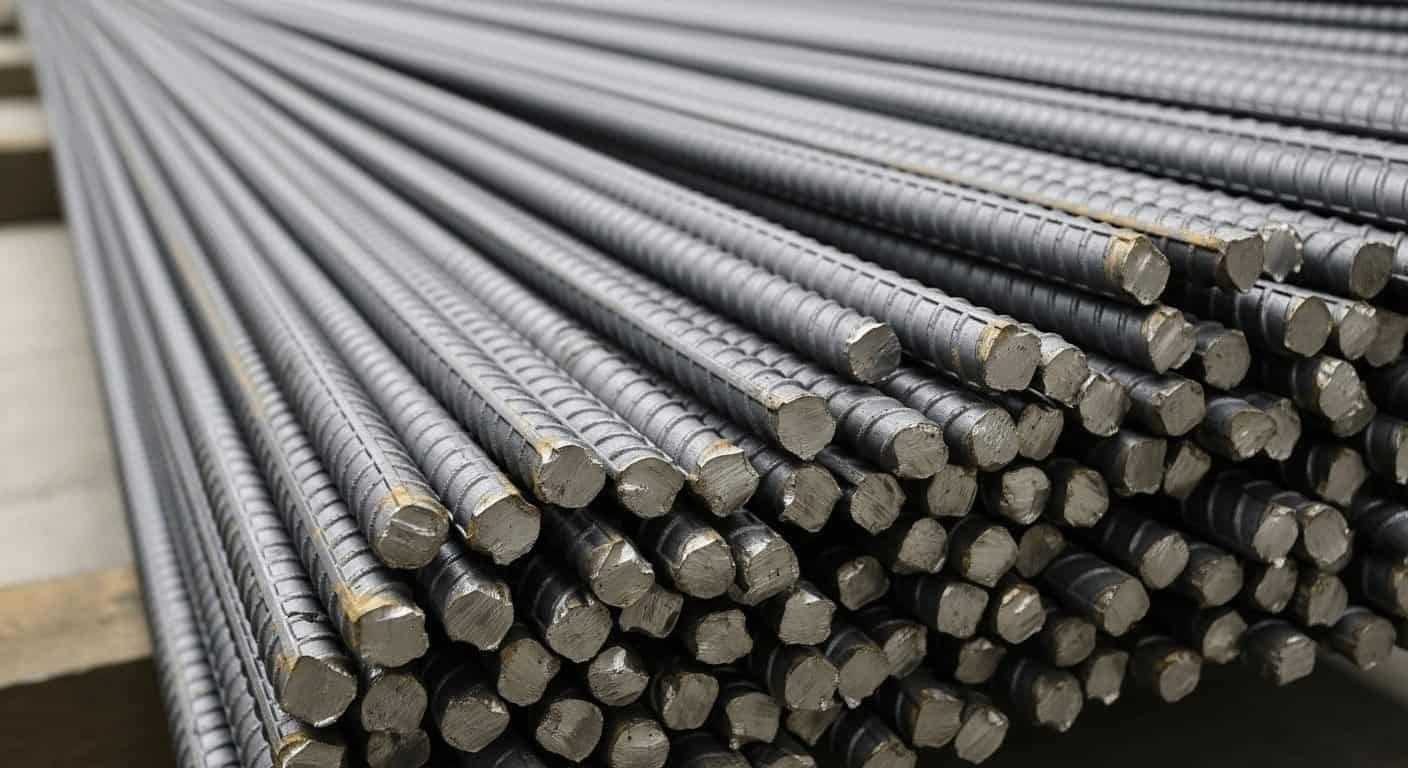
The stability of every concrete construction depends on accurate rebar measuring. Most global building standards, including ASTM, Талт, and ISO, specify a steel bar length of 12 meters (about 40 ft). Bars longer than this require enormous transportation and specialist handling equipment.
Steel reinforcement bars, sometimes called deformed bar steel or reinforcing steel rebar, are used by builders to construct bridges, хавтан, and high-rise buildings. This standard length of reinforcement bar provides for consistent design and quick on-site cutting. Some manufacturers can deliver larger sizes (up to 18-20 metres), but these come with higher freight costs and a higher risk of bending or breakage.
Companies frequently use a rebar size chart to match the diameter, weight, and rebar lengths needed for each project. Choosing the appropriate reinforcing bar size and ensuring it fits inside truck constraints reduces logistical costs and increases productivity for global rebar for sale networks.
What Is The Length Of A 10mm Reinforcement Bar?
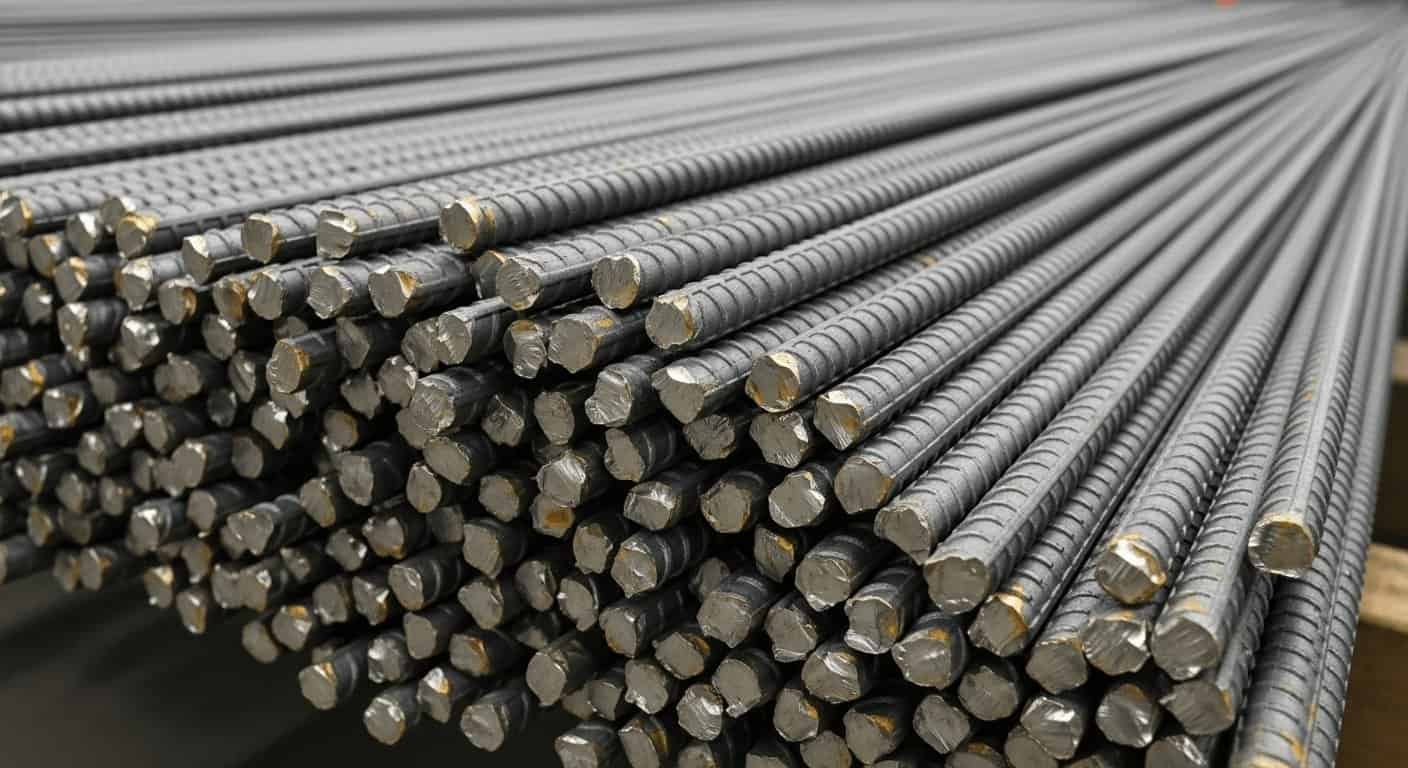
Different rebar diameters in millimetres correspond to specific building uses. A 10mm diameter reinforcing bar normally measures 6 meters (approximately 20 feet) and weighs around 3.7 kilos. This tiny steel rebar is flexible, making it easy to bend and cut for slabs, staircases, and walls.
While steel rebar mesh or concrete reinforcing steel mesh is commonly utilized on broad surfaces, 10mm deformed bar rods are appropriate for small-scale structural reinforcement. Contractors frequently use reinforced concrete rebar and steel reinforcement mesh to boost strength without adding unnecessary weight. When ordering from rebar providers, specify whether you want straight rebar rods, coiled wire, or epoxy coated rebar, based on the corrosion requirements.
To attain maximum strength in larger projects, engineers may mix 10mm with 12mm or 16mm bars according to a rebar size table. Remember that the shorter the bar, the easier it is to handle—but more joints require longer lap length of reinforcement bar, which affects cost and performance.
How To Calculate The Required Length Of Reinforcement Bar?
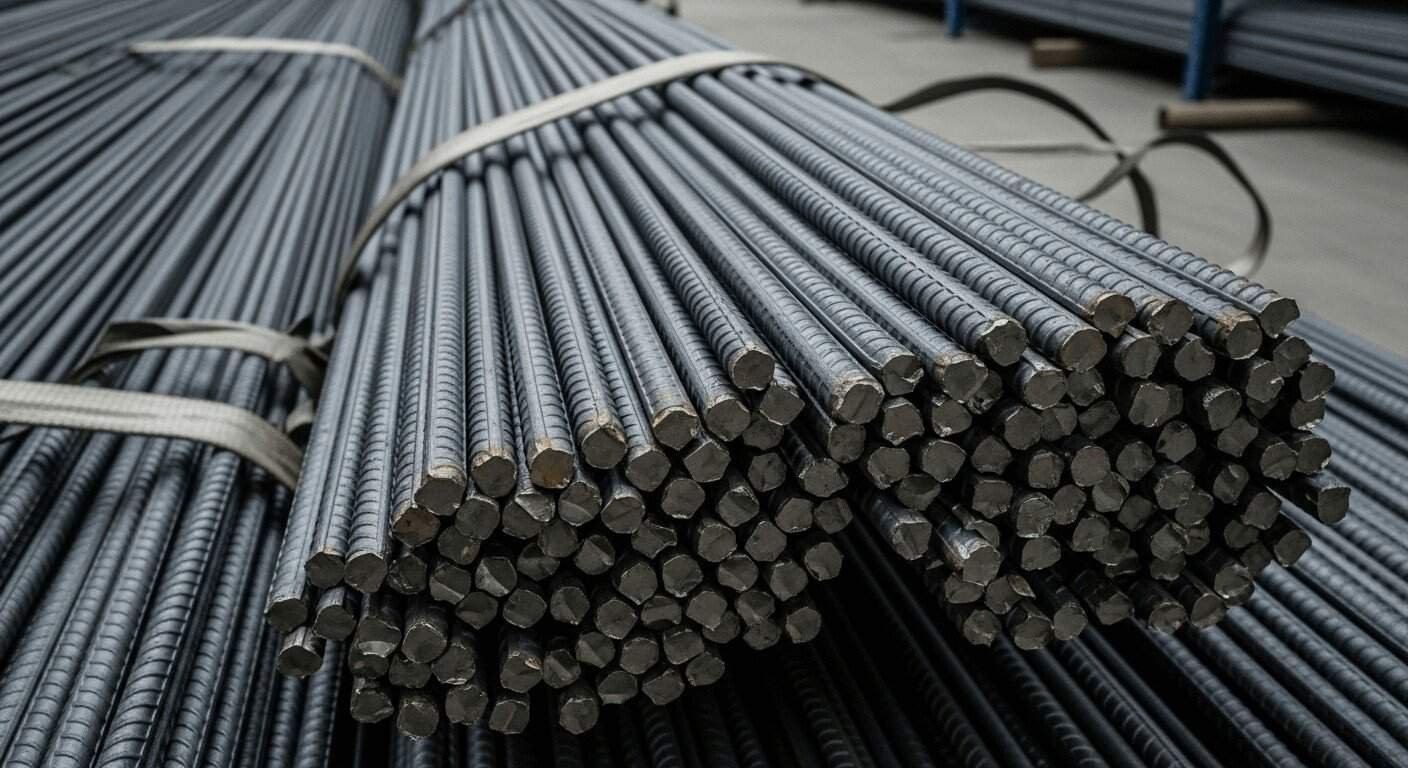
Calculating total rebar length ensures that there are no shortages or surpluses during construction. To calculate the needed development length rebar, multiply the number of bars by their individual lengths, including bends and overlaps. Make provisions for hooks or curves as per the design. Online rebar calculators simplify this process, eliminating errors and waste.
According to construction rules, the lap length of a reinforcing bar should be 40-60 times its diameter. Жишээ нь, a 12mm reinforcing bar requires around 0.5-0.7 meters of overlap to ensure secure bonding. The development length of reinforcing bar (Ld) is the minimum amount of steel rebar inserted in concrete to reach full tensile strength. Neglecting the necessary development length of reinforcement might result in cracks or failure under load.
Professionals frequently use couplings for steel reinforcement instead of extensive overlaps to save material. Modern tools accurately determine reinforcement development length while taking into account yield strength, бетоны зэрэг, and bar coating. Correct calculations are essential for ensuring structural integrity and cost management when utilizing concrete rebar or steel reinforcement mesh.

Why Is The Correct Rebar Length Important For Construction Projects?
Using improper rebar lengths can lead to weak joints, uneven stress distribution, and costly on-site rework. Correct rebar length leads to stronger joints, less waste, and safer construction. It simplifies project planning, improves quality control, and shortens delays caused by last-minute material shortages.
The reinforced rebar serves as a backbone for rebar-concrete interaction, efficiently transferring loads. Choosing the right steel reinforcing rebar helps to balance rebar and steel cost and performance. Цаашлаад, the optimum rebar length lowers cutting waste, improves transport efficiency, and ensures uniform reinforcing bar coverage.
High-quality steel reinforcement bars are frequently purchased from certified rebar suppliers who provide standardized dimensions and labeling. When purchasing rebar for a concrete slab, 1 2 in rebar, эсвэл 5 гангийн цаас, always check product certificates. Жишээ нь, epoxy-coated rebar is recommended in coastal areas due to its corrosion resistance, whereas plain steel reinforcement mesh is suitable for interior floors. A trusted steel reinforcement provider ensures that all materials follow design regulations, resulting in a safer construction.
Арматур суурилуулахад ямар нийтлэг алдаа гардаг вэ??
Even the proper specified length of reinforcement bar can fail if not fitted correctly. Common problems include insufficient overlaps, тааруухан зохицох, rust contamination, inappropriate spacing, and failing to consider cover depth. Such inaccuracies degrade the rebar-concrete link, resulting in fissures or diminished strength over time.
Before placing any reinforcing steel rebar, contractors must clean it to remove any mud or corrosion that may be preventing adherence. Bars should be securely secured with wire, supported by spacers, and measured using a rebar size chart. Misalignment causes irregular stress distribution, particularly in concrete steel rebar structures.
During large-scale rebar construction, check that each deformed bar adheres to the design spacing and that all steel reinforcement bars are defect-free. Poor splicing or an insufficient lap length of reinforcement bar can significantly affect durability. Engineers frequently choose connection rebar systems or mesh steel reinforcement for speedier installation and greater accuracy.
Finally, exclusively work with certified vendors to verify reinforced steel and rebar prices. Cheap metal rebar or rebar lowes alternatives without testing certificates may not exceed performance requirements. Proper installation ensures that all slab rebar, steel reinforcement mesh, and reinforced concrete rebar operate securely for decades.
Дүгнэлт
Understanding standard rebar length, appropriate calculation, and installation helps to eliminate costly errors, resulting in stronger, илүү аюулгүй, and more durable reinforced concrete rebar structures around the world.