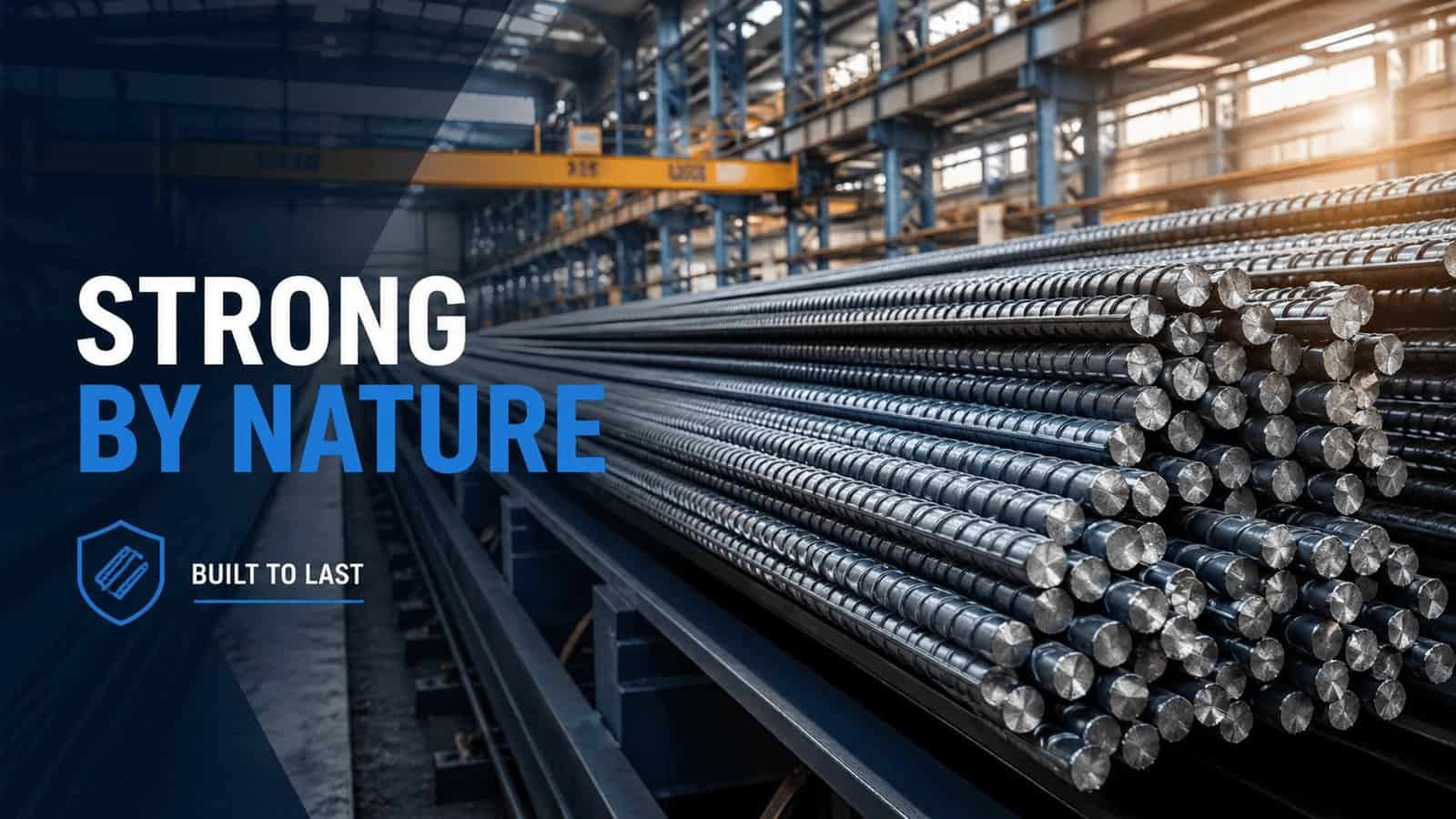
Poor-quality steel reinforcement can create safety risks, moill, and unexpected costs. Understanding rebar definition helps construction buyers select reliable materials and avoid project problems.
The rebar definition refers to steel reinforcement bars placed inside concrete to improve strength, marthanacht, and structural stability. Rebar helps concrete resist tension, reduce cracking, and support heavy loads, making it essential for buildings, bridges, roads, and infrastructure projects worldwide.
Learning the basics of rebar helps buyers understand material choices, quality standards, and supplier selection for successful projects.
What Is the Rebar Definition in Construction?
It is crucial for engineers, conraitheoirí, and foreign steel buyers to comprehend reinforcement materials. Rebar is frequently used in building projects, but its function, characteristics, and significance may not be well understood. Businesses can select appropriate materials and lower purchasing risks by knowing the right definition.
Steel bars placed into concrete structures to increase their strength and longevity are referred to as “rebar” in construction. Concrete infrastructure and buildings can withstand higher loads and environmental stress thanks to rebar’s increased tensile strength.
When individuals look for what rebar is in construction, they typically want a straightforward explanation of the need for steel reinforcement. Concrete is weak when subjected to pulling forces, but it is naturally strong under compression. Rebar adds strength and flexibility to remedy this issue.
A stronger building system is produced when concrete and rebar steel are combined. Steel enhances the total structural performance, while concrete shields it from external harm. Droichid, highways, business projects, residential buildings, and industrial facilities all frequently use this mix. Because different nations may have varying standards, grades, and restrictions, it is crucial for foreign buyers to grasp the definition of rebar. Roimh loingseoireachta, a trustworthy supplier should offer precise product details, quality certifications, and inspection results.
Why Is Rebar Used in Concrete Structures?
Many buyers and building experts want to know why reinforcement materials are needed; mar sin, they often inquire what rebar is used for. Long-term performance, marthanacht, and project safety are all directly impacted by the choice of steel products.
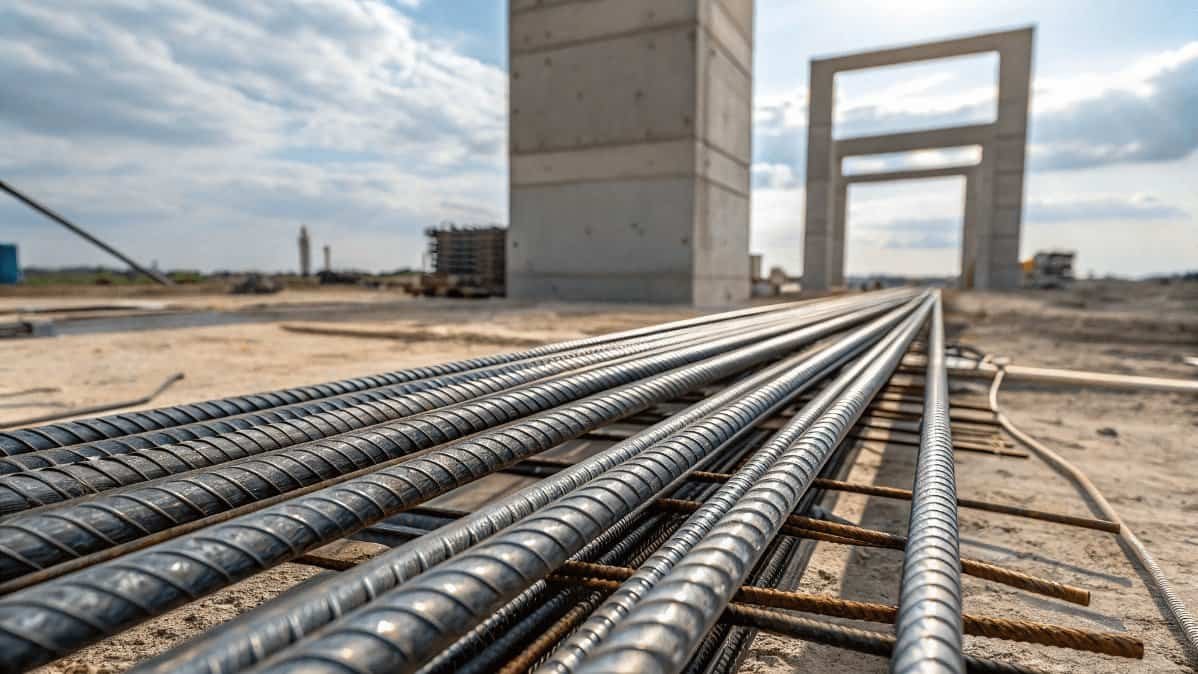
Because concrete has a high compression strength but a low tensile strength, rebar is employed in concrete. Buildings, bridges, and infrastructure can endure large loads and outside forces with the help of steel reinforcement, which also increases structural stability and decreases cracking.
Rebar is primarily used to strengthen the bond between steel and concrete. Rebar aids in more uniformly distributing stress when a structure is subjected to pressure, movement, or temperature changes.
Rebar’s significance in construction stems from its capacity to extend the life of buildings. Concrete may crack more readily in the absence of reinforcing, particularly in large projects subjected to fluctuating weather or heavy traffic. When choosing rebar, buyers of imported steel consider more factors than only cost. Neart, friotaíocht creimeadh, welding performance, and supplier dependability must all be taken into account. High-quality rebar increases customer satisfaction and lowers future repair costs.
What Are the Different Types of Rebar?
Different options for reinforcing are needed in different construction contexts. Buyers can choose materials based on project conditions, buiséad, and performance needs by being aware of the different varieties of rebar that are available.
Carbon steel rebar, stainless steel rebar, galvanized rebar, and epoxy-coated rebar are the primary varieties. For particular construction purposes, each kind offers varying degrees of strength, marthanacht, friotaíocht creimeadh, and cost effectiveness.
The most popular option is carbon steel rebar since it offers robust mechanical performance at a reasonable price. It is frequently utilized in general construction projects, including public infrastructure, commercial buildings, and residential buildings. Because of its exceptional resistance to corrosion, stainless steel rebar is frequently used for projects in difficult settings, including chemical plants, coastal regions, and marine structures. It can offer a longer service life despite the greater expense.
Steel is shielded from corrosion by a zinc coating in galvanized rebar. In locations where moisture is present, epoxy-coated rebar offers an additional layer of protection to help avoid damage. Instead of concentrating just on the lowest price when selecting rebar, buyers should consider project needs. Performance can be enhanced and maintenance costs can be decreased by using the proper materials.
How Is Rebar Manufactured?
Because manufacturing procedures have a direct impact on product strength, uniformity, and dependability, quality-conscious consumers frequently want to know how reinforcing steel is made.
In order to create rebar, steel billets are heated and rolled into precise shapes, and surface patterns are created to enhance bonding with concrete. The products are then tested by manufacturers to make sure they adhere to the necessary standards.
Steel raw materials are carefully chosen to start the production process. To achieve various diameters and standards, steel billets are heated to high temperatures and run through rolling machines. Manufacturers have control over critical elements including rolling speed, temperature, and chemical composition throughout production. These factors affect the product’s ultimate quality.
Professional steel factories conduct quality inspections, such as dimensional checks, bending tests, and tensile tests, after manufacturing. These processes aid with verifying that the product satisfies client specifications. Working with seasoned exporters is crucial for foreign customers since they are familiar with international standards, export documentation, and shipment specifications. During international trading, a professional supplier can help lower quality hazards.
What Are the Standard Sizes and Grades of Rebar?
Because different building projects call for varying degrees of strength and performance, selecting the right rebar size and grade is crucial.
Diameter, mechanical characteristics, chemical makeup, and industry norms all influence rebar sizes and grades. The strength and quality requirements for construction applications are specified by standards like ASTM.
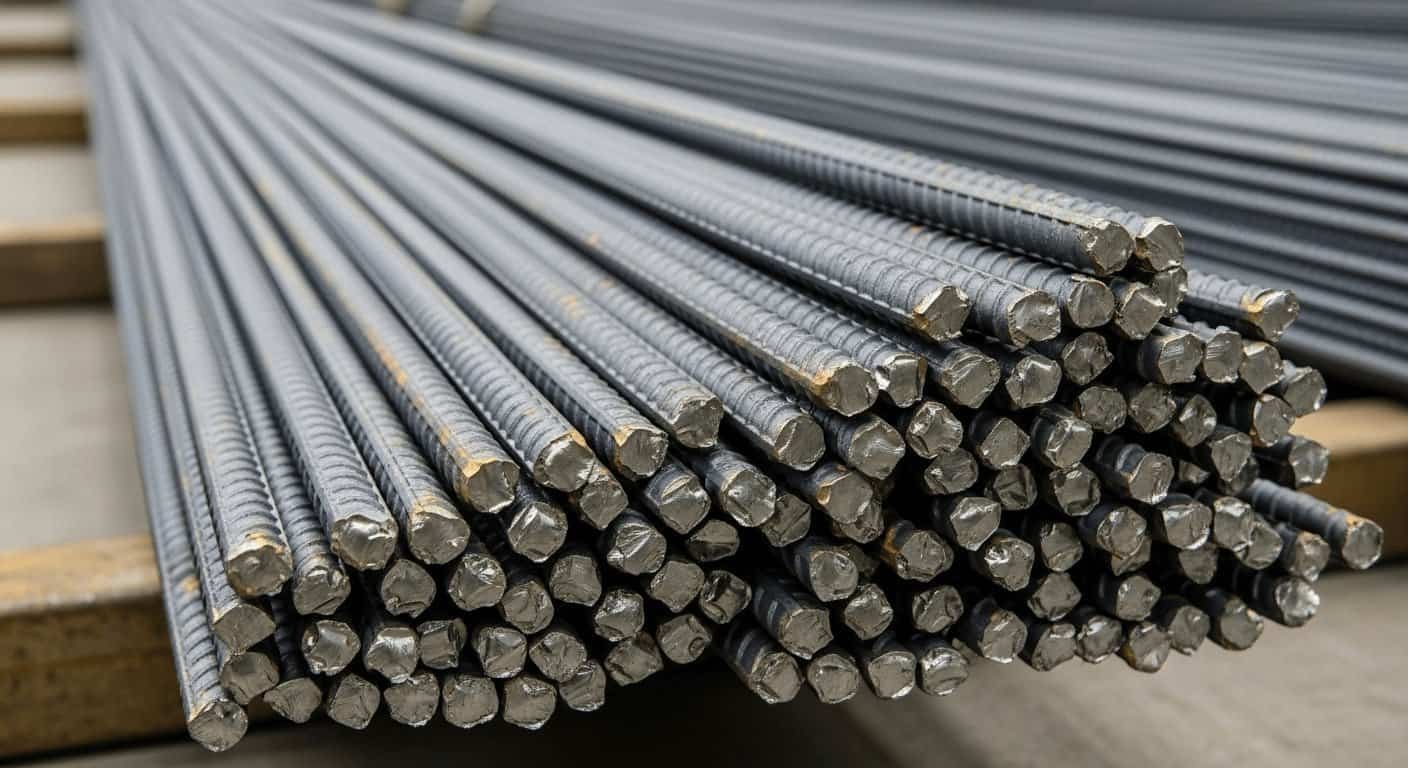
Depending on the project design, rebar comes in a variety of sizes. While greater diameters are typically utilized in bridges, highways, and heavy infrastructure, smaller diameters may be utilized for lightweight buildings.
Grades indicate the steel’s strength. Based on structural calculations, safety specifications, and regional building codes, engineers choose grades. It is essential for foreign purchasers to comprehend specifications. Different measurement systems and standards may be used in different markets. Buyers should verify specifics, including size, grade, quantity, and packaging, before production starts. To guarantee that the purchased rebar satisfies the project specifications, a trustworthy exporter should offer comprehensive technical information.
How Do You Choose High-Quality Rebar Suppliers?
One of the most difficult tasks for foreign purchasers is choosing a trustworthy provider. Business success is influenced by communication, delivery time, and product quality.
Stable product quality, praghsáil iomaíoch, certificates, inspection reports, export experience, and dependable delivery services are all characteristics of a top-notch rebar supplier. Suppliers should be assessed by buyers on the basis of total value.
Because they require dependable supply chains and competitive prices, many businesses buy steel from foreign sources. Cén dóigh faoin spéir a ...?, selecting an untrustworthy supplier could lead to poor-quality goods, delayed shipments, or complaints from customers. Exporters with experience are aware of the demands of foreign purchases. They must offer production updates, technical documentation, and assistance with quality assurance. Because delivery delays can impact sales possibilities, supplier dependability is particularly crucial for CEOs, dáileoirí, and trading organizations. Strong ties with suppliers contribute to a more secure and successful company.
What Certifications Should Rebar Buyers Check?
In order to verify that products fulfill market and quality standards, foreign steel purchasers require appropriate documentation.
Mill test certificates, ASTM compliance documentation, inspection reports, and quality records are typical certifications for rebar. Buyers can confirm product performance and building compatibility with the use of this documentation.
Certifications include comprehensive details regarding the chemical makeup, neart teanntachta, and production norms of steel. Complying with local requirements is crucial for buyers importing steel into markets like the United States, South America, and the Middle East. Buyers should verify supplier capabilities and acquire certification documentation prior to placing purchases. Expert exporters typically possess expertise in creating necessary paperwork and assisting clients during the procurement procedure.

How Does Rebar Quality Affect Construction Safety?
Material quality has a major impact on construction safety. Inadequate reinforcement goods can raise future expenses and pose major dangers.
Strong mechanical performance, fad saoil, and corrosion resistance are some of the ways that high-quality rebar enhances structural safety. Rebar of poor quality may make structures less reliable and require more upkeep.
A structure’s longevity is impacted by the quality of its reinforcement steel. Long-term performance is influenced by elements like strength, friotaíocht creimeadh, and surface condition. Professional suppliers frequently set up checks before shipment to ensure that goods live up to consumer expectations. This procedure aids in avoiding issues following delivery. Investing in dependable materials makes buildings safer and enhances the reputation of projects for contractors and developers.
What Factors Affect Rebar Prices?
Although numerous factors affect the final cost of reinforcement goods, steel purchasers frequently compare vendors primarily on pricing.
The cost of raw materials, the state of the steel market, production costs, specifications, order quantities, and shipping costs all have an impact on rebar prices. Instead of focusing just on the buying price, buyers should take into account the entire worth.
Because of supply and demand, energy prices, and economic conditions, global steel markets are always changing. Production expenses are directly impacted by these factors. Because manufacturers can maximize production efficiency, large-volume orders may help customers get better prices. Mar sin féin, delivery dependability and quality should continue to be top considerations. A competitive supplier should provide competitive pricing while upholding a level of quality and expertise.
How Can Companies Import Rebar From China Successfully?
China is a major supplier of steel to many foreign consumers due to its affordable cost and robust manufacturing capabilities. But proper preparation and supplier assessment are necessary for effective importation.
By selecting seasoned exporters, verifying specifications, verifying certifications, scheduling inspections, and closely monitoring logistics to prevent shipment delays, businesses can effectively import rebar from China.
Researching soláthraithe, confirming products, negotiating contracts, keeping an eye on production, inspecting quality, scheduling shipping, and clearing customs are all common steps in the importing process.
Delays in shipping can have an impact on seasonal sales and customer relations for companies that resell steel items. As a result, it’s critical to select a supplier with a solid production capacity and logistics expertise. A qualified Chinese exporter can offer international shipping options, quality control, and technical assistance. Buyers can obtain steady supply and long-term business success with the correct partner.
Achoimre
Comprehending the concept of rebar enables purchasers to select appropriate steel items, lower hazards, and enhance construction outcomes. Long-term value is produced by dependable suppliers and high-quality materials.