Choosing the wrong coil can cause corrosion, processing problems, and unnecessary costs. Understanding grades, specifications, iarratais, and quality helps you select stainless steel with confidence.
What is stainless steel coil and how should you choose the right one? Stainless steel coil is a continuous, flat-rolled stainless steel product wound into a roll for efficient storage, iompair, and processing. It is available in grades such as 304, 316, is 430, with different thicknesses, widths, and surface finishes. The right coil depends on corrosion resistance, neart, fabrication requirements, cuma, and the intended application.
Atá ann i láthair na huaire, let’s look at how stainless steel coil works, where it is used, and what makes one type different from another.
What Are Stainless Steel Coils Used For?
Tógáil, déantúsaíocht, iompair, food processing, chemical equipment, and many more industries employ stainless steel coils as adaptable materials. The grade, tiús, cáilíocht dromchla, and necessary performance of a corna cruach dhosmálta are the primary factors that determine its intended usage. A coil is frequently a beginning material that can be cut, stampáilte, molded, táthaithe, or processed into various shapes, in contrast to a finished component.
Architectural panels, automobile parts, industrial gear, tanks, duchtanna, píblínte, fearais, and other manufactured goods are frequently made from stainless steel coils. They are appropriate for both utilitarian and decorative applications due to their strength, formability, friotaíocht creimeadh, and clean look.
Mar shampla, 304 stainless steel coils are frequently utilized in general manufacturing, sinks, kitchen appliances, food processing equipment, and architectural elements. 316 stainless steel may be a superior option in settings where greater corrosion resistance is needed. After being slitted or chopped, stainless steel coils can also be made into sheets and strips, which enables producers to fit the material to certain production needs. Metal service centers and manufacturers frequently hold stainless steel coil stock because of this flexibility.

What Is Stainless Steel Coil vs. Steel?
The chemical makeup and subsequent performance of stainless steel coils and regular steel coils are the primary distinctions between them. Instead of focusing solely on the material price when evaluating different materials, one should take into account corrosion resistance, neart, cuma, riachtanais déantúsaíochta, cothabháil, agus costas.
Compared to most regular carbon steel, stainless steel coil has substantially greater corrosion resistance because it contains chromium, which helps form a protective passive layer on the surface. Although carbon steel is typically more affordable and can offer exceptional strength, it typically needs extra protection when exposed to wet or corrosive environments.
In real-world applications, carbon steel might make sense for buildings, equipment, and parts when corrosion exposure is minimal and protective coatings can be preserved. In humid, chemical, food processing, or appearance-sensitive settings, stainless steel is frequently more appropriate. Stainless steel’s extended service life and lesser maintenance needs can partly offset its higher initial cost. Dá bhrí sin, rather than the lowest beginning cost, the optimal material depends on the entire operational environment.
What Are the Three Types of Coils?
It’s crucial to comprehend the context because the term “three types of coils” can apply to many classification schemes. Products made of stainless steel can be divided into groups based on their final shape, grade, tiús, surface polish, and production process. Hot-rolled and cold-rolled products are two significant process groups when discussing flat-rolled steel in general.
While various stainless grades like 304, 316, is 430 offer an additional way to categorize them, stainless steel coils are typically differentiated by production process, including hot-rolled and cold-rolled products. While cold rolling can offer more precise dimensional control and a smoother surface, hot rolling is typically utilized for thicker items.
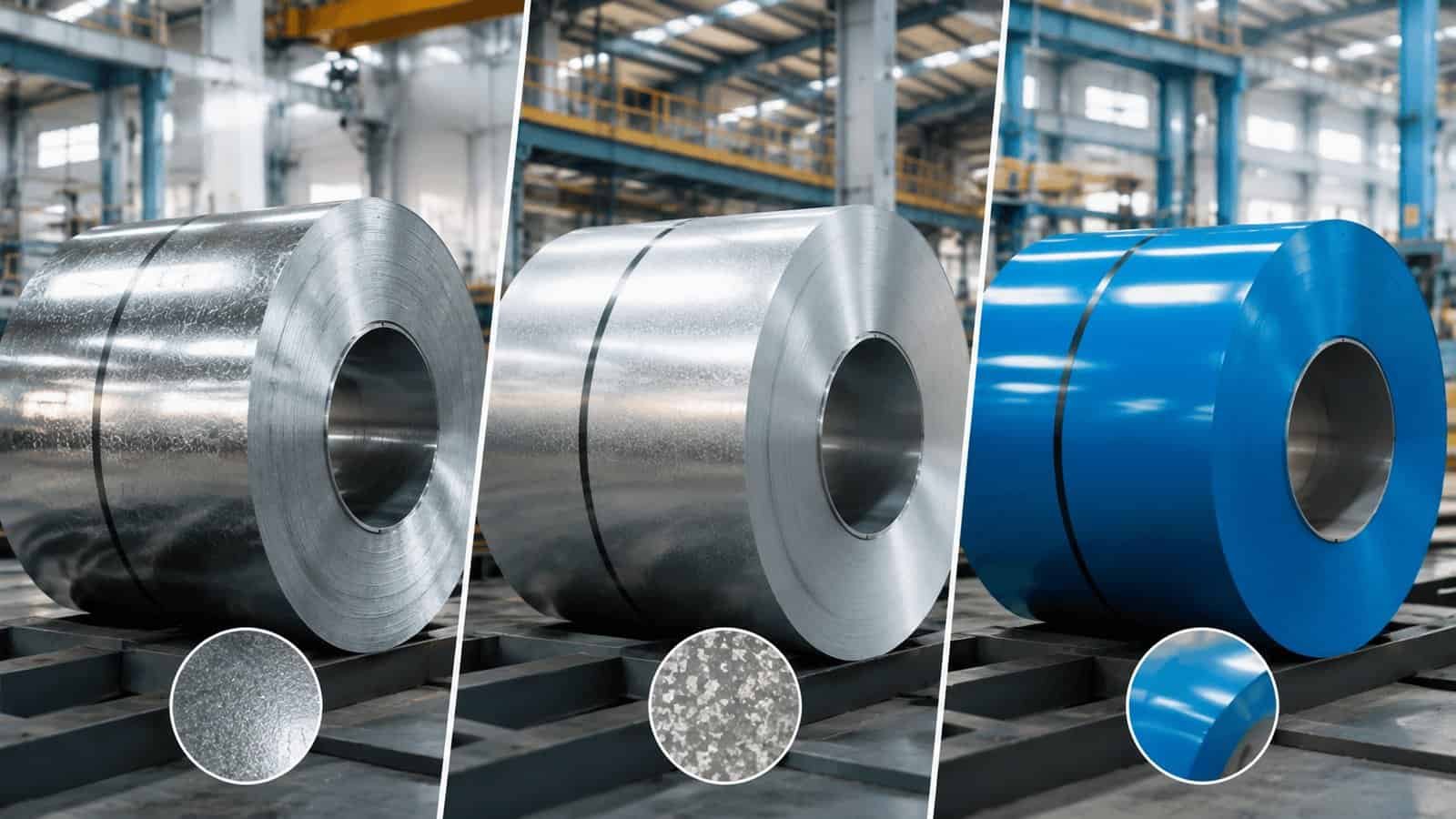
Another helpful differentiation is made by surface finish. Níl. 1, 2B, BA, Níl. 4, and other specialty finishes are common stainless steel finishes. Dá bhrí sin, rather than just requesting “stainless coil,” a manufacturer might need to specify both the grade and finish. Because they affect how easily a material may be molded, gearrtha, táthaithe, or integrated into a finished product, thickness and width are equally significant. It is easier to avoid confusion while comparing technical specs when one is aware of these categories.
How Much Does a Coil of Stainless Steel Cost?
There is no one pricing that applies to all stainless steel coils because they might vary widely. The base material cost is influenced by market conditions, and the final price might be greatly altered by logistics and specifications. The same grade, dimensions, chainníocht, finish, delivery terms, and destination are necessary for a realistic comparison.
A stainless steel coil’s grade, tiús, leithead, bailchríoch dromchla, meáchan, order quantity, coinníollacha an mhargaidh, shipping costs, and trade terms all affect its pricing. Mar shampla, because 304 is 316 coils have differing alloy compositions and performance attributes, their pricing may vary.
It is helpful to separate the cost of the material from the total cost of delivery when determining the price of stainless steel coils. The final pricing may be impacted by freight, insurance, pacáistiú, port fees, and applicable customs. Dá bhrí sin, grade, tiús, leithead, finish, chainníocht, and destination should all be included in a precise specification. This makes it possible to compare quotes from several sources more precisely. If quality control, packing, or delivery dependability are subpar, a very low material price might not be the best overall value.

What Grades of Stainless Steel Coil Are Commonly Used?
Because stainless steel grades offer various combinations of corrosion resistance, neart, formability, temperature performance, agus costas, selecting the right grade is one of the most crucial choices. Of the several grades that are available, 304, 316, is 430 are very popular in commercial and general industrial applications.
A popular general-purpose grade with strong corrosion resistance and formability is 304 corna cruach dhosmálta. Cé go 430 is a ferritic grade that is frequently used for applications where strong oxidation resistance and cost effectiveness are crucial, 316 offers enhanced resistance in many harsh situations.
304 is frequently used in general fabrication, architectural goods, food processing equipment, and kitchen appliances. Because it contains molybdenum, 316 is frequently used for harsh environments like chemicals and the sea. 430 is often employed in products where its unique qualities and cost profile are suitable, such as appliances, decorative applications, and car trim. The exact technical requirements should always be followed when choosing a grade because different grades could be required for high-temperature, high-strength, or highly specialized applications.
What Specifications Are Available for Stainless Steel Coil?
Grade is not the only factor that defines a corna cruach dhosmálta. Before production or processing can start, buyers and manufacturers typically want a detailed specification. While surface qualities can be crucial when the completed component is still visible, dimensions have an impact on forming, cutting, transporting, and final product performance.
Grád, tiús, leithead, coil weight, inner and outer diameters, bailchríoch dromchla, edge condition, and dimensional tolerances are typical stainless steel coil parameters. Tréithe meicniúla, chemical makeup, and relevant standards may also need to be defined, depending on the application.
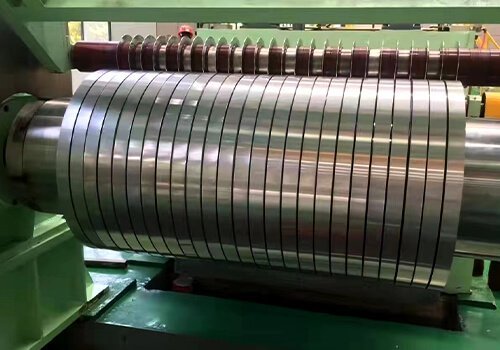
Although they are not the only dimensional requirements, thickness and width are typically the first to be verified. While inner and outer diameters may need to match certain equipment, coil weight can have an impact on handling and processing capability. While stricter tolerances might be necessary for precise manufacture, surface polish is crucial for sanitary and decorative applications. Depending on the demands of production, a stainless steel coil can also be cut into smaller strips. This implies that although stainless steel coil sheet and coil strip are made from the same fundamental flat-rolled material, their production uses are distinct.
How Is Stainless Steel Coil Made?
It is simpler to comprehend why stainless steel coils vary in thickness, finish, mechanical characteristics, and surface quality when one is aware of the manufacturing process. Several controlled phases are involved in modern manufacture, and each stage has the potential to affect the coil’s final properties.
Melting, casting, hot rolling, is, if necessary, anáil, pickling, cold rolling, finishing, cigireacht, slitting, and recoiling are the usual steps in the production of stainless steel coil. The grade, tiús, bailchríoch dromchla, and necessary qualities determine the precise procedure.
Stainless steel is reduced to the necessary thickness at high temperatures during hot rolling. While enhancing surface qualities and dimensional accuracy, cold rolling can further reduce thickness. Pickling eliminates scale and enhances surface cleanliness, while annealing aids in the restoration of suitable metallurgical qualities. Different surface appearances can be achieved by additional finishing procedures. The coil may be examined for dimensions, surface flaws, comhdhéanamh ceimiceach, mechanical characteristics, and other specifications prior to shipment. These regulated phases help ensure that the final product is consistently of high quality.

What Do People Do With Steel Coils?
Instead of being final goods, steel coils are typically intermediate materials. Because the continuous format enables them to process huge volumes effectively, manufacturers buy coils. Before being incorporated into another product, a coil may be uncoiled, leveled, gearrtha, slit, stampáilte, lúbtha, rolled, or welded, according to the intended use.
Steel coils are processed into sheets, stiallacha, panels, components, feadáin, containers, equipment parts, and decorative or structural items. Stainless steel coils are particularly helpful when the final product needs to be strong, creimeadh-resistant, long-lasting, hygienic, or have an appealing surface.
Mar shampla, thinner strips can be utilized for precision components, while a wide coil can be sliced into sheets for manufacture. Coil-fed stamping plants increase manufacturing efficiency by continually producing huge quantities of parts. Dá bhrí sin, the type of material and downstream production process determine what steel coils are used for. When a final application requires both durability and corrosion resistance, stainless steel is very desirable. Stainless steel’s material value extends beyond the initial product lifecycle since it can be recycled.
What Are the Advantages of Stainless Steel Coil?
Stainless steel coils are widely used in harsh situations due to a number of benefits. The material is generally regarded for its combination of durability, friotaíocht creimeadh, cuma, and fabrication performance; áfach, the precise balance of benefits relies on the chosen grade and production environment.
Friotaíocht creimeadh, high strength, marthanacht, friotaíocht teasa, weldability, formability, esthetic appeal, and recyclability are the primary benefits of stainless steel coils. Stainless steel can function dependably in a variety of commercial, industrial, architectural, and hygienic applications because of its qualities.
Because it can lower maintenance and increase service life, corrosion resistance is very crucial. Ina theannta sin, stainless steel can keep a reasonably clean appearance while offering high mechanical performance. Although the precise fabrication procedure should fit the grade and condition, many grades are appropriate for welding and forming. In certain applications, its electrical and thermal characteristics may also be helpful. Scrap and end-of-life products can help produce metal in the future since stainless steel is recyclable. Stainless steel coil is a useful material rather than just a high-end substitute for regular steel because of these combined qualities.
How Can You Check the Quality of Stainless Steel Coil?
Because a coil may appear okay but nevertheless have issues with its chemical composition, size, mechanical qualities, or surface condition, quality inspection is crucial. Check the grade, tiús, leithead, bailchríoch dromchla, tolerances, coil weight, and pertinent inspection documentation to determine the quality of stainless steel coils. The heat number and ordered grade should match the Mill Test Certificate (MTC).
Scratches, dents, creimeadh, edge damage, and other surface flaws can be found by visual inspection. Buyers can set up impartial third-party inspection or further testing for demanding applications. Maintaining corna cruach dhosmálta stock also requires proper storage. Before processing, coils should be shielded from moisture, contamination, impact, and improper handling to avoid damage.
Although the product is frequently referred to as “stainless coil,” technical documents should explicitly state the grade, dimensions, finish, and relevant standard. In accordance with the specific product and the customs rules of the destination country, the stainless steel coil HS code should also be verified. To prevent misconceptions in technical communication, terms like “prebuilt stainless steel coils” is “stainless steel coil build” should be precisely specified.
Achoimre
Friotaíocht creimeadh, neart, marthanacht, and processing flexibility are all combined in stainless steel coils. Reliable performance and long-term value can be ensured by selecting the appropriate grade, specification, finish, and quality controls.