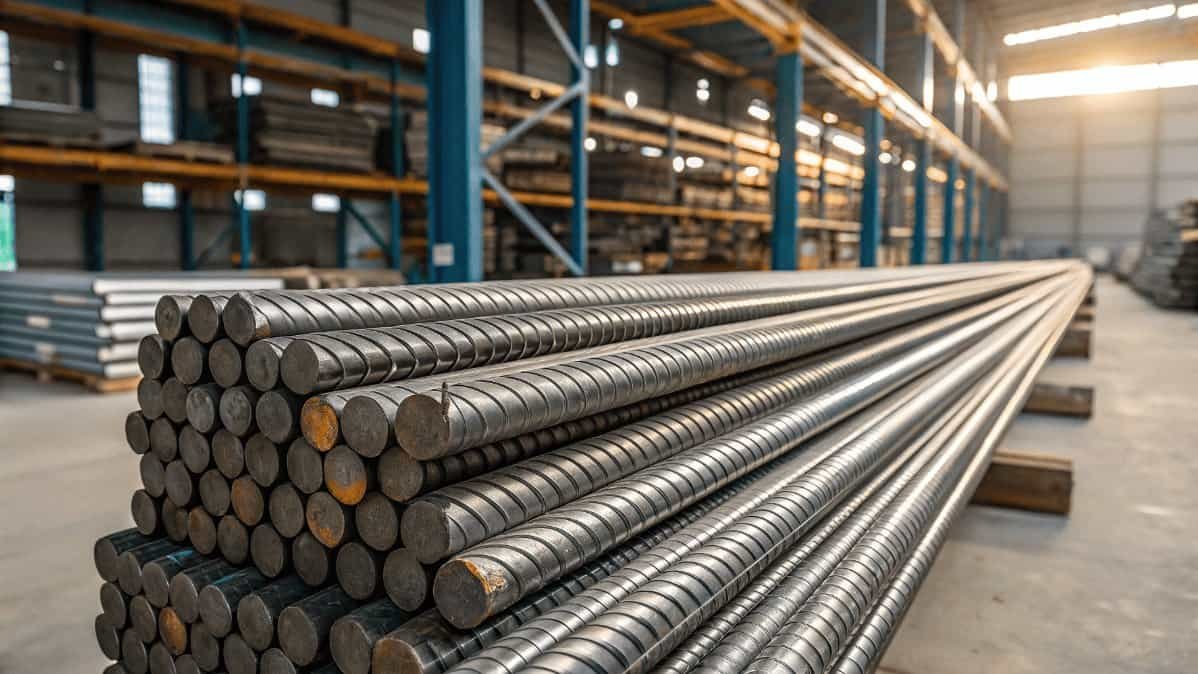
Struggling to choose reliable rebar? Poor quality and unclear standards risk delays and losses. Understanding ASTM grade 60 rebar helps you avoid costly construction mistakes.
Rebar ASTM grade 60 is a high-strength reinforcing steel defined by ASTM standards, offering a minimum yield strength of 60,000 psi. It is widely used in construction for its durability, iontaofacht, and cost-effectiveness, making it an ideal choice for structural reinforcement in global projects.
Atá ann i láthair na huaire, let’s break down why this rebar grade dominates modern construction projects worldwide.
What Does Rebar ASTM Grade 60 Mean?
When comparing various steel specifications across worldwide construction standards and supplier offerings, buyers and engineers frequently inquire about grade 60 rebar.
The term “ASTM a615 grade 60 rebar” describes reinforcing steel bars that are produced in accordance with ASTM guidelines and have a minimum rebar yield strength of 60,000 psi, guaranteeing reliable structural performance.
You must study the rebar astm standards, which specify the manufacturing, testing, and delivery processes for steel bars, in order to completely comprehend astm rebar. The yield strength level, or grade 60, implies that the steel can sustain a considerable amount of stress before permanently deforming. Mar gheall air seo, it is perfect for structural reinforcement in harsh settings. It provides superior performance consistency and safety margins than lower grades.Understanding these standards guarantees easier communication with suppliers and minimizes technical misconceptions during procurement for foreign customers, particularly those sourcing from China.
What Are the Key Properties of Rebar ASTM Grade 60?
Buyers must consider performance factors other than price when choosing reinforcement materials, particularly for long-term infrastructure safety and dependability.
Astm grade 60 rebar is appropriate for intricate and heavy-load building projects due to its exceptional strength, flexibility, weldability, and corrosion resistance.
This grade is extremely valuable since it strikes a balance between strength and suppleness. While ductility enables the structure to absorb stress without shattering, high rebar yield strength guarantees that the structure can support large loads. This is particularly crucial for high-traffic infrastructure or seismic zones. Its weldability also makes on-site fabrication easier and lowers labor expenses. Ina theannta sin, corrosion resistance increases the structure’s longevity, especially in coastal or humid regions like Southeast Asia or Brazil. It is a preferred option for both procurement managers and engineers due to these combined qualities.
How Does Rebar ASTM Grade 60 Compare to Other Grades?
Cost, infhaighteacht, and engineering requirements must frequently be balanced when selecting rebar grades, which can be challenging for those without a thorough understanding of the subject.
Astm grade 60 rebar is more cost-effective for the majority of building applications while offering greater strength and durability when compared to Grade 40.
Although lower-grade rebar, such as Grade 40, may first appear less expensive, it frequently requires more material to reach the same strength, raising overall expenditures. Higher grades, áfach, can surpass project requirements and unduly increase costs. Grád 60 is the ideal level. It is appropriate for global applications since it conforms with the generally recognized ASTM for rebar criteria. This balance guarantees both profitability and customer pleasure for purchasers like Tony, who resell steel in countries like Brazil.
Where Is Rebar ASTM Grade 60 Commonly Used?
Buyers can assess whether this kind of rebar satisfies market demand and project requirements by comprehending application scenarios.
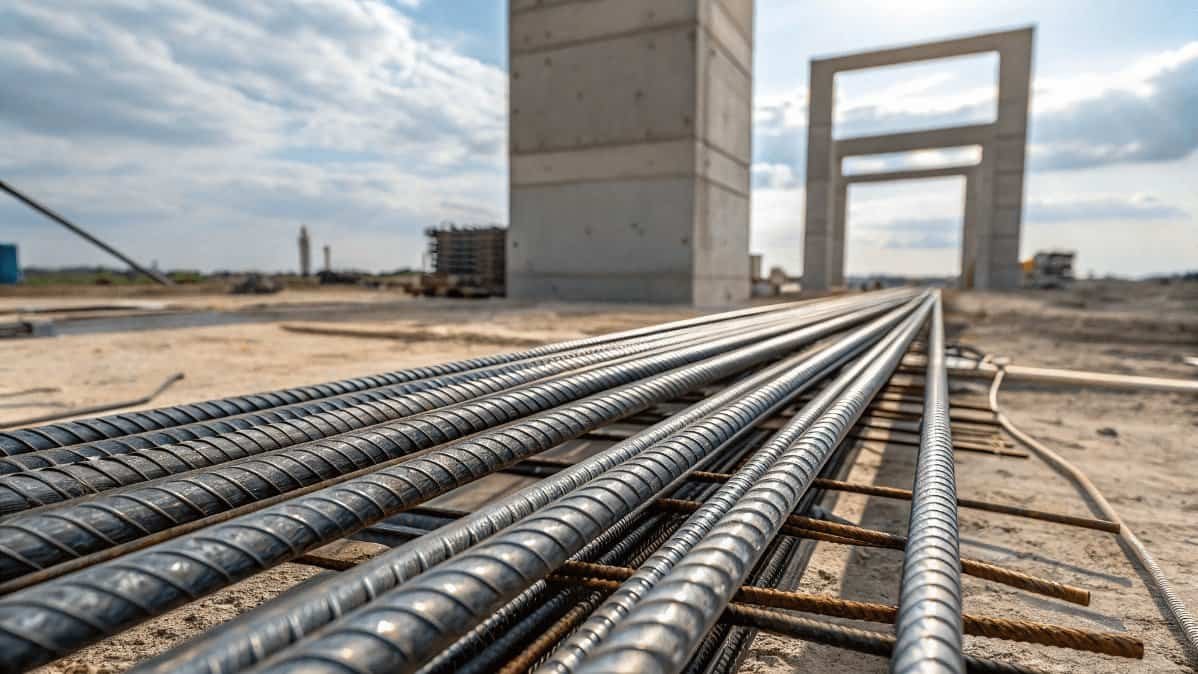
Worldwide, Astm A615 grade 60 rebar is frequently utilized in large-scale infrastructure projects, residential structures, bridges, and highways.
This kind of rebar is used in anything from government infrastructure to tall structures. It is appropriate for both small and large-scale operations due to its robustness and dependability. It is widely employed in urban development and highway construction in South America. Large commercial and industrial constructions are supported by it in the Middle East. Because it complies with international **rebar astm standards**, engineers and contractors can use it with confidence in various locations without requiring significant design modifications.
What Is the Chemical Composition of Rebar ASTM Grade 60?
Steel rebar’s performance, weldability, and durability are all directly impacted by its chemical composition, making it a crucial consideration for purchasers.
Carbon, manganese, and trace elements that improve strength, toughness, and corrosion resistance are commonly found in Astm rebar grade 60.
It’s crucial to have the proper ratio of components. Although carbon boosts strength, too much of it can make a material less weldable. Manganese increases wear resistance and hardness. Additional trace elements enhance durability and optimize grain structure. To guarantee uniformity, manufacturers must adhere closely to the ASTM requirements for rebar. Examining mill test certifications is essential for importers to confirm composition. This guarantees that the steel satisfies project requirements and prevents performance problems down the road.
What Are the Mechanical Properties of Rebar ASTM Grade 60?
For engineers creating secure and long-lasting structures, mechanical characteristics are crucial because they specify how rebar behaves under stress.
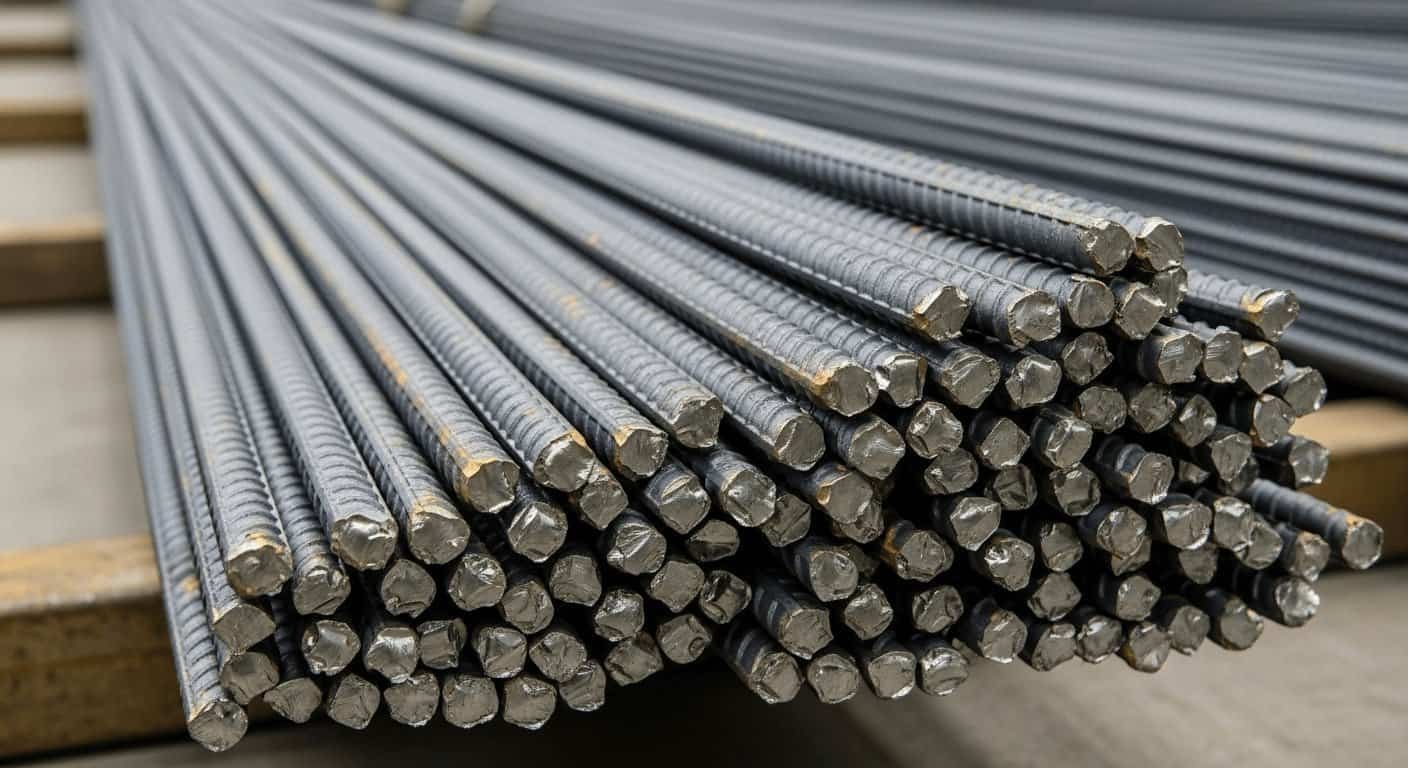
Astm grade 60 rebar is distinguished by its exceptional tensile strength, elongation, and rebar yield strength of 60,000 psi.
Tensile strength determines the steel’s maximum load capacity, whereas yield strength shows when the steel starts to irreversibly deform. These characteristics guarantee that buildings can withstand dynamic loads like wind, traffic, and earthquakes. When creating reinforced concrete systems, engineers base their designs on these principles. Buyers may choose the best material for particular applications and guarantee project requirements are satisfied by knowing these parameters.
How Is the Quality of Rebar ASTM Grade 60 Tested?
One of the main issues when obtaining steel abroad is quality control, particularly when handling large-volume orders.
Tensile testing, bend testing, and chemical analysis in accordance with rebar ASTM standards are used to guarantee quality.
Third-party verification and comprehensive inspection reports are offered by trustworthy vendors. Chemical analysis confirms composition, bend tests assess flexibility, and tensile testing validate strength. Mill Test Certificates (MTC) are crucial records that demonstrate adherence to ASTM A615 grade 60 rebar requirements. To prevent disagreements, buyers should also think about pre-shipment checks. For exporters catering to areas like Latin America, where poor quality can result in large financial losses, this is especially crucial.
What Certifications Should Rebar ASTM Grade 60 Have?
In order to guarantee that steel goods fulfill international standards and are permissible for use in building projects, certifications are essential.
ASTM compliance, ISO certification, and Mill Test Certificates confirming the quality of ASTM grade 60 rebar are common certifications.
These certificates offer quality assurance and traceability. While ISO certification represents the manufacturer’s quality management system, ASTM certification verifies adherence to ASTM for rebar. Each batch’s physical and chemical characteristics are described in detail in mill test certificates. Before placing an order, buyers should carefully check these documents. This lowers risks and guarantees efficient project approval and customs clearance procedures.
What Should You Consider When Buying Rebar ASTM Grade 60?
Buying rebar is a strategic choice that takes into account more than just cost, particularly for foreign distributors and purchasers.
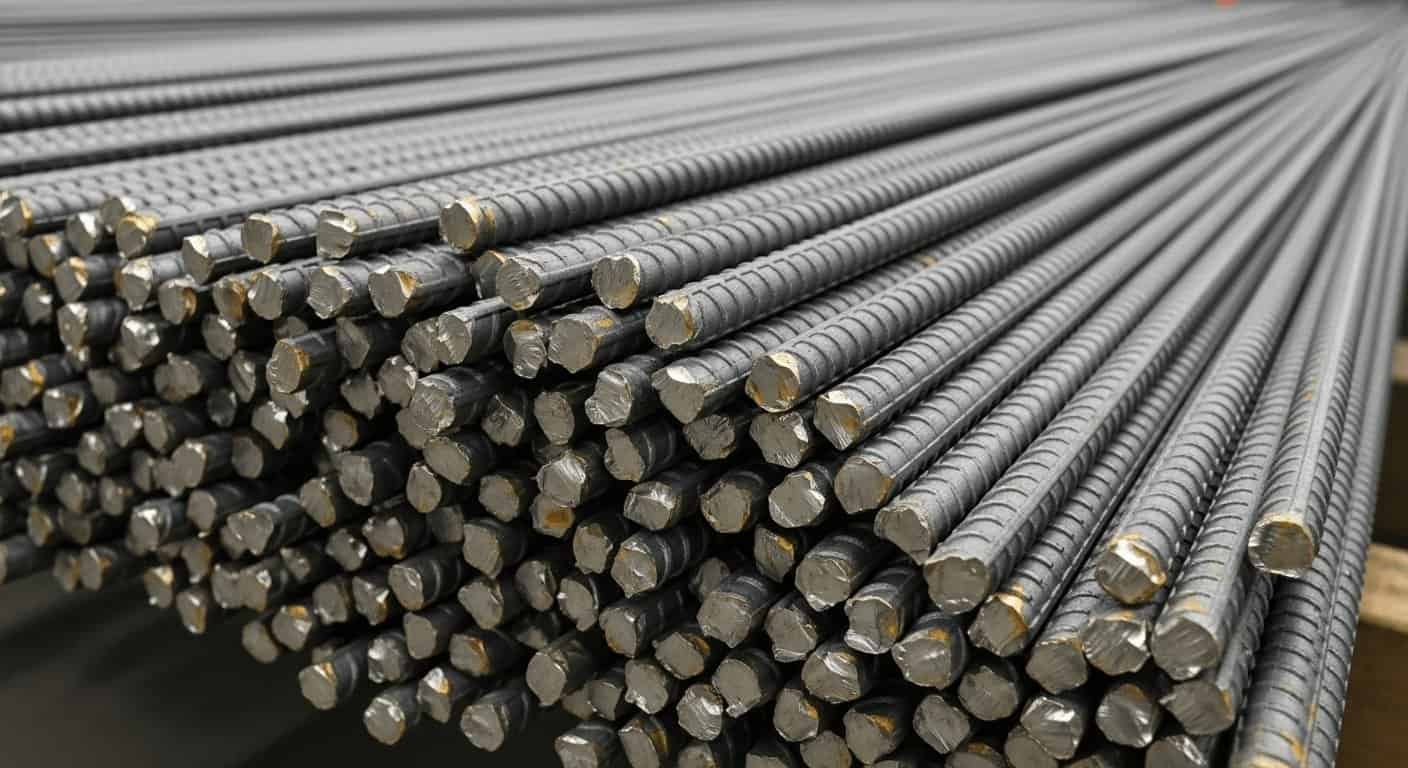
When buying ASTM rebar, important factors to take into account are product quality, certifications, supplier dependability, costas, and logistics.
Inconsistent quality and delayed shipments pose serious dangers for customers like Tony. These issues can be resolved by selecting a seasoned exporter with steady manufacturing capacity. Verifying the size of grade 60 rebar required for your project is also crucial because differing sizes have an impact on application and cost. Ina theannta sin, improving cash flow and minimizing delays can be achieved by being aware of shipment options and payment conditions. Creating enduring relationships with reliable suppliers is frequently the best course of action.
Why Source Rebar ASTM Grade 60 from China?
With competitive advantages that draw in purchasers from around the world, China has emerged as one of the top exporters of steel.
China offers vast manufacturing capacity, affordable ASTM A615 grade 60 rebar, and rising quality standards for customers throughout the world.
Many Chinese suppliers have over 18 years of export expertise and are aware of the demands of global markets. They can offer competitive price, quick delivery, and tailored solutions. This generates significant profit prospects for markets such as Southeast Asia or Brazil. In order to guarantee constant quality, Chinese producers are also progressively adhering to rebar ASTM requirements. Buyers can reduce risks and increase profits in their steel trading business by collaborating with reputable exporters.
Achoimre
Astm grade 60 rebar is a wise and affordable option for construction and foreign steel procurement because it provides strength, dependability, and global compliance.