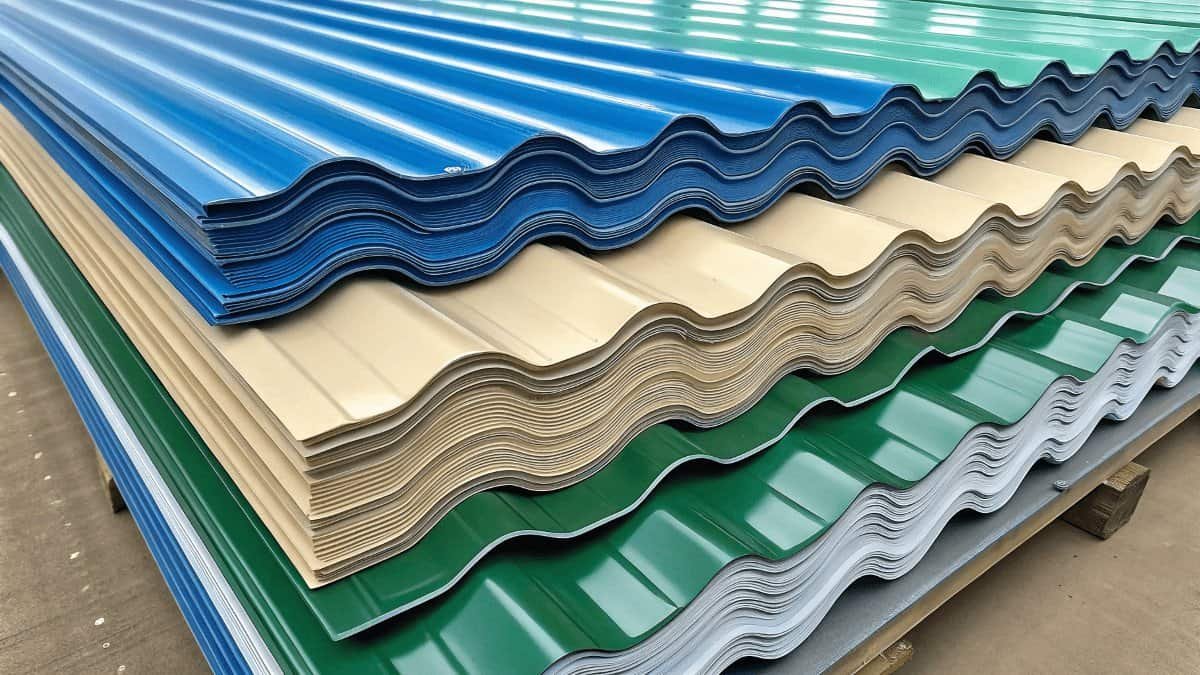
Choosing the wrong roofing material can cause leaks, meirge, and costly repairs. Many buyers struggle with durability and price. corrugated sheets offer a reliable and affordable construction solution.
What are corrugated sheets and how do you choose the right one for your project? Corrugated sheets are metal or plastic panels designed with a wave-shaped structure that increases strength and durability. They are widely used for roofing, wall cladding, and industrial buildings because they provide excellent load resistance, corrosion protection, easy installation, and competitive corrugated sheet price, making them a popular construction material worldwide.
To choose the right product, it helps to understand materials, iarratais, marthanacht, and sourcing considerations.
What Are Corrugated Sheets Used For in Construction?
Strong, lightweight, and reasonably priced materials are essential for modern building. Because of this, corrugated sheets are now among the most widely used materials for wall cladding and roofing in many different industries throughout the world.
Warehouses, factories, agricultural structures, garages, and residential constructions all frequently use corrugated sheets for wall and roofing systems. Their wave-shaped form keeps the material lightweight and simple to install while increasing structural strength.
A repeating wavy or ridged pattern made of materials like cardboard, plastic, or metal is referred to as corrugated. Without adding undue weight, this pattern improves structural rigidity. Corrugated metal panels are frequently used for roofing, siding, fálú, and industrial buildings due to its architectural benefit.
When compared to flat sheets, a steel sheet corrugated structure offers better load-bearing capacity in construction projects. Because these materials save installation time without sacrificing durability, builders frequently favor them. Because corrugated sheets are weatherproof and have a long lifespan, they are often used as roofing for barns and equipment storage facilities in agricultural settings.
Why Are Corrugated Sheets Stronger Than Flat Metal Sheets?
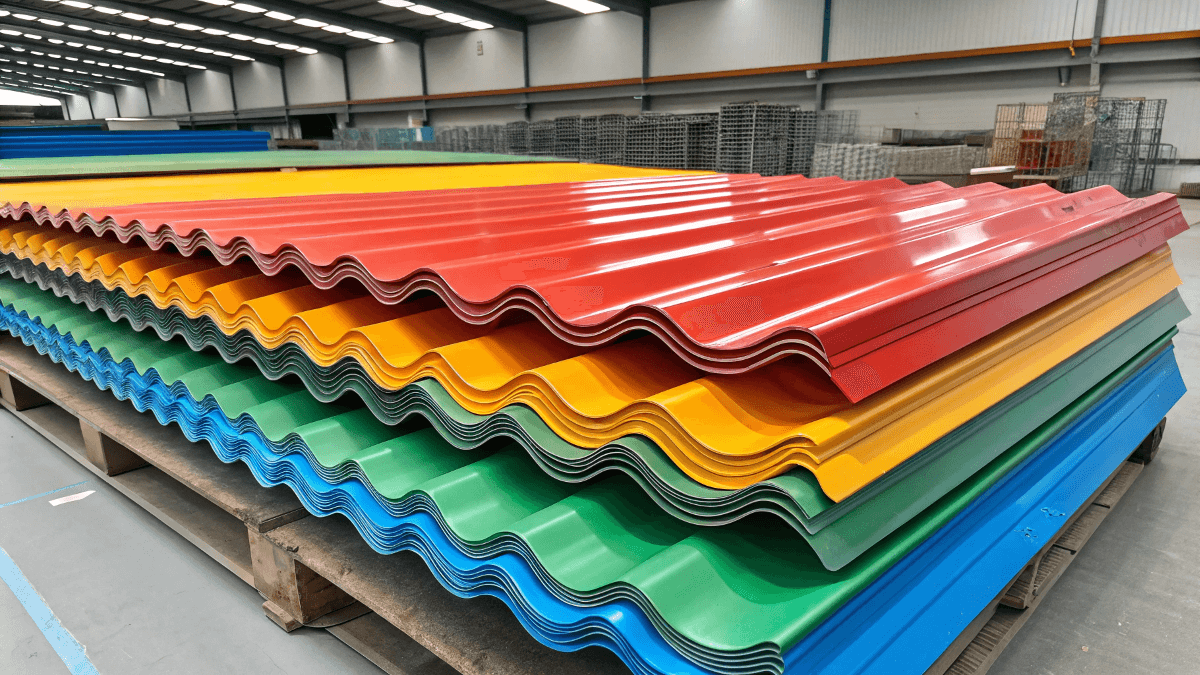
The exceptional strength of corrugated sheet products when compared to flat metal sheets of equivalent thickness is one of the primary reasons engineers and contractors select them.
Corrugated sheets’ wave-shaped design boosts resistance to bending and uniformly distributes pressure. Because of this design, thinner materials may support larger loads without sacrificing structural integrity.
Examining the corrugated definition in terms of engineering can help explain why this works. The process of creating parallel ridges and grooves in a sheet material is known as corrugation. These ridges greatly boost rigidity by serving as reinforcing ribs.
Corrugated metal sheets are more resilient to deformation than flat sheets because of this structure. This allows builders to employ materials that are thinner without sacrificing strength. This results in lower transportation costs, simpler installation, and a lighter building structure overall without compromising durability.
What Materials Are Corrugated Sheets Made From?
When purchasing corrugated sheets, purchasers soon discover that a variety of materials are available. Depending on the climate, buiséad, and durability needs, each variety has distinct benefits.
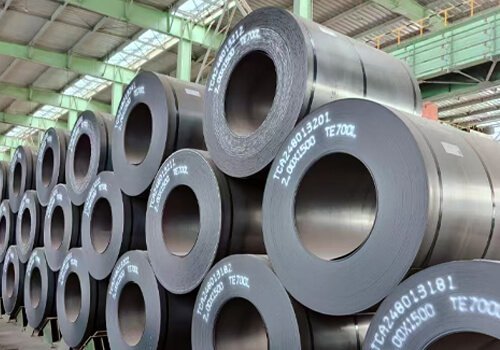
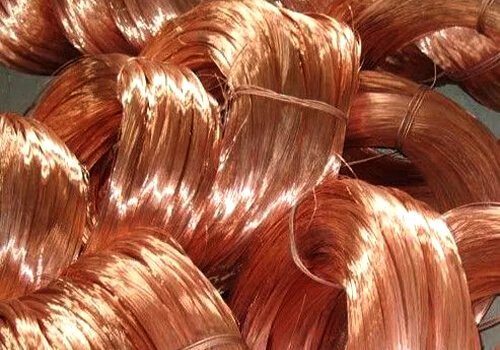
Cruach ghalbhánuithe, cruach dhosmálta, alúmanam, copper, plastic panels, and even corrugated cardboard sheets used for packing are typical materials.
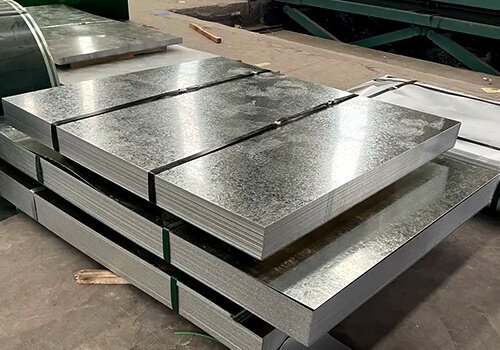
Corrugated metal, particularly cruach ghalbhánuithe, is the most often used building material. Because they combine strength, friotaíocht creimeadh, agus inacmhainneacht, galvanized corrugated sheets are utilized extensively.
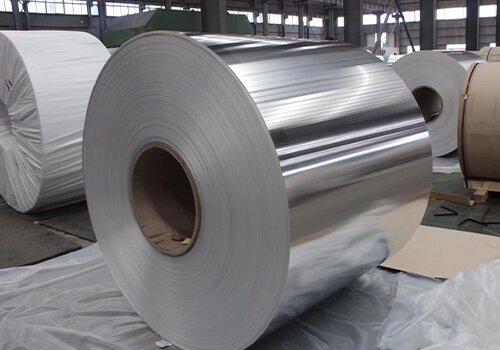
Because aluminum corrugated sheet panels are naturally corrosion-resistant and lightweight, they are appropriate for coastal regions. For commercial settings, stainless steel variants offer even greater durability and resistance to corrosion.
Because they let natural light through, corrugated sheets made of polycarbonate or PVC are frequently used for skylights, greenhouses, and patio roofing in addition to metal components. Corrugated cardboard sheets, on the other hand, are frequently utilized in the packaging sector to provide protection during transit.
How Do Galvanized Corrugated Sheets Resist Corrosion?
One of the main problems with building materials exposed to rain, dampness, or industrial settings is corrosion.This is where galvanised corrugated sheets provide a strong advantage.
A protective zinc coating is applied to the steel surface of galvanized corrugated sheets to prevent corrosion. This layer greatly increases the longevity of the roofing material by keeping moisture and oxygen from coming into direct contact with the metal.
There are two key functions of the zinc coating. It first serves as a physical barrier that prevents air and water from getting to the steel surface. Secondly, it offers protection that is sacrificial. The zinc will deteriorate before the steel beneath, even if the covering is scratched.
Steel sheet corrugated goods with galvanization can endure decades with little upkeep thanks to this protective function. This makes them perfect for commercial buildings, factories, stórais, and farms where cost-effectiveness and durability are crucial.
What Thickness Should You Choose for Corrugated Sheets?
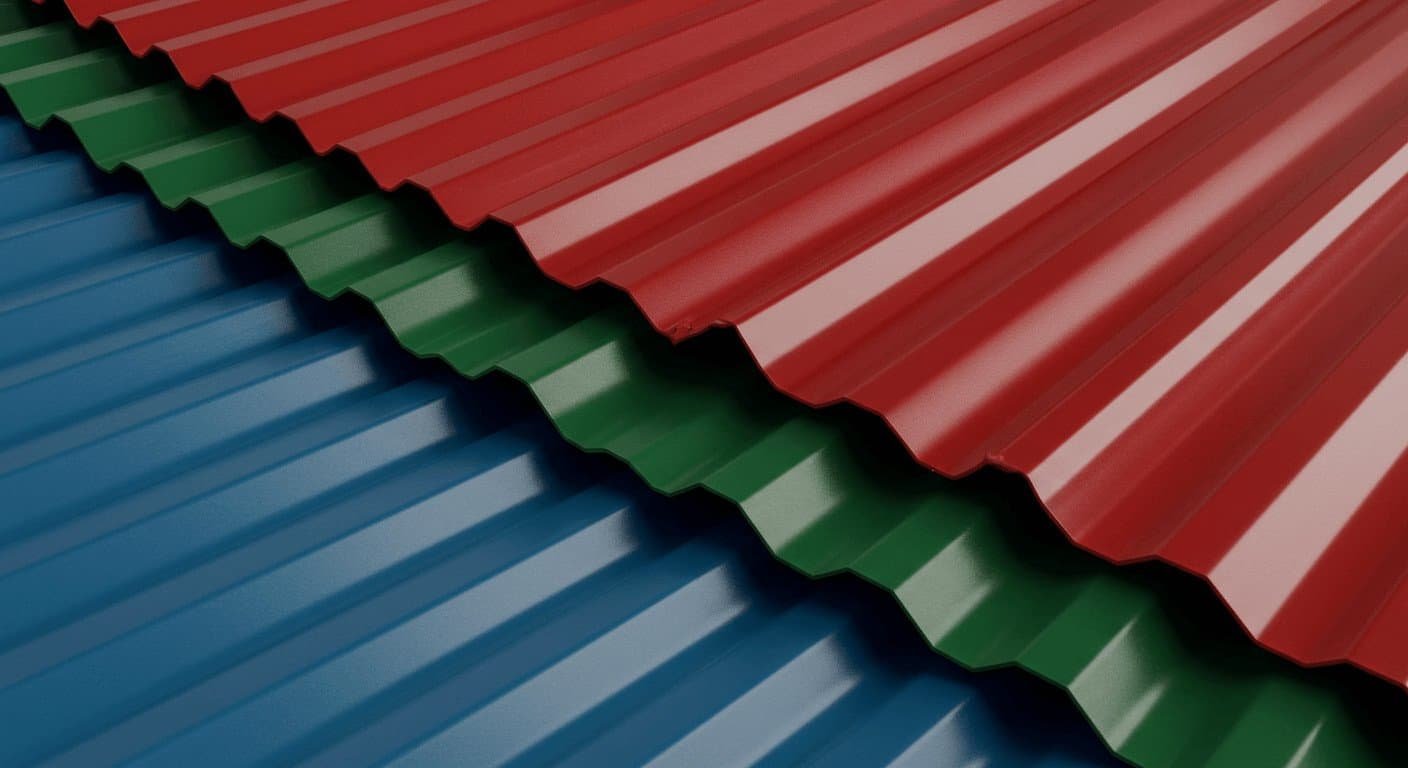
When buying corrugated sheets, selecting the appropriate thickness is crucial. Durability, neart, and the total cost of corrugated sheets are all impacted by thickness.
The thickness of the majority of corrugated sheets is between 0.3 is 1.0 mm. While smaller sheets are frequently selected for light-duty applications or projects with tight budgets, thicker sheets offer greater strength and longevity.
Builders usually employ corrugated sheets with a thickness of 0.4 chuig 0.6 mm for residential roofing. These sheets are reasonably priced and offer sufficient protection.
For better load resistance, thicker corrugated metal sheets between 0.6 is 0.8 mm are frequently used in industrial buildings, stórais, and huge constructions. To guarantee long-term structural stability, thicker panels could be advised in regions with high winds or a lot of snow.
Because thickness directly impacts durability, it also influences the corrugated sheets price in international markets.
How Long Do Corrugated Sheets Typically Last?
Buyers frequently inquire about the lifespan of corrugated sheets under actual conditions while importing building supplies.
Depending on the type of material, protective coatings, installation quality, and environmental factors, high-quality corrugated sheets can endure anywhere from 20 chuig 50 years.
Mar shampla, in typical settings, galvanized corrugated sheets usually last 20 chuig 30 years. Because aluminum naturally creates a protective oxide coating, aluminum sheets may endure even longer in coastal environments.
Service life can also be increased with routine maintenance. Corrosion can be avoided by taking easy steps like clearing dirt, inspecting fasteners, and fixing scratches. When built correctly, corrugated metal roofs in many industrial buildings last for decades without requiring major maintenance.
Are Corrugated Sheets Suitable for Industrial and Commercial Buildings?
Commercial and industrial structures need materials that are strong, reasonably priced, and easy to install. Because corrugated sheets satisfy all of these criteria, they are frequently utilized.
Go deimhin, because corrugated sheets offer excellent strength, weather resistance, and affordable large-area coverage, they are perfect for warehouses, factories, and commercial buildings.
Steel sheet corrugated roofing systems are used in many contemporary manufacturing facilities and logistics hubs. These systems offer superior wind and rain protection while lowering structural load.
Installation speed is an additional benefit. Large corrugated sheet panels save labor expenses by swiftly covering large surfaces. These materials continue to be among the most popular roofing options for industrial buildings globally due to their affordability and durability.

What Should You Check When Importing Corrugated Sheets from China?
It can be beneficial to import corrugated sheets from foreign vendors, but before placing big orders, buyers must carefully consider supplier dependability and quality standards.
Material grade, zinc coating weight, thickness tolerance, certificates, packaging quality, and delivery dependability are important considerations.
Before shipping, professional importers typically ask for inspection reports and mill test certificates. These records confirm the corrugated metal products’ mechanical characteristics and chemical makeup.
While making sure that quality requirements are maintained, buyers should also examine the prices of corrugated sheets offered by various providers. A very low pricing for corrugated sheets could be a sign of inferior materials or thinner coatings, which could shorten the product’s lifespan.
Working with seasoned exporters lowers the risks associated with inconsistent quality, documentation problems, and logistical delays.
How Are Corrugated Sheets Installed Correctly?
If corrugated sheets are put improperly, even high-quality ones will not function well. For durability and weather resistance, proper installation is crucial.
Overlapping panels, sealing connections, utilizing specialty roofing screws with rubber washers, and keeping a sufficient roof slope for drainage are all components of proper installation.
To stop water intrusion, roofers usually overlap corrugated sheets by one or two corrugation waves. To reduce the possibility of leaks, screws are inserted in the corrugated metal panel’s ridges.
Sealants might be used in places that receive a lot of rain. Maintaining an appropriate roof slope also makes it possible for rainwater to swiftly drain away, avoiding stagnant water that could later lead to corrosion.
How Do You Choose a Reliable Corrugated Sheets Supplier?
Choosing a trustworthy corrugated sheets provider can help distributors and construction businesses decide whether a project proceeds smoothly or experiences expensive delays.
Consistent quality, international certifications, affordable prices for corrugated sheets, reliable delivery schedules, and solid export experience are all characteristics of a reliable provider.
During the manufacturing process, professional steel exporters typically uphold stringent quality control procedures. Every steel sheet corrugated product is guaranteed to comply with international standards like ASTM, EN, or JIS.
Reputable vendors also accept a variety of payment options and offer appropriate packaging for overseas shipping. Selecting a seasoned exporter helps prevent shipment delays and quality problems for buyers supplying regions like Brazil, Meicsiceo, or Southeast Asia.
Achoimre
Corrugated sheets are inexpensive, long-lasting building materials that are frequently used in construction and roofing. Buyers can select the finest option by having a thorough understanding of materials, thickness, corrosion protection, and supplier dependability.