Choosing the appropriate PPGI sheet thickness can be confusing for many buyers, which results in subpar quality and unnecessary expenses. Together, we can determine the ideal thickness for your building and roofing projects.
An caighdeán Bileog PPGI thickness for roofing and construction ranges from 0.3 mm to 1.5 mm. Thinner sheets are used for residential roofing and walls, while thicker ones are for industrial structures. The ideal choice balances cost, marthanacht, and application type, ensuring strength and corrosion resistance for long-term performance.
Let’s now examine how various factors impact PPGI corrugated sheet performance and thickness under different circumstances.
What Factors Affect The Ideal PPGI Sheet Thickness?
A number of variables, including coating quality, structural load, and environmental conditions, affect the choice of PPGI sheet thickness. Both price and durability are determined by these.
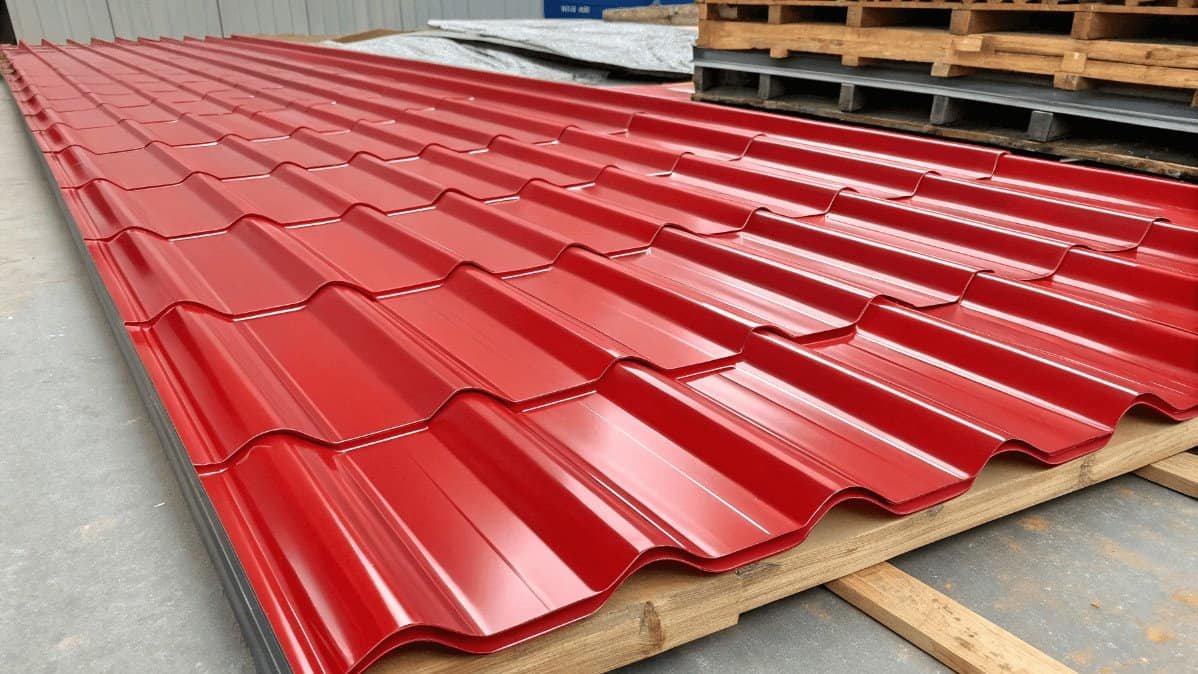
While medium thickness sheets (0.5–0.8 mm) are ideal for PPGI roof and PPGI corrugated sheet applications, thin sheets (0.3–0.5 mm) are appropriate for interior walls or temporary structures. For heavy-duty cladding or high-stress buildings, thick sheets (1.0–1.5 mm) are advised.
Performance is also influenced by a number of other factors, such as paint type and zinc coating thickness. Excellent corrosion resistance is provided by a coating weight of 120–275 g/m², especially in humid or coastal areas. These coating weights and color finishes are frequently described in the PPGI sheet specification. Bileog PPGI size and sheet width should also be taken into account by buyers, since wider sheets might need thicker material to avoid bending.
Total weight is another crucial component. Handling, transportation costs, and structural stability are all determined by the PPGI sheet weight. To estimate the amount of material required, you can use an online PPGI sheet weight calculator. The best outcomes for your building or export projects are ensured by striking the right balance between PPGI sheet price, neart, and longevity.
How Is PPGI Sheet Thickness Measured And Classified?
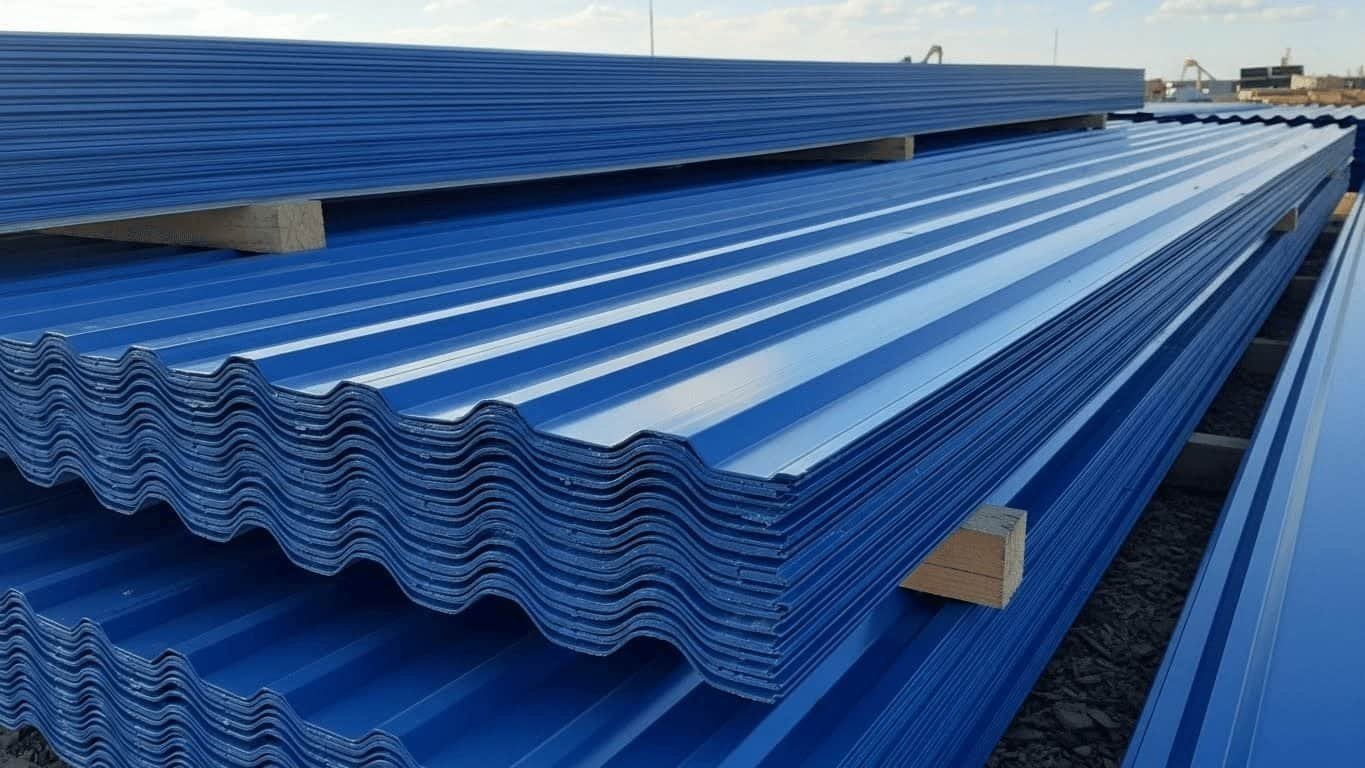
To guarantee that every PPGI corrugated sheet satisfies international standards, precise measurement is crucial. The majority of factories use digital gauges or micrometers to measure PPGI sheet thickness in millimeters.
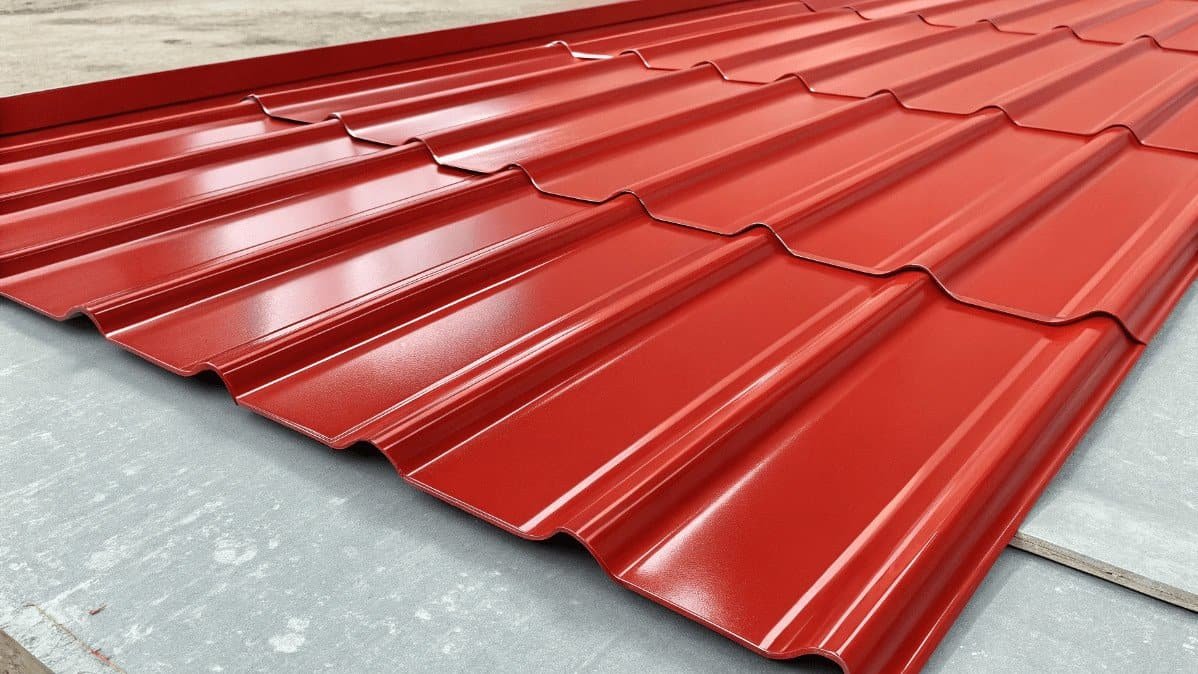
Sheets between 0.3 is 1.5 mm are typically categorized in PPGI sheet specification charts. While structural or heavy-duty panels range from 1.0 chuig 1.5 mm, roofing panels typically fall between 0.4 is 0.8 mm. Particularly for the best roofing sheets used in factories and warehouses, thicker options increase load capacity and wind resistance.
Recall that actual thickness is influenced by PPGI sheet size and coating layers. The protective film and top coat of paint can add between 0.02 is 0.03 mm on each side. As a result, it is essential to confirm the final measurement following coating. The steel core and paint layer densities determine the overall weight of the PPGI sheet, which affects the strength-to-weight ratio of the sheet.
To ensure accuracy, buyers should always compare the Bileog PPGI specification tables provided by suppliers. Mar shampla, width (600–1250 mm), length (customized), and zinc coating grade (Z40–Z275) are frequently listed by Chinese exporters. Having a thorough understanding of these specifics guarantees that you will receive dependable PPGI roof materials for long-term projects and helps prevent confusion.
What’s The Difference Between PPGI And PPGL Sheet Thickness?
When examining technical data, many importers are curious about the differences between PPGI and PPGL sheets. Despite their similar appearance, they have different coatings and uses.
PPGL (Prepainted Galvalume) sheets are coated with an aluminum-zinc-silicon alloy, whereas PPGI sheets are coated with zinc. The overall thickness tolerance and corrosion resistance are both impacted by this small composition change. Although PPGI and PPGL sheet products usually fall within the same 0.3–1.5 mm range, PPGL provides better resistance to heat and saltwater.
In actuality, PPGI corrugated roofing sheet is best suited for inland or dry climates where cost effectiveness is crucial, agus PPGL roofing sheet is more resilient for coastal and humid settings. Ina theannta sin, better UV resistance and paint adhesion are included in the PPGL sheet specification, which increases longevity and color retention.
Because of the aluminum component, PPGL sheets typically cost 10% chuig 15% more than PPGI sheets. Cén dóigh faoin spéir a ...?, the investment is worthwhile for projects that require greater weather endurance. When chosen in accordance with project requirements, both PPGI roofs and PPGL profile sheets can offer exceptional value.
Are PPGI Sheets Waterproof?
A common question from buyers, particularly in the construction industry, is whether PPGI sheets are completely waterproof. Tá, but only if it’s installed properly.
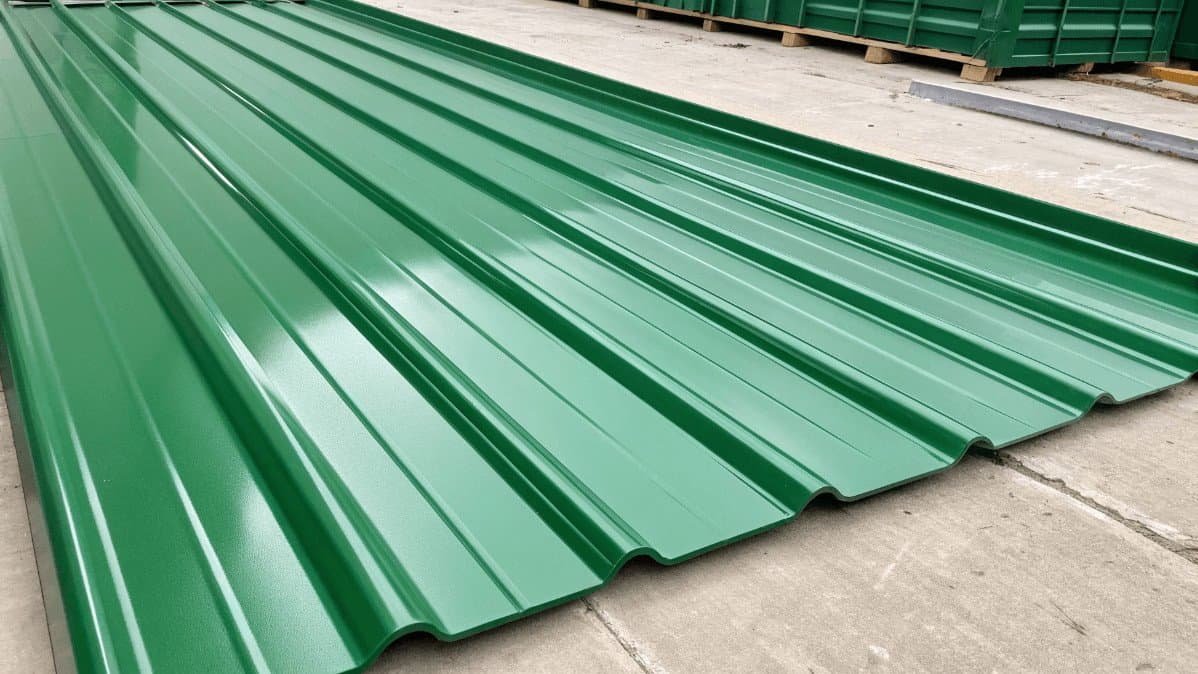
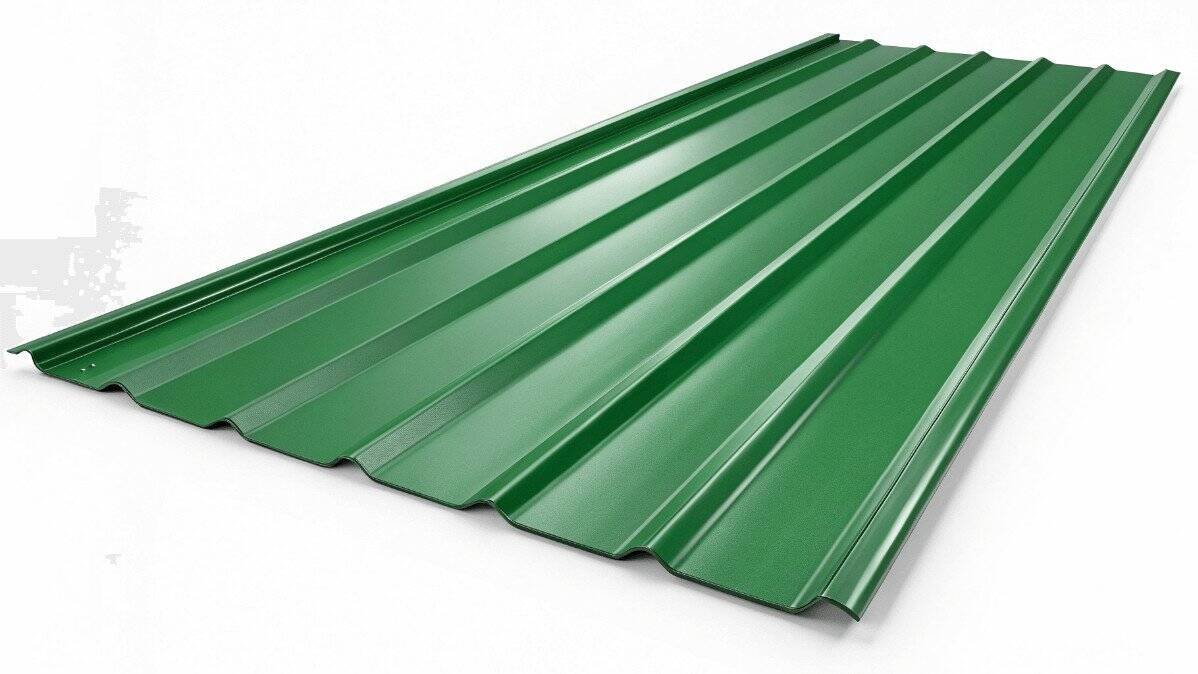
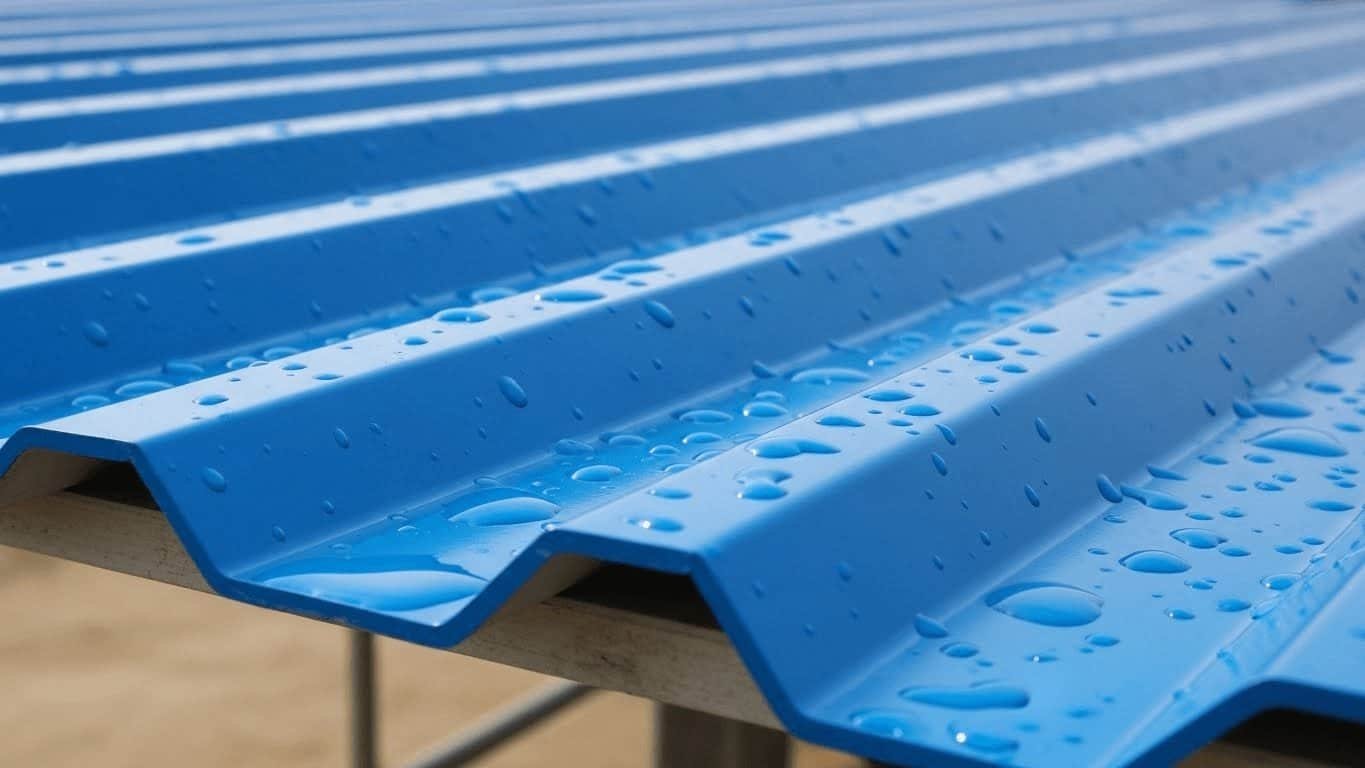
Rainwater is directed away from joints by the overlapping ridges of PPGI corrugated sheet. Polyester paint and zinc or aluminum-zinc coating work together to provide a robust defense against rust and water. The PPGI roof can withstand heavy rainfall for years if it is properly sealed with silicone or waterproof adhesive.
Leaks can still result from shoddy installation. Moisture intrusion may result from spaces between sheets, insufficient overlap, or damaged coatings. Always use dependable sealants and adhere to manufacturer instructions to ensure waterproofing. A suitable sheet slope (at least 10°) also facilitates rapid water drainage, avoiding pooling.
For added protection, some projects even combine PPGI and PPGL sheet systems; PPGI roof panels are kept for cost effectiveness, while PPGL color-coated sheets are used on top layers where exposure to sunlight and water is high. These metal roofs can easily outperform conventional materials in terms of longevity and waterproof performance when properly maintained.
How Long Do PPGI Sheets Last?
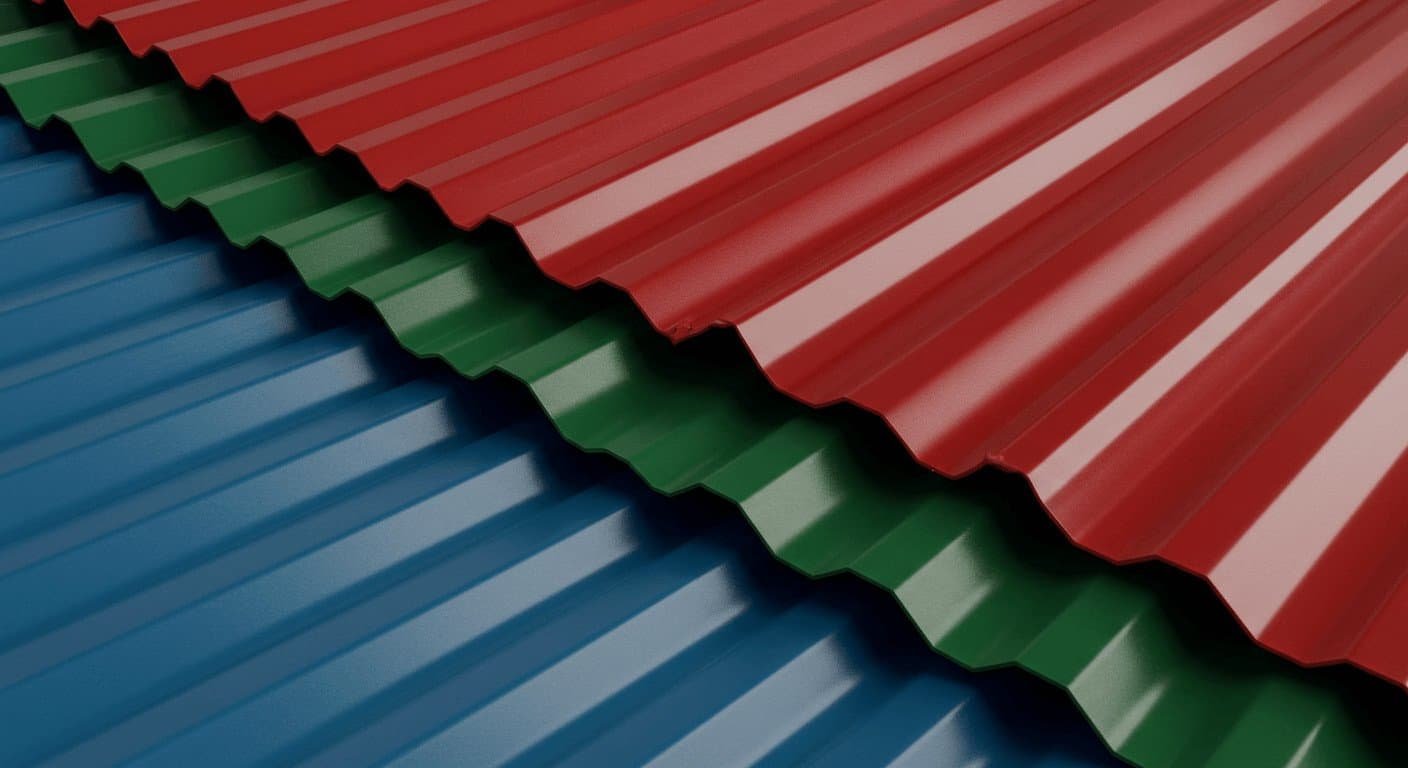
One of PPGI corrugated sheet’s best qualities on the international market is its durability. PPGI sheets typically last 15 chuig 25 years, depending on the local environment, paint system, and coating thickness.
Well-coated sheets may not show any signs of fading or corrosion for more than 20 years in temperate climates. PVDF-coated sheets can even last longer than 25 years. In order to assist buyers in making well-informed decisions, the PPGI sheet specification frequently highlights expected service life under various weather conditions.
Cén dóigh faoin spéir a ...?, installation and upkeep also affect longevity. Trapped moisture may reduce service life if the PPGI roof or PPGI sheet size is not installed correctly with enough slope and drainage. Coating integrity can be maintained with regular cleaning and touch-up painting.
Better ROI is also ensured by choosing the right coating material and thickness. Mar shampla, a 0.6 mm sheet with PVDF paint can last 25 years, lowering the long-term cost per square meter, ach a 0.5 mm sheet with Z180 coating and polyester paint may cost less at first but last 15 years.
Achoimre
Waterproofing, neart, and durability are guaranteed by selecting the appropriate PPGI sheet thickness. Make an informed choice when choosing PPGI or PPGL sheets to ensure long-lasting, superior roofing performance.