Choosing the wrong steel causes corrosion, delays, and budget overruns. Many buyers struggle to decide. I break down the facts so you can choose confidently.
When comparing galvanized vs stainless steel, the better option depends on environment, buiséad, and lifespan. Galvanized steel offers cost-effective corrosion protection for most outdoor projects, while stainless steel delivers superior durability and low maintenance in aggressive or long-term environments. There is no universal winner—only the right choice for each application.
To make the right decision, let’s examine how these materials differ across performance, costas, and real-world applications.
What Is the Real Difference Between Galvanized vs Stainless Steel?
We must first examine how each material is manufactured and corrosion-resistant in order to comprehend the difference between galvanized steel and stainless steel. Their performance, fad saoil, and cost vary greatly depending on the application, which can be explained by the basic differences in their internal structures and protection systems.
Corrosion protection is the primary difference between stainless steel and galvanized steel. Whereas stainless steel employs alloying elements like chromium to create a passive layer that heals itself, galvanized steel uses a zinc coating over carbon steel.
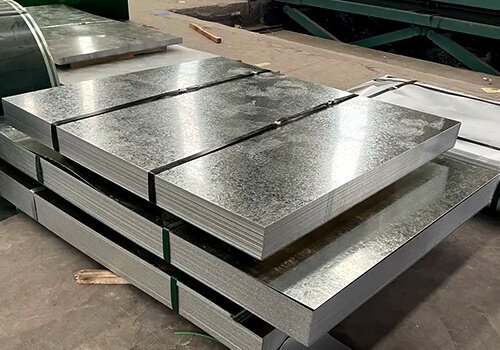
Many consumers want to know what galvanized steel is and how it differs from stainless steel. In essence, galvanized steel is carbon steel that has been coated with zinc, typically via hot-dip galvanizing. As a sacrificial barrier, this zinc coating corrodes initially to shield the steel underneath. Zinc continues to shield exposed regions even after being scratched.
In comparison, cruach dhosmálta is uncoated. It has chromium (and frequently nickel or molybdenum), which combines with oxygen to create a thin but resilient passive film. This film provides stainless steel with long-term corrosion resistance without the need for further coatings because it self-repairs when damaged.
This structural difference explains why comparisons such as galvanized steel vs stainless steel, stainless steel vs galvanized steel, or simply stainless vs galvanized always depend on usage conditions rather than brand or origin.

Galvanized vs Stainless Steel: Which Has Better Corrosion Resistance?
For distributors and construction businesses, corrosion resistance is typically the top priority, particularly in humid or outdoor settings. Cén dóigh faoin spéir a ...?, exposure, moisture, chemicals, and air quality all have a significant impact on corrosion, which is not a single condition.
Galvanized steel works effectively in the majority of mild outdoor conditions. Stainless steel is better suited for harsh or long-term situations because of its exceptional resistance to marine, chemical, and extremely humid conditions.
The atmosphere is crucial when contrasting galvanized and cruach dhosmálta. In rural, dry, or somewhat humid regions, galvanized steel performs exceptionally well. Depending on the thickness of the coating, zinc provides consistent protection for 20 chuig 50 years due to its slow and uniform corrosion.
Zinc, however, corrodes considerably more quickly in industrial areas with chemicals and chlorides or in maritime conditions. In these situations, comparisons between galvanized and stainless steel frequently favor stainless grades like 304 nó 316 because they are far more resistant to pitting and crevice corrosion.Because of this, seasoned purchasers never inquire about “galvanized or stainless steel.” Rather, they inquire about the intended usage and location of the steel. This strategy reduces risk and prevents early failure.
How Do Strength and Structural Performance Compare?
Another misconception in the debate between galvanized and stainless steel is strength. Although grade, thickness, and design have a greater influence on structural strength than only material designation, many people believe stainless steel is always stronger.
High-strength carbon steel is frequently used as the foundation for galvanized steel, although the strength of stainless steel varies by alloy. When appropriately designed, both can satisfy structural requirements.
Cruach charbóin, which has exceptional tensile and yield strength, is usually the starting point for galvanized goods. Steel is appropriate for constructing beams, frames, and coils because the galvanizing process does not considerably weaken the steel.
Grade has a significant impact on stainless steel strength. While duplex stainless steels offer exceptionally high strength, austenitic grades prioritize formability and corrosion resistance. In many building situations, design criteria are more important than material type, and the strength variations between steel and cruach ghalbhánuithe are negligible.
Understanding mechanical needs is significantly more crucial for purchasers sourcing coils or plates than making an assumption-based decision between galvanized and stainless steel.
Galvanized vs Stainless Steel: Which Is More Cost-Effective Long Term?
Purchase decisions are frequently influenced by initial price, while actual profitability is determined by long-term costs. When comparing galvanized and stainless solutions, this is where a lot of importers and distributors make mistakes.
While stainless steel requires less upkeep and repair, galvanized steel is less expensive up front. Which is more cost-effective is determined by the total cost of ownership.
When considering a purchase, cruach ghalbhánuithe is substantially less expensive. This pricing difference can significantly increase cash flow for projects with high volume. Because of this, price-sensitive markets frequently choose galvanized steel over stainless steel.
Cruach dhosmálta, however, frequently performs better in terms of lifecycle cost. Repair and replacement expenses are decreased by its long lifespan and low maintenance requirements. Over decades, stainless steel becomes more cost-effective in premium building or important infrastructure.
Expert purchasers consider the entire cost of ownership instead of just the cost of the materials. This strategy helps prevent costly surprises in the road.

Which Material Is Better for Construction and Infrastructure Projects?
Public infrastructure, bridges, and warehouses are just a few examples of the many different types of construction projects. It is necessary to match material performance with project scope, buiséad, and exposure when deciding between stainless steel and galvanized steel.
While stainless steel is appropriate for specialist or high-exposure infrastructure needing long-term durability, galvanized steel predominates in common construction.
Galvanized steel finds extensive application in fences, structural frames, roofing systems, and reinforcement elements. It is perfect for the majority of commercial and industrial structures due to its cost-effectiveness and ability to prevent corrosion.
Conversely, stainless steel is favored for architectural features, water treatment facilities, bridges, and coastal buildings. In certain situations, longevity and beauty make the higher price point justified.
Many arguments over the choice of stainless steel or galvanized steel in international building markets are resolved when this distinction is understood.
How Do Quality Inspection and Certifications Differ?
International customers are particularly concerned about quality inspection when sourcing from other countries. The certification requirements for stainless and galvanized goods are very different.
Inspection of stainless steel prioritizes mechanical qualities and chemical composition, whereas galvanized steel concentrates on coating thickness and adherence.
Inspections of galvanized steel gauge the weight, consistency, and surface quality of the zinc coating. Commonly needed standards include ASTM A123 and EN ISO 1461.
Chemical analysis, mechanical testing, and surface finish verification are all part of stainless steel inspections. Ina theannta sin, buyers confirm the legitimacy of the grade, particularly when inquiring about frequent misconceptions like whether stainless steel is galvanized.
To lower risk, trustworthy suppliers offer consistent documentation, third-party inspections, and mill test certificates.
How to Choose the Right Supplier for Galvanized or Stainless Steel?
If the material is delivered inconsistently, even the best material will fail.Supplier selection is critical when dealing with galvanized steel vs stainless steel for export markets.
Select vendors who have a track record of successful exports, consistent production, stringent inspection procedures, and dependable logistics capabilities.
In addition to production, a seasoned exporter is aware of packaging, paperwork, and delivery schedules. For purchasers catering to seasonal markets, this is essential.
Seek out vendors who offer flexible logistics options, transparent communication, and a track record of quality. Particularly in long-distance trade, these elements lower the risks of delays and quality issues.
How Do Galvanized and Stainless Steel Perform in High-Temperature or Outdoor Environments?
Steel performance is greatly impacted by temperature extremes and extended outdoor exposure. When choosing between galvanized steel vs stainless, buyers must take these factors into account.
Zinc coatings can be damaged by high temperatures, whereas stainless steel is more stable and hence better suited for areas that are exposed to heat or sunlight.
Although galvanized steel works well outside, prolonged high temperatures can hasten the deterioration of zinc. Stainless steel is appropriate for industrial and energy applications since it is stable in the face of heat and UV radiation.
Decisions in areas with harsh weather are frequently influenced by this issue.
Galvanized vs Stainless Steel: Which Is Easier to Fabricate and Weld?
Production schedules and labor expenses are impacted by fabrication efficiency. Ease of welding and forming differs between stainless steel vs galvanized steel.
Although galvanized steel is simpler to shape, welding involves the removal of zinc. Stainless steel produces cleaner welding but requires more skill.
To prevent flaws, ventilation and surface preparation are necessary while welding galvanized steel. Although welding stainless steel requires more skill, when done properly, the joints are of excellent quality.
Buyers are better able to select materials that complement their manufacturing capabilities when they are aware of the fabrication needs.
Which Option Reduces Supply Risk and Delivery Delays?
Until delays happen, supply stability is frequently disregarded. Consistent availability is just as important to importers as material performance.
Compared to stainless steel, galvanized steel often has a more consistent supply and shorter lead times.
A steady supply of galvanized items is guaranteed by China’s extensive production capability. Stainless steel is more dependent on the availability of alloys, which is subject to change.
Selecting the appropriate material helps safeguard sales cycles and drastically lower supply chain risk.
Achoimre
When comparing stainless steel to galvanized steel, there is no clear winner. To optimize long-term value, the ideal decision strikes a balance between supply reliability, feidhmíochta, costas, and environment.