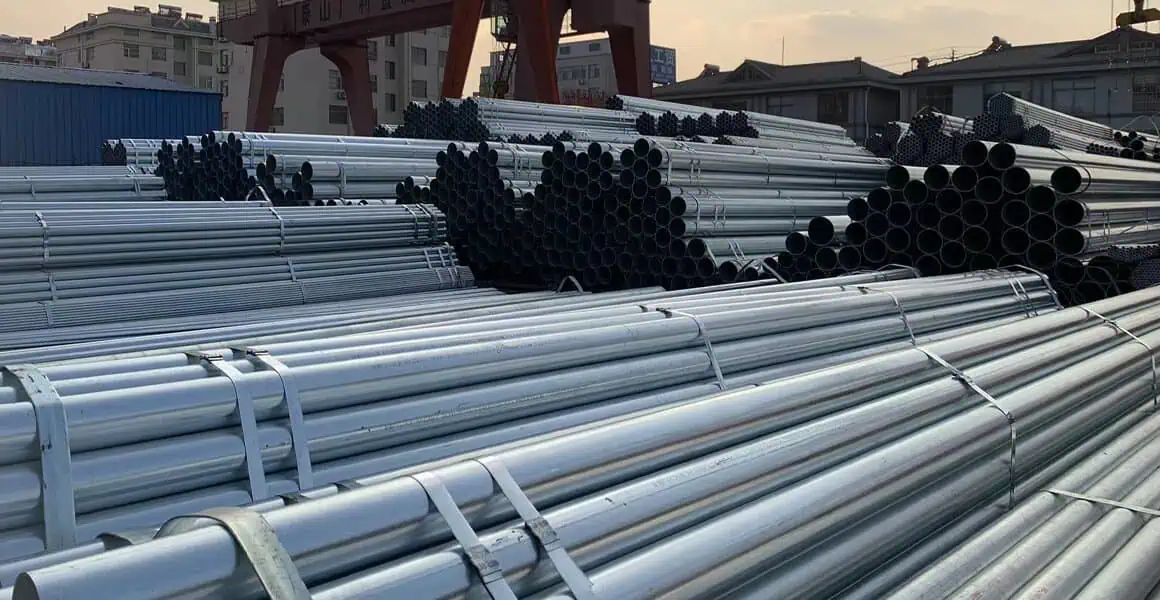
Corrosion can dramatically reduce the lifespan of metals, causing costly repairs and replacements.Without protection, materials like steel and iron are prone to rust and environmental damage.Galvanization, the process of coating metals with zinc, provides an effective and long-lasting solution to corrosion, making materials more durable and cost-efficient.
What is the application of galvanization in modern industries? Galvanization is the process of applying a protective zinc coating to steel or iron to prevent corrosion. It is widely used in industries such as construction, automotive, and energy to enhance durability, extend product life, and reduce maintenance costs.
Let’s dive into the diverse applications of galvanization across various industries and its benefits.
What Is Galvanization and Its Application?
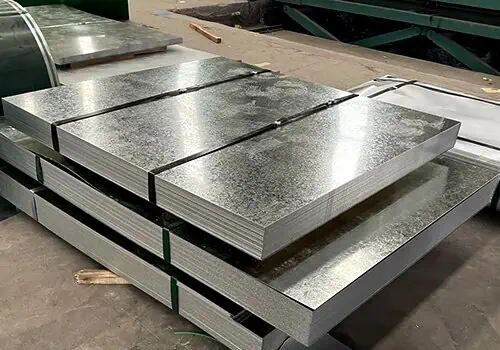
Galvanization is a well-known method for preventing rust and corrosion in metals, particularly steel and iron. Galvanizing is the process of coating metals with zinc, which can be done through hot-dip galvanization or electroplating. This protective coating serves as a barrier, keeping moisture and other corrosive elements from coming into contact with the base metal.
The application of galvanization is widely used in a variety of industries, including construction, automotive, and infrastructure. Galvanized steel is widely used in applications where corrosion is a major concern. Galvanized steel, for example, is used in construction to ensure that structural components, roofing materials, and piping systems can withstand harsh environmental conditions without rapidly deteriorating.
Galvanized steel is critical in the automotive industry for producing vehicle bodies that can withstand exposure to the elements, lowering the risk of rust, which could jeopardize the vehicle’s safety and performance. Galvanization is also widely used in the energy industry, where it protects power transmission lines, wind turbines, and even offshore oil rigs from corrosion under extreme conditions.
What Is Galvanized Steel Used For?
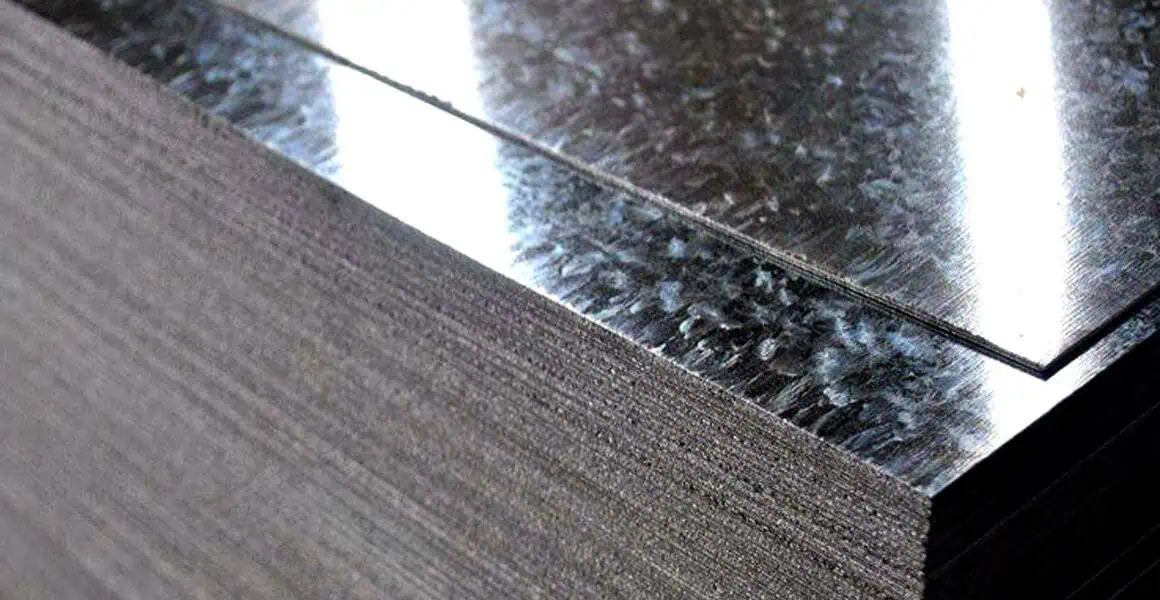
Galvanized steel’s strength and corrosion resistance make it suitable for a wide range of applications. Galvanized steel is widely used in construction, including structural beams, rebar, roofing, and fencing. Galvanized materials’ ability to resist corrosion means they can withstand exposure to weather and moisture without degrading, making them suitable for use in both residential and commercial construction.
Galvanized steel is used in the automotive industry for vehicle bodies as well as components such as bumpers and exhaust systems. The use of galvanization in this context extends vehicle life by providing rust protection, which is critical for maintaining the vehicle’s integrity and appearance over time.
Other applications for galvanized steel include household appliances such as washing machines, refrigerators, and microwave ovens, where the material’s durability extends the appliance’s life while reducing the need for frequent maintenance.
What Are the Benefits of Galvanization?
Galvanization offers numerous advantages, which contribute to its widespread use in a variety of industries. One of its primary advantages is corrosion resistance, which significantly increases the lifespan of materials exposed to harsh environments. Galvanized steel provides strong rust and corrosion resistance in construction materials, automotive parts, and energy infrastructure, reducing the need for expensive maintenance and replacements.
Galvanization is also very cost-effective. While galvanizing may be more expensive than untreated materials at first, the long-term savings are due to less maintenance and a longer lifespan. Galvanized materials can last for decades without showing signs of wear, providing a significant return on investment.
Another important advantage of galvanization is its environmental friendliness. Zinc is a naturally abundant element, and the galvanizing process generates less waste than other protective coatings. Furthermore, galvanized materials are 100% recyclable at the end of their life cycle, lowering their environmental impact.
What Industries Benefit Most from Galvanization?
Galvanization is particularly useful in industries where metals are subjected to harsh weather conditions, chemicals, or moisture. The construction industry stands to benefit the most, as galvanized steel is used for everything from roofing and piping to reinforced steel in concrete structures. By galvanizing these materials, construction companies ensure that their buildings and infrastructure will last.
Galvanization is critical in the automotive industry for vehicle parts that come into contact with rain, snow, and road salt. The galvanizing process helps to prevent rust and corrosion, extending the life and safety of vehicles. Furthermore, in the energy sector, the use of galvanized steel for power transmission lines, wind turbines, and offshore oil rigs ensures that equipment remains functional even in harsh environmental conditions.
The marine industry also benefits from galvanization, particularly in shipbuilding and offshore structures where metals are constantly exposed to saltwater and require superior corrosion resistance.

When Should You Use Galvanized Materials?
Knowing when to use galvanized materials is critical for ensuring their effectiveness. Galvanization is best suited for environments where metals are exposed to moisture, chemicals, or high humidity. Under these conditions, galvanized steel acts as a barrier, preventing rust from forming and damaging structural components.
Galvanized steel is an excellent choice for outdoor fences and piping systems that will be exposed to rain. It offers long-term protection, reducing the need for repairs and replacements over time.
Vehicles driven in coastal areas or in regions with heavy snow and ice should use galvanized parts to avoid salt damage. Similarly, when building bridges, galvanized steel ensures that structural components can withstand exposure to weather and environmental factors while remaining safe.
How Long Does Galvanizing Last?
The longevity of galvanized coatings is heavily dependent on the environment in which they are used. Under normal conditions, galvanized steel can last between 20 and 50 years before showing significant signs of wear. Galvanized materials can last for decades with little maintenance in mild climates.
However, in harsh environments such as coastal regions or areas with high industrial pollution, galvanized steel’s lifespan may be reduced. Under such circumstances, the galvanizing process may need to be repeated more frequently to maintain corrosion protection.
The thickness of the zinc coating also influences how long the galvanization will last.A thicker zinc layer provides more protection and lasts longer, so it’s critical to select the appropriate type of galvanization for the application.
What Challenges Are Associated with Galvanization?
While galvanization has numerous advantages, there are some drawbacks and limitations to consider. One of the primary drawbacks of galvanization is the cost. The galvanizing process can be costly, particularly for small-scale projects or materials that require a high degree of precision. Furthermore, galvanized steel may not be appropriate for all applications, particularly in harsh environments containing highly aggressive chemicals or extremely high temperatures.
Another issue is that galvanized materials are prone to embrittlement. This occurs when the zinc coating interacts with specific metals, causing the material to become brittle and crack. This issue can be mitigated by carefully selecting materials and galvanization methods.
What Does the Future Hold for Galvanization?
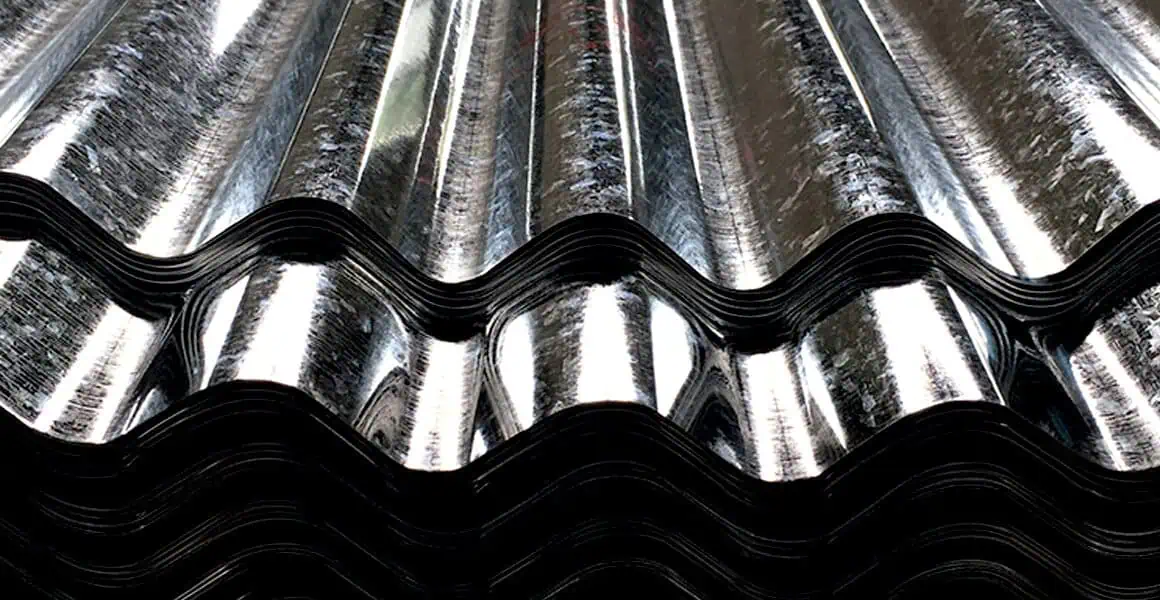
As technology advances, the future of galvanization appears promising. Advances in materials science are making galvanizing more efficient and cost-effective. For example, researchers are developing new coatings that are easier to apply and provide even better corrosion protection.
The trend toward more environmentally friendly practices extends to galvanization. New methods are being developed to reduce the environmental impact of the galvanizing process, such as the use of zinc alloys and hybrid coatings that combine the advantages of multiple protective layers.
The growing demand for sustainable construction and infrastructure is likely to drive further innovation in galvanizing techniques, ensuring that galvanized materials continue to provide long-term, cost-effective solutions for industries around the world.
Summary
Galvanization is an important process that provides long-term protection to metals exposed to the elements. Its numerous applications in industries such as construction, automotive, and energy demonstrate the importance of maintaining long-lasting, corrosion-resistant materials. As innovations in the galvanizing process emerge, the future of this protective technique looks brighter than ever.