
Choosing the wrong stainless steel grade can cause corrosion, delays, and losses. Many buyers feel confused. Let’s simplify the decision process.
The main types of stainless steel grades include austenitic, ferritic, martensitic, duplex, and precipitation-hardening. Each offers unique corrosion resistance, strength, and cost benefits. Understanding stainless steel grades helps buyers choose the right material based on environment, application, and budget.
Now, let’s explore each type and how to select the best option.
What Are Austenitic Stainless Steel Grades?
Of all the stainless steel grades, austenitic is the most commonly utilized, particularly in industrial and construction settings.
Austenitic grades, like 304 and 316, have strong weldability, high ductility, and outstanding corrosion resistance. They are extensively utilized in the chemical, building, and food processing industries and are non-magnetic.
Austenitic steels rule the world market when it comes to stainless steel grades. While 316 contains molybdenum, which increases resistance to chlorides and marine conditions, grades like 304 are more affordable and adaptable. Because of their widespread use, these are frequently included in stainless steel grade charts. These grades are perfect for resale in markets like Brazil because they strike a balance between price and performance for customers like Tony.If you are wondering how to know stainless steel grades, checking chemical composition and certifications is critical when sourcing from overseas suppliers.
What Are Ferritic Stainless Steel Grades?
Another significant category among the various stainless steel grades is ferritic stainless steels, which are frequently selected for projects with tight budgets.
Ferritic stainless steels, such as grade 430, offer good thermal conductivity and a moderate level of corrosion resistance. Compared to austenitic grades, they are less expensive and magnetic.
Ferritic steels are frequently found in stainless steel varieties used for indoor, automotive, and appliance uses. They function effectively in low-corrosion conditions, while not having the corrosion resistance of austenitic grades. When evaluating stainless steel grades, many consumers who are on a tight budget take ferritic possibilities into consideration. To prevent complaints about performance constraints, it is crucial for export companies to explain application scenarios to their clients.

What Are Martensitic Stainless Steel Grades?
Martensitic stainless steels are distinct from other varieties of stainless steel due to their exceptional strength and hardness.
High strength and wear resistance can be achieved by heat-treating martensitic grades like 410 and 420. They are frequently found in industrial machinery, knives, and tools.
Martensitic steels stand out on a stainless steel grades chart because of their mechanical characteristics. However, in comparison to austenitic grades, they provide less corrosion resistance. Martensitic grades are the solution to a common question from buyers about stainless steel grades that are appropriate for cutting equipment. These grades necessitate good communication between exporters and technical buyers like Tony on heat treatment and hardness standards.
What Are Duplex Stainless Steel Grades?
Duplex stainless steels are a top choice among many stainless steel grades because they combine the benefits of austenitic and ferritic structures.
Particularly in chloride conditions, duplex stainless steels provide exceptional corrosion resistance and high strength. For oil, gas, and maritime applications, they are perfect.
Because of their excellent performance, duplex steels are becoming more and more popular in international trade. For harsh settings, they frequently come in advanced stainless steel ratings. Duplex steels have a longer service life than normal grades, which lowers long-term expenses. Duplex grades can lower maintenance concerns for buyers shipping to coastal countries such as Brazil. When aiming for high-end industrial clientele, it is crucial to comprehend these types of stainless steel grades.
What Are Precipitation-Hardening Stainless Steel Grades?
High-performance materials utilized in specialized industries are precipitation-hardening stainless steels.
After heat treatment, some grades—like 17-4PH—offer remarkable strength and corrosion resistance. The aerospace and high-tech industries frequently employ them.
Precipitation-hardening steels are essential in high-value industries, while being less frequent. They are frequently included in comprehensive resources for engineers that describe stainless steel grades. Buyers must confirm supplier skills because these materials need to be produced and certified precisely. Offering these grades might help exporters promote their company as a premium supplier instead than a commodity dealer.
What Is the Difference Between 304 and 316 Stainless Steel?
When comparing various grades of stainless steel, many consumers often inquire about the distinction between 304 and 316.
The primary distinction is that 316 is more resistant to corrosion than 304 because to its molybdenum content, particularly in chemical and marine conditions.
One of the most popular searches under “What are the three grades of stainless steel?” is this comparison. 316 is recommended for tough situations, even though 304 is more extensively used and more reasonably priced. Tony and other buyers must decide between these two based on consumer expectations and end-use. You can become more competitive in foreign markets by offering both alternatives in your product range.
Which Stainless Steel Grade Is Best for Construction Projects?
Because construction projects need long-lasting materials, choosing the right kinds of stainless steel is essential.
Because of its durability, strength, and resistance to corrosion, grades like 304 and 316 are frequently utilized in construction.
A stainless steel grades chart is a collection of proven materials that construction companies frequently use. 304 is often adequate for indoor constructions. 316 is recommended for outdoor or seaside tasks. Since delays can affect project timeframes, which are a major source of frustration for foreign clients, exporters must also take certification and logistics needs into account.
Which Stainless Steel Grade Is Best for Marine Environments?
Because marine settings are extremely corrosive, specific stainless steel grades are needed.
Because of their exceptional resistance to seawater corrosion, 316 and duplex stainless steels are the finest options for maritime applications.
Lower-grade materials are easily damaged by exposure to saltwater. For this reason, it is crucial to comprehend stainless steel rates. In harsh circumstances, duplex steels perform much better than 316. Offering marine-grade materials can greatly improve your value proposition and lower customer complaints for exporters aiming to reach coastal markets.
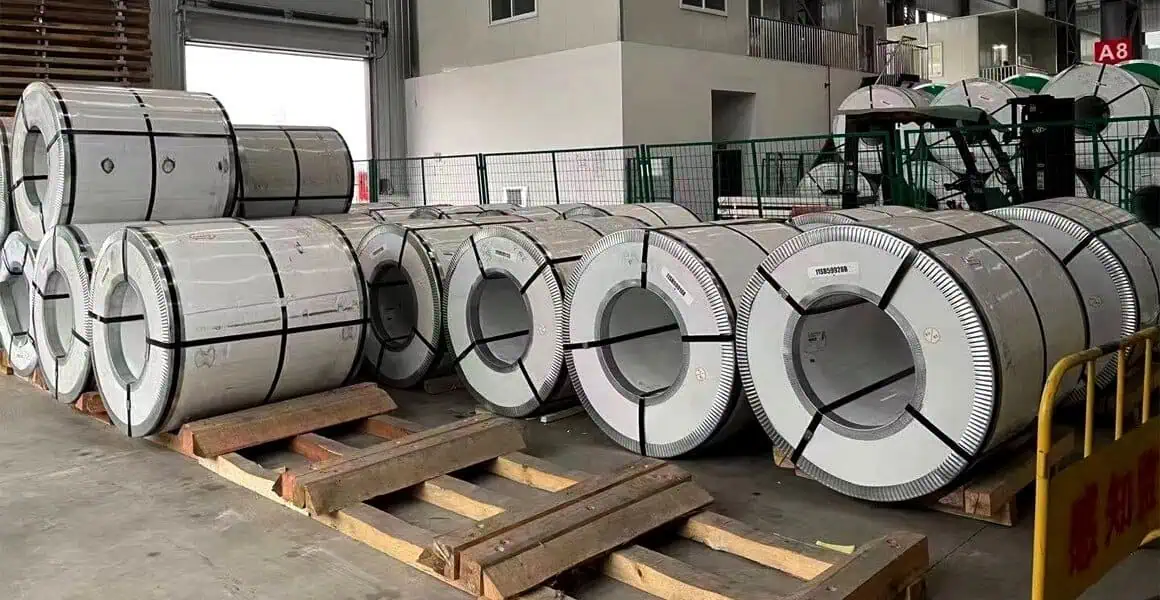
How Do You Choose the Right Stainless Steel Grade for Your Application?
It’s important to consider more than just pricing when choosing a material.
The environment, corrosion exposure, strength requirements, budget, and certification standards should all be taken into account when selecting the appropriate grade.
When purchasing stainless steel from overseas suppliers, many customers inquire about how to determine the grades. Certifications, mill test results, and supplier credibility hold the key to the solution. Clear information and suggestions should be used by exporters to assist clients in the selection process. Offering a condensed guide explaining stainless steel grades can boost conversion rates and foster trust.
What Factors Affect Stainless Steel Grade Pricing?
For consumers evaluating various grades of stainless steel, price is a major consideration.
Alloy composition, manufacturing method, market demand, and transportation expenses all affect price. Costs are typically greater for corrosion resistance.
For instance, the molybdenum content of 316 makes it more costly than 304. Precipitation-hardening and duplex grades are much more expensive. To balance cost and performance, buyers frequently use a stainless steel grades chart to assess options. In order to prevent delays that could affect customer earnings, exporters must also carefully control shipment schedules, particularly in highly competitive areas like South America.
Summary
Knowing the grades of stainless steel enables you to make better purchase decisions and ensure long-term business success by balancing cost, quality, and performance.