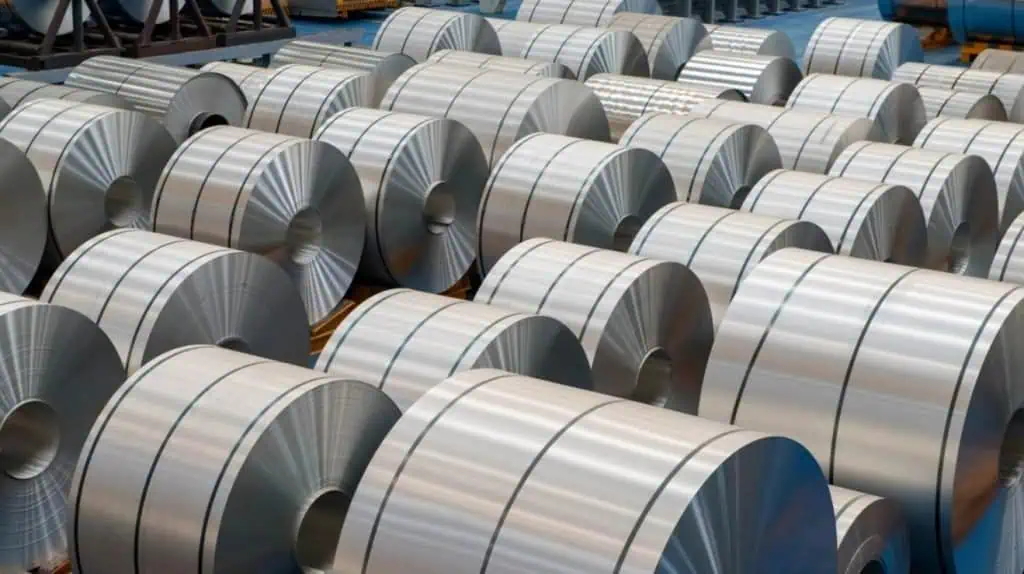
The galvanizing steel process is crucial for increasing the durability and lifespan of metals. But what exactly are the galvanizing process steps, and how do they impact product quality?
The galvanizing process involves several key steps like cleaning, pickling, and applying a zinc coating to metals. These steps ensure the steel becomes corrosion-resistant and long-lasting. By understanding the galvanizing process, you can select the best suppliers and guarantee the quality and durability of your products, whether they are for construction, manufacturing, or industrial purposes.
Now that we understand its importance, let’s explore the detailed galvanizing process steps and how each one contributes to a high-quality finish.
What Are the Preliminary Steps in the Galvanizing Process?
The first steps in the galvanizing process involve preparing the metal for zinc application. Proper cleaning and surface preparation are required to ensure that the zinc coating adheres effectively and provides long-term results.
Before applying zinc, the steel must be thoroughly cleaned to remove contaminants such as dirt, oil, and rust. This cleaning ensures that the galvanizing process runs smoothly and that the zinc bonds securely to the metal.
The first phase of the galvanizing process entails cleaning the steel surface using various methods such as degreasing, acid cleaning, and sandblasting. Any dirt, oil, or oxidation on the metal may prevent the zinc from adhering properly. In most cases, the steel is first dipped in an alkaline solution to remove grease and oil, followed by an acid bath to remove rust and oxidation. This thorough cleaning process ensures that the galvanizing process produces a long-lasting, corrosion-resistant coating.
How Does Pickling Improve the Galvanizing Process?
The next critical step is pickling, which removes any contaminants from the metal surface that could impair the zinc coating’s quality.
Pickling involves immersing the steel in an acid solution to remove rust, oxidation, and other impurities, resulting in a clean surface for the galvanizing process to work properly.
Pickling, a critical step in the steel galvanizing process, cleans the metal by removing rust, scale, and oxides. The steel is immersed in a hydrochloric or sulfuric acid solution, which reacts with the impurities, leaving the metal surface clean and free of contaminants. This step is critical for achieving high-quality galvanized results because a clean, smooth surface is required for the zinc to bond effectively. If not properly pickled, the galvanized process may result in an uneven coating, reducing the protection offered by the zinc layer.
What Is the Role of the Galvanizing Bath?
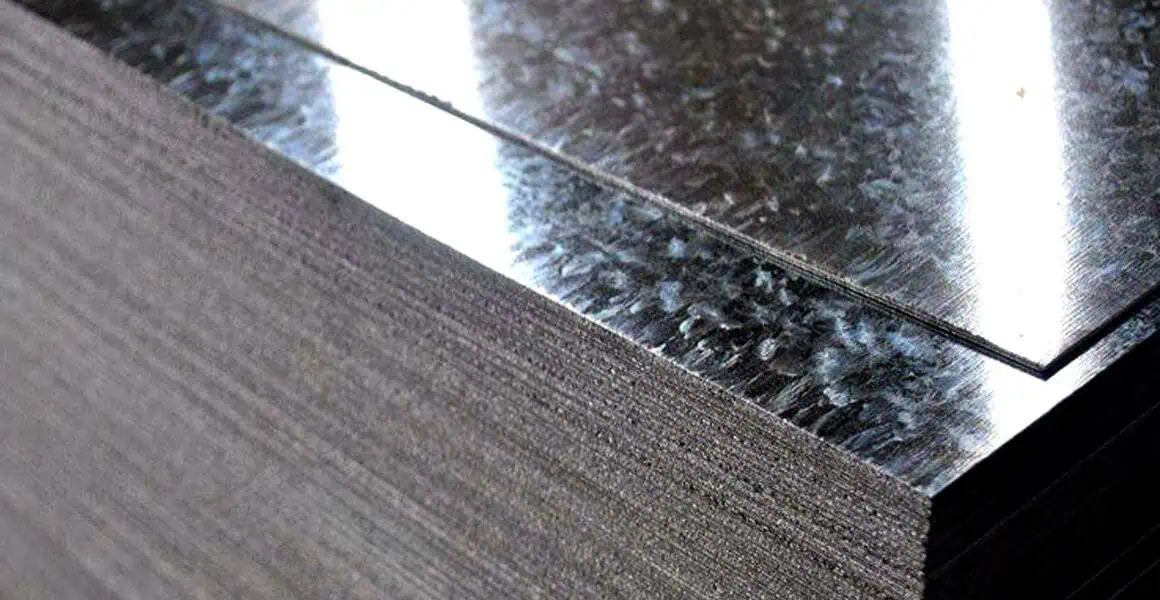
The galvanizing bath is where the magic happens: molten zinc is applied to the cleaned and prepared steel, resulting in a protective coating.
Hot-dip galvanizing process involves dipping cleaned metal into a bath of molten zinc at high temperatures. The zinc bonds with the steel, forming a long-lasting coating.
The hot dip galvanizing process is the most common way to galvanize steel. After the steel has been cleaned and pickled, it is immersed in a bath of molten zinc heated to approximately 450°C (840°F). In this process, zinc chemically bonds with steel, resulting in a tough, corrosion-resistant coating.The thickness of the zinc layer varies according to the hot dip galvanizing process steps, which can be adjusted based on the steel’s intended use. This method ensures that the steel is completely protected against environmental factors such as moisture, chemicals, and extreme temperatures.
What Post-Galvanizing Steps Are Necessary for Quality Control?
Once zinc has been applied to the steel, it must be cooled and inspected to ensure uniformity and quality. This phase is critical for achieving a consistent, long-lasting finish.
After galvanizing, the steel is cooled, typically with air or water, before being inspected for coating uniformity and thickness. This step ensures that the galvanizing process was completed successfully.
After being immersed in molten zinc, the steel is removed and allowed to cool. This cooling process helps to solidify the zinc coating, increasing its durability and resistance to damage.Once cooled, the steel is thoroughly inspected to ensure that the galvanizing process was completed properly. Quality checks include verifying the uniformity of the zinc coating, looking for flaws such as peeling or blistering, and measuring the coating thickness. Advanced systems can detect the thickness of the hot dip galvanized process layer, ensuring that it meets the requirements for its intended application.
What Are the Three Methods of Galvanizing?
There are several ways to galvanize steel, and knowing the three main methods will help you choose the best one for your needs.
Hot-dip galvanizing, electro-galvanizing, and thermal diffusion galvanizing are the three most common galvanizing methods. Depending on the final application of the steel, each method provides different benefits.
The most common type of galvanizing is hot-dip, which involves dipping steel into molten zinc. It is ideal for large-scale applications because of its ability to produce a thick, long-lasting coating.
Electro-galvanizing employs an electric current to deposit a thin layer of zinc on the steel surface. This method is better suited for items that need a smooth, precise finish.
Thermal diffusion galvanizing is a heat treatment in which zinc powder diffuses into the steel surface. It is commonly used for smaller parts or applications that do not necessitate the thickness of a hot dip coating.
The method you choose will be determined by factors such as the hot dip galvanizing cost,coating thickness, and the product’s intended use.
Can You Galvanize Already Rusted Metal?
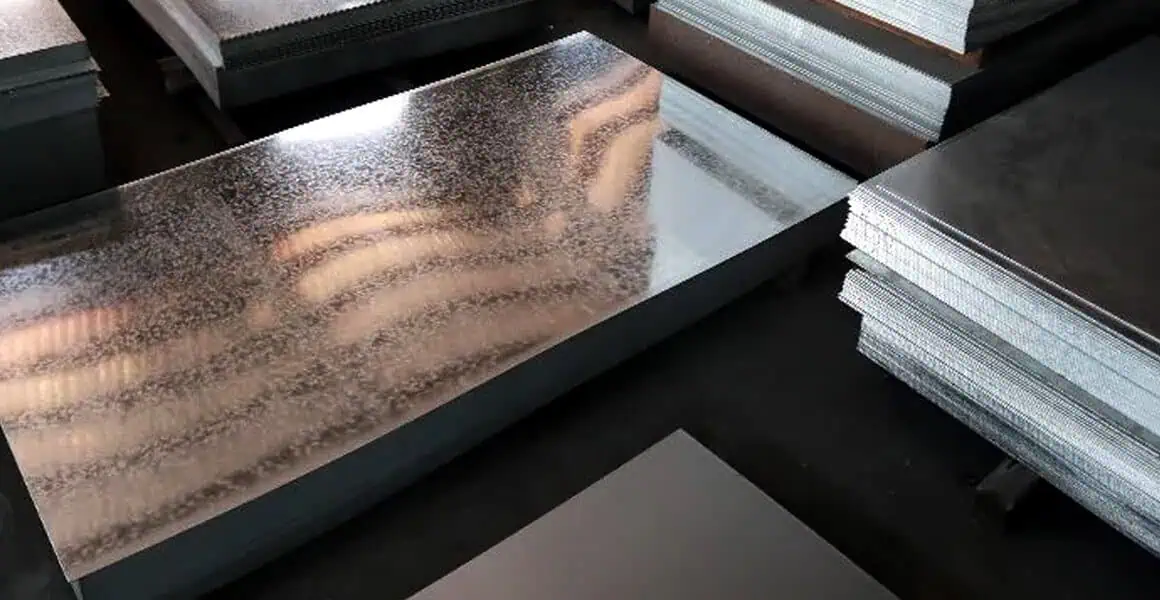
While rusted metal can be galvanized, additional steps must be taken to ensure that the zinc coating adheres properly and effectively protects the metal.
Galvanizing previously rusted metal is difficult because the rust must be completely removed before the zinc can bond. Otherwise, the galvanizing process will be less efficient.
Before galvanizing, any rusted metal must be thoroughly cleaned. Pickling and sandblasting are common methods for removing rust and preparing steel for coating applications. If the rust is not fully removed, the zinc may not bond properly, resulting in an uneven coating.Although it is possible to galvanize already rusted metal, the process may produce a less durable coating. To achieve the best results, start with a clean, rust-free surface.
How Long Will Galvanized Steel Last Before It Rusts?
One of the primary reasons to galvanize steel is to prevent rust. But how long will galvanized steel last before the coating degrades?
The lifespan of galvanized steel is determined by environmental factors, but a properly applied zinc coating can last 20 to 50 years before rusting begins.
The longevity of galvanized steel is determined by the galvanizing process steps, zinc coating thickness, and environmental conditions. Galvanized steel may need to be replaced more frequently in harsh industrial environments due to increased wear and tear. However, in mild conditions, galvanized steel can last for 50 years or more before showing signs of rust.Regular inspections and maintenance can also extend the life of galvanized products, providing long-term protection.
How Long Does It Take to Galvanize Steel?
The time required to complete the galvanizing process is determined by a variety of factors, including the size of the steel items and the galvanizing method used.
The hot dip galvanizing process can last anywhere from 30 minutes to several hours, depending on the size of the steel and the temperature of the galvanizing bath.
The time required to galvanize steel varies according to the method used and the size of the items being coated. Hot-dip galvanizing requires a short dipping time, usually only a few minutes. However, the entire procedure—cleaning, pickling, dipping, and cooling—can take several hours, particularly for larger items.Smaller parts may be processed more quickly, whereas larger structural components may take longer. The process is generally efficient, resulting in a high-quality finish within a reasonable timeframe.
What Is the Temperature Range for Galvanizing?
The temperature at which the galvanizing process is carried out has a significant impact on the quality and durability of zinc coating.
The molten zinc bath temperature for hot-dip galvanizing is typically between 450 and 460°C (840 to 860°F). This ensures an optimal bond between zinc and steel.
During the galvanizing process, the molten zinc bath must be heated precisely between 450 and 460°C(840-860°F). This temperature is critical to ensuring that the zinc bonds effectively with the steel and forms a strong, uniform coating. If the temperature is set too low, the zinc may not adhere properly, resulting in insufficient coverage. However, excessively high temperatures can cause the zinc to burn off, reducing the coating’s protective properties.
Will Hot-Dip Galvanized Steel Rust?
While hot-dip galvanized steel is extremely resistant to rust, it is not completely impervious. Even galvanized steel can corrode over time when exposed to certain conditions.
Although hot-dip galvanized steel is intended to resist rust, exposure to harsh environmental conditions can cause the coating to deteriorate, allowing corrosion to develop.
The thick zinc coating on hot-dip galvanized steel is intended to make it highly resistant to corrosion and rust. However, the coating may degrade over time due to environmental factors such as moisture, industrial pollutants, and exposure to high temperatures.If the zinc coating corrodes significantly, the underlying steel may be exposed to rust. Proper maintenance and regular inspection can help extend the life of hot-dip galvanized steel, ensuring that it is functional for many years.
Summary
Understanding the galvanizing process steps ensures that steel products are durable, corrosion-resistant, and long-lasting. Understanding each stage allows manufacturers to ensure high-quality finishes and extend the life of galvanized steel.