
Buying aluminum coil without understanding production can lead to inconsistent quality, hidden costs, and delivery problems. I’ll explain the process so you can source with confidence.
The aluminum coil manufacturing process typically includes melting and alloying, casting, hot rolling, cold rolling, heat treatment, surface finishing, inspection, and final coiling. Each stage controls the alloy composition, 두께, mechanical properties, surface quality, and dimensional accuracy required for the finished coil.
지금, let’s follow the material from its basic definition to the production and purchasing decisions that matter most.
What Is an Aluminum Coil?
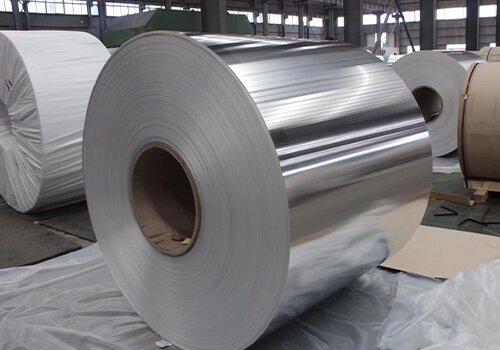
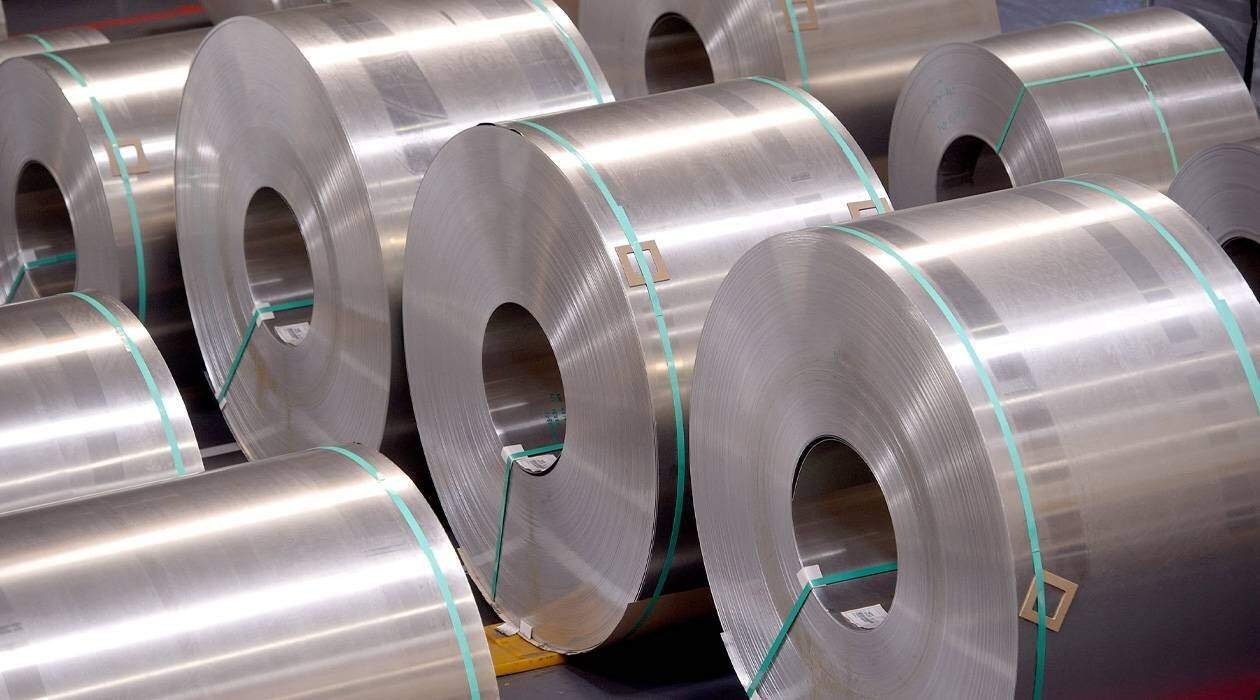
A continuous, flat-rolled aluminum product wound into a roll for storage, 해운, and additional processing is called an aluminum coil. To put it simply, producers take aluminum alloy material, roll it down to a certain thickness, and then wind the completed strip into a coil. The end product is a versatile raw material that can be turned into a wide range of goods.
Because producers can provide lengthy, continuous lengths, coil aluminum provides buyers a significant benefit over individual sheets. Depending on the application, the necessary alloy, temper, 두께, 너비, surface polish, and coil weight can be chosen. Roofing, 벽 클래딩, automobile parts, HVAC 시스템, 포장, electrical goods, and industrial fabrication are all common uses for aluminum coils.
안 알루미늄 코일 and an aluminum sheet differ primarily in their shape and size. A coil is often given in a continuous roll, whereas a sheet is typically supplied as a single flat piece. 이 때문에, manufacturers who use roll forming, 슬릿팅, stamping, 굽힘, or other continuous processing equipment will find coils especially helpful. Before comparing vendors, I advise verifying the alloy, temper, 크기, surface quality, and intended use before placing an order.

How Are Aluminum Coils Made?
그래서, how are coils constructed of aluminum? There is much more to the solution than just rolling aluminum into a roll. Aluminum raw materials and alloying elements are used in the production process. In a furnace, these ingredients are meticulously prepared and melted. The necessary alloy grade and mechanical qualities are subsequently achieved by modifying the chemical composition.
The liquid aluminum is cast into a sizable slab or another appropriate semi-finished shape after melting and alloying. 이후, the material goes via the rolling stages, when its thickness is decreased under regulated pressure. When a smaller gauge, more precise dimensional control, or better surface quality are needed, cold rolling typically comes after hot rolling. Depending on the alloy and necessary temper, annealing or heat treatment may also be used.
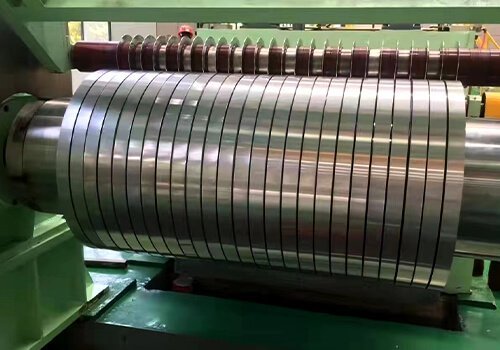
The material can proceed through finishing, inspection, 슬릿팅, and recoiling once the necessary requirements have been met. Manufacturers compare measurements, appearance, and other necessary characteristics to the purchase specification during inspection. 이후, the completed coil is packaged appropriately and ready for shipping. This entire sequence forms the foundation of the aluminum coil manufacturing process used for different industrial applications.
What Is the Process of Making Coils?
Customers frequently ask for a straightforward explanation of how raw aluminum is transformed into a finished coil when they search for the coil manufacturing process. The preparation of raw materials is the first step in a normal production process. Next come melting, alloying, casting, hot and cold rolling, heat treatment, finishing, inspection, and final coiling. But not every product takes the same path.
The alloy, 두께, 너비, temper, surface requirements, and intended use all affect how aluminum coils are made. A product that has an extremely thin gauge, for instance, would require multiple cold-rolling passes. In order to achieve a softer condition for forming, another product might need to be annealed. Before the final coil is created, coated products also need further surface preparation and coating steps.
따라서, the following is a simplified flow of the coil manufacturing process: raw materials → melting and alloying → casting → hot rolling → cold rolling → heat treatment → surface finishing → inspection → slitting → coiling. Buyers can find areas where quality may be impacted by knowing this flow. 주문하기 전에, it also facilitates the discussion of technical needs with aluminum coil manufacturers.
What Materials Are Used to Make Coils?
Aluminum alloy is the primary component used to make 알루미늄 코일. Manufacturers may additionally utilize alloying elements, including magnesium, 망간, 규소, 구리, zinc, and iron, depending on the necessary grade. Because even relatively tiny changes in chemical composition can affect strength, 형성 가능성, 부식 저항, 용접 성, and other qualities, these elements are added in controlled amounts.
For various uses, different aluminum alloy series are chosen. 예를 들어, 3xxx series alloys are frequently chosen when superior formability and corrosion resistance are crucial, whereas some 1xxx series items offer high aluminum purity and strong conductivity. Alloys of the 5xxx family are beneficial in demanding applications because they can offer greater strength and strong corrosion resistance. The final product’s requirements determine which option is best.
If the material satisfies the necessary specifications and quality requirements, manufacturers may also employ a combination of primary aluminum and appropriate recycled aluminum. For this reason, consumers shouldn’t judge a provider only based on the term “aluminum.” The precise alloy, temper, 두께, 너비, surface polish, and relevant standard should all be specified. These specifics provide a clear technical foundation for production and inspection for both the supplier and the buyer.

What Are the Four Types of Coils?
There isn’t a single, all-encompassing method that categorizes aluminum coils into precisely four groups. 하지만, purchasers can typically differentiate between mill-finish, coated, 양극산화처리된, and embossed aluminum coils in real-world purchasing conversations. The desired surface appearance, 성능, and application have a major role in selecting the appropriate kind.
Mill-finish coils are frequently utilized in situations where further processing will be carried out because they preserve the basic surface created during rolling. Coated coils, which are frequently used for roofing, 벽 패널, and other architectural goods, have an extra protective or decorative coating. An electrochemical surface treatment is applied to anodized coils to enhance their surface properties and, 어떤 경우에는, give them a pleasing appearance.
The surface of embossed coils is patterned thanks to embossing machinery. Various patterns can serve both practical and esthetic purposes. Customers should keep in mind that these four categories do not take the place of technical specifications; 꽤, they represent surface or product forms. I would always check with the supplier about the alloy, temper, 두께, 너비, coating or finish requirements, and intended end use before placing an order.
What Are the Main Steps in the Aluminum Coil Manufacturing Process?
Melting and alloying are the first major phases in the production of aluminum coils. Alloying elements are added in accordance with the necessary chemical composition after aluminum raw materials are heated until they are molten. After processing, the molten metal is cast into an appropriate semi-finished shape. Since the finished product’s chemical makeup influences many of its qualities, accurate control is crucial at this point.
The next big phase is underway. Hot rolling helps create the necessary structure while decreasing the cast material’s thickness. The gauge is then further reduced by cold rolling, which offers more precise control over surface properties and thickness. Annealing or other heat treatment can be used to modify hardness, 힘, 연성, and forming behavior, depending on the alloy and temper. Production parameters must be strictly regulated during these phases.
Finishing, inspection, cutting or slitting, and coiling are the last steps. Manufacturers compare the final product’s size, surface condition, and any necessary mechanical or chemical specifications to those of the customer. 이후, the material is packaged for shipping and twisted into coils. Therefore, rather than relying just on the final rolling stage, a dependable aluminum coil manufacturing method depends on management across the entire production chain.
How Much Does a Coil of Aluminum Cost?
If you ask how much a coil of aluminum costs, there is no single price that applies to every order. Market pricing for aluminum is a good place to start, but other factors that may affect the final quote include alloy, 두께, 너비, temper, 표면 마무리, coil weight, order quantity, 포장, and delivery conditions. The ultimate landing cost might also be greatly impacted by freight charges.
예를 들어, two coils with entirely different characteristics may both be referred to as aluminum coils. A coated or carefully processed coil with tighter tolerances could be one, while another might be a typical mill-finish product. Naturally, their manufacturing costs will differ. For this reason, rather than just comparing the cost of one coil with another, I advise comparing quotes based on comparable technical parameters.
Logistics and commercial factors should also be taken into account by foreign buyers. The entire cost of the purchase may be impacted by loading techniques, destination ports, insurance, Incoterms, packaging specifications, and minimum order quantities. If the product needs more processing or shipping is costly, a low manufacturing price could not be the lowest landed cost. Therefore, quality, specification, 배달, and total cost should all be taken into account in a proper purchase comparison.
Do Aluminum Coils Last Longer than Copper?
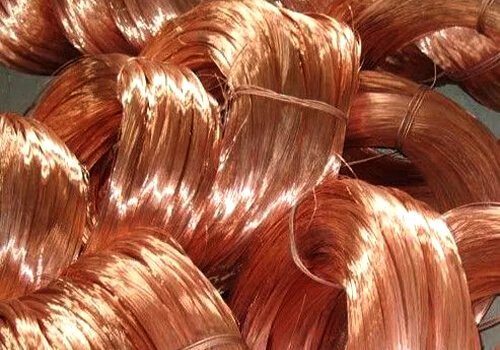
Although both copper and aluminum have lengthy service lives, it would be inaccurate to claim that one material always outlasts the other. The application, atmosphere, mechanical conditions, surface treatment, installation technique, and upkeep all affect how long they last. While copper is renowned for its superior electrical and thermal conductivity, aluminum offers the advantages of low density and good corrosion resistance.
When extremely high conductivity and small conductor diameters are needed for electrical applications, copper may be the appropriate material. 반면에, aluminum can offer an appealing blend of cost-effectiveness, low weight, and conductivity. When the right alloy and surface treatment are chosen, aluminum coils can function well in outdoor settings for industrial and architectural purposes.
Therefore, whether aluminum lasts longer than copper is not the only practical matter for consumers. 꽤, I would evaluate the materials based on their actual use. 무게, 힘, 전도도, corrosion exposure, installation needs, upkeep, and overall cost should all be taken into account. Selecting the right alloy and finish can be just as crucial as initially deciding between copper and aluminum.
How Long Does an Aluminum Coil Last?
Because an aluminum coil’s performance is highly dependent on its location and method of usage, it does not have a single fixed service-life value. Properly chosen aluminum goods can last for decades in the right situations. While coastal, 산업, or chemically harsh settings can present significantly higher obstacles, indoor applications may place comparatively moderate demands on the material.
Durability can be affected by moisture, 소금, 약, temperature fluctuations, mechanical stress, and surface treatment. 예를 들어, compared to a comparable product used indoors, an aluminum product used close to seawater might need to choose its alloy and surface more carefully. In applications where corrosion resistance and attractiveness are crucial, protective coatings and anodizing can also enhance surface performance.
Before the coil even reaches its intended use, care and storage are important. During storage and shipping, buyers should make sure that coils are shielded from contamination, water exposure, condensation, and physical harm. Achieving a long service life involves more than just choosing the appropriate material. The final performance of the product is influenced by environmental compatibility, installation, 유지, and packing.
Can Aluminum Coils Rust?
Coils made of aluminum do not rust like those made of 탄소강 or iron. An extremely thin oxide layer occurs on the surface of aluminum when it spontaneously interacts with oxygen. This layer serves as a barrier of defense and aids in stopping more oxidation. Aluminum is frequently employed in outdoor and corrosion-sensitive applications because of its inherent nature.
But it would be inaccurate to claim that metal cannot rust. Corrosion concerns can be caused by strong chemicals, 염분, harsh conditions, and contact with some dissimilar metals. When various metals are electrically linked in the presence of an electrolyte, galvanic corrosion may result. 또한, surface degradation may lessen protection and leave the underlying material vulnerable to external factors.
이 때문에, while choosing an aluminum coil, buyers should take the application into account. Long-term performance can be influenced by the right alloy, temper, surface quality, coating, 포장, and storage conditions. I advise talking to the provider about the environmental conditions before verifying the specification if the product will be utilized in an industrial setting or close to the coast.
요약
Customers can evaluate aluminum coils more precisely, manage purchasing risks, and select the appropriate alloy, finish, quality, and specification for each application by having a better understanding of the production process.