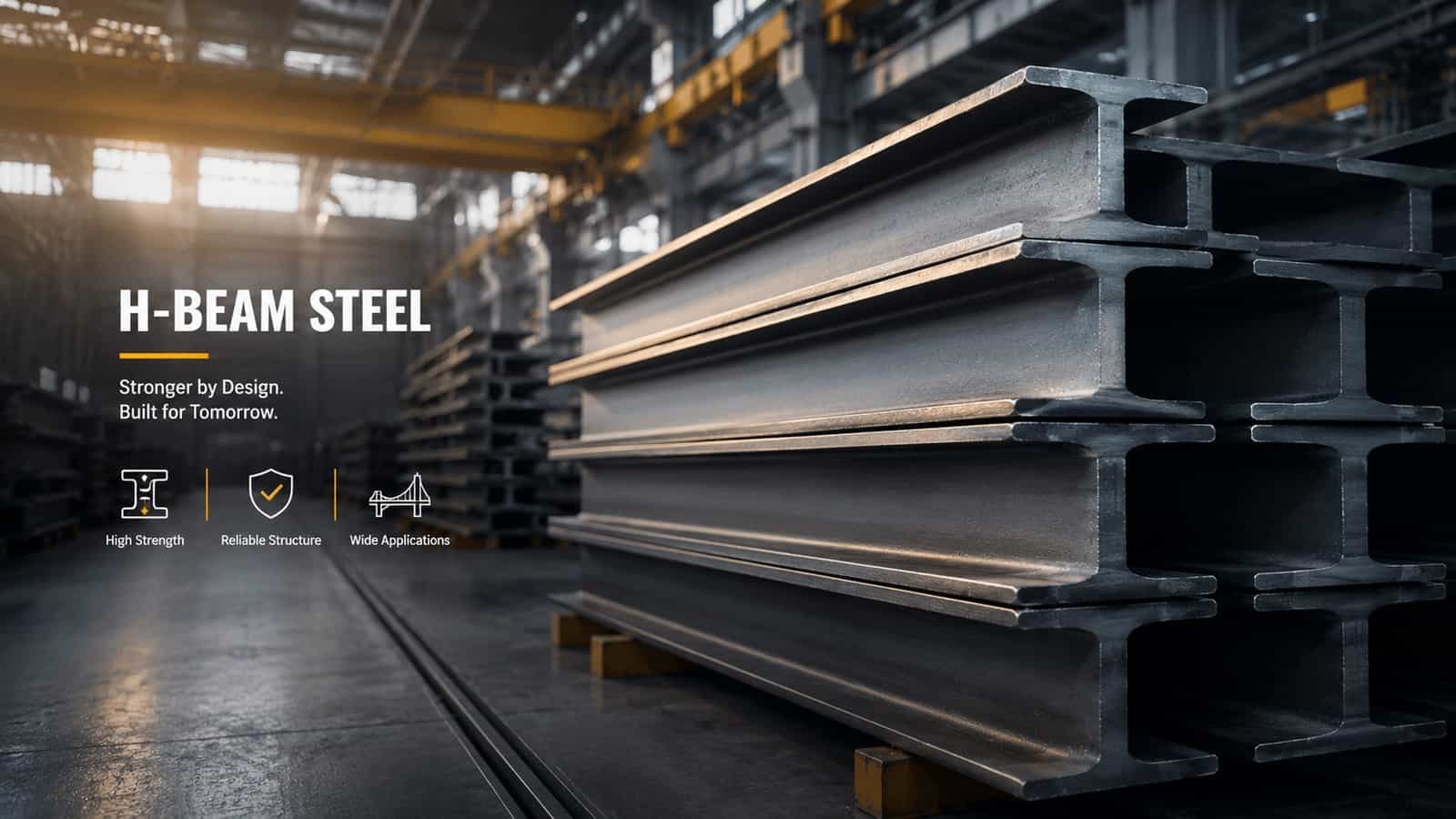
Building a strong structure can be difficult. Choosing the wrong beam risks project failure. H-beam steel offers a reliable solution for strength and stability in construction projects.What is H-beam Steel?
H-beam steel, also called h section steel, is a structural beam with an H-shaped cross-section. Its unique shape, with wide top and bottom “플랜지” and a central “web,” provides exceptional strength for construction projects like buildings and bridges, making it a very popular structural h beam.
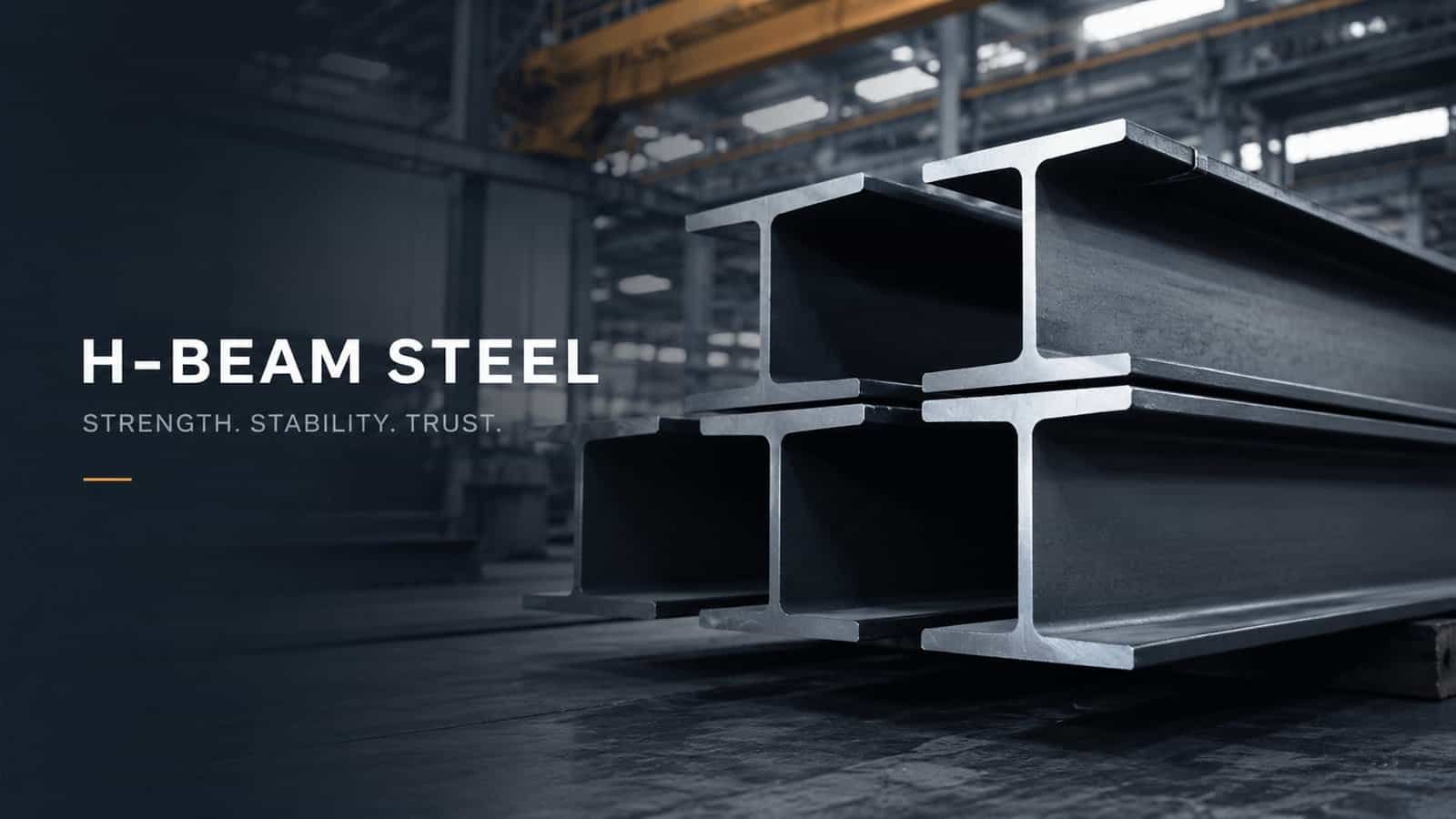
그래서, we know an H-beam looks like the letter “시간”. But what makes this shape so special? It is more than just looks. The specific design of its parts is what gives it superior strength. Let’s look closer at the features that make H-beam steel a top choice for builders and engineers.
What makes an H-beam different from an I-beam?
Choosing between H-beams and I-beams can be confusing. Using the wrong one can weaken your structure. Understanding their distinct features ensures you pick the right beam for the job.
The main difference is in the flanges. An h beam has wider flanges with parallel inner surfaces. An I-beam has narrower, tapered flanges. This makes the H-beam much stronger for handling multidirectional stress, while the I-beam is best for unidirectional loads.
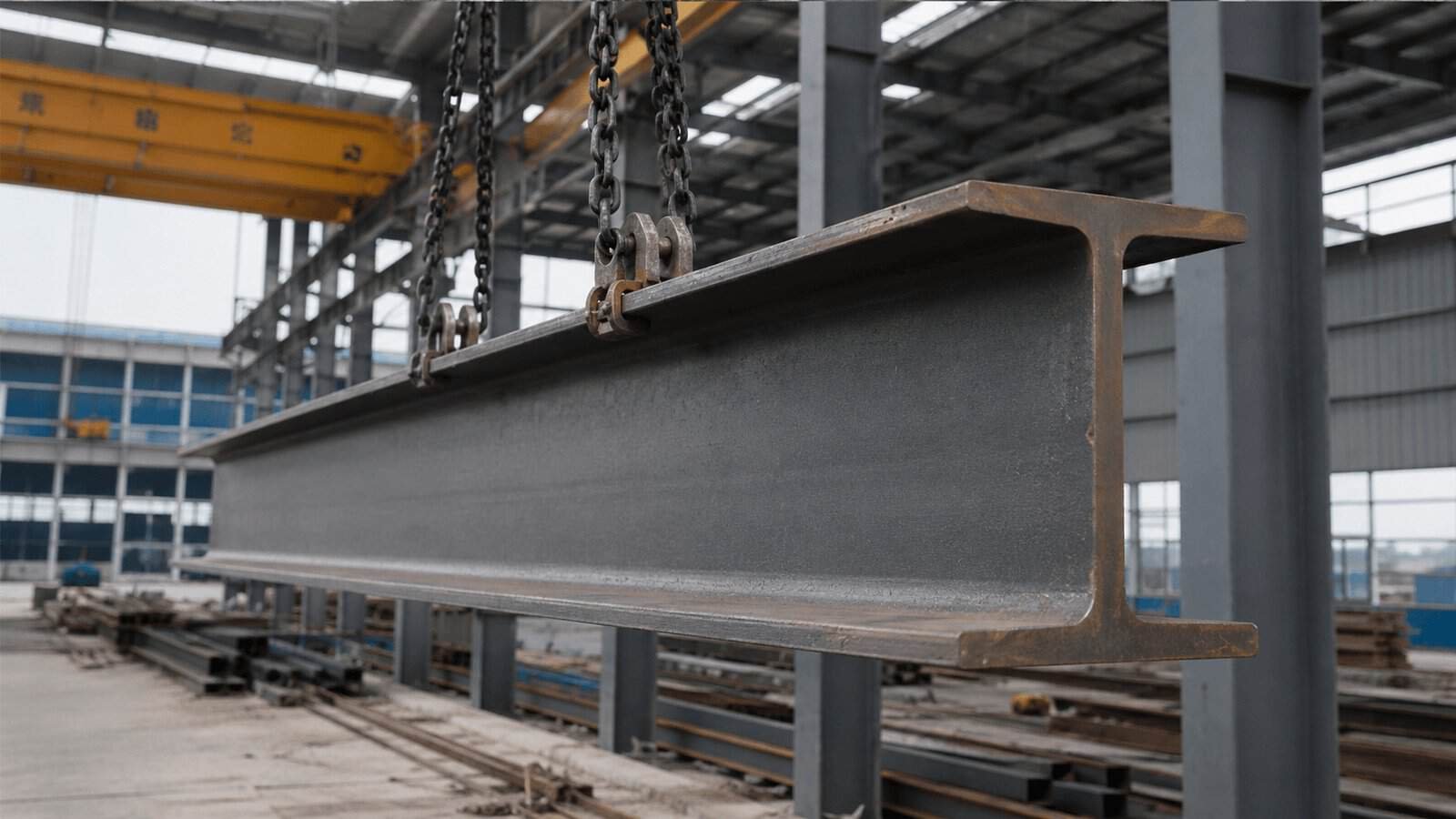
The distinction between an H-beam and an I-beam goes beyond just the shape of their flanges. It is about how they are designed to handle stress. 그만큼 H-beam, or h shape steel, has a superior h beam structure because its wider flanges give it better resistance to bending and twisting forces. This is crucial in large-scale constructions.
Comparing Key Structural Properties
Let’s break down the core differences in a simple table. This helps clarify why one might be chosen over the other for a specific application. When you look at different steel h beam sizes, you will notice these properties hold true across the range.
| Feature | H-Beam Steel | I-Beam |
|---|---|---|
| Flange Shape | Wide, with parallel surfaces | Narrow, with tapered inner surfaces |
| 웹 두께 | Generally thicker and more uniform | Can be thinner relative to flanges |
| Strength Axis | Strong on both axes (x and y) | Primarily strong on one axis |
| Best Use | Columns, long spans, multi-load | Beams, unidirectional support |
| 무게 | Heavier for its size | Lighter for its size |
Because of these differences, an H-beam provides more stability as a column. The I-beam, being lighter, is often a more economical choice for simple support beams where the load is straightforward. Understanding h beam sizes is critical for proper application.
What are the main advantages of using H-beam steel?
Every construction project faces budget and material challenges. Using overly heavy or weak materials wastes money. H-beam steel provides a perfect balance of strength, 무게, and cost-effectiveness for any build.
The key benefits of H-beam steel are its high strength, 안정, and efficiency. It carries heavy loads over long spans with less material than other options. This high strength-to-weight ratio saves on material costs and makes installation faster and easier.
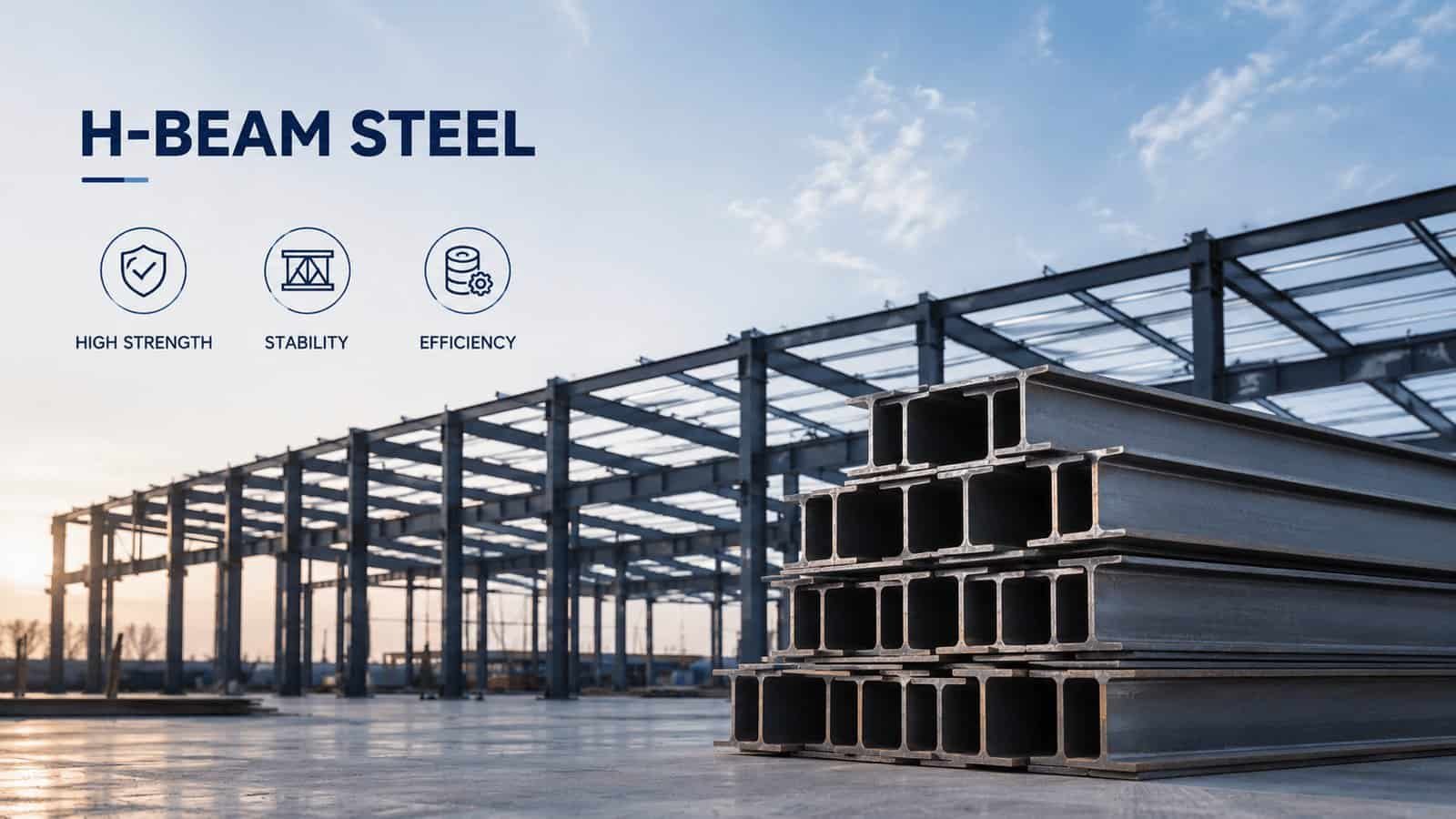
When you decide to buy h beam sections for a project, you are investing in a set of powerful advantages that impact everything from design to budget. The h beam price might seem like a significant part of the project’s h beam cost, but its benefits often lead to overall savings. We see steel h beams for sale all the time, and they are popular for good reason. I’ve personally seen many h beams for sale at suppliers, and the demand is always high.
Breaking Down the Benefits
Let’s look at why this material is so highly regarded.
- 고강도: The H-shape is optimized for carrying heavy loads. Its wide flanges resist bending, making it ideal for the massive structures I see being built everywhere. This is the primary reason it is a staple in the industry.
- Weight Efficiency: While very strong, an H-beam has a great strength-to-weight ratio. This means you can achieve the required support with less steel, reducing material costs and making transportation and handling on-site easier.
- Stability: The symmetrical H-shape provides excellent stability, resisting twisting and buckling forces better than many other profiles. This is especially important for tall columns or long-span beams.
- Ease of Installation: Because they are manufactured to precise h beam sizes in mm and h beam sizes in inches, they fit together predictably. This standardization speeds up construction time, which in turn saves labor costs.
Where is the most common use for H-beam steel?
You know H-beam steel is strong, but where do you actually use it? Not knowing its applications means missing out on potential uses. Let’s look at where this powerful material forms the backbone of modern construction.
You will find H-beam steel everywhere. It is the skeleton for large buildings, 공장, 그리고 교량. It is also used for machine bases, port structures, and even h beams for retaining walls. Its versatility makes it a go-to choice for almost any heavy-duty structural need.
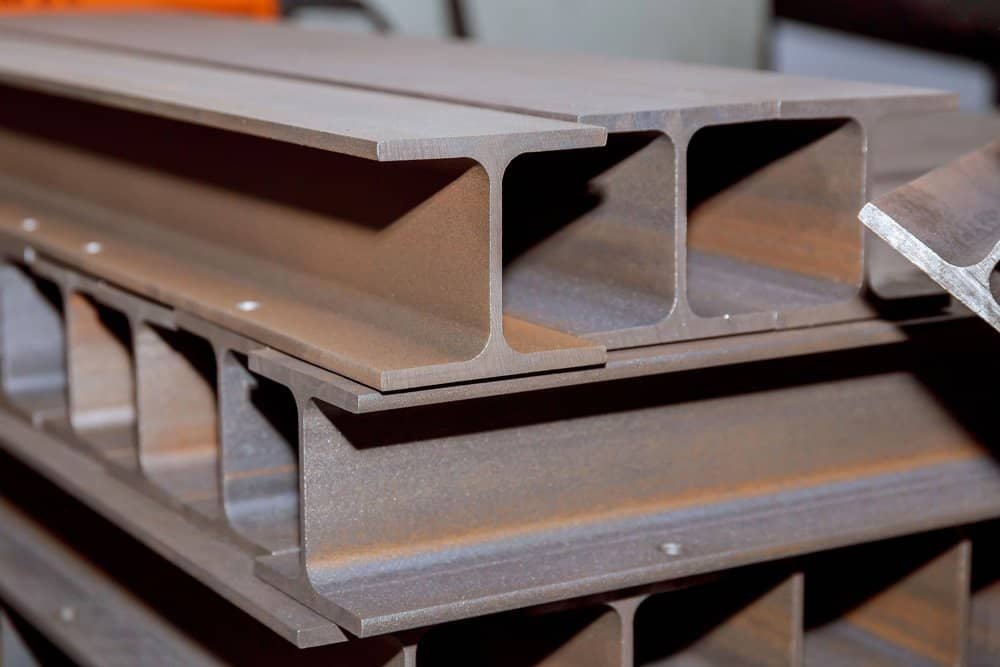
The versatility of the h beam is one of its greatest assets. Its use spans nearly every sector of heavy construction. From the tallest skyscrapers to the simplest warehouse, the H-beam provides reliable support. The specific h section steel sizes are chosen by engineers to meet the demands of each unique project. Let’s explore some of the most frequent applications I have encountered.
Applications in Major Industries
- Commercial and Residential Buildings: In high-rise buildings, H-beams are used as columns and beams to create the building’s skeleton. Their ability to handle massive vertical loads makes them essential for creating tall, stable structures.
- 산업구조: Think of large factories and warehouses. They require wide, open spaces with no columns. H-beams make this possible by creating long-span roof trusses and frameworks that support the entire structure without getting in the way.
- 교량 건설: For bridges, H-beams are used as girders that span between supports. They must handle the dynamic loads of traffic and the static weight of the bridge deck itself. A variety of h section steel sizes are used here.
- Specialized Engineering: You will also see them in more specific roles. They serve as sturdy bases for heavy machinery, form the main structure for large cranes, and are even used as h beams for retaining walls to hold back soil. The specific h beam sizes in inches or h beam sizes in mm will be determined by the engineer’s calculations for the load.
결론
In summary, H-beam steel is a powerful and versatile building material. Its unique shape provides superior strength and stability, making it essential for modern construction projects, big and small.