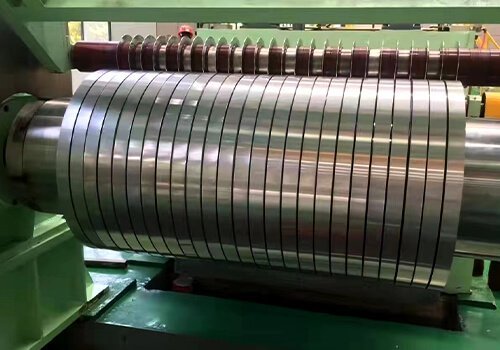
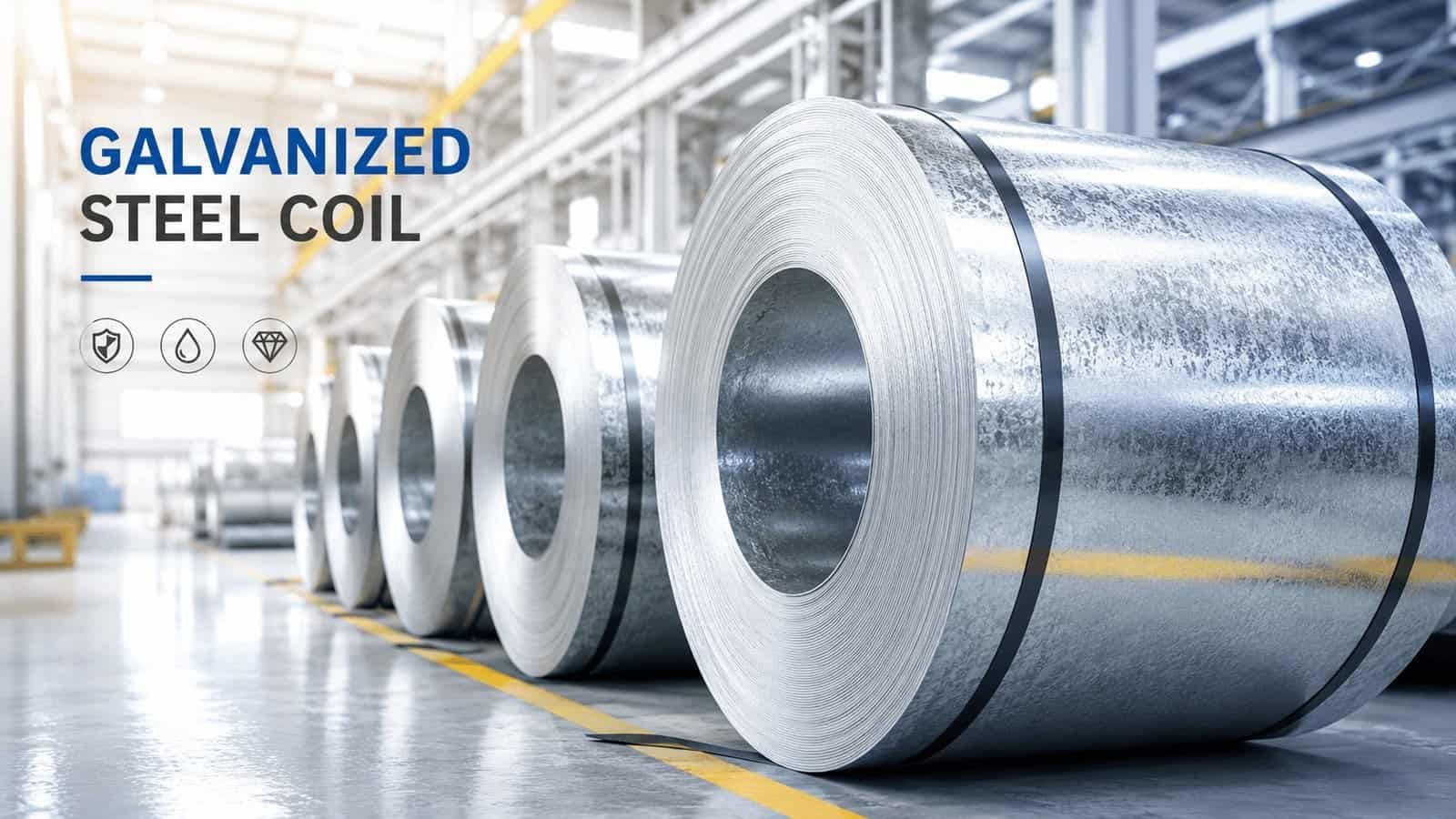
Are you struggling to find a material that is both durable enough for harsh environments and cost-effective for large-scale projects? Choosing the wrong steel can lead to premature rust, costly replacements, and a tarnished reputation. Understanding the vast range of galvanized steel coil applications is the key to unlocking a versatile, 믿을 수 있는, and economical solution for your manufacturing or construction needs.
에이 아연 도금 강철 코일 is used in numerous applications, 건축 포함 (지붕 이기, siding, 홈통, framing), 자동차 제조 (body panels, chassis, underbody parts), 그리고 가전제품 (refrigerators, 세탁기, air conditioners). Its zinc coating provides superior corrosion resistance, making it an ideal choice for products that require longevity and durability in demanding conditions.
That gives you the short answer, but the true value of this material lies in the details. The properties that make a gi coil perfect for a car’s underbody are slightly different from what’s needed for a washing machine’s casing. Let’s explore these major industries to see exactly how and why this material is so essential.
How Are Galvanized Steel Coil Applications Used in Construction?
Building projects require materials that can brave the elements—rain, 습기, sun, and snow—without failing. Using a substandard metal can lead to rust, structural weakness, and expensive, time-consuming repairs that damage a project’s budget and your credibility. This is where the strength of galvanised steel coil becomes indispensable for modern construction.
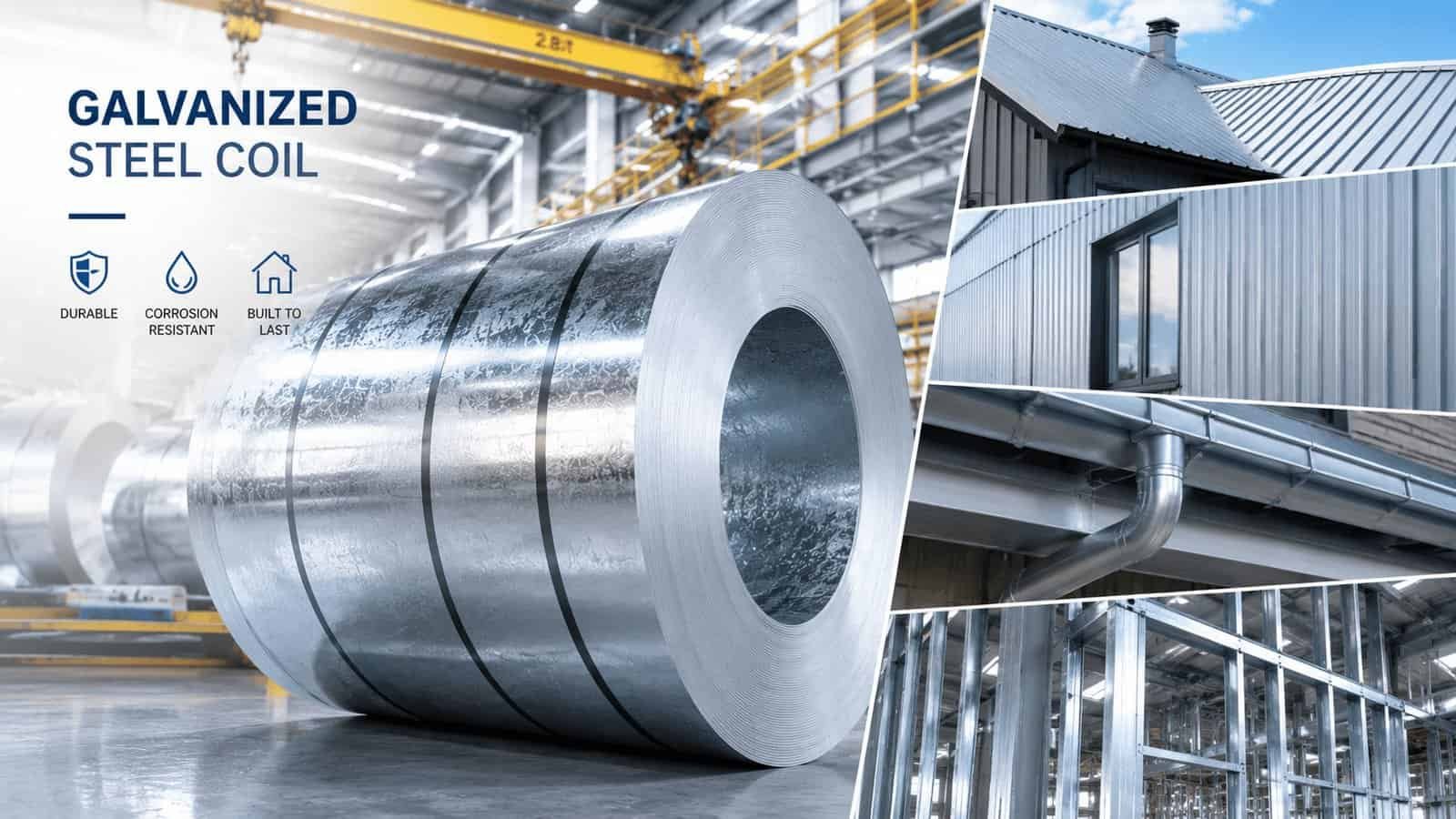
건설 산업에서, galvanized steel coil is primarily transformed into roofing sheets, 벽 패널, siding, 홈통, and structural framing. Its exceptional durability and powerful resistance to atmospheric corrosion make it a go-to material for exterior components that are constantly exposed to weather and moisture.
Dive Deeper into Construction Uses
The use of galvanized steel in construction is widespread because it balances performance, 비용, and longevity better than many alternatives. When we produce hot dipped galvanized steel coils at our factory, we know they are destined for projects where failure is not an option.
H3: Roofing, Siding, and Panels
One of the most visible applications is in roofing and siding. The coil galvanized material is often roll-formed into corrugated or standing-seam profiles. This process creates strong, lightweight panels that are easy to transport and install.
- 부식 저항: The zinc coating acts as a sacrificial barrier. It corrodes first, protecting the steel base from rust. 시간이 지남에 따라, it forms a stable zinc carbonate patina that further slows the corrosion process, extending the roof’s lifespan significantly. I’ve seen galvanized roofs from decades ago that are still performing perfectly with minimal maintenance.
- Weather Durability: These panels can withstand high winds, heavy rain, snow loads, and even hail. Unlike some other materials, they won’t crack or warp due to temperature fluctuations.
- 비용 효율성: When you factor in the low initial cost and minimal long-term maintenance, galvanized sheet metal coils offer an excellent return on investment compared to materials like aluminum or stainless steel for many standard building projects. 사실은, competitive galvanized steel coil prices are a major driver of its adoption.
H3: Structural Components
Beyond the building’s exterior shell, galvanized steel is critical for its skeleton. It’s used to make:
- Purlins and Girts: These horizontal beams support the roof and wall cladding.
- Steel Studs: In non-combustible construction, light-gauge galvanized steel studs are used for framing interior and exterior walls.
- Trusses: For large-span buildings like warehouses and agricultural sheds, galvanized steel trusses provide high strength without excessive weight.
The hot dipped steel coil process is particularly important here. The thick, metallurgically bonded zinc layer ensures that even if the surface is scratched during construction, the surrounding zinc will provide cathodic protection to the exposed steel, preventing rust from taking hold.
H3: Gutters, Downspouts, and Flashing
Water management is critical to a building’s health. 아연도금강판 is an excellent material for gutters and downspouts because it won’t rust through quickly, even with constant water flow. It’s strong enough to hold heavy snow and ice in colder climates. Flashing—the metal pieces that seal joints around windows, doors, and roof intersections—is also often made from galvanized steel to provide a durable, watertight seal.
What Role Do Galvanized Steel Coil Applications Play in the Automotive Industry?
A vehicle faces a brutal environment of road salt, gravel, rain, and humidity from day one. Without proper protection, corrosion can quickly eat away at its frame and body, compromising not just its appearance but its structural safety and overall lifespan. The automotive industry’s solution is a heavy reliance on steel coil galvanized for its protective qualities.
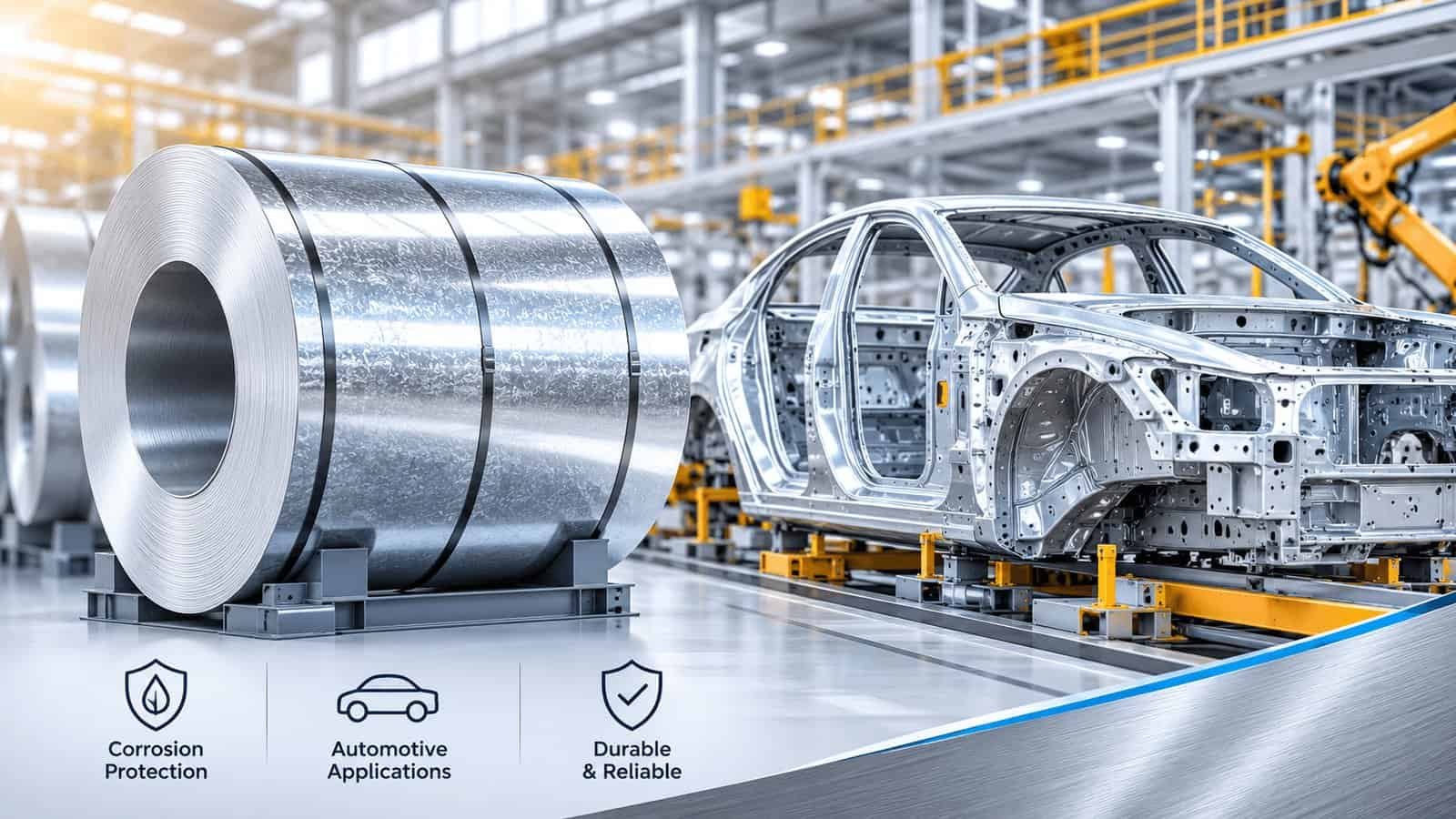
자동차 부문에서는, galvanized steel coil applications are focused on body panels, chassis components, underbody parts, and even fuel tanks. The zinc coating acts as a frontline defense against rust, particularly in hidden areas and parts most exposed to salt spray and moisture from the road.
Dive Deeper into Automotive Uses
When you look at a modern car, you’re looking at a marvel of material science. The need for safety, fuel efficiency (requiring lighter materials), and longevity has pushed automakers to use advanced steels, and galvanized steel is a cornerstone of this strategy.
H3: Body-in-White and Exterior Panels
그만큼 “Body-in-White” (BIW) is the car’s basic frame before moving parts, the engine, and trim are added. A significant portion of the BIW is constructed from hot dipped galvanised coil. This includes:
- Outer Panels: Doors, hoods, trunk lids, and fenders.
- Inner Panels: Reinforcements inside the doors and body structure.
For these parts, a spangle 아연 도금 강철 with a minimal or zero-spangle finish is often preferred. This provides a perfectly smooth surface that is ideal for the multi-stage painting process. The zinc coating ensures that even if a rock chip penetrates the paint, rust won’t bubble up and spread underneath, preserving the car’s finish for years.
H3: Structural Integrity and Safety
Safety is paramount. Galvanized steel is used for critical structural and safety components like:
- A/B/C Pillars: The pillars that support the roof.
- Frame Rails: The main longitudinal members of the car’s chassis.
- Cross Members: Pieces that connect the frame rails and support the engine and suspension.
Using galvanized steel here ensures that these crucial components maintain their strength over the vehicle’s entire life. They won’t be weakened by hidden rust developing from the inside out, which is a major safety concern in older, unprotected vehicles.
H3: Underbody and Exposed Components
The underbody is the most corrosion-prone area of a car. It’s constantly blasted with water, dirt, and de-icing salts. This is where the thick, robust coating from a hot dipped steel coil truly shines. Components like floor pans, suspension mounts, and wheel wells are made from heavily coated galvanized steel to withstand this constant assault. The affordability associated with a good galvanized coil price allows manufacturers to apply this protection liberally without making the vehicle prohibitively expensive.
Why Is Galvanized Coil a Top Choice for Home Appliance Applications?
Home appliances like washing machines and refrigerators operate in challenging environments with constant exposure to moisture, detergents, and temperature swings. Using plain steel would lead to unsightly rust, potential leaks, and a drastically shortened product life. To combat this, manufacturers rely on the protective power of galvanized coil.
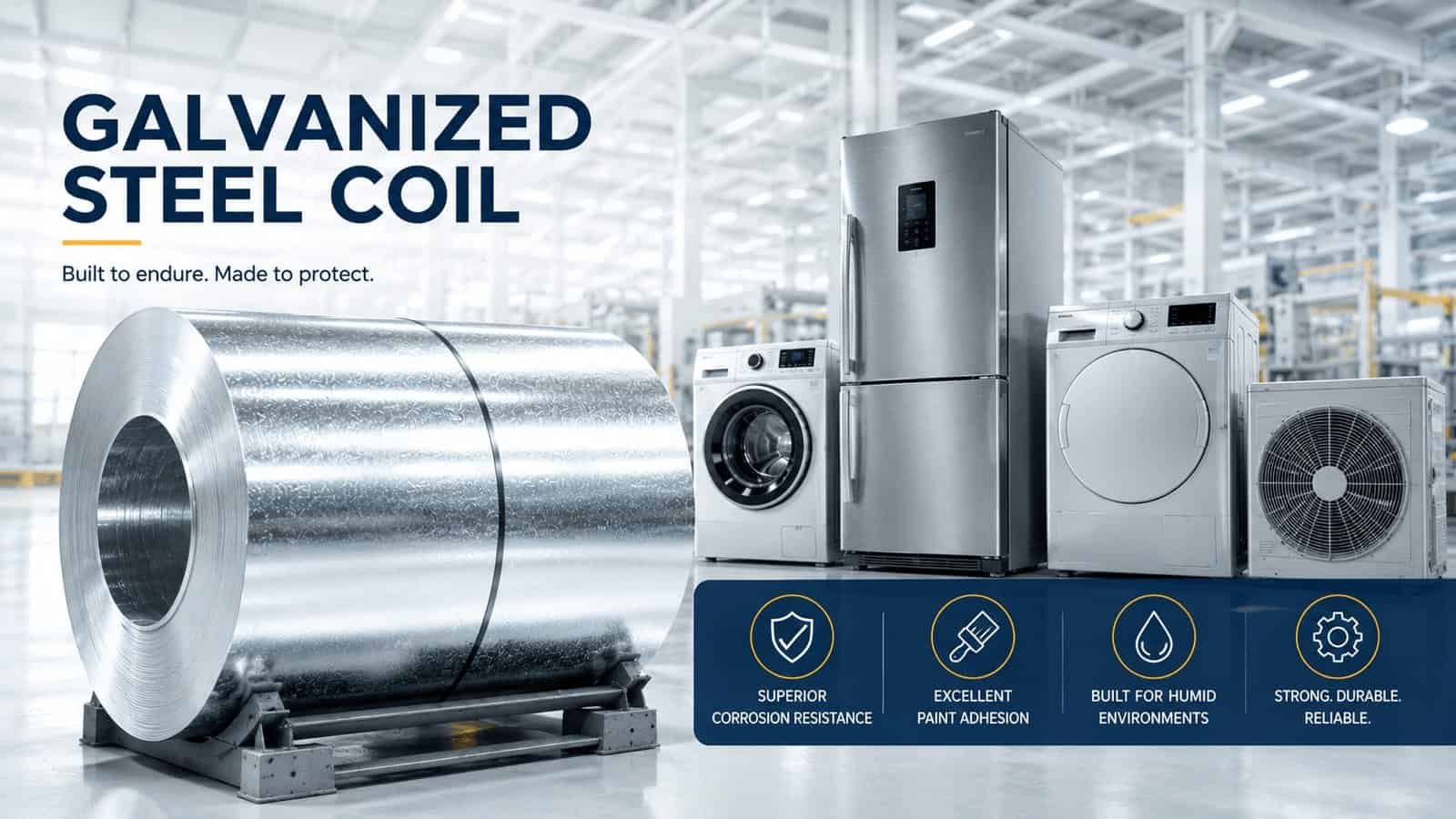
Galvanized coil is used for the external casings, internal frames, and functional components of appliances such as washing machines, dryers, refrigerators, and HVAC units. It offers a strong, corrosion-resistant foundation that holds paint exceptionally well and can withstand the humid, demanding conditions these products endure.
Dive Deeper into Appliance Uses
When I tour appliance factories, I always notice the vast stacks of galvanized steel coil ready for the production line. Its formability, 내구성, and finish-readiness make it the default material for creating the appliances we use every day. 그만큼 galvanised steel coil price also helps manufacturers keep consumer costs manageable.
H3: Casing and External Panels
The sleek outer body of your refrigerator, washing machine, or dishwasher is often made from galvanized steel. Here’s why:
- 성형성: The steel must be bent, 스탬프가 찍힌, and drawn into complex shapes without the zinc coating cracking or flaking off. Modern galvanized steel is engineered for excellent ductility to meet these demands.
- Paint Adhesion: The zinc-coated surface is an ideal substrate for powder coating or painting. It provides a “grip” for the paint, resulting in a durable and flawless finish that resists chipping and scratching. The zero-spangle variety is almost always used for this to ensure a mirror-smooth look.
- Dent Resistance: The base steel provides the necessary strength to resist dents and dings from everyday use, keeping the appliance looking new for longer.
H3: Internal and Unseen Components
It’s not just about looks. Inside an appliance, galvanized steel is working hard. In a washing machine, internal support brackets and the base frame are often galvanized to resist splashes and high humidity. In an HVAC unit, the drain pan and internal enclosures are made from galvanized coil to prevent rust from condensate. These are areas where corrosion could lead to functional failure, making the zinc protection absolutely essential.
| Appliance | Typical Galvanized Components | Reason for Use |
|---|---|---|
| Refrigerator | Back panel, door shell, frame | Resists condensation and provides structural rigidity |
| Washing Machine | Outer casing, base, drum (sometimes) | Withstands high humidity, detergents, and vibration |
| HVAC Unit | Blower housing, drain pan, cabinet | Endures constant moisture and airflow |
| Dishwasher | Outer wrap, base frame | Protects against leaks and a hot, steamy environment |
This table shows just how integral the material is. From the parts you see to the parts you don’t, the protective layer of zinc is silently extending the life of your home’s hardest-working machines.
자주 묻는 질문
What is the difference between hot-dipped and electro-galvanized steel?
Hot-dipped galvanizing involves immersing the steel in a bath of molten zinc, which creates a relatively thick, 튼튼한, and metallurgically bonded coating. It’s ideal for harsh outdoor environments. Electro-galvanizing uses an electric current to apply a much thinner, more uniform layer of zinc, which is better suited for aesthetic applications that require a very smooth finish for painting.
How long does galvanized steel last?
The lifespan of galvanized steel depends entirely on the thickness of its zinc coating and the severity of its environment. In a mild, rural setting, a standard coating can easily last over 50 연령. In a harsh industrial or coastal environment with high salt spray, that same coating might last 20-25 years before requiring maintenance.
Can galvanized steel be painted?
Absolutely, but it requires correct surface preparation to ensure the paint sticks properly. The galvanized surface must be thoroughly cleaned of any oils or treatments and then primed with a specific primer designed for galvanized metals. This prevents the paint from peeling or flaking off over time as the zinc surface weathers.
What does “spangle” mean in galvanized steel?
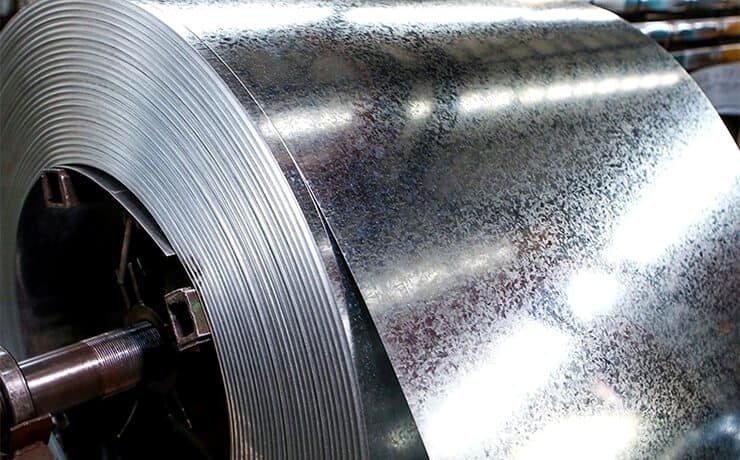
Spangle is the visible crystalline pattern on the surface of hot-dipped galvanized steel, which looks like frost on a window. It’s formed as the molten zinc coating cools and solidifies. Manufacturers can control the size of the spangle, from a large, decorative pattern to a “zero spangle” finish that is perfectly smooth and uniform, making it ideal for high-quality painting applications.
결론
From the roof over your head to the car in your driveway and the appliances in your kitchen, the impact of galvanized steel is undeniable. The core benefits—outstanding corrosion resistance, structural strength, 형성 가능성, and cost-effectiveness—make it a foundational material in modern life. The diverse range of galvanized steel coil applications clearly demonstrates its versatility and reliability across the world’s most demanding industries. It’s a material that provides long-term value and peace of mind.
이상으로 16 수년간의 수출 경험, we at Yuanchi specialize in producing premium hot dipped galvanized steel coils for a global client base. If you’re a wholesaler, retailer, or agent looking for a reliable partner with competitive galvanized steel coil prices, extensive certifications, and custom manufacturing capabilities, we are ready to meet your needs. Contact us today to discuss your project and receive a competitive quote.