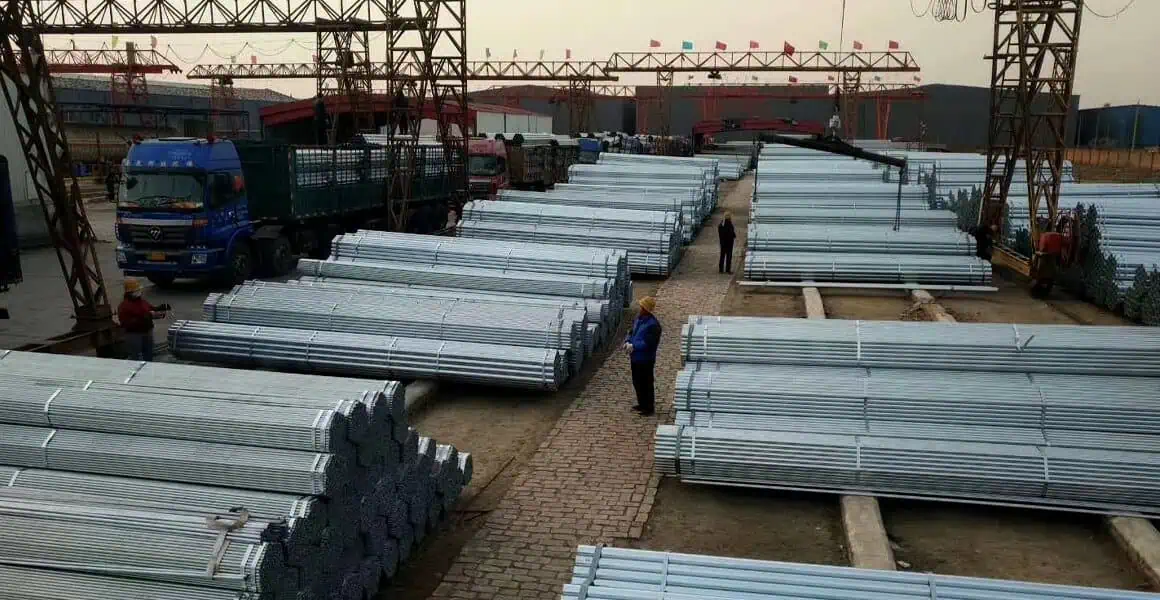
Are you unsure how to distinguish galvanized steel from other materials? It’s a critical skill for ensuring quality and avoiding costly mistakes in your projects. Read on to learn simple yet effective methods to identify galvanized steel metal.
How to identify galvanized steel? Identifying galvanized steel involves examining visual characteristics, conducting simple tests, and understanding its unique properties, such as corrosion resistance and its distinctive finish. Learn the essential steps to recognize galvanized steel with ease.
Now, let’s dive into the specific methods that will help you accurately identify galvanized steel in your materials.
How Can You Identify Galvanized Steel by Its Visual Characteristics?
One of the quickest ways to identify galvanized steel is to examine its visual characteristics. Knowing which features to look for can help you save time and avoid mistakes when selecting materials.
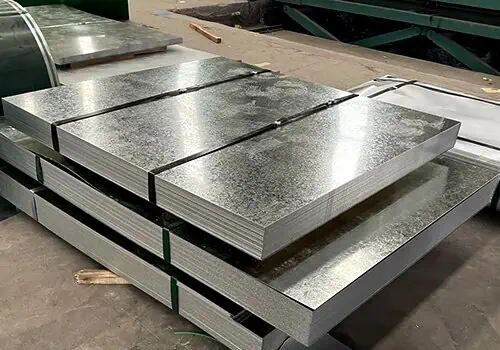
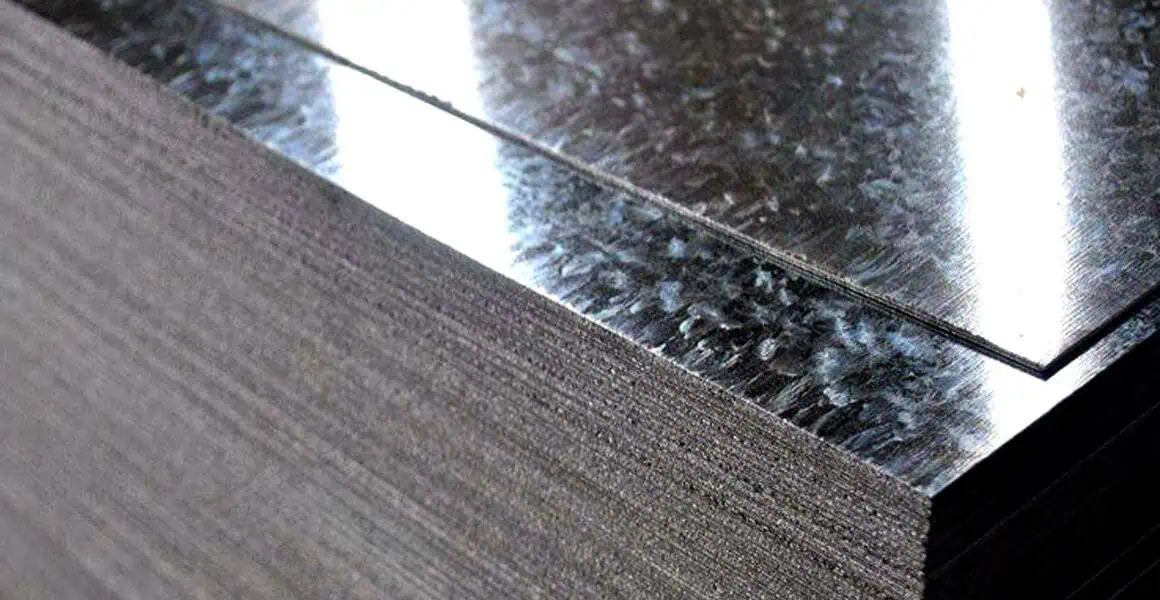
Galvanized steel usually has a shiny, silver-gray finish with a distinctive spangled or mottled pattern. The zinc coating applied during the galvanizing process may give the surface a rough or textured feel.
What does galvanized steel look like? Galvanized metal is easily identifiable due to its shiny surface, which is caused by the zinc coating that protects the steel from corrosion. This layer of zinc protects galvanized steel from rust and gives it a shiny appearance with a subtle spangled pattern.The surface texture may appear slightly rough, especially when compared to untreated steel, due to the zinc coating.
If you want to know how to tell if steel is galvanized, look for these visual indicators. The spangled pattern is a key distinguishing feature, though it can vary depending on the galvanizing process. For accurate identification, look for a bright, silver-gray finish with this distinctive texture.
How to Use a Magnet Test to Identify Galvanized Steel?
A magnet test is a simple and effective way to identify galvanized steel. This method distinguishes galvanized metal from nonferrous materials.
Galvanized steel has magnetic properties similar to untreated steel. However, the zinc coating may slightly reduce the strength of the magnetic pull when compared to regular steel.
If you are wondering how to tell if metal is galvanized, a magnet test can provide a quick answer. Galvanized steel is, after all, steel coated with zinc, and it, like regular steel, retains its magnetic properties. However, the presence of the zinc coating may have a minor effect on the strength of the magnetic attraction. This means that galvanized steel will attract a magnet, albeit not as strongly as regular steel.
If the material is non-magnetic, it is most likely composed of nonferrous metals like aluminum or copper, which do not attract magnets. This galvanized steel test is a quick and easy way to rule out materials that do not have magnetic properties, like aluminum.
How to Perform the Scratch Test for Zinc Coating?
A scratch test can be a simple but effective way to determine whether steel is galvanized by revealing the integrity of the zinc coating.
You can check if the zinc coating is still intact by gently scratching the steel’s surface. If the underlying steel is visible, the coating could be damaged or of poor quality.
The scratch test involves lightly scraping the surface of the material. When you scratch galvanized steel, you may notice the underlying steel if the zinc coating is thin or poorly applied. High-quality galvanized steel should have a consistent, thick zinc coating that provides excellent corrosion resistance.If the scratch exposes the steel beneath, it could indicate a problem with the coating or that the steel is not properly galvanized.
This test is useful for determining what galvanized steel looks like beneath the surface. Galvanized steel typically has a uniform coating, whereas poorly coated or worn galvanized steel can reveal the base steel when scratched. To maintain the material’s corrosion resistance, ensure that the coating is properly applied.
How Can You Check Galvanized Steel’s Corrosion Resistance?
One of the most important properties of galvanized steel is its ability to resist corrosion. Learning how to test this feature will allow you to verify the quality of your steel.
Galvanized steel should show minimal signs of rust or corrosion, even when exposed to moisture or harsh environments, due to the zinc coating that protects the steel beneath.
What does galvanized steel do for corrosion?The zinc coating on galvanized steel functions as a protective barrier, sacrificing itself to keep the base steel from rusting. If you are wondering does galvanized steel rust, the answer is yes, but at a much slower rate than uncoated steel.Galvanized metal is specifically designed to resist rust by providing a sacrificial layer of zinc, which corrodes before the underlying steel.
To determine how to tell if steel is galvanized, evaluate its performance in a wet or harsh environment. Galvanized steel will keep its appearance much longer than uncoated steel, which rusts quickly. If the material begins to corrode or rust too quickly, it may not be galvanized or have a low-quality coating.
How to Check the Certification and Documentation of Galvanized Steel?
When in doubt about the authenticity of galvanized steel, proper documentation is essential. Certifications from reputable suppliers will validate the galvanization process.
Reputable suppliers usually provide certifications outlining the quality and specifications of galvanized steel, including the thickness of the zinc coating.
If you’re not sure how to tell galvanized steel from regular steel, always ask your supplier for documentation or certification confirming the material’s galvanization. Suppliers frequently provide certificates of analysis (COA) or product specifications, which include information on the thickness of the zinc coating and other quality assurances.These documents are especially useful when purchasing large quantities for industrial use because they ensure that the steel meets the appropriate corrosion protection standards.
Certification is an important step in ensuring that you are receiving the correct material, particularly when working on projects that require high standards for galvanized metal.
How to Differentiate Between Galvanized and Normal Steel?
Knowing how to tell galvanized steel from regular steel can help you avoid costly mistakes, especially when working on outdoor projects or constructions that require long-lasting materials.
Galvanized steel has a shiny, silver-gray surface due to its protective zinc coating, whereas ordinary steel is duller, grayer, and more prone to rusting.
One of the simplest ways to how to tell galvanized steelfrom stainless steel is to look at its surface. Galvanized steel is zinc-coated, which makes it more corrosion-resistant. Normal steel does not have this coating and will rust quickly if exposed to moisture. While stainless steel resists corrosion, its appearance is typically smoother and more uniform than galvanized steel.
Another simple distinction is that galvanized steel often feels rougher due to the zinc layer than regular or stainless steel, which has a smooth finish.
How to Tell If Metal Is Aluminum or Galvanized Steel?
Because of their similar appearances, it can be difficult to tell the difference between aluminum and galvanized steel. Here’s how to tell the difference.
Aluminum is lighter, non-magnetic, and has a duller finish than galvanized steel, which is heavier, magnetic, and shiny due to its zinc coating.
To answer how to tell if something is galvanized, use the magnet test.Galvanized steel is magnetic, but aluminum is not. Aluminum is smoother and lighter than galvanized metal, which has a rough texture and a shiny finish. If you’re dealing with a silvery material that isn’t magnetic, it’s most likely aluminum rather than galvanized steel.
Aluminum also does not rust in the traditional sense, unlike galvanized steel, which forms a protective zinc layer to prevent rusting.
How Long Does Galvanized Steel Take to Rust?
Galvanized steel is known for its resistance to rust, but how long does it take to show signs of wear?
While galvanized steel can last for 20 to 50 years without rusting, its resistance deteriorates over time as the zinc coating wears.
Does galvanized steel rust? Yes, but the zinc coating that protects the steel requires time to degrade. On average, galvanized steel can last several decades before rusting. However, exposure to moisture, saltwater, or extreme weather conditions can hasten the degradation of the zinc layer. As the protective layer wears away, the underlying steel is exposed and starts to rust more quickly.
What Characteristics Can Be Used to Identify Galvanized Steel?
Several distinct characteristics distinguish galvanized steel from other types of steel. Understanding these features will help you make an informed decision.
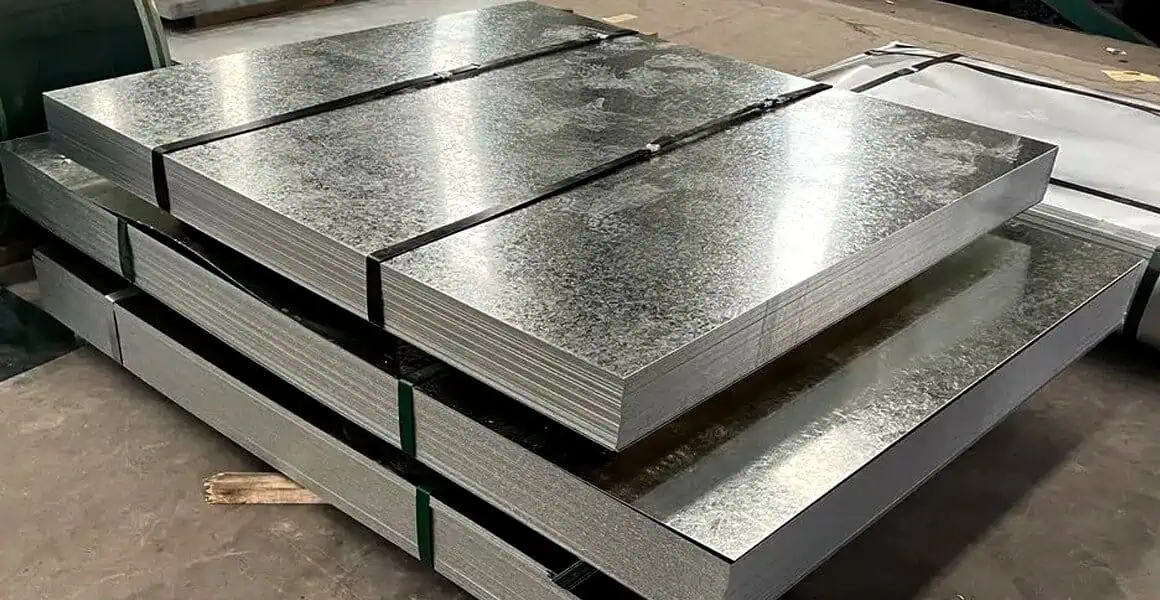
Galvanized steel can be identified by its shiny, silver-gray surface, rough texture, and spangled pattern. These characteristics set it apart from other materials such as stainless steel or normal steel.
To identify galvanized steel, consider its key visual characteristics. Galvanized steel has a shiny appearance and a spangled or mottled pattern as a result of its zinc coating. The surface may feel rough, and the material is generally thicker and heavier than other metals such as aluminum. Furthermore, galvanized steel has excellent corrosion resistance, making it ideal for outdoor or high-humidity applications.
What Not to Use with Galvanized Steel?
While galvanized steel is long-lasting and corrosion-resistant, certain materials can damage the protective coating or cause other problems.
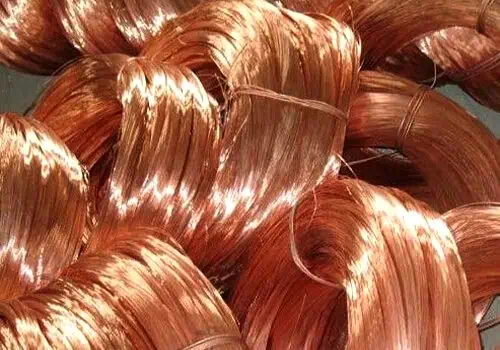
Avoid using galvanized steel with highly acidic or alkaline substances, as these can degrade the zinc coating. Also, do not use it with copper, as it can cause galvanic corrosion.
When working with galvanized steel, consider the materials it comes into contact with. Copper and brass should be avoided because they can cause galvanic corrosion in direct contact with galvanized steel. This occurs when various metals react chemically in the presence of moisture, hastening the deterioration of the zinc coating.Similarly, avoid contact with acidic or alkaline substances, which can dissolve the protective zinc layer and reduce the effectiveness of galvanized steel.
Summary
Identifying galvanized steel entails inspecting its appearance, performing simple tests such as the magnet test, and determining corrosion resistance. Always ensure that you understand the key characteristics that distinguish galvanized steel from other metals.