Choosing the wrong reinforcement bar can weaken structures and raise costs. Many buyers struggle with sizing. Understanding bar reinforcement size helps ensure strength, safety, and efficient construction.
Choosing the correct bar reinforcement size depends on structural load, building type, and engineering standards. Engineers usually consult a rebar size chart, rebar diameter chart, or reinforcement bar size chart to determine the correct reinforcement steel bar size. Proper sizing improves structural safety, durability, and construction efficiency.
Let’s examine how bar reinforcement size works and how to select the right option for different projects.
What Does Bar Reinforcement Size Mean in Construction?
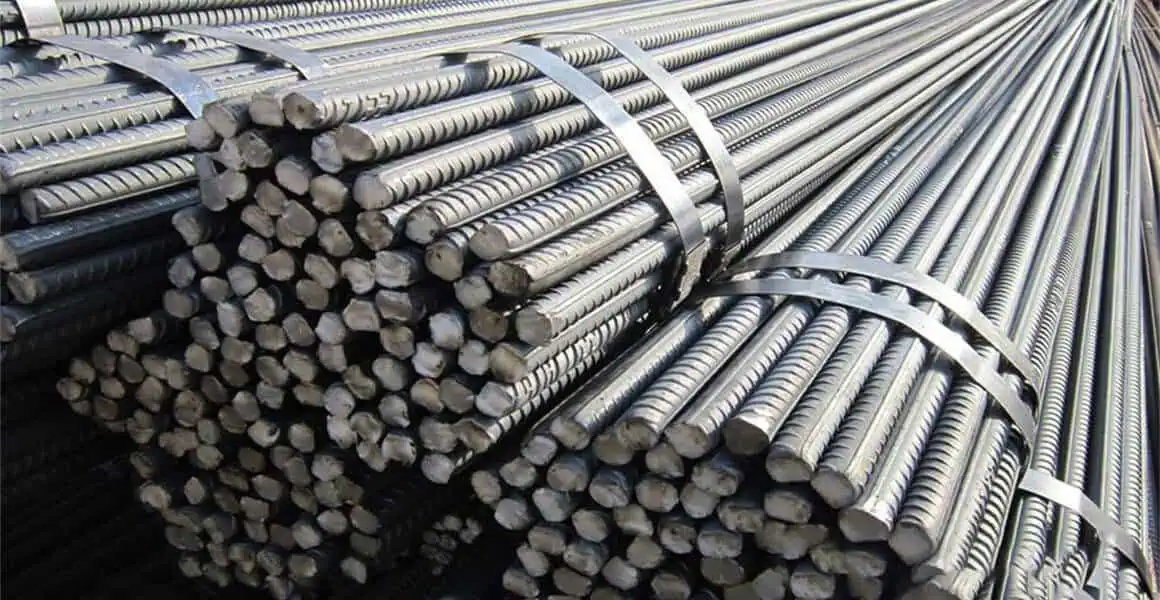
Steel bars are inserted into concrete to boost tensile strength in reinforced concrete constructions. Engineers, contractors, and procurement teams must all understand the size of reinforcing bars.
The diameter and cross-sectional dimensions of the reinforcement steel used in concrete structures are referred to as bar reinforcement size. To ascertain the appropriate steel reinforcement sizes for various construction applications, engineers consult resources such as a rebar size table, rebar diameter chart, or reinforcement bar size chart.
The amount of tensile force that steel can withstand depends on the size of the reinforcement bars. Greater strength and enhanced structural capability are provided by larger diameters. Standardized numbering systems that specify typical steel rebar sizes are used for reinforcement bars in the majority of engineering drawings.
For instance, bar numbers #3, #4, #5, and #8 are included in the U.S. standard. Every number represents a distinct diameter of rebar. A rebar diameter chart or rebar sizes chart is typically used by engineers to confirm these measurements.
Reinforcement bar sizes in millimeters are more frequently utilized in numerous international projects. 8 mm, 10 mm, 12 mm, 16 mm, and 20 mm are typical diameters. These are commonly used standard sizes for reinforcement bars in infrastructural, business, and residential building.
Buyers can better understand engineering drawings and choose the appropriate size of reinforcement steel bar for their projects by being aware of these parameters.
Why Is Choosing the Correct Bar Reinforcement Size Important?
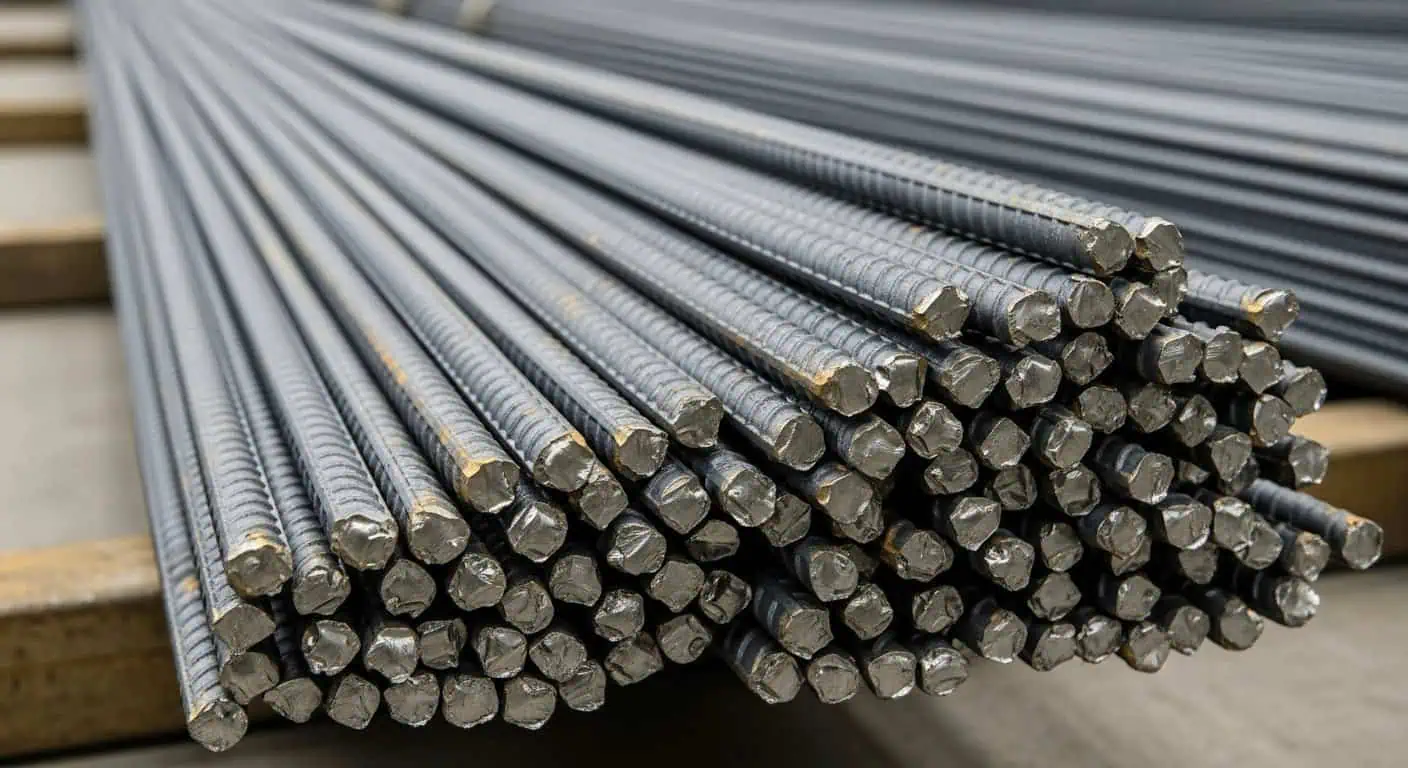
Choosing the incorrect reinforcement bar can result in unneeded material expenses or structural hazards. As a result, selecting the right bar reinforcement size is essential for efficiency and safety.
Selecting the right bar reinforcing size minimizes material waste and guarantees the building can safely support loads. To match steel reinforcement bar sizes with design specifications and building standards, engineers utilize a rebar size chart or reinforcement bar size chart.
Although concrete has poor tensile resistance, it has good compressive strength. The tensile strength required to stop cracking and structural failure is supplied by reinforcement bars.
The structure might not be able to handle design loads if builders choose bars that are smaller than those listed in the rebar size chart. This may eventually result in distortion, fissures, or even collapse.
But selecting steel reinforcement sizes that are too big might also lead to issues. It raises expenses and may make bending and installation more difficult.
For this reason, while constructing structures, structural engineers use standard references such as the rebar sizes chart and reinforcing bar size chart. The most effective size of reinforcing bars for each structural component can be found using these charts.
What Are the Standard Bar Reinforcement Sizes Used Worldwide?
The structure might not be able to handle design loads if builders choose bars that are smaller than those listed in the rebar size chart. This may eventually result in distortion, fissures, or even collapse.
But selecting steel reinforcement sizes that are too big might also lead to issues. It raises expenses and may make bending and installation more difficult.
For this reason, while constructing structures, structural engineers use standard references such as the rebar sizes chart and reinforcing bar size chart. The most effective size of reinforcing bars for each structural component can be found using these charts.
A rebar size table including the rebar diameter, weight per meter, and cross-sectional area is provided by each standard.
For instance, a #4 bar in the American system has a diameter of about 12.7 mm. A rebar diameter chart is used by engineers to verify this measurement.
Reinforcement bar sizes in millimeters are commonly employed in metric systems. 8 mm, 10 mm, 12 mm, 16 mm, 20 mm, and 25 mm are typical dimensions.
In many construction projects across the world, these are regarded as the standard size of reinforcement bar. Buyers can choose compatible materials and prevent specification problems by being aware of these measurements.
How Do Engineers Calculate the Required Bar Reinforcement Size?
Instead of choosing bars at random, structural engineers carefully determine the amount of reinforcement needed. Every bar of reinforcement needs to be the same size as the structural design.
Engineers use structural analysis, load estimation, and building code requirements to determine the size of bar reinforcement. They then choose the appropriate reinforcement steel bar size that can support the anticipated loads by consulting a rebar size table or reinforcement bar size chart.
Load analysis is the first step in the calculating procedure. Engineers assess wind forces, dead loads, live loads, and even seismic consequences.
Engineers calculate the amount of reinforcement area needed to withstand bending and tension using structural calculations. They then choose bars with sufficient strength by consulting a table of rebar diameters.
Several factors influence the selected steel reinforcement sizes, including:
- Concrete strength
- Structural span length
- Load distribution
- Safety factors
- Local construction codes
Modern structural design software also assists engineers by calculating reinforcement requirements automatically. These systems recommend suitable reinforcement bar types and sizes based on engineering standards.

Which Bar Reinforcement Size Is Best for Residential Buildings?
The structural loads on residential buildings are typically moderate. As a result, compared to major commercial constructions, they frequently employ lower steel reinforcement bar diameters.
Common bar reinforcement sizes for the majority of residential construction are 10 mm, 12 mm, and 16 mm bars. To guarantee enough strength for foundations, slabs, and beams, engineers confirm these values using a rebar size chart or reinforcing bar size chart.
Beams, columns, floor slabs, and foundations all need reinforcement while building a home. Different steel reinforcement sizes could be needed for each component.
For example:
- Slabs commonly use 8–10 mm bars
- Beams typically require 12–16 mm bars
- Columns may use 16–20 mm bars
Contractors usually consult a rebar diameter chart before ordering reinforcement materials.
Using the correct reinforcement steel bar size ensures safety while keeping construction costs under control. Builders must also consider the reinforcement bar types and sizes that best suit the structural design.
Which Bar Reinforcement Size Is Used for Commercial or High-Rise Buildings?
High-rise skyscrapers, commercial buildings, and industrial facilities are subject to greater loads than residential buildings.
Larger bar reinforcement sizes, such 20 mm, 25 mm, or 32 mm, are usually needed for large constructions. To decide which steel reinforcement bar sizes are suitable for high-load applications, engineers use a reinforcement bar size chart or rebar diameter chart.
Large occupancy loads, heavy machinery, and several levels must all be supported by high-rise structures. Stronger reinforcement is therefore necessary.
While columns may utilize 32 mm bars or more, depending on design specifications, large beams typically need 25 mm bars.
To determine the proper steel reinforcement sizes, engineers examine load distribution and refer to a rebar sizes chart.
Selecting the appropriate reinforcement bar size ensures adherence to safety regulations while preserving structural integrity.
How Does Bar Reinforcement Size Affect Structural Strength?
The diameter of the rebar and the overall area of steel utilized in the structure have a major impact on the strength of reinforced concrete.
Because bigger rebar diameters offer greater tensile capacity, bar reinforcement size has an impact on structural strength. The proper steel reinforcing bar sizes for safe construction are determined by engineers using rebar diameter and rebar size charts.
Concrete is subjected to tensile tensions, which are absorbed by reinforcement bars. The cross-sectional area of steel is increased and its load-bearing capacity is enhanced by a greater rebar diameter.
When two steel rebar sizes are compared, for instance, the larger bar usually provides more resistance to bending forces.
To determine the total reinforcement area needed for beams and columns, engineers use a rebar diameter chart.
On the other hand, selecting overly big reinforcement steel bar sizes may result in higher expenses and less effective construction. Strength, cost, and workability are all balanced in proper design.
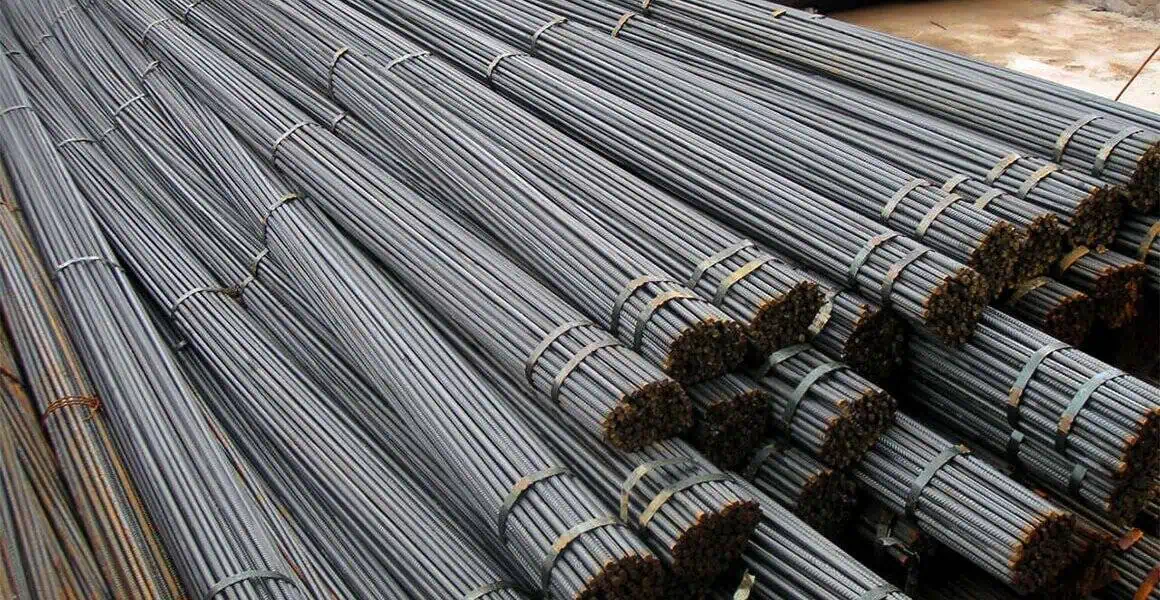
How to Read Bar Reinforcement Size Charts and Specifications?
When placing construction material orders, contractors and steel buyers must comprehend the requirements for reinforcing.
Important details including rebar diameter, unit weight, cross-sectional area, and conventional reinforcement bar sizes are listed in a rebar size chart or reinforcement bar size chart. For construction projects, these charts aid in verifying the appropriate size of reinforcement steel bars.
A standard rebar size table offers comprehensive technical information such as sectional area, weight per meter, and diameter.
A 16 mm bar, for example, may weigh about 1.58 kg per meter, according to a rebar sizes chart.
To make sure that the provided steel reinforcement bar diameters meet design specifications, engineers and procurement teams carefully examine these charts.
Using a reinforcement bar size chart also helps verify compliance with engineering drawings and construction standards.
What Factors Should Buyers Consider When Sourcing Bar Reinforcement Size?
Just as crucial as selecting the appropriate size is picking the proper source for reinforcement bars.
Buyers should look at steel grade, dimensional tolerances, certification requirements, and reinforcing bar sizes in millimeters when acquiring bar reinforcement. The delivered reinforcing steel bar size is guaranteed to satisfy project requirements by comparing specifications with a rebar size chart.
Professional buyers typically evaluate several factors when purchasing reinforcement steel:
- Product certifications
- Mechanical strength
- Dimensional accuracy
- Supplier reliability
Documentation attesting to standard reinforcing bar sizes and material quality should be provided by a reliable supplier.
Additionally, inspection is crucial. Delivered steel reinforcement sizes can be independently tested to ensure they meet the requirements specified in the rebar size table.
Consistent supply and dependable logistics are also crucial, particularly for major building projects.
How to Ensure Quality When Importing Bar Reinforcement from China?
One of the biggest manufacturers of reinforcement steel, China provides building supplies to global markets.
When importing bar reinforcement size from China, buyers should check certifications, ask for mill test results, and use a rebar diameter chart or reinforcement bar size chart to confirm reinforcement bar sizes in millimeters to ensure quality.
Due to their vast production capacity and reasonable cost, many foreign contractors purchase steel reinforcement bar sizes from Chinese producers.
Customers should, however, carefully check the product specs. Production standards, inspection reports, and mill test certifications are important papers.
Before shipping, it is also advised to verify the rebar diameter and requirements using a rebar diameter chart.
To guarantee that the delivered reinforcement steel bar size corresponds with the purchase agreement, third-party inspection companies might assist.
Consistent quality, dependable logistics, and adherence to international standard size requirements for reinforcement bars are all made possible by working with seasoned exporters.
Summary
Engineers and purchasers may select the appropriate steel reinforcement bar sizes for safe, long-lasting, and economical construction by using tools like rebar size charts and an understanding of bar reinforcement size.