
Are you wondering why galvanized metal is coated with zinc? Understanding the benefits of this coating can help you choose the right material for your projects and prevent corrosion issues.
Why is galvanized metal coated with zinc and how does it benefit the steel? Galvanized metal is coated with zinc to prevent rust and corrosion. The coating provides a protective barrier, ensuring longevity and durability in harsh conditions. Learn how this process enhances galvanized steel metal and why it’s a preferred choice in construction and infrastructure.
Let’s dive into the details of the galvanizing process and explore how the coating benefits galvanized steel metal in various environments.
What Does It Mean When Metal Is Galvanized with Zinc?
Galvanizing is the process of coating a metal, typically steel, with a layer of zinc. This treatment dramatically improves the metal’s resistance to rust, corrosion, and wear. But what exactly is the process behind galvanized steel?
Steel is galvanized by either dipping it in molten zinc or spraying it with a zinc coating, which creates a protective layer. This coating protects the metal from environmental elements that may cause deterioration over time.
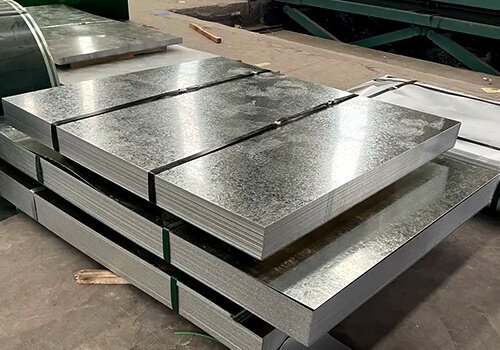
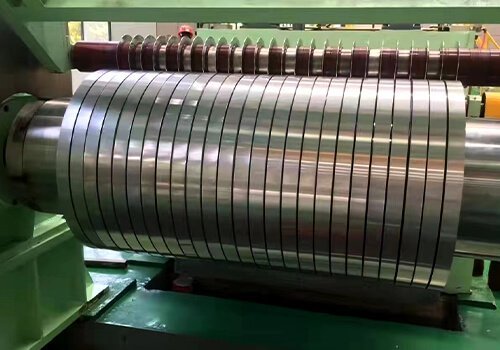
The galvanizing process steps consist of cleaning the steel, applying a flux to prepare it for zinc coating, and finally dipping it in molten zinc. The end result is galvanized metal sheets with a shiny, protective coating. Galvanized metal is coated with zinc to ensure longevity, as the zinc acts as a sacrificial anode, corroding before the steel beneath it. Galvanized steel characteristics has high durability, rust resistance, and the ability to withstand harsh environments, making it ideal for outdoor applications.
What Are the Key Benefits of Zinc Coating on Metal?
Galvanizing provides numerous benefits, particularly for metals used in construction or subjected to harsh environmental conditions. But what gives galvanized metal, which is coated with zinc, such a powerful advantage?
Zinc coating provides corrosion protection as its primary benefit. The galvanized coating thickness standard ensures that the metal is durable for decades, even when exposed to moisture, salt, and other corrosive elements.
In addition to corrosion resistance, the zinc layer gives galvanized steel metal more strength and durability. Galvanized coating paint is frequently used with galvanized steel in applications that require additional protection. Galvanized coating price is typically less expensive than frequent repairs or replacements.
Galvanized metal is coated with zinc because it is inexpensive, widely available, and has the potential to extend the metal’s life by decades. This makes it suitable for long-term infrastructure projects such as bridges, fences, and roofing.

How Does Galvanized Metal Improve Steel’s Performance in Harsh Environments?
Steel, if left uncoated, can corrode rapidly due to environmental exposure. Galvanized metal performs significantly better in harsh environments when coated with zinc.
The galvanized coating thickness standard specifies how much zinc is used, influencing the metal’s durability in harsh environments like coastal areas or industrial zones.
Zinc is applied to galvanized metal to form a strong barrier against rusting. This is especially important in areas with high humidity or exposure to chemicals and saltwater. The galvanizing process steps ensure that the coating is uniform and long-lasting. As zinc oxidizes, it forms a protective layer that reduces rust formation, making galvanized metal ideal for use in marine environments or anywhere long-term protection is required. Whether you’re working with galvanized metal sheets or custom steel parts, galvanized steel’s corrosion resistance provides unparalleled performance.
Is Galvanized Metal a Sustainable Choice for Long-Term Use?
As sustainability becomes more important, galvanized metal emerges as an environmentally friendly choice for construction and manufacturing. Galvanized steel’s durability and recyclability make it an ideal long-term solution for a variety of industries.
Galvanized steel characteristics make it a sustainable choice due to its long lifespan and recyclability. When its life cycle is complete, the material can be melted down and reused with no loss of quality.
The use of galvanized metal sheets in construction reduces the need for frequent replacements, which reduces waste and saves resources. Because the base metal (steel) is highly recyclable, the galvanized coating paint can be reused during the process, which contributes to the circular economy. Galvanized steel is an excellent example of sustainability, as it provides strength, corrosion resistance, and has a lower environmental impact than other materials that require frequent maintenance or replacement.
Will a Magnet Stick to Galvanized Metal?
Magnetism is a fascinating property that can determine the type of metal you’re working with. Does it apply to galvanized steel metal? Will a magnet stick to it?
Yes, a magnet will stick to galvanized steel metal because the underlying steel is ferrous (magnetic). The magnetic properties of the steel remain unaffected by the zinc coating.
Although the galvanized metal is coated with zinc, the base metal, which is typically steel, retains its magnetic properties. This means that galvanized metal sheets can be magnetized in the same way as uncoated steel. However, because the zinc layer is nonmagnetic, the magnetic strength may be slightly reduced when compared to untreated steel.

Will Galvanized Metal Rust?
Galvanized metal is known for its high corrosion resistance, but does that mean it is completely rust-proof? Let’s see if galvanized metal will rust over time.
Despite its high resistance to rust, galvanized metal can still corrode under certain conditions. The zinc coating may degrade with time, particularly in harsh environments.
The galvanized coating thickness standard is critical to the durability of the metal’s protective layer. If the coating is thin or damaged, the steel underneath may eventually rust. The good news is that the zinc layer typically corrodes before the steel, acting as a sacrificial layer of protection. With proper care, galvanized metal can last for decades without rusting.
How Long Will Galvanized Steel Last Before It Rusts?
One of the most common concerns about galvanized steel is how long it will last before it rusts. The answer is determined by a number of factors, including the coating’s thickness and the environment to which it is exposed.
Galvanized steel can last 20 to 50 years before rusting, depending on the environment and the galvanized coating thickness standard.
The galvanizing process steps ensure that the zinc coating adheres strongly to the metal, and the thicker the coating, the longer the material will last. Galvanized steel can last for 50 years or more without rusting in mild climates, but in coastal or industrial environments, the coating may degrade more quickly due to higher humidity levels or corrosive agents such as saltwater.
How to Tell If Your Metal Is Galvanized?
It can be difficult to tell the difference between galvanized metal and other types of steel. Here are some simple ways to determine whether your metal is galvanized.
Galvanized metal sheets have a dull gray finish and a smooth texture. Scratching the surface may reveal a shiny zinc layer below, indicating that it is galvanized.
Another way to tell if a metal is galvanized is to look for the distinctive spangle pattern produced by the galvanizing process steps. Galvanized metal is coated with a protective it from rust while also giving it a distinct appearance. If the metal does not show signs of corrosion or rust, it is probably galvanized.
What Kills Rust on Galvanized Metal?
Even though galvanized metal is extremely resistant to rust, it can still corrode if the protective layer is damaged. How do you treat rust on galvanized surfaces?
To remove rust from galvanized metal, use a mild acid such as vinegar or lemon juice. Wire brushes and abrasive pads can also help, but be careful not to damage the zinc coating.
When rust appears on galvanized steel metal, it is critical to address it immediately. After removing the rust, repaint the metal with a galvanized coating paint to restore its protective layer. This helps to prevent further rusting and extends the life of the galvanized metal.
What Metals Cannot Be Galvanized?
Not all metals are appropriate for galvanizing. Certain materials do not bond well to zinc or react negatively during the galvanizing process steps.
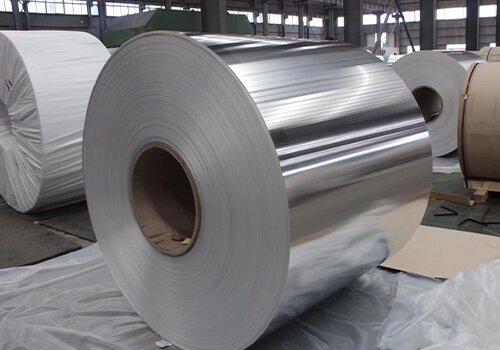
Metals such as aluminum, hindi kinakalawang na asero, and certain alloys cannot be galvanized due to their inherent properties. Aluminum, for example, is naturally corrosion-resistant and therefore does not require a galvanized coating.
While galvanized steel is ideal for outdoor applications, stainless steel and aluminum are frequently preferred due to their corrosion resistance and aesthetic appeal. These materials do not require galvanization, and attempting to apply a zinc coating may result in poor adhesion or chemical reactions that compromise the metal.
Buod
Galvanized metal is coated with zinc to protect it from corrosion and improve its performance in harsh environments. Understanding the galvanizing process steps and galvanized steel characteristics enables you to make informed decisions for long-term, environmentally friendly solutions in construction and other industries.