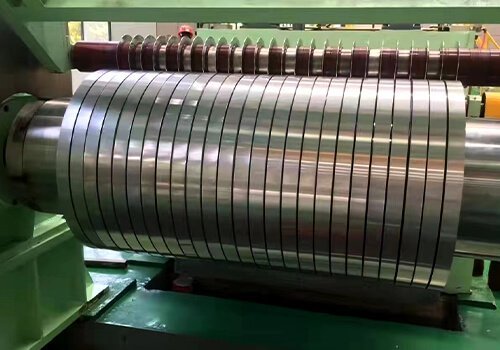

We all see stainless steel daily, but few understand what makes steel stainless and why it resists rust—a mystery worth uncovering.
What is stainless steel made of and why is it corrosion-resistant? Stainless steel is mainly made of iron, at least 10.5% chromium, and small amounts of carbon, nickel, and molybdenum. The chromium forms a thin oxide layer that prevents rust and corrosion, making the material durable, recyclable, and ideal for countless industrial and household applications.
Now, let’s explore its composition, properties, and how to identify real stainless steel in detail.
What Is 100% Stainless Steel Made of?
Many people believe stainless steel is a single, pure metal. Stainless steel is made of a blend of several metals that have been precisely balanced for performance and durability.
Stainless steel made of iron as its base, with chromium (at least 10.5%), nickel, molybdenum, at, in some cases, manganese or silicon added for strength. Each of these stainless steel elements contributes a specific property: chromium resists rust, nickel increases ductility, and molybdenum increases toughness.
In industries where strength and hygiene are critical, this unique material stainless steel composition makes it indispensable. The stainless steel manufacturing process allows for control over these ratios, resulting in various grades for specialized applications ranging from medical instruments to skyscraper cladding.
What Elements Make Stainless Steel Stainless?
The secret behind what makes steel stainless lies in its chemistry—particularly the chromium content.
Chromium forms a thin, invisible oxide film on the surface, preventing oxygen and moisture from reacting with the metal beneath. This self-healing “passive layer” regenerates automatically if scratched, preventing stainless steel from rusting easily.
Nickel improves the stability of the protective film, while molybdenum increases resistance to acids and salts. These stainless steel elements are responsible for the decades-long corrosion resistance of bridges, pipelines, and even kitchen sinks. In short, chromium “defines stainless steel.”
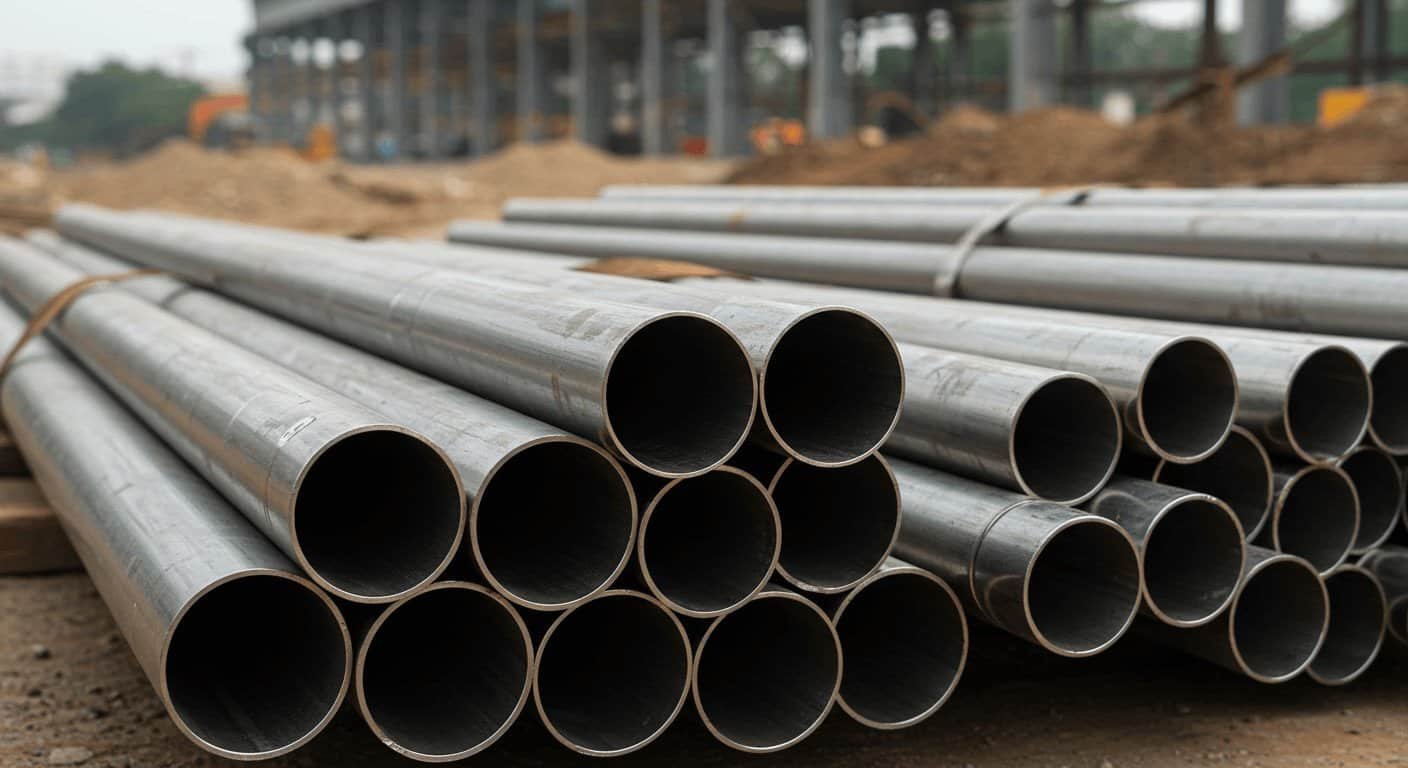
What Is Stainless Steel Made of Chemically?
From a chemical standpoint, what is stainless steel made of depends on its grade and application.
Most stainless steels contain 10.5–20% chromium, up to 1.2% carbon, and varying levels of nickel, manganese, and silicon. These percentages determine how the steel responds to heat, stress, and chemical exposure.
Halimbawa, 304 stainless steel contains 18% chromium and 8% nickel, which balances corrosion resistance and affordability. Meanwhile, 316 stainless steel contains approximately 16% chromium, 10% nickel, at 2% molybdenum, which provides additional protection in saltwater or chemical environments.
These chemical ratios are adjusted by manufacturers to fine-tune stainless steel grades for the construction, automotive, food, and energy industries.
Are There Different Types of Stainless Steel?
Absolutely. There isn’t just one type of stainless steel—there are five main families.
There are five major types: austenitic, ferritic, martensitic, duplex, and precipitation-hardening stainless steels. Each differs in composition, crystal structure, and performance.
Austenitic steels, like 304 at 316 hindi kinakalawang na asero, are nonmagnetic and highly corrosion-resistant. Ferritic steels contain more chromium but less nickel, resulting in superior magnetic properties. Duplex stainless combines strength and corrosion resistance, whereas martensitic stainless is hard and strong but less corrosion resistant.
Understanding these distinctions enables buyers to select the appropriate stainless steel grades for specific stainless steel applications ranging from architectural panels to surgical tools.
Which Is Better, SS 304 or 316?
When comparing stainless steel 304 at 316, both have excellent hindi kinakalawang na asero properties, but the differences vary depending on the application.
SS 304 is cost-effective and perfect for indoor or general-purpose applications, while SS 316 contains molybdenum, offering superior resistance to salt, acids, and chlorides.
If you work in the food, marine, or chemical industries, 316 stainless steel is the best option. However, for household appliances, decorative items, and building materials, 304 stainless steel remains the most cost-effective and widely used.
Both are austenitic, meaning they have a clean, bright finish and superior strength—the reason stainless steel uses range from kitchens to skyscrapers.
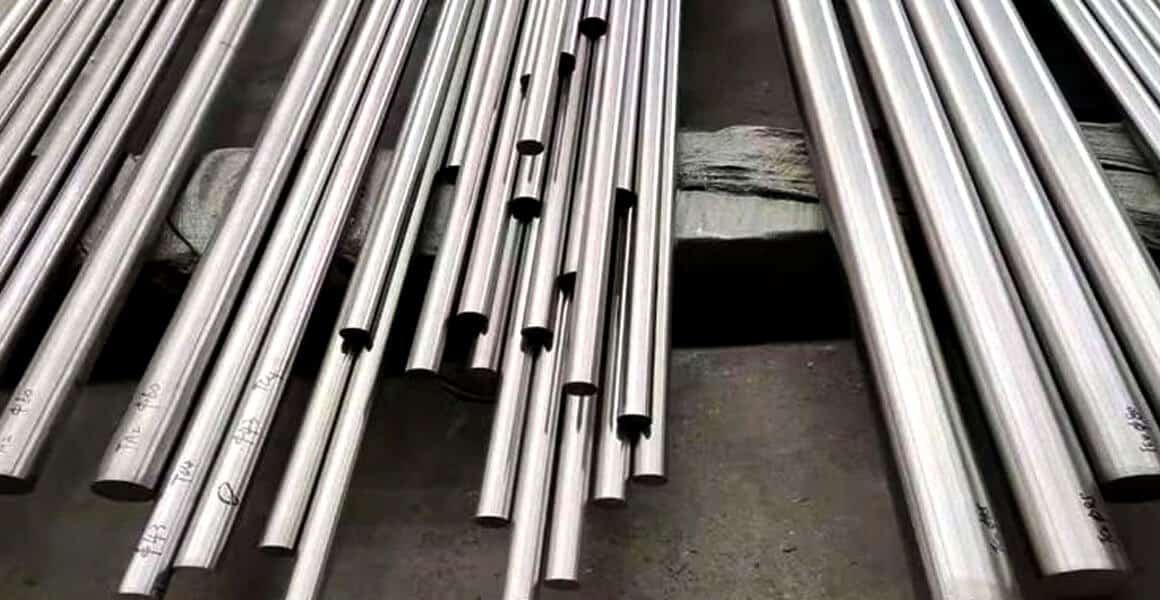
How Can I Tell What Grade My Stainless Steel Is?
Knowing what grade of stainless steel you have can be critical for industrial buyers or engineers.
You can identify stainless steel grades by checking labels, using magnetic tests, or performing chemical analysis. A magnet test distinguishes between austenitic (non-magnetic) and ferritic (magnetic) types.
For a more accurate method, professionals use spectrometers that analyze what metals stainless steel is made of. Visual inspection can also be beneficial at times. 304 stainless steel typically has a shinier appearance than ferritic grades.
Knowing your grade ensures that you have the appropriate corrosion resistance, strength, and weldability for your stainless steel applications.
How to Tell If Steel Is Stainless?
It is easy to mistake polished Carbon Steel for stainless steel, but there are significant differences.
Stainless steel resists rust, is often non-magnetic, and doesn’t discolor easily when exposed to water or air.
Place the metal in a humid environment for a few days to see if it rusts; if it doesn’t, it’s probably stainless. A quick magnet test is also useful; austenitic grades, such as 304 hindi kinakalawang na asero, are generally non-magnetic.
When in doubt, look for markings that define stainless steel grade. Genuine material stainless steel retains its luster for decades, making it a popular choice for construction and industrial design.
Is Stainless Steel 100% Non-toxic?
As people become more health conscious, one common question arises: is stainless steel 100% non-toxic?
Yes, stainless steel is generally safe and non-toxic, especially food-grade varieties like 304 at 316. Its protective oxide layer prevents metal ions from leaching into food or liquids, making it suitable for cookware and medical equipment.
However, poor-quality or damaged steel can emit trace metals over time. That is why it is critical to source certified materials from reputable stainless steel producers. The combination of stainless steel elements ensures hygiene, durability, and safety a key reason stainless steel uses extend into hospitals, kitchens, and laboratories.
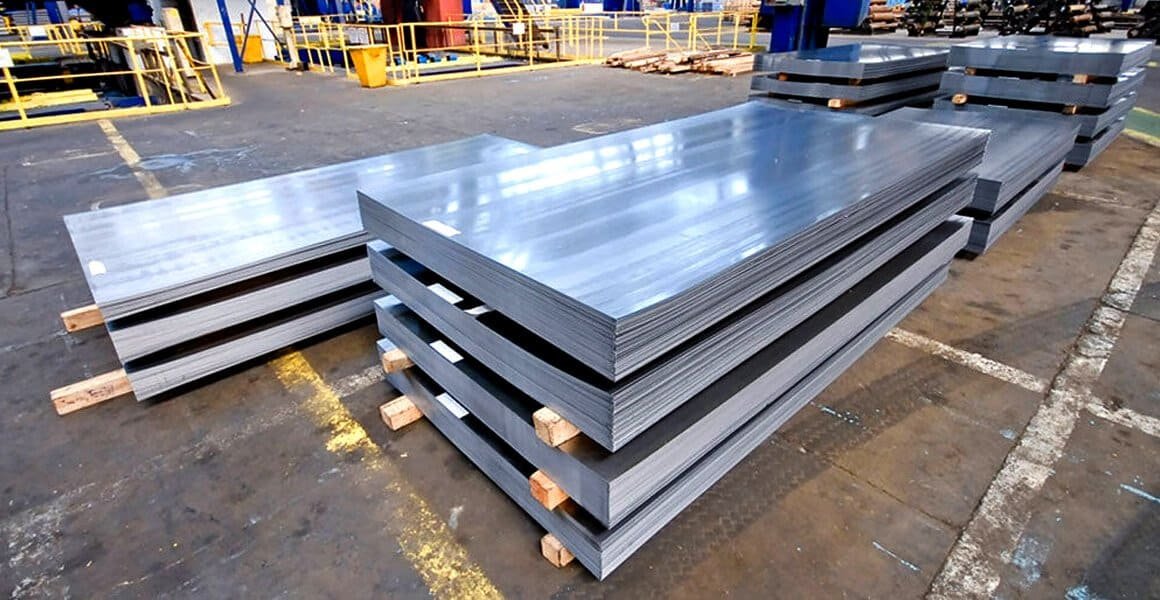
Can You Weld Stainless Steel?
Yes, you can—but it takes skill and knowledge of the stainless steel manufacturing process.
TIG (Tungsten Inert Gas) and MIG (Metal Inert Gas) welding are the most common techniques used to weld stainless steel while maintaining its corrosion resistance.
Austenitic grades like 304 stainless steel and 316 stainless steel are easiest to weld. To prevent oxidation, an appropriate shielding gas (argon or helium) is required. After-weld cleaning and passivation restore the protective chromium oxide layer.
If welding is done incorrectly, chromium depletion can occur, resulting in localized corrosion—so skilled fabricators are essential. This property increases the flexibility of stainless steel applications in construction, pipelines, and machinery.
What Are the Properties of Stainless Steel?
In addition, its recyclability supports global sustainability goals. Every year, over 70% of where stainless steel is produced comes from recycled scrap, demonstrating how stainless steel manufacturing processes align with green technology.
What truly distinguishes stainless steel is its balanced physical and chemical properties.
It’s corrosion-resistant, strong, heat-tolerant, hygienic, at 100% recyclable—making it a cornerstone material for modern industry.
Corrosion resistance is one of the most notable stainless steel properties. The material can withstand temperatures as high as 870°C, resist scaling, and is easy to clean. The thermal conductivity, strength, and aesthetic appeal of stainless steel explain why stainless steel is used for architecture, kitchenware, transportation, and renewable energy equipment.
Bukod dito, its recyclability promotes global sustainability goals. Every year, over 70% of where stainless steel is produced comes from recycled scrap, demonstrating how stainless steel manufacturing processes are compatible with green technology.
Buod
Stainless steel’s perfect mix of iron, chromium, and nickel makes it strong, safe, and rust-free — a material built to last for generations.