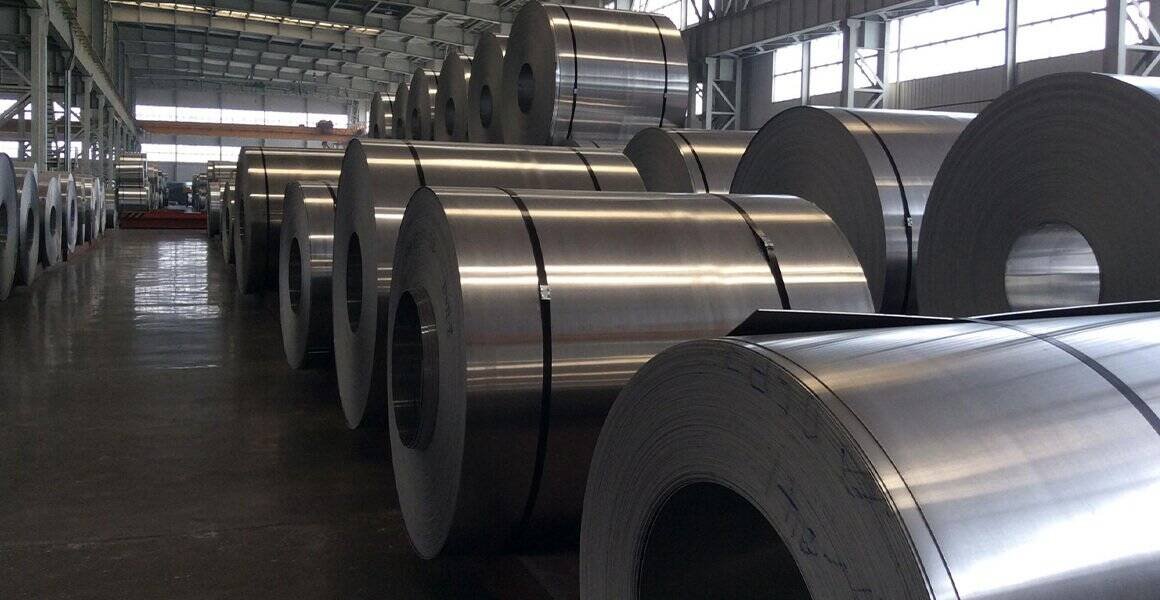
Steel buyers frequently have trouble estimating the weight of steel coils, which results in incorrect cost calculations and logistical problems. Here are some straightforward, precise solutions to this issue.
The weight of a bakal na likaw can be calculated using the outer diameter (OD), inner diameter (ID), width, and material density. Most steel coils weigh between 7–15 tons, but heavy-duty coils can exceed 30 tons. Using a coil calculator ensures accurate and safe results for logistics and pricing.
Let’s now explore how to accurately measure, compare, and control steel coil weight in real-world scenarios.

How Heavy Is a Steel Coil?
The weight of a coil of steel prior to shipping or lifting is a question that many engineers and buyers have. Cranes, forklifts, and container loads can be safely planned by knowing the average steel coil weight. It also affects structural application and freight costs.
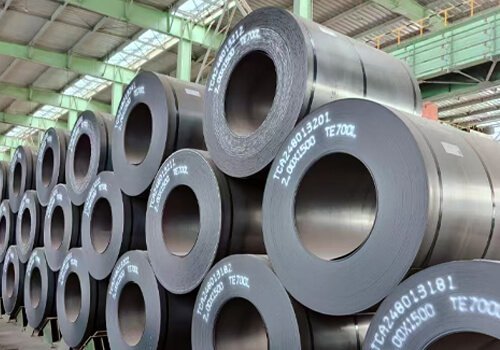
A standard steel coil weighs between 7 to 15 tons depending on width, thickness, and material type. Heavy industrial coils can reach up to 30 tons or more.
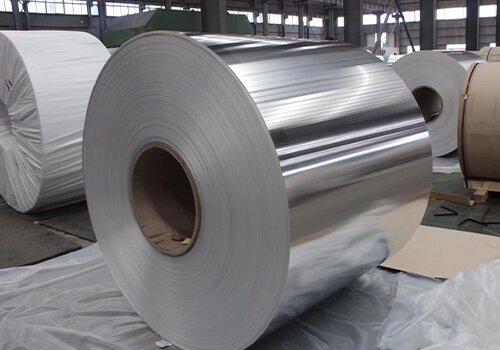
Density determines the weight of the steel rolls. Aluminum coil weight calculator results indicate 3–6 tons, carbon steel coils typically weigh 7–12 tons, and stainless steel coils weigh 10–15 tons. Large steel coil weights may require port cranes and special handling.
To guarantee that customers receive accurate information for customs clearance and logistics planning, Chinese exporters frequently provide bakal na likaw weight in kilograms, tons, and pounds. To reduce transportation risks, always check the results of the steel coil size and coil dimensions calculator before shipping.
How to Calculate the Weight of a Steel Coil?
Accurate calculation prevents overloading, ensures fair pricing, and simplifies customs documentation for exporters and importers.
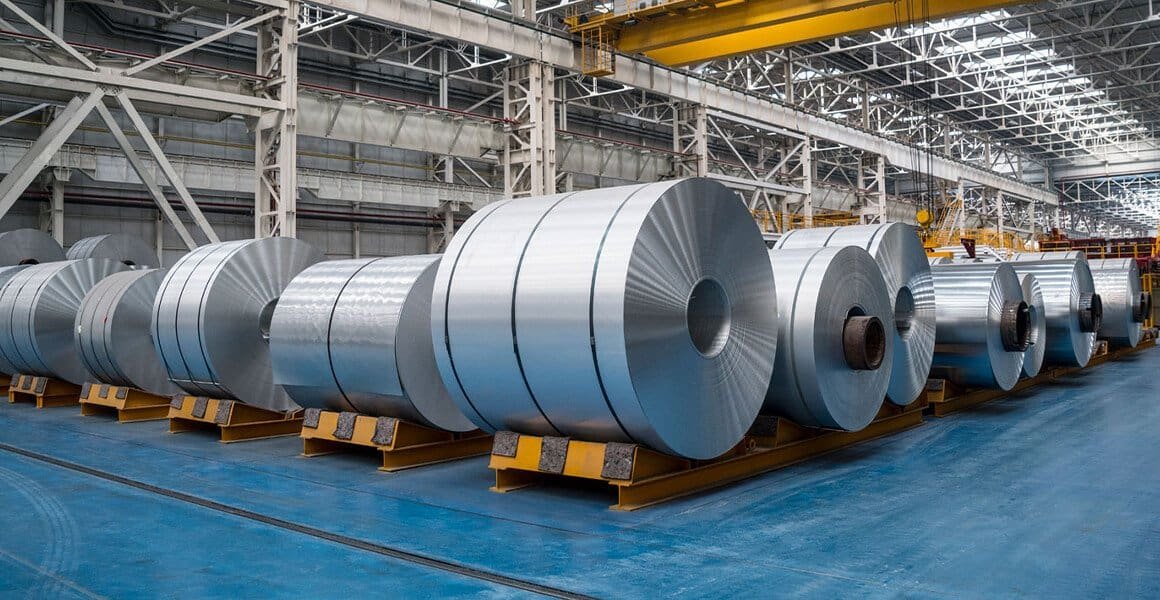
The formula: (OD² – ID²) × Width × Density × 0.000785 = Steel Coil Weight. This works for hot rolled steel coil, cold rolled steel coil, and galvanized steel coil, adjusting for different material densities.
To obtain exact figures, you can simply use a coil weight calculator or a stainless steel coil weight calculator. You can enter coil dimensions, choose the type of metal, and receive automatic results with well-known tools like Worthington Steel’s Coil Calculator or BS Stainless Calculator. Certain sophisticated tools, such as the coil length calculator or coil od calculator, assist in determining coil length and weight at the same time.
Halimbawa, you can optimize packaging to adhere to weight restrictions for 20- or 40-foot containers when exporting steel sheet coil weight or PPGI sheet weight calculator results. Before confirming your order, always check the results of your coil size or dimensions calculator.
What Is the Average Weight of a Coil by Material Type?
Different materials produce different coil weights due to varying densities and manufacturing standards.
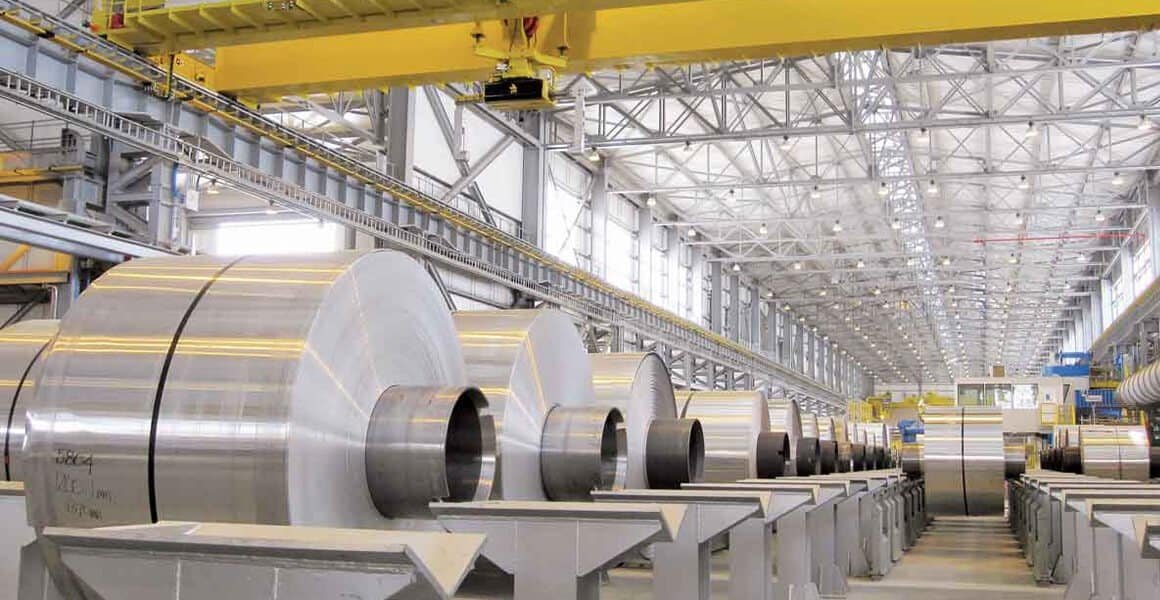
Carbon steel coils: 7–12 tons; hindi kinakalawang na asero: 10–15 tons; Aluminum: 3–6 tons; Copper: 5–8 tons.
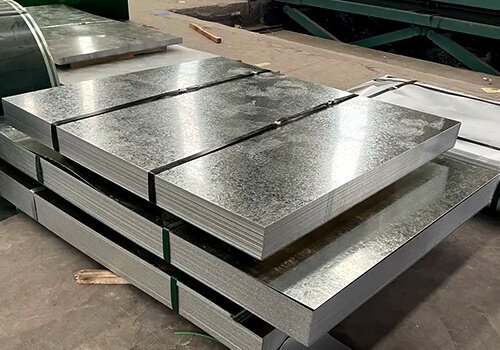
The gauge thickness and finishing method affect the weight of the steel coil. For instance, steel cold rolled coil is thinner and lighter, offering a smoother surface, whereas steel hot rolled coil is heavier because it retains more density. The zinc coating on galvanized steel coils increases corrosion resistance while adding a small amount of weight.
Manufacturers and exporters often provide steel coil weight charts or digital coil calculators so that customers can verify exact tonnage. The producers of steel coils also provide certificates that show the weight of the coils in pounds and kilograms for accuracy in international trade. Understanding steel coil dimensions makes it easier to budget for storage and transportation requirements.

Why Is Steel Coil So Heavy?
Many people are taken aback by how dense and small a steel roll weight can be. Its construction—thousands of meters of tightly wound steel sheet compressed into a cylindrical coil—is the cause.
Steel coils are heavy because they consist of dense sheets rolled tightly together. The thicker and wider the material, the heavier the coil becomes.
Because carbon steel has a density of 7.85 g/cm³, even a tiny coil can weigh several tons. Because aluminum has a density of 2.7 g/cm³, aluminum coil weight calculator results are lower. Make sure your equipment can safely handle the large steel coil weight by using the coil length and coil od calculators whenever you are designing lifting operations or planning export logistics. In addition to preventing deformation, proper handling lowers the possibility of accidents at work.

How Can I Reduce Shipping Costs for Heavy Steel Coils?
If weight and space aren’t optimized, shipping big coils abroad can be costly. To reduce expenses, split large coils, use effective packaging, and transport using flat racks or bulk vessels.
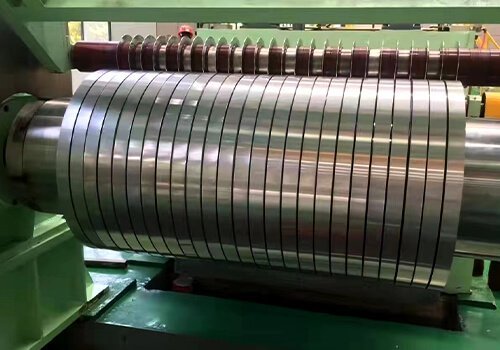
Selecting the appropriate steel coil size can have a significant impact. To determine the most cost-effective size-to-weight ratio, use a coil calculator or coil dimensions calculator. Coils can be divided into smaller loads in order to comply with local road weight restrictions. Optimized packaging for steel coil weight in tons or steel coil weight in pounds is ensured by working with seasoned steel coil manufacturers in China. To cut down on container waste and enhance stacking, some suppliers also provide coil length calculator services.
Combining shipments can also reduce overall freight costs if you deal with different coil types, such as hot rolled steel coil, galvanized steel coil, or stainless steel coil tubing. By keeping an eye on steel coil price trends, you can increase your profit margins by buying in bulk when prices decline.
Buod
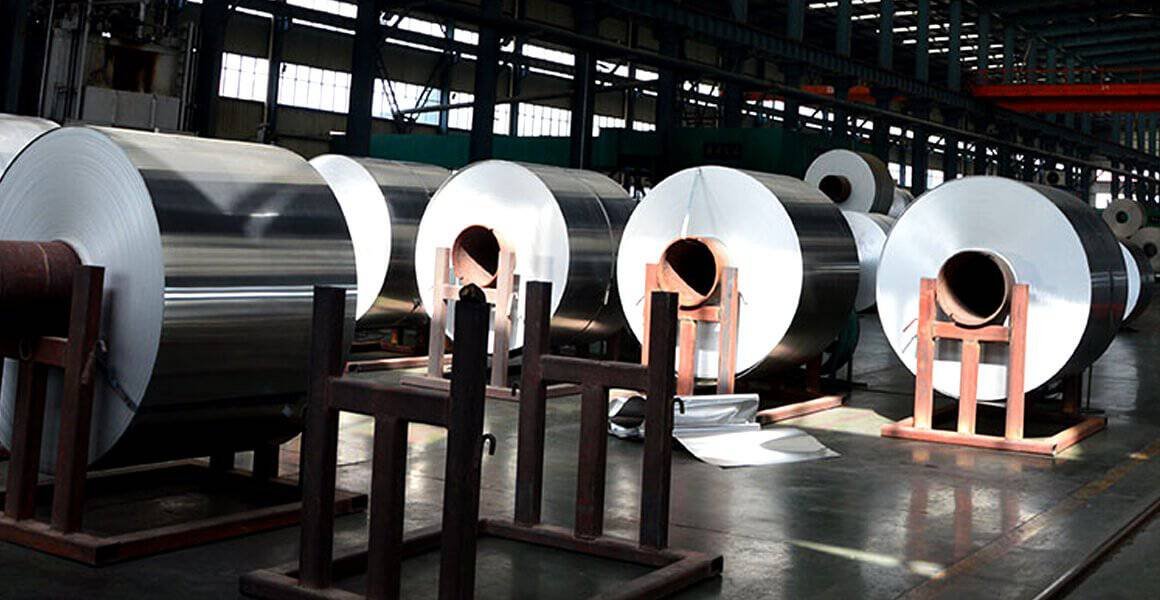
Accurate budgeting, secure shipping, and seamless international trade are all made possible by knowing steel coil weight. Before making a purchase or shipping, always use a trustworthy coil calculator.