Ang mga panlabas na proyekto ay nangangailangan ng mga materyales na makatiis sa malupit na mga kondisyon. Ngunit pagdating sa pagpili ng tamang materyal, hindi kinakalawang na asero kumpara sa yero ay kadalasang nagiging focal point. Alin ang dapat mong piliin para sa iyong mga pangangailangan sa labas?
Dapat kang pumili ng hindi kinakalawang na asero o yero para sa labas? Both galvanized steel and stainless steel offer resistance to corrosion and rust, but their suitability for outdoor projects depends on specific environmental factors like climate and budget. Understanding their differences will help you make the best decision.
Let’s break down the key differences between stainless steel and galvanized steel to help you make an informed choice for your next outdoor project.
What Is the Difference Between Stainless Steel and Galvanized Steel?
The first thing you need to understand when choosing between galvanized steel vs stainless steel is their fundamental differences in composition and manufacturing process.
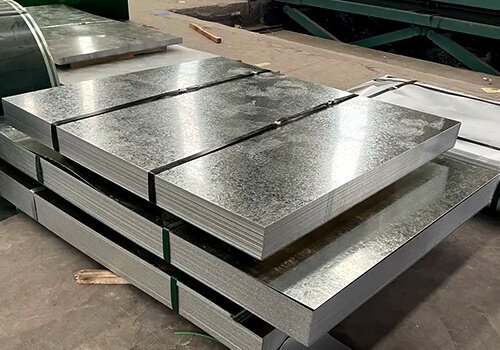
The rust-resistant qualities of stainless steel come from an alloy composed of iron and other metals, such as chromium. Galvanized steel, sa kabilang banda, is regular steel that has been zinc-coated to stop corrosion.
The construction and durability of stainless steel and galvanized steel differ significantly. Because chromium forms a passive oxide coating, stainless steel is extremely resistant to rust and corrosion. Because of this characteristic, stainless steel is particularly well-suited for challenging settings like coastal regions where exposure to seawater can cause quick corrosion. Carbon steel is coated with zinc to create galvanized steel, which is likewise rust-resistant. Over time, the zinc layer falls off and acts as a sacrificial coating. Compared to stainless steel, it has a shorter lifespan since the steel underneath is exposed to the elements once the zinc wears away.When it comes to prolonged exposure to severe weather, the distinction between stainless steel and galvanized steel becomes very important.

Why Use Galvanized Steel Over Stainless Steel?
Even though stainless steel has many benefits, galvanized steel is still quite popular in many circumstances, particularly when cost and environmental conditions are important considerations.
In mild settings, when the additional corrosion resistance of stainless steel isn’t as important, galvanized steel is a more cost-effective substitute for stainless steel.
Cost is a major factor in the decision between galvanized and stainless steel. Because galvanized steel is usually significantly less expensive than stainless steel, it is a desirable choice for large-scale outdoor projects with tight budgets. Galvanized steel, for instance, is frequently utilized in utility poles, bubong, and fences. For projects in areas with mild to moderate weather, the zinc coating offers adequate protection against the elements.Galvanized steel is still appropriate for the majority of outdoor applications, even if stainless steel is more durable. This is especially true if your project won’t be subjected to the harsh conditions that would call for the usage of stainless steel.
The environment in which they will be utilized is another factor that difference between galvanized steel and stainless steel. Where there is less exposure to seawater or where corrosion is not a major problem, galvanized steel works well. On the other hand, severe, high-humidity settings like chemical factories or coastal areas would be more suited for stainless steel.
What Lasts Longer, Galvanized or Stainless Steel?
One of the most important questions about outdoor durability is whether stainless steel or galvanized steel lasts longer.
Because hindi kinakalawang na asero is more resistant to rust and corrosion, it usually lasts longer than galvanized steel, particularly in harsh outdoor environments.
Stainless steel has a far longer lifespan than galvanized steel. Although galvanized steel can endure for several decades in temperate climates, its zinc covering eventually starts to deteriorate, particularly when exposed to chemicals, seawater, or severe weather. The underlying steel becomes susceptible to corrosion when the zinc layer wears off, thus reducing its lifespan.
hindi kinakalawang na asero, sa kabilang banda, is renowned for its enduring resilience. Stainless steel is nearly impervious to rust and corrosion in the majority of outdoor environments because of its chromium concentration, which creates a protective oxide coating. Galvanized steel rust versus stainless steel rust: The former is far more resilient to it. Halimbawa, although galvanized steel requires constant maintenance to avoid corrosion as the protective coating deteriorates, stainless steel components on outdoor buildings like bridges and architectural features withstand decades without frequent maintenance.

Is Stainless Steel Better for the Outside?
Stainless steel is frequently hailed as the greatest option for outdoor applications due to its remarkable resistance to rust and corrosion. Is it, gayunpaman, always the ideal material for your project?
Galvanized steel may still be a good alternative in less demanding outdoor settings where cost and budget are major factors, even if stainless steel is the better option for corrosion resistance.
The quick answer is that stainless steel is better for outdoors in conditions with severe weather or frequent exposure to substances like chemicals and saltwater. Halimbawa, stainless steel is necessary in coastal areas where seawater corrosion is a significant worry because it won’t rust in these circumstances.
But galvanized steel can also be used in outdoor construction. Is galvanized steel good for outdoor use? Indeed, it can be, especially in places with less exposure to extreme weather or dampness. Bukod dito, galvanized steel provides affordable alternatives for projects like roofing, gutters, and fences when the high cost of stainless steel is unjustified and the performance requirements are modest.
How Does Aesthetic Appeal Factor Into the Choice Between Stainless Steel and Galvanized Steel?
Galvanized steel also has a unique appeal, but stainless steel is frequently used for its clean, contemporary appearance. Let’s examine how these materials affect the visual appeal of your outdoor projects.
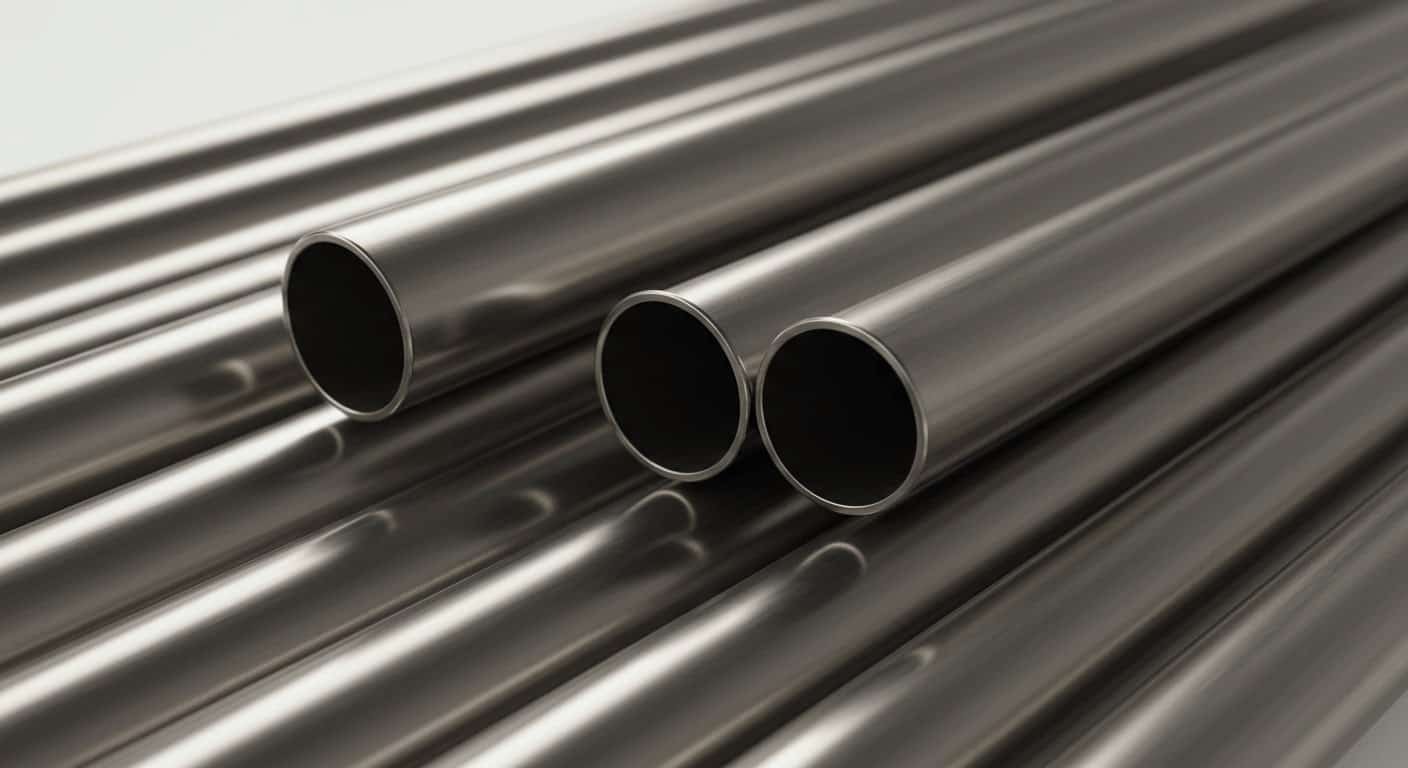
While galvanized steel offers a matte, industrial appearance, stainless steel offers an upscale, glossy surface. The choice between these two materials will be based on the aesthetic of your project.
Stainless steel is superior in terms of aesthetics, particularly in upscale designs. It is well-liked for architectural and furniture applications in high-end outdoor settings because it provides a smooth, glossy surface that radiates sophistication and beauty. Conversely, the industrial, matte finish of galvanized steel makes it better suited for applications that call for a rustic or functional appearance. Halimbawa, stainless steel is usually preferred in urban environments or contemporary landscaping projects, but galvanized steel may be the material of choice for agricultural structures or rural-style designs.
What Is the Environmental Impact of Stainless Steel vs Galvanized Steel?
For many building projects, sustainability is a crucial factor. But when it comes to galvanized steel vs stainless steel, which is the better option for the environment?
Although both materials are recyclable, stainless steel is more sustainable over the long run because it is durable and recyclable without deteriorating over time.
Because they are both highly recyclable, stainless steel and galvanized steel are environmentally favorable options for building projects. But over time, stainless steel is more environmentally friendly. This is because hindi kinakalawang na asero retains its integrity throughout its lifetime, in contrast to galvanized steel, which deteriorates over time as the zinc coating wears off.Stainless steel is a great option for projects aiming at long-term sustainability because it can be recycled and reused endlessly without losing its material qualities.
What Are the Maintenance Requirements for Stainless Steel and Galvanized Steel Outdoors?
For outdoor constructions to last, proper upkeep is crucial. Let’s look at the maintenance differences between stainless steel vs galvanized steel.
Galvanized steel needs more frequent checks to make sure the zinc coating is intact, but stainless steel requires less upkeep.
Stainless steel is renowned for requiring little upkeep. After installation, it just has to be cleaned occasionally to maintain its glossy appearance. Even under challenging outdoor conditions, stainless steel won’t rust or deteriorate due to its corrosion-resistant qualities.
Gayunpaman, galvanized steel needs more regular inspections and upkeep. The underlying steel is exposed to the weather as the zinc coating gradually erodes. To make sure the zinc coating is still effective and to fix any damage that could jeopardize the protection of the galvanized steel, routine examination is necessary.
Buod
The decision between galvanized and stainless steel will depend on the requirements of your project. While galvanized steel is a more affordable choice for mild situations, stainless steel offers greater strength and longevity, particularly for harsh outdoor settings.