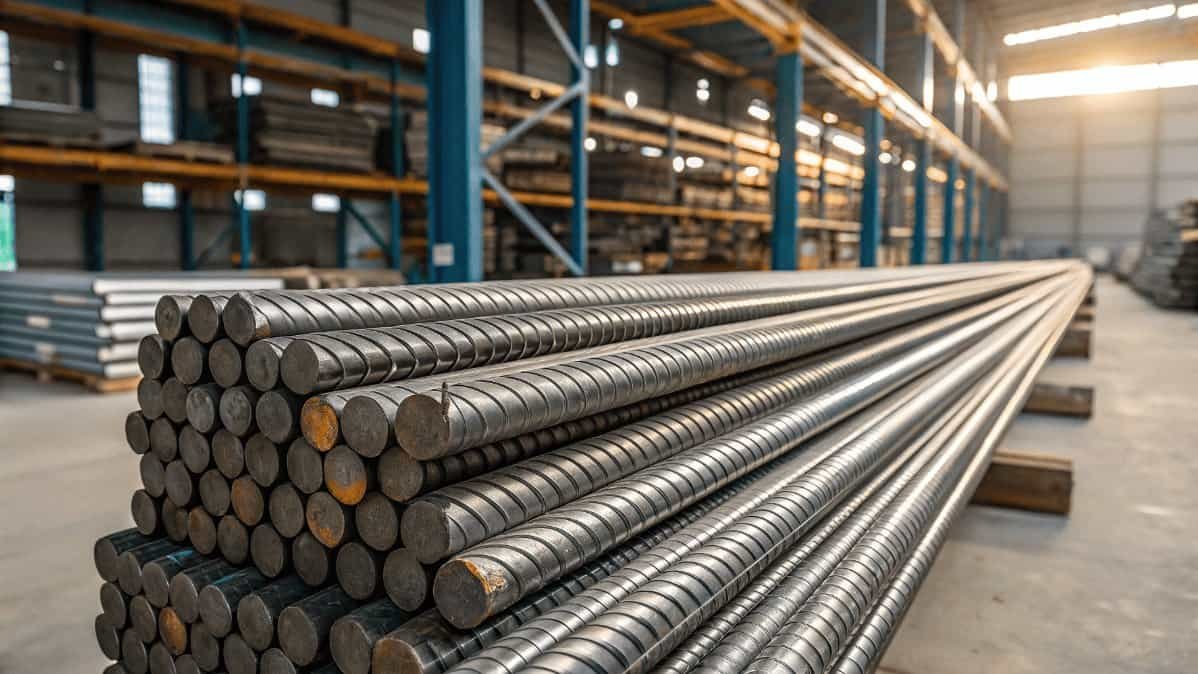
Ang maling haba ng rebar ay lumilikha ng basura, mga pagkaantala, at mas mataas na gastos. Maraming mga proyekto ang nakikipagpunyagi sa labis na pagputol at pag-splice. Ang pagpili ng tamang haba ay nagpapabuti sa kahusayan, kalidad, at kakayahang kumita.
Ang tamang haba ng reinforcement bar ay nakasalalay sa disenyo ng istruktura, mga code ng gusali, mga limitasyon sa transportasyon, at mga kinakailangan sa splice. Habang ang pinakakaraniwang karaniwang haba ng reinforcement bar ay 12 metro, maraming proyekto ang nakikinabang sa mga customized na haba na nagpapababa ng basura, mas mababang gastos sa paggawa, at pagbutihin ang kahusayan sa pag-install. Ang pagpili ng tamang haba ay nagsisiguro ng kaligtasan sa istruktura, pagsunod sa regulasyon, at cost-effective na konstruksyon.
Tuklasin natin kung paano tinutukoy ng mga inhinyero at mamimili ang pinakaangkop na haba ng rebar.
Ano ang Standard Reinforcement Bar Length na Ginagamit sa Buong Mundo?
Dapat malaman ng mga kontratista at mamimili ang mga karaniwang haba na makikita sa mga internasyonal na pamilihan bago bumili ng rebar. Ginagarantiyahan ng standardized production ang pare-parehong availability ng produkto habang pinapa-streamline ang pagpaplano ng proyekto, kontrol ng imbentaryo, at logistik.
Bagama't karaniwang naa-access din ang 6-meter at 9-meter bar, 12 Ang mga metro ay ang pinaka-tinatanggap na ginagamit na standard reinforcing bar length sa buong mundo. Depende sa mga lokal na kaugalian, mga hadlang sa transportasyon, at pangangailangan ng kliyente, maaaring mag-iba ang aktwal na haba.
Gumagawa ang mga pandaigdigang steel mill nagpapatibay ng mga bar alinsunod sa mga kinakailangan ng industriya. Dahil nagbibigay ito ng praktikal na balanse sa pagitan ng kahusayan sa pagmamanupaktura at kaginhawaan ng transit, 12 metro ang karaniwang haba ng reinforcing bar sa maraming bansa. Mga diameter sa pagitan 8 at 32 Ang mm ay karaniwang mga laki ng steel bar at kumbinasyon ng haba. Bukod pa rito, maraming tao ang nagtatanong tungkol sa haba ng 12mm steel bar sa talampakan, o halos 39.37 paa. Kahit na ang industriya ay pinangungunahan ng mga karaniwang sukat, ilang producer na ngayon ang nagbibigay ng mga cut-to-length na serbisyo para mas mahusay na matugunan ang mga kinakailangan ng proyekto.
Bakit Mahalaga ang Reinforcement Bar Length sa mga Construction Project?
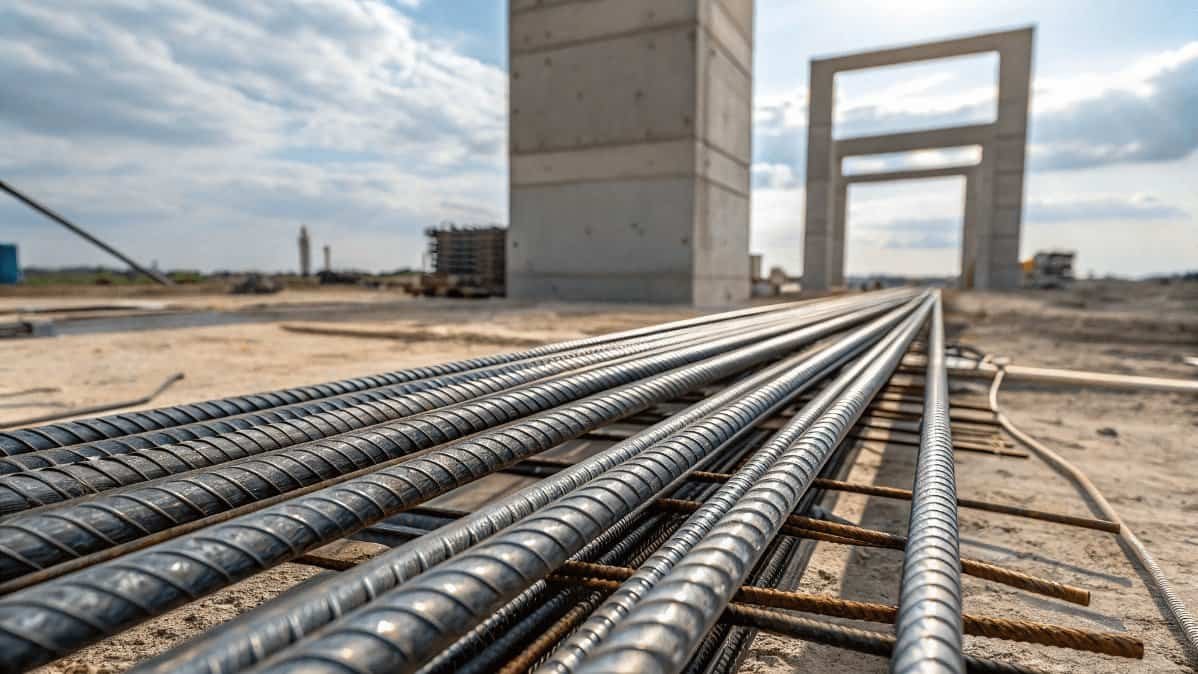
Ang kahalagahan ng pagpili ng haba ay minsan ay napapansin ng mga eksperto sa konstruksiyon na naglalagay ng maraming diin sa diameter at grado ng rebar. Sa kabilang banda, ang tagal ay maaaring magkaroon ng malaking epekto sa kabuuang gastos ng proyekto, paggamit ng materyal, at pagiging produktibo.
Sa buong proseso ng pagtatayo, ang pagpili ng tamang pampatibay na haba ng bar ay umiiwas sa basura, nagpapababa ng mga gastos sa paggawa, pinatataas ang kahusayan sa pag-install, at pinapanatili ang integridad ng istruktura. Ang pagpili ng naaangkop na tagal ay maaari ding gawing mas madali ang paglalaan ng mapagkukunan at pag-iiskedyul ng proyekto.
Dapat putulin ang rebar, nakayuko, at naka-install alinsunod sa mga guhit ng engineering kapag inihatid ito sa isang lugar ng konstruksiyon. Ang labis na pagputol ay nagreresulta sa basura at nagtataas ng mga gastos sa paggawa kung ang mga ibinibigay na bar ay mas mahaba kaysa sa kinakailangan. Kung ang mga bar ay masyadong maikli, higit pang mga lap splices ang kailangan, na nagpapahaba sa oras ng pag-install at nagpapataas ng dami ng bakal na ginamit. Ang mga haba ng rebar ay maingat na ino-optimize para sa malalaking proyekto sa imprastraktura dahil, kapag daan-daang toneladang bakal ang kasama, kahit maliit na pagpapabuti ay maaaring magresulta sa makabuluhang pagtitipid sa gastos.
Paano Tinutukoy ng Mga Structural Engineer ang Haba ng Reinforcement Bar?
Kapag tinutukoy ang mga kinakailangan sa rebar, ang mga inhinyero ng istruktura ay umaasa sa mga tumpak na kalkulasyon sa halip na haka-haka. Ang disenyo ng reinforcement ay naiimpluwensyahan ng mga partikular na sitwasyon ng stress, ambient variable, at mga kinakailangan sa istruktura ng bawat proyekto.
Batay sa mga structural load, laki ng miyembro, mga iskedyul ng reinforcement, mga kinakailangan sa anchorage, at mga kaugnay na tuntunin sa gusali, kinakalkula ng mga inhinyero ang haba ng mga reinforcement bar. Ang pagtiyak sa kahusayan at kaligtasan ng konstruksiyon ang layunin.
Pagsusuri ng mga patay na karga, live load, pwersa ng hangin, aktibidad ng seismic, at iba pang mga kadahilanan sa kapaligiran ay ang unang hakbang sa proseso ng disenyo. Ang diameter, spacing, halaga, hugis, at ang haba ng mga bar ay tinukoy sa mga iskedyul ng reinforcement na ginawa ng mga inhinyero. Ang napiling haba ay dapat isaalang-alang ang kongkretong takip at lap splice na kinakailangan, pati na rin ang laki ng mga sinag, mga hanay, mga slab, at mga pundasyon.
Sa pamamagitan ng pag-optimize ng mga haba ng pagputol at pagliit ng materyal na basura bago pa man magsimula ang konstruksiyon, makabuluhang pinapataas ng modernong BIM software ang katumpakan.
Ano ang Mga Karaniwang Kinakailangan sa Haba ng Reinforcement Bar para sa mga Gusali?
Ang mga haba ng rebar ay nag-iiba sa kabuuan ng isang proyekto dahil ang iba't ibang bahagi ng konstruksiyon ay nangangailangan ng iba't ibang pagsasaayos ng reinforcement. Ang bawat uri ng istraktura—residential, komersyal, at pang-industriya—ay may iba't ibang mga kinakailangan para sa reinforcement.
Depende kung ang mga bar ay inilalagay sa mga retaining wall, mga hanay, Mga beam, mga slab, o mga pundasyon, iba't ibang reinforcing bar length specifications ang karaniwang ginagamit sa mga construction project. Ang kinakailangang haba ay direktang nauugnay sa mga kinakailangan sa pagkarga at mga sukat ng istruktura.
Dahil mas maliit ang mga span at mas magaan ang mga structural load, Ang mga gusali ng tirahan ay madalas na gumagamit ng mas maikling mga seksyon ng pampalakas. Ang mas mahahabang bar ay kadalasang kailangan sa mga komersyal at pang-industriyang gusali upang suportahan ang mas malalaking kargada at mas malawak na espasyo sa sahig. Ang mga inhinyero ay madalas na tumutugma sa mga partikular na diameter na may angkop na haba kapag pumipili ng mga laki ng rebar sa milimetro. Halimbawa, Ang mga slab ay maaaring gumamit ng 10mm bar, ang mga residential beam ay maaaring gumamit ng 12mm bar, at ang mabigat na kargada na mga haligi at pundasyon ay maaaring gumamit ng mas malalaking diameter tulad ng 20mm o 25mm na mga bar. Maiiwasan ng mga mamimili ang mga mamahaling kakulangan o labis na imbentaryo sa pamamagitan ng pagbili ng mga tamang supply kapag alam nila ang mga kinakailangang ito.
Paano Nakakaapekto ang Lap Splicing sa Pagpili ng Haba ng Reinforcement Bar?
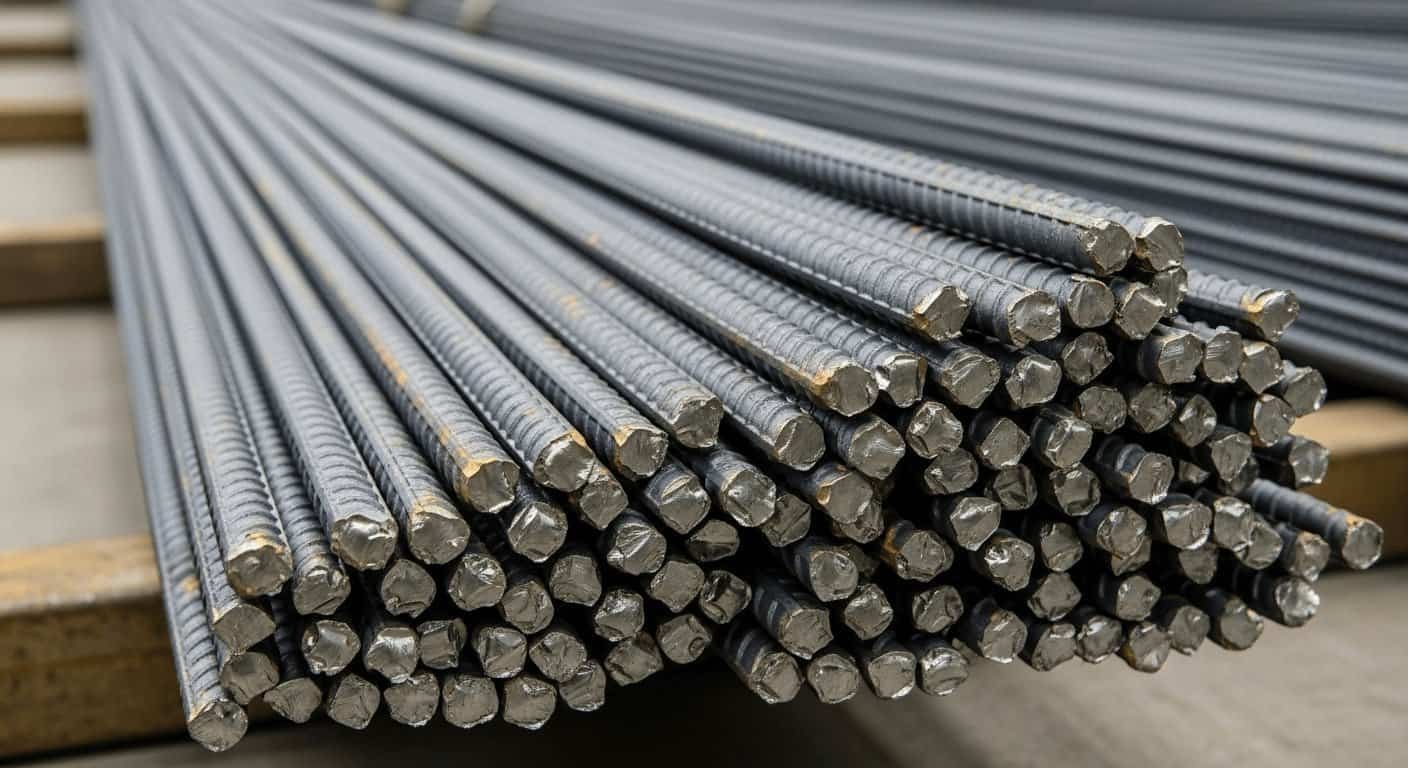
Isa sa mga pinakamahalagang salik na dapat isaalang-alang kapag pumipili ng mga haba ng rebar ay ang lap splicing. Ito ay may direktang epekto sa kahusayan ng pag-install, pagkonsumo ng bakal, at pagganap ng istruktura.
Para sa mga lap splice upang mahusay na maglipat ng mga load, dapat mag-overlap ang dalawang reinforcement bar. Samakatuwid, upang makasunod sa mga teknikal na detalye at pamantayan ng code ng gusali, ang karagdagang haba ng reinforcement bar ay madalas na kinakailangan.
Ang mga lap splice ay madalas na ginagamit sa konstruksyon dahil ang mga reinforcing bar ay hindi palaging magagawa o madala sa isang solong tuloy-tuloy na piraso. Ang diameter ng rebar, ang lakas ng kongkreto, ang mga pangyayari sa paglo-load, at lahat ng lokal na batas ay nakakaapekto sa kinakailangang haba ng splice. Ang mas mahabang mga overlap ay karaniwang kailangan para sa mga bar na may mas malalaking diameter. Maingat na kinakalkula ng mga inhinyero ang mga haba ng overlap upang matiyak ang ligtas na paghahatid ng pagkarga dahil ang hindi magandang pagkakagawa ng mga lap splice ay maaaring mabawasan ang pagganap ng istruktura. Bukod pa rito, dapat malaman ng mga mamimili na maaaring makaapekto sa pananalapi ng proyekto ang makabuluhang splicing at mapataas ang kabuuang pagkonsumo ng bakal.
Mababawasan ba ng Custom Reinforcement Bar Length ang Material Waste?
Maraming mga kontratista ang naghahanap ng mga espesyal na solusyon sa rebar upang mapataas ang produktibidad at mabawasan ang maaksayang paggasta habang ang mga proyekto sa pagtatayo ay lumalaki nang higit na nakakaintindi sa gastos. Sa buong mundo, Ang katumpakan na katha ay lumalaki sa katanyagan.
Pagputol ng basura, gastos sa paggawa, bilis ng pag-install, at ang kabuuang kakayahang kumita ng proyekto ay maaaring lahat ay makabuluhang bawasan sa custom pampatibay na bar haba ng mga serbisyo. Ang mga benepisyong ito ay partikular na kapaki-pakinabang para sa mga malalaking proyekto.
Sa nakaraan, ang mga kontratista ay bibili ng maginoo na 12-metro na bar at pinutol ang mga ito sa lugar ng trabaho. Kahit na ang pamamaraang ito ay malawakang ginagamit, madalas itong gumagawa ng malaking halaga ng scrap material. Binabawasan ng mga custom na serbisyo sa pagputol ang basura at pinapahusay ang kahusayan ng materyal sa pamamagitan ng pagpapagana sa mga tagagawa na gumawa ng mga bar alinsunod sa mga sukat na partikular sa proyekto. Kahit na ang isang maliit na pagbawas ng basura ay maaaring magresulta sa malaking pagtitipid para sa malalaking komersyal na gusali, mga tulay, at mga pang-industriyang lugar. Sa panahon ngayon, maraming mga tagagawa ng bakal na nakatuon sa pag-export ang nagbibigay sa mga customer ng mga produktong handa na sa pag-install sa pamamagitan ng pagbibigay ng precision cutting at mga serbisyo sa fabrication bago ang kargamento.
Ano ang Nililimitahan ng Mga Salik ng Transportasyon sa Reinforcement Bar Length?
Ang mga praktikal na haba ng rebar ay higit na tinutukoy ng transportasyon, lalo na para sa mga mamimili mula sa ibang bansa. Ang mga desisyon sa pagbili ay madalas na naiimpluwensyahan ng mga limitasyon sa logistik tulad ng sa mga detalye ng engineering.
Ang makatotohanang nagpapatibay na haba ng bar na maaaring maihatid sa isang lokasyon ng proyekto ay naiimpluwensyahan ng mga lokal na panuntunan sa transportasyon, mga regulasyon sa sasakyan, kagamitan sa paghawak ng port, at mga sukat ng lalagyan ng pagpapadala.
Sa buong supply chain, ang mga internasyonal na pag-export ng bakal ay dapat sumunod sa mga regulasyon sa transportasyon. Mga bar hanggang sa halos 12 metro ang haba ay karaniwang maaaring magkasya sa loob ng karaniwang mga lalagyan ng pagpapadala. Maaaring kailanganin ng mas mahahabang produkto ang mas malaking kaayusan sa transportasyon, mga espesyal na pahintulot, o breakbulk na pagpapadala, na lahat ay nagpapataas ng gastos sa logistik. Ang mga karaniwang haba ay madalas na ginagamit ng mga exporter na nagsusuplay ng South America, Timog-silangang Asya, at sa Gitnang Silangan dahil sila ay tumutugma sa imprastraktura ng transportasyon. Upang matukoy ang pinaka-cost-effective na solusyon, dapat isaalang-alang ng mga mamimili ang parehong mga pangangailangan sa engineering at mga gastos sa logistik.
Paano Nakakaimpluwensya ang Reinforcement Bar Length sa Mga Gastos ng Proyekto?
Ang pagpili ng haba ay may mas malaking impluwensya kaysa sa halaga ng pagbili ng bakal. Mga gastos sa transportasyon, produktibidad ng manggagawa, pagkonsumo ng materyal, at ang kabuuang kahusayan ng proyekto ay naaapektuhan lahat.
Ang haba ng reinforcing bar na napili ay nakakaapekto sa paggawa ng basura, gastos sa transportasyon, kinakailangan sa paggawa, pagkonsumo ng bakal, at mga gastos sa paggawa. Ang pag-optimize ng haba ay maaaring lubos na mapahusay ang kontrol sa gastos sa buong proyekto.
Ang mas mahahabang bar ay maaaring mangailangan ng mas kaunting lap splices, na makakabawas sa mga gastos sa paggawa at pagkonsumo ng bakal. Mga custom-cut na bar, sa kabilang banda, madalas na bawasan ang paggawa sa site at basura ng materyal ngunit maaaring may dagdag na gastos sa paggawa. Ang haba ng produkto at ang paraan ng pagpapadala ay nakakaapekto rin sa halaga ng transportasyon. Sa halip na tumutok lamang sa presyo kada tonelada, isinasaalang-alang ng mga expert procurement team ang lahat ng aspetong ito. Ang mga na-optimize na haba ay kadalasang nagreresulta sa makabuluhang pangmatagalang pagtitipid at pinahusay na mga resulta ng proyekto, ayon sa isang masusing pagsusuri sa gastos.
Anong Mga Pamantayan ang Namamahala sa Reinforcement Bar Length sa Iba't Ibang Bansa?
Ang mga internasyonal at pambansang pamantayan ay namamahala sa pagmamanupaktura at paggamit ng rebar upang matiyak ang kalidad, kaligtasan, at pagkakapareho. Sa buong mundo, ang mga proyekto sa pagtatayo ay dapat sumunod sa mga kinakailangang ito.
Mga pamantayan tulad ng ASTM, BS, SA, at mga lokal na batas na tumutukoy sa mga katanggap-tanggap na haba at diameter ng steel bar pati na rin ang mekanikal at kemikal na pagganap ng mga pamantayan ay sinusunod ng maraming bansa.
Habang ang mga pamantayan ng BS ay karaniwang ginagamit pa rin sa ilang mga bansa sa Commonwealth, Mga pamantayan ng ASTM ay karaniwang ginagamit sa buong North at South America. Sa Europa at sa mga nakapaligid na lugar nito, Ang mga pamantayan ng EN ay malawakang ginagamit. Mga katangiang mekanikal, komposisyon ng kemikal, mga limitasyon sa sukat, pagsubok ng mga protocol, at ang mga detalye ng pag-label ay nakabalangkas lahat sa mga pamantayang ito. Depende sa likas na katangian ng proyekto, ang mga lokal na code ng gusali ay maaaring magpataw ng mga karagdagang kinakailangan. Bago maglagay ng mga order, dapat palaging kumpirmahin ng mga mamimili ang mga kinakailangan sa pagsunod, lalo na para sa malalaking komersyal na pagpapaunlad at imprastraktura na pinondohan ng pamahalaan.
Paano Mapipili ng Mga Mamimili ang Pinakamahusay na Supplier ng Reinforcement Bar Length?
Kasing kahalagahan ng pagpili ng tamang detalye ng produkto ay ang pagpili ng tamang provider. Pare-parehong kalidad, agarang paghahatid, at ang mahusay na pagpapatupad ng proyekto ay masisiguro lahat ng isang maaasahang supplier.
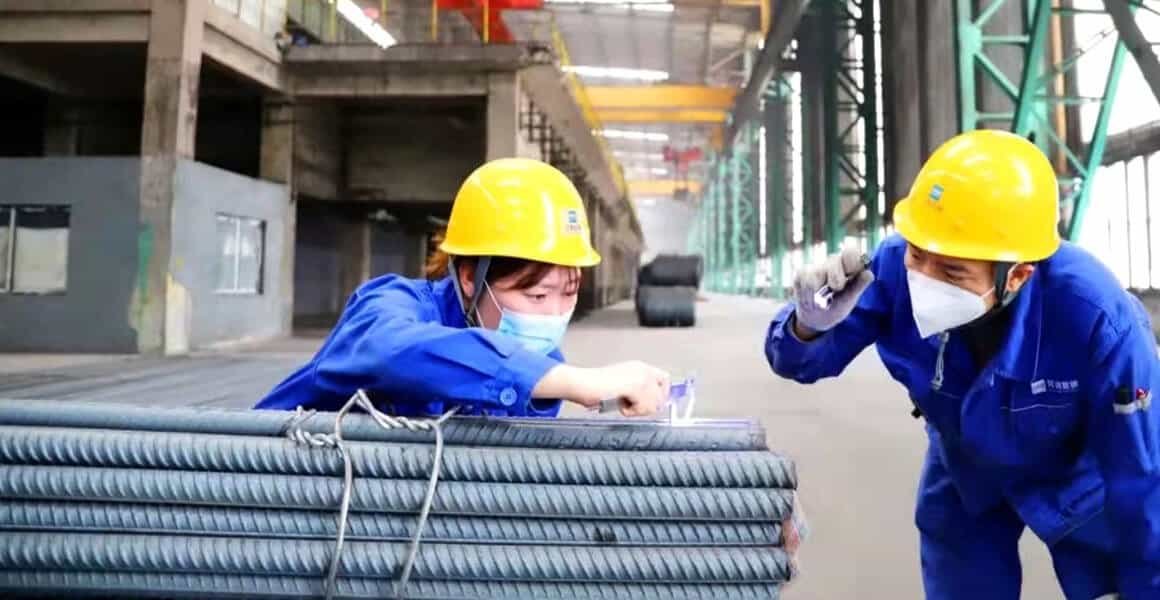
Sa buong proseso ng pagkuha, ang tuktok mga supplier magbigay ng tumpak na reinforcement bar length production, matatag na sistema ng kontrol sa kalidad, mga sertipiko ng gilingan, mapagkakatiwalaang suporta sa logistik, at matulungin na pangangalaga sa customer.
Dapat isaalang-alang ng mga mamimili ang mga kakayahan sa produksyon, mga kasanayan sa pagtitiyak ng kalidad, karanasan sa pag-export, at pagganap ng paghahatid kapag tinatasa ang mga supplier. Dapat suportahan ng isang maaasahang supplier ang mga inspeksyon ng third-party, nag-aalok ng mga sertipiko ng pagsubok ng gilingan, at magkaroon ng track record ng mga napapanahong pagpapadala. Dahil papeles, customs clearance, at koordinasyon ng logistik ay maaaring magkaroon ng malaking epekto sa mga petsa ng proyekto, Ang karanasan sa pag-export ay lalong mahalaga para sa mga dayuhang mamimili. Ang pagiging maaasahan ng supplier ay madalas na nagiging isang mahalagang competitive advantage para sa mga kontratista ng gobyerno, mga namamahagi, mamamakyaw, at mga construction firm.
Buod
Ang pagpili ng naaangkop na haba para sa mga reinforcement bar ay nagpapahusay sa pagganap ng istruktura, pinapaliit ang basura, nababawasan ang mga gastos, at ginagarantiyahan ang epektibong pagpapatupad ng proyekto mula sa pagbili hanggang sa pag-install.