Choosing wrong steel rebar sizes risks structural failure, wasted budget, and delays. Many buyers struggle to match specifications with real project needs.
The right steel rebar sizes depend on load requirements, structural design, and standards like ASTM or metric systems. By using a clear rebar sizes chart, understanding applications, and verifying specifications, buyers can select safe, cost-effective reinforcement that meets engineering and regulatory requirements.
Let’s break down steel rebar sizing to help you make smarter purchasing decisions.
What Are Steel Rebar Sizes and Why Do They Matter?
Steel rebar sizes define the diameter and strength of reinforcement bars used in concrete. For buyers, understanding sizing is critical to avoid underperformance or unnecessary overspending.
Steel rebar sizes refer to standardized diameters and weights that determine strength and application. Using the correct size ensures proper load distribution, structural stability, and compliance with engineering specifications across different construction projects.
When we talk about rebar sizes, we are essentially referring to the diameter of the steel bar, which directly affects its tensile strength. Larger diameters provide greater resistance to stress, making them suitable for heavy-duty structures like bridges and high-rise buildings.
Gayunpaman, in residential building or slabs, where loads are lighter, smaller bars are frequently utilized. Buyers can rapidly determine the suitable specification with the use of a well-prepared steel rebar sizes chart or bar size chart.
Ignoring the right size might result in structural instability, fissures, or unnecessary expenses. In order to match project requirements with appropriate reinforcing materials, professional buyers always rely on a rebar diameter chart.
What Are the Standard Steel Rebar Sizes in the U.S.?
In contrast to metric systems, the United States adheres to ASTM standards for rebar sizing. To prevent confusion, buyers who source overseas need to be fully aware of these distinctions.
Steel rebar sizes in the United States are designated with numerals such as #3, #4, at #5 and are determined by ASTM. A standardized steel bar sizes chart that is frequently used in American construction is formed from these numbers, which correlate to diameter increments.
The bar diameter in eighths of an inch is represented by each number in the ASTM rebar standard size system. #4 rebar, for instance, is equivalent to 4/8 inch (or 1/2 inch).
Sizes #3 through #11 and higher, each with a specified weight and diameter, are included in a conventional steel bar sizes chart. Although this technique makes ordering easier, it necessitates precise conversion when working with foreign suppliers.
Knowing the ASTM method guarantees conformity with technical designs and prevents expensive misunderstandings for purchasers, particularly those importing supplies. Before confirming an order, always ask your supplier for a comprehensive chart of rebar sizes.

How Do Metric Steel Rebar Sizes Differ from ASTM Sizes?
Outside of the United States, metric systems are extensively utilized, particularly in Asia, Europe, and South America. This makes it difficult to compare specs between different locations.
Millimeters, such as 10 mm, 12 mm, or 16 mm, are used to measure the sizes of metric steel rebar. In contrast to ASTM sizes, these immediately depict the diameter, making rebar sizes in millimeters simpler to understand but necessitating conversion for projects involving other countries.
Simplicity is the primary distinction between metric and ASTM systems. Metric rebar sizes are intuitive since they immediately represent the diameter in millimeters. A 12mm bar, for instance, has a diameter of precisely 12 millimeters.
Gayunpaman, switching between systems causes issues. A #4 ASTM bar is roughly 12.7mm, which is not precisely the same as a 12mm metric bar. Structural calculations may be affected by this slight variation.
That’s why experienced buyers always compare both systems using a rebar diameter chart or steel rebar sizes chart to ensure accuracy. When sourcing globally, confirm whether the supplier follows ASTM, BS, or other standards.
What Is a Steel Rebar Size Chart and How to Read It?
One of the most crucial resources for engineers and purchasers is a steel rebar sizes chart. Kung wala ito, choosing the appropriate reinforcement turns into a guessing game.
Bar diameters, weights, and cross-sectional areas are listed in a steel rebar sizes chart. Buyers can compare sizes, comprehend load capacity, and confirm conformance with construction standards by looking at this chart.
Diameter, weight per meter, and cross-sectional area are among of the important factors found in a standard rebar sizes chart. Cost estimation and structural calculations depend on these parameters.
Halimbawa, a bar with a bigger diameter will weigh more per meter, increasing its strength and material cost. Buyers may successfully balance performance and budget with the help of a steel rebar sizes chart.
Understanding how to read a bar size chart helps prevent errors during procurement. Always double-check the chart against project specifications and engineering drawings to ensure alignment.
How to Choose Steel Rebar Sizes for Different Construction Projects?
Different reinforcing techniques are needed for different projects. Selecting the same rebar size for every application may result in structural hazards or inefficiencies.
Take into account the project type, load requirements, and design parameters while selecting the appropriate Steel Rebar sizes. For best results, different sizes are needed for residential buildings, mga tulay, and industrial constructions.
Smaller rebar diameters, such 10 or 12 mm, are frequently enough for residential constructions. Sa kabilang banda, wider diameters are needed for infrastructure projects like bridges in order to accommodate greater loads.
A trustworthy guide of steel rebar sizes aids in matching the appropriate size for every need. Before making a choice, buyers should examine structural plans and speak with professionals.
Inappropriate size selection might either excessively raise expenses or jeopardize safety.That’s why experienced procurement professionals always rely on data-driven tools like a rebar sizes chart when selecting materials.
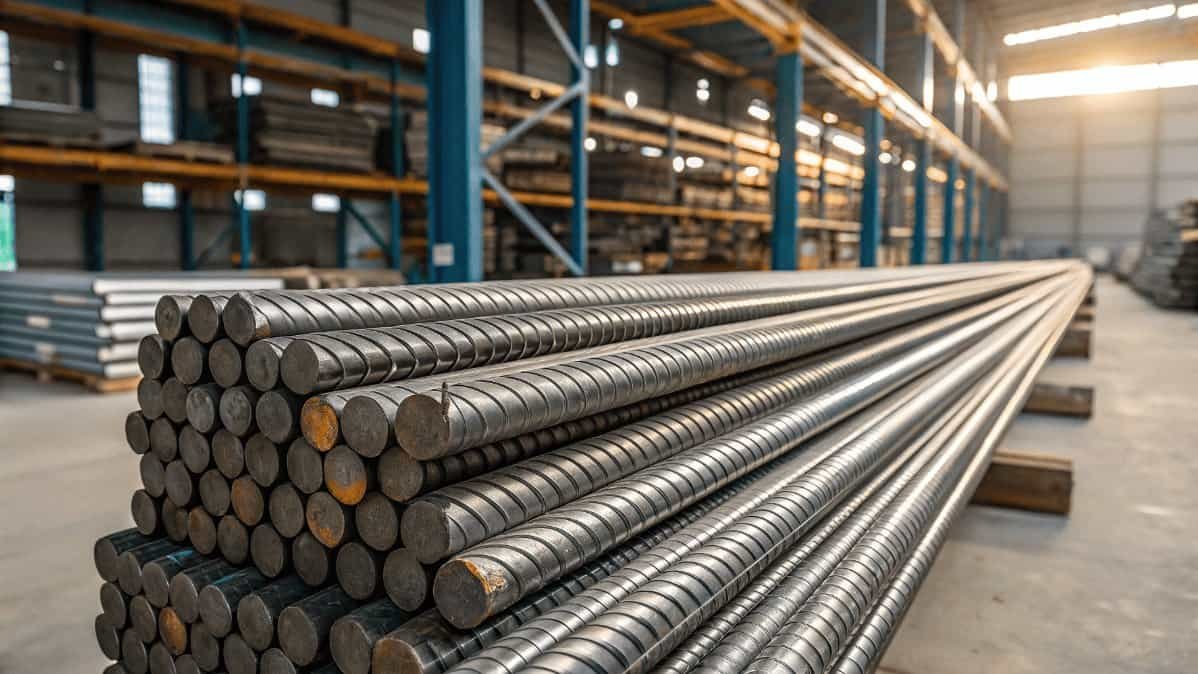
Which Steel Rebar Sizes Are Used for Foundations, Beams, and Columns?
Every structural component in a building has specific load requirements. Different rebar sizing techniques are needed for columns, Mga beam, and foundations.
For stability, foundations usually employ larger steel rebar sizes; depending on the weight, beams and columns use medium to large sizes. A balanced strength throughout the construction is ensured by careful selection.
Larger steel rebar diameters, like 16mm or greater, are frequently needed for foundations in order to support big weights. Depending on span and tension, beams often use medium diameters, such as 12 sa 20 mm.
Larger bars and smaller ties are frequently used for reinforcement in columns that support vertical loads. A comprehensive chart of steel bar sizes aids in identifying the precise combination needed.
Using a proper rebar diameter chart ensures that each structural element performs as intended. Buyers should always verify specifications with engineers before placing orders.
How Do Load Requirements Affect Steel Rebar Size Selection?
One of the most important considerations when selecting rebar sizes is load. Serious structural problems may result from miscalculating load requirements.
Larger steel rebar sizes with higher tensile strength are needed for higher loads. To match reinforcement with anticipated stress levels, engineers utilize calculations and data from rebar sizing charts.
The necessary diameter and spacing of reinforcement bars are determined by load calculations. Greater diameters and closer spacing are required for heavier loads.
Essential information for these computations, like as weight and cross-sectional area, is provided by a rebar diameter chart. Purchasers should confirm that the materials they choose satisfy these specifications.
Ignoring load factors can result in cracks or even structural failure. Always align procurement decisions with engineering calculations and verified rebar standard sizes.
What Are the Most Common Mistakes When Choosing Steel Rebar Sizes?
When choosing rebar sizes, many purchasers make preventable errors, particularly when interacting with foreign suppliers and disparate standards.
Common errors include choosing sizes solely on the basis of pricing, ignoring rebar sizes chart data, and conflating ASTM with metric sizes. These mistakes may result in expensive rework and safety hazards.
Assuming that comparable numbers correspond to the same size across standards is a significant error. Halimbawa, #4 rebar and a 12mm bar are not quite the same.
Ignoring the steel rebar sizes chart while making a purchase is another problem. Customers run the risk of ordering the wrong materials without it.
Making selections based solely on price might also be risky. Saving money by selecting thinner bars could jeopardize structural stability. When examining rebar sizes in millimeters or ASTM requirements, quality and precision should always come first.
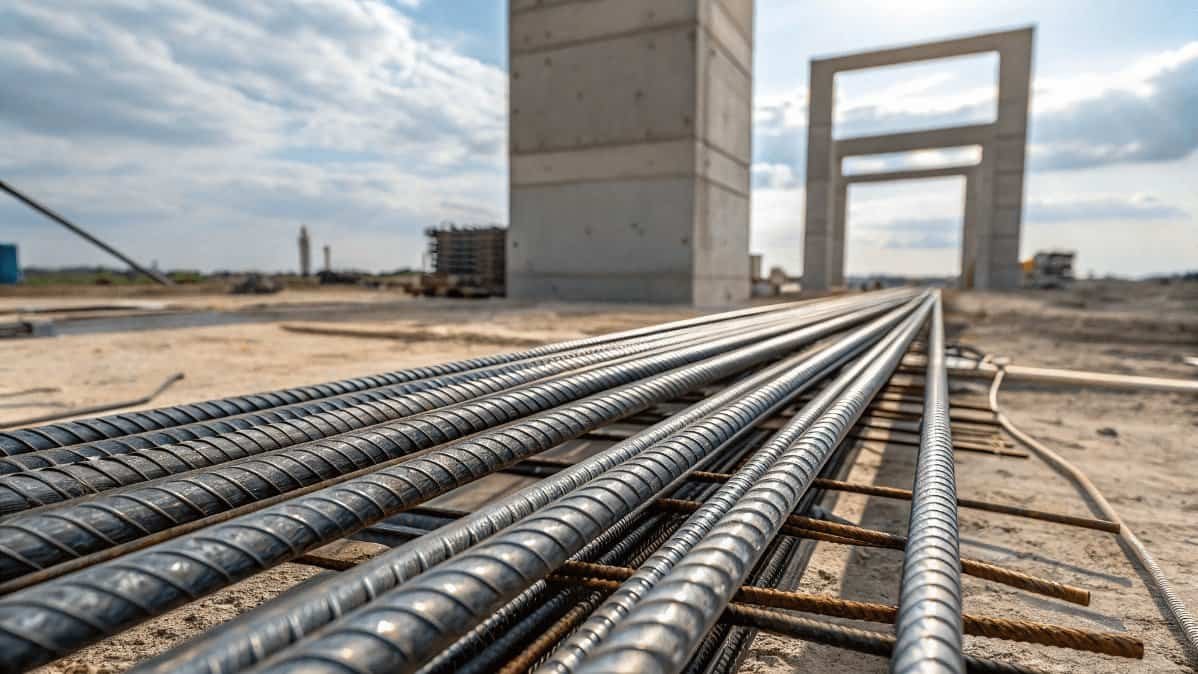
How to Ensure Quality When Sourcing Steel Rebar Sizes from Suppliers?
Selecting the right size and finding high-quality rebar are equally crucial. Even the best design can be compromised by subpar materials.
Customers should check certifications, ask for test results, and use a steel rebar sizes chart to compare requirements in order to ensure quality. Consistent quality and unambiguous documentation are provided by dependable vendors.
Verifying certifications like ISO or ASTM compliance is the first step in quality assurance. These guarantee that the product satisfies industry requirements.
In order to verify correctness, buyers should also request mill test certifications and compare them with a rebar sizes table.
Working with seasoned vendors also lowers the chance of delays and inconsistencies. Before shipping, always use a reliable steel bar sizes chart to confirm product parameters, such as diameter and weight.
What Certifications and Standards Should Steel Rebar Sizes Meet?
Rebar satisfies performance and safety standards thanks to certifications and standards. Project delays and compliance problems may arise from ignoring them.
The sizes of steel rebar should adhere to ASTM, BS, or ISO standards. They guarantee uniform quality across various markets by defining dimensions, tolerances, and performance standards.
Standards vary by region. While Europe frequently adheres to BS or EN standards, the United States employs ASTM. Each specifies the typical sizes and tolerances of permissible rebar.
Buyers must make sure that the steel rebar sizes they choose comply with local laws and project specifications. A comprehensive chart of steel rebar diameters aids in compliance verification.
Rejected shipments or structural problems may result from noncompliance with standards. Prior to making final procurement selections, always verify certification.
Buod
Selecting the appropriate steel rebar sizes guarantees cost effectiveness, safety, and compliance. For precise decisions, always consult engineering specifications, standards, and charts.