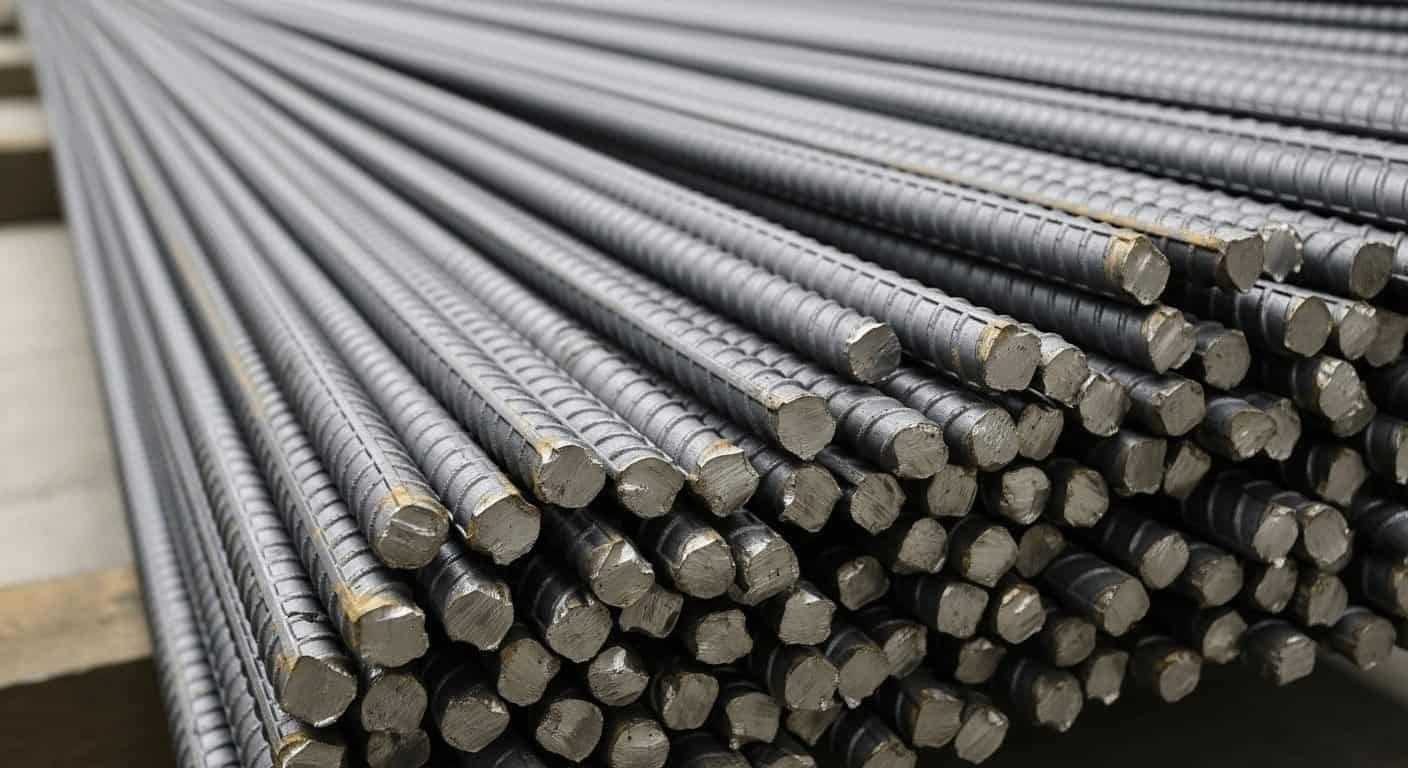
Buying steel rebars without understanding weight often causes hidden cost overruns, logistics failures, and quality disputes—problems that can be avoided with the right calculation approach.
How is reinforced bar weight calculated and why does it matter for construction projects? Reinforced bar weight is calculated based on bar diameter, length, and steel density using standardized formulas or reference charts. Accurate weight calculation ensures cost control, compliant quality, efficient logistics, and structural safety in construction and international steel trade.
To avoid costly mistakes, buyers must also understand related technical and commercial questions about reinforced bar weight.
What Factors Affect Reinforced Bar Weight?
Although many consumers believe reinforced bars of the same length weigh the same, a number of technical factors actually have a direct impact on final weight and performance.
Rebar weight depends mostly on diameter, length, steel grade, production tolerance, and applicable norms. Total tonnage is greatly altered by even slight variations in diameter.
The most essential factor impacting reinforced steel bar weight is diameter. Since steel bars are cylindrical, weight grows exponentially as diameter increases. Halimbawa, a 16 mm bar does not weigh twice as much as an 8 mm bar—it weighs nearly four times more. For this reason, precise diameter verification is crucial.
Another direct factor is length. Once length is established, it is simple to determine the total weight because weight is typically stated as rebar weight per foot or rebar weight kg per meter. Gayunpaman, when nominal lengths deviate from actual delivered lengths, mistakes frequently happen.
Additionally, steel grade and standard are important. Different standards such as ASTM, BS, or GB enable precise chemical compositions and rolling tolerances. Rebar unit weight is strongly impacted by these limits, particularly when placing bulk orders.
Sa wakas, rolling tolerance impacts real shipment weight. Even when diameter matches specifications, allowable variances might produce substantial changes in overall tonnage. For this reason, rather of making assumptions, competent buyers routinely compare mill data with a rebar weight chart.
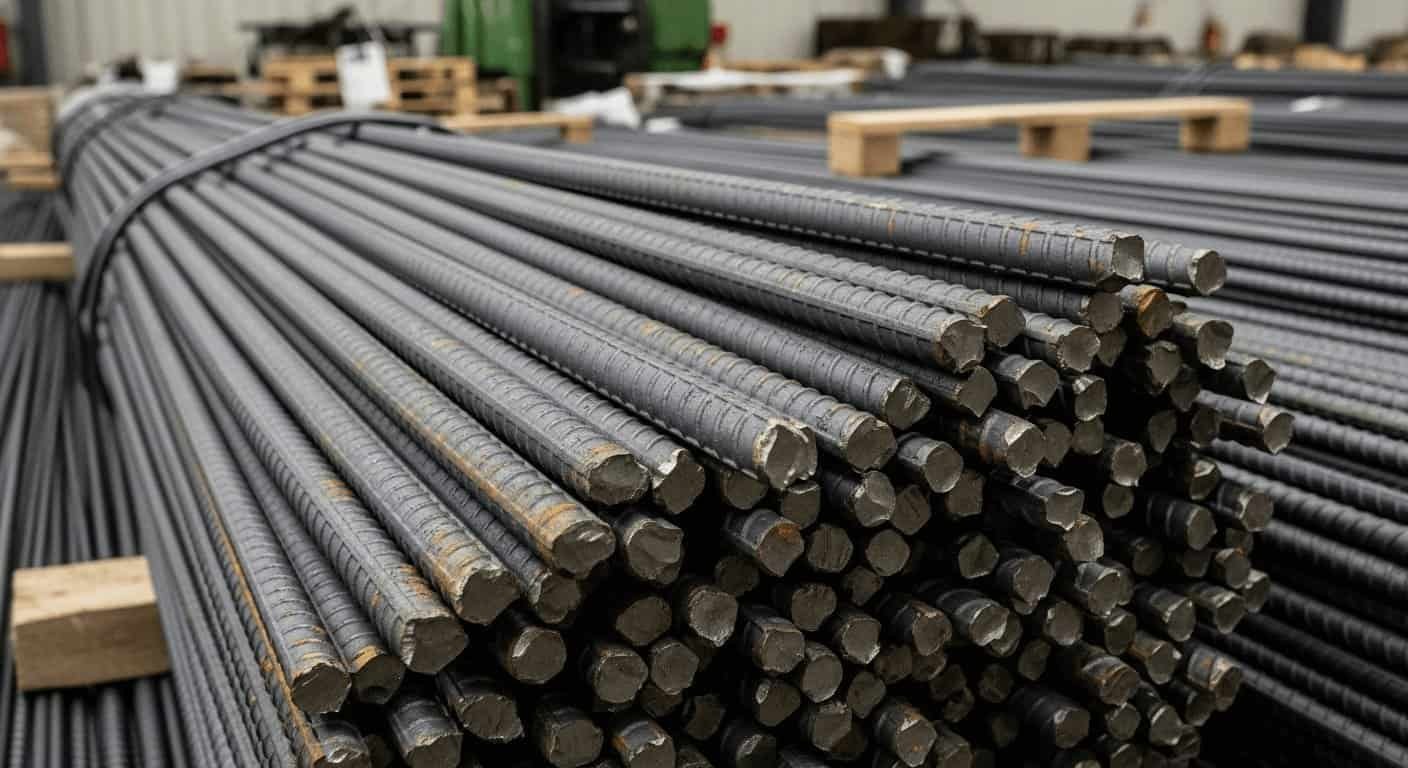
How Do You Calculate Reinforced Bar Weight Accurately?
This formula is derived from steel density and circular cross-section area. For buyers who prefer faster reference, tools like a reinforced steel bar weight calculator simplify the process and reduce human error.
Pricing, logistics planning, and quality assurance for reinforced steel bars in global projects all depend on precise computation.
To calculate weight, multiply the bar’s unit weight by its length. Diameter-based methods or reference charts, such a steel rebar weight chart, are used to calculate unit weight.
The standard formula used worldwide explains how to calculate the weight of reinforced steel bar:Diameter × Length × 0.00617 = Weight (kg)
Instead of using formulas, the majority of engineers and procurement teams use charts. A reinforcing bar weight chart, reinforced bar weight table, or reinforcement bar sizes table specifies unit weights for standard diameters, making bulk computations rapid and dependable.
Halimbawa, you may quickly determine the unit weight rebar values for 10 mm, 12 mm, 16 mm, or 20 mm bars using a rebar size chart. Multiplying this amount by entire length gives you cargo tonnage.
Verified charts are particularly important for cross-border trade since they guarantee alignment between contracts, mill documentation, and logistics planning.
Why Is Reinforced Bar Weight Critical for Cost Control and Logistics?
One of the most frequent reasons for financial loss in international shipping and steel buying is weight errors.
Incorrect rebar weights contribute to pricing problems, container overloads, greater freight costs, and customs challenges, thus affecting project profitability.
Steel is sold by weight, shipped by weight, and taxed by weight. For major projects, even a 2-3% variation in reinforced bar weight can result in thousands of dollars.
From a logistics perspective, container load constraints are severe. Penalties for container overweight, forced unloading, or port delays may result from incorrect calculations of rebar weight per foot or rebar weight kg per meter.
The bidding process has an impact on cost control as well. Construction companies that underestimate reinforced steel bar weight may submit unreasonably low bids, only to suffer losses later. Gayunpaman, precise computations based on a rebar weight chart safeguard credibility and margins.
To prevent disagreements with customers and freight forwarders, professional exporters carefully match computed weights on invoices, packing lists, and mill certificates using a steel rebar weight chart.
What Are the Common Weight Tolerances in International Standards?
Since no steel bar weighs precisely its theoretical value in actual manufacture, an understanding of tolerance is crucial.
Depending on diameter and specification, the majority of standards permit regulated variances in reinforced bar weight, usually within ±4% to ±7%.
Acceptable weight tolerances are defined by international standards including ASTM A615, BS 4449, and GB/T 1499. The average weight across samples must adhere to these limits since they apply to rebar unit weight rather than individual bars.
ASTM, for instance, permits varying tolerance ranges based on bar size. Smaller diameters frequently have tighter limitations, while larger bars allow slightly higher deviations. These subtleties must be understood by buyers who consult a reinforcing bar sizes chart.
False quality complaints are frequently the result of misinterpreting tolerance. A cargo may fully comply with regulations even if its rebar weights differ somewhat from theoretical values stated in a reinforced bar weight table.
In order to foster trust and prevent disagreements, seasoned exporters proactively explain tolerance ranges utilizing confirmed reinforcing bar weight chart references and recorded norms.
How Can Buyers Verify Reinforced Bar Weight Before Shipment?
The best approach to avoid expensive surprises upon arrival is to verify before shipment.
Through mill certificates, third-party inspections, pre-shipment weighing, and comparison with standard charts, buyers can confirm the weight of reinforced bars.
Examining the Mill Test Certificate (MTC), which provides the diameter, heat number, and theoretical unit weight of the rebar, is the first step. The agreed-upon rebar size chart should match this data.
A reinforced steel bar weight calculator or chart can be used by third-party inspection organizations to measure the actual weight of randomly selected bars. This independent verification is especially important for large orders.
Pre-shipment container weighing further confirms entire tonnage. Before products leave the port, purchasers have complete visibility when a comprehensive packing list based on a table of reinforcement bar sizes is used.
This multi-layer verification approach lowers risk and assures consistency between contract conditions and delivered products.
Does Reinforced Bar Weight Differ by Country or Market?
Indeed, because to various standards, measurement systems, and market practices, reinforced bar weight varies throughout nations.
Expectations for reinforced bar weight vary because different markets employ different reinforcing bar sizes, standards, and units.
While imperial markets concentrate on rebar weight per foot, purchasers in metric markets frequently refer to rebar weight kg per meter. This alone can create confusion if not clarified early.
Bukod dito, certain nominal dimensions are defined by national standards. The weight of reinforced steel bars may be impacted by a bar that is labeled “16 mm” under one standard but has slightly different tolerances under another.
Exporters supplying several regions rely on standardized steel rebar weight chart references and clearly identify applicable requirements in contracts. This openness avoids miscommunication and harmonizes expectations across national boundaries.
How Does Reinforced Bar Weight Impact Structural Safety?
Weight is not merely an economic issue—it directly affects structural capability and safety.
inappropriate diameter is sometimes indicated by inappropriate reinforced bar weight, which might jeopardize structural integrity and load-bearing capability.
The accurate cross-sectional area of steel provides the foundation for structural designs. Reduced diameter and strength are typically the results of real rebar unit weight being less than advertised.
Although this disparity might not be apparent to the unaided eye, it could have detrimental long-term effects. To make sure that design loads are met, engineers use data from reinforcing bar sizes charts.
The weight of reinforced steel bars is always correlated with mechanical test results by quality-conscious purchasers, guaranteeing that structural and physical requirements are fulfilled.

What Is the Difference Between Theoretical Weight and Actual Weight?
Buyers can avoid needless disagreements and make well-informed selections by being aware of this distinction.
While actual weight represents actual production within permitted tolerances, theoretical weight is derived from calculations and charts.
Theoretical values provided in a rebar weight chart presuppose flawless geometry. Because to rolling procedures, actual production includes some variances.
According to guidelines, these variations are typical and permissible. Problems only develop when variances surpass tolerance or when purchasers misunderstand the purpose of reinforced bar weight table references.
Alignment is ensured by clear communication between the provider and the buyer, which is backed by charts and standards.
Can Incorrect Reinforced Bar Weight Cause Project Delays?
Oo, weight errors often cause delays in construction schedules, logistics, and customs.
Incorrect rebar weights can delay shipping, customs clearance, and on-site installation, causing missed construction dates.
Underweight cargoes could need to be redesigned or reordered, while overweight containers might be refused at ports. Projects are delayed in both situations.
Timelines are safeguarded and these disruptions are avoided with precise planning that makes use of confirmed charts, Rebar weight bawat paa, and rebar weight kg per meter.
What Documents Should Confirm Reinforced Bar Weight in International Trade?
The last line of defense for compliance and openness is documentation.
MTCs, packing lists, inspection reports, and commercial invoices are important records that verify the weight of reinforced bars.
The weight, dimension, and relevant norms of reinforced steel bars should be consistently mentioned in every document. Accuracy is ensured by cross-referencing these values with a reinforcing bar weight chart.
Professional exporters treat documentation as part of quality assurance, not paperwork, building trust and long-term cooperation.
Buod
Understanding reinforced bar weight protects cost, quality, safety, and schedules—making it a crucial competence for serious construction and steel buyers globally.