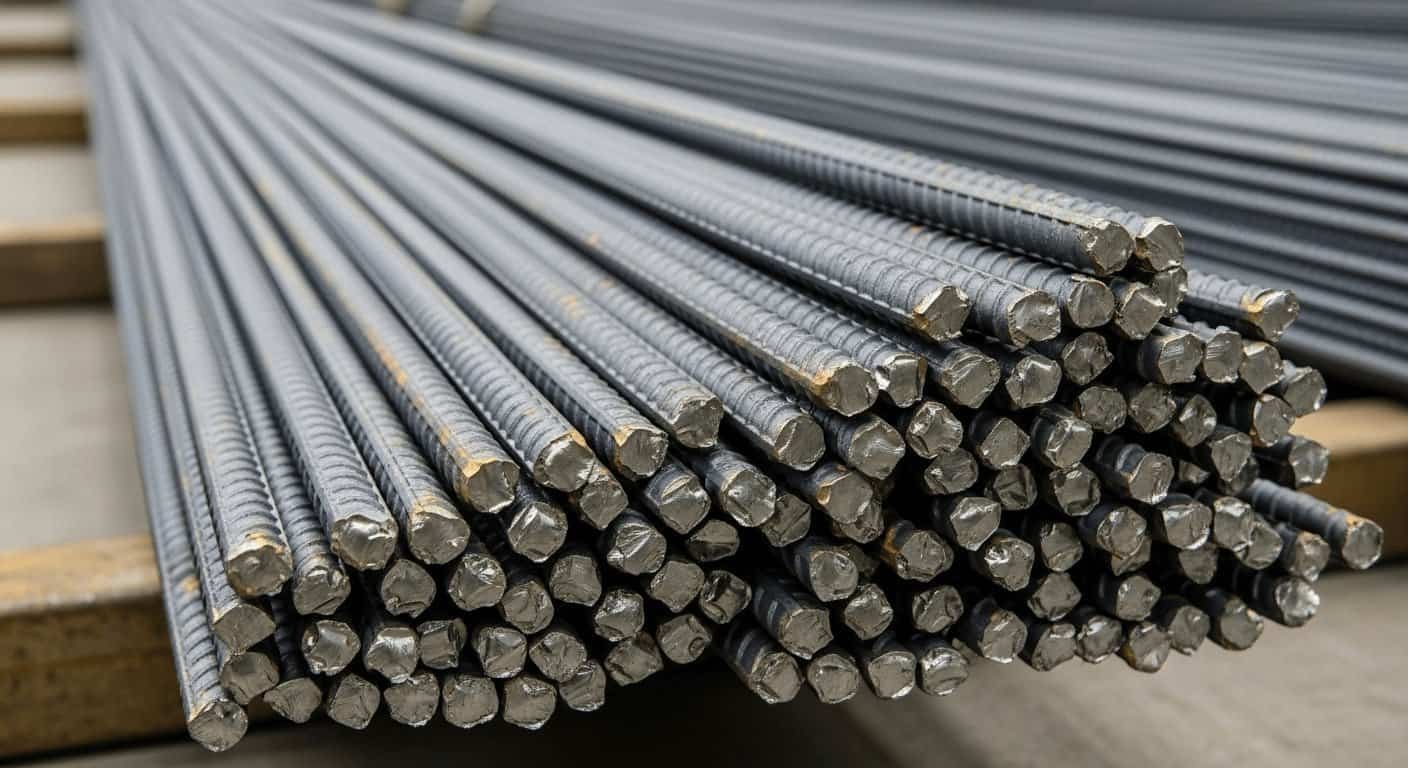
Weak concrete structures, rust damage, and low-quality steel can ruin projects and profits. Choosing the right reinforcement bars helps contractors avoid costly failures and delays.
The most common types of reinforcement bars include mild steel bars, deformed bars, TMT bars, epoxy-coated bars, galvanized bars, and stainless steel reinforcement bars. Each type offers different benefits in strength, paglaban sa kaagnasan, weldability, at tibay, making them suitable for various construction environments such as bridges, buildings, highways, and marine projects.
Understanding each reinforcement bar type helps buyers select durable and cost-effective materials for long-term construction performance.
What Are the Main Types of Reinforcement Bars?
Depending on the strength of the project, the surrounding environment, and financial constraints, construction companies employ a variety of steel reinforcing kinds.
Mild steel bars, deformed bars, TMT bars, epoxy-coated bars, galvanized bars, and stainless steel bars are the primary varieties of steel reinforcement bars. Every kind has distinct mechanical characteristics and uses in reinforced concrete constructions.
Choosing the right rebar kinds is essential for long-term durability and structural safety in contemporary building. Bars made of mild steel are renowned for their ease of bending and flexibility. Because of their ribbed surfaces, deformed bars offer a stronger bond with concrete. TMT bars are well-liked because of their seismic resilience and great tensile strength.
Epoxy-coated and galvanized bars provide better corrosion resistance for projects exposed to moisture or chemicals. Stainless steel reinforcement bars are frequently utilized in infrastructure projects where endurance is crucial, such as bridges, airports, and maritime construction.
Before making large purchases, many consumers carefully compare the sizes and types of reinforcement bars. 6 mm, 8 mm, 10 mm, 12 mm, 16 mm, 20 mm, 25 mm, at 32 mm are typical dimensions. Engineering standards and structural load requirements determine the appropriate steel bar kinds in millimeters.
Why Are Deformed Reinforcement Bars Widely Used?
Large construction projects may have structural weakness as a result of smooth steel bars slipping inside concrete under high pressure.
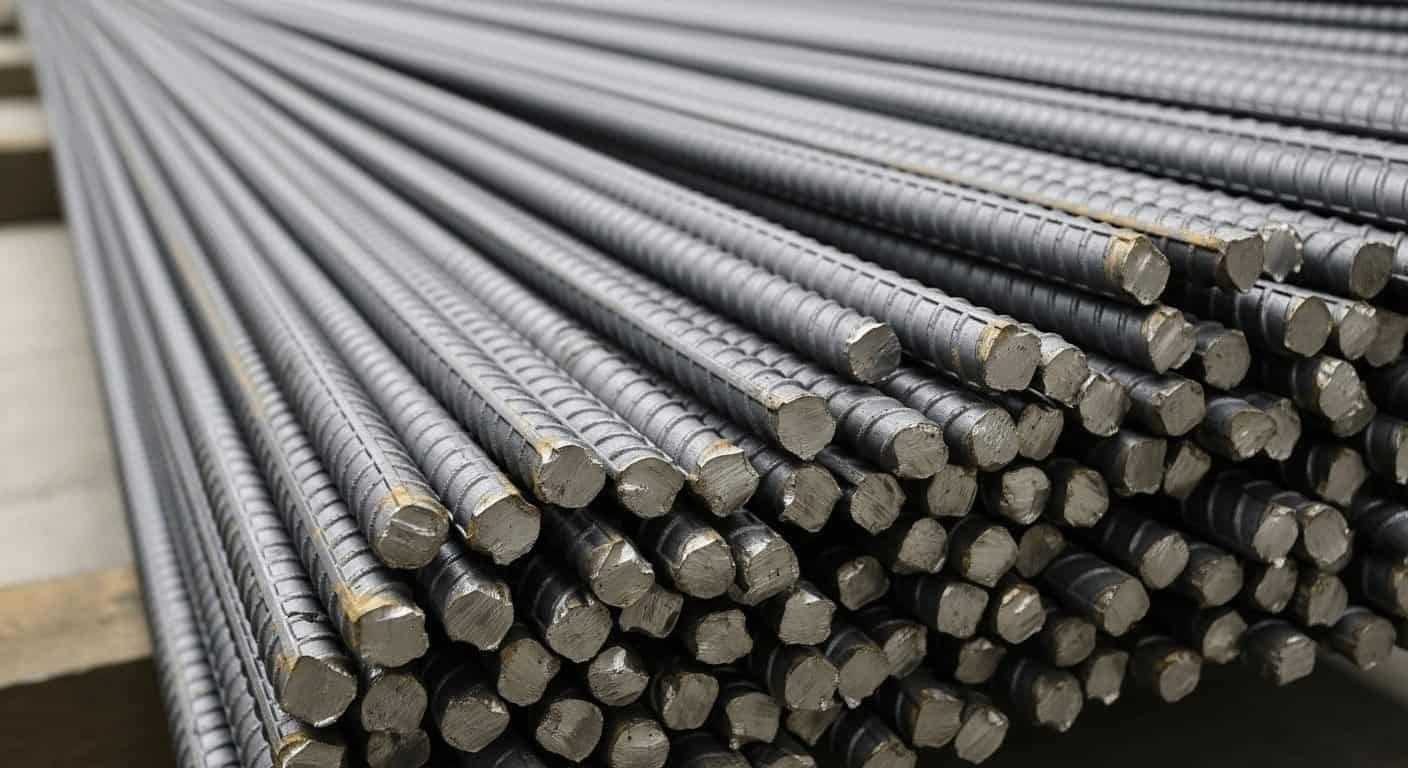
Because their ribbed surface enhances bonding with concrete, deformed bars are frequently utilized. Stronger structural stability, improved load distribution, and increased tensile strength are all provided by these kinds of reinforcement bars in concrete.
For reinforced concrete construction, deformed bars continue to be the industry standard among all types of rebar. Their surface patterns reduce slippage under stress by generating friction and anchoring within concrete. They are therefore perfect for industrial complexes, highways, tunnels, dams, and tall skyscrapers.
Carbon steel is typically used to make deformed bars, which come in a variety of diameters and grades. Before making a purchase, construction businesses frequently ask for comprehensive information about steel reinforcement, such as yield strength, tensile strength, elongation rate, and chemical composition.
Deformed bars are preferred by consumers in overseas areas including South America and the Middle East because they offer good mechanical performance at a reasonable price. Providing certified deformed bars with mill test certifications greatly boosts buyer confidence for exporters and distributors.
How Do Mild Steel Bars Differ from Deformed Bars?
Although many consumers mistake mild steel bars for deformed bars, the two have quite different uses and functions.
While deformed bars have ribbed patterns for stronger concrete bonding, mild steel bars have smooth surfaces and great flexibility. In contemporary reinforced concrete applications, deformed bars provide superior structural strength.
One of the earliest kind of steel reinforcing bars used in construction is mild steel. During manufacture, their flat surface makes cutting, baluktot, and shaping simple. They are appropriate for low-load applications, temporary constructions, and small residential projects due to their ductility.
Nevertheless, the bonding performance of smooth bars is inferior to that of deformed bars. Smooth bars may slip through concrete under high weights or vibrations. Their use in contemporary infrastructure has decreased as a result of this restriction.
Today’s construction sector is dominated by deformed bars because they offer better reinforcing. Based on factors including tensile strength, kakayahang umangkop, paglaban sa kaagnasan, and project environment, engineers frequently compare various types of reinforcing bars.
Knowing what customers want is crucial for exporters. While some contractors put longevity and adherence to international construction standards first, others prioritize cost-effectiveness.
What Are the Advantages of TMT Reinforcement Bars?
For safer and more durable structures, stronger steel materials are required due to earthquakes, large loads, and adverse weather.
High tensile strength, exceptional ductility, earthquake resistance, and enhanced corrosion resistance are all provided by TMT bars. These cutting-edge kinds of pampalakas ng bakal are frequently utilized in contemporary infrastructural, commercial, and residential applications.
Steel bars that have been thermomechanically treated are referred to as TMT. These bars are produced with a flexible inner core and a robust outer layer thanks to cutting-edge heat treatment technology. TMT bars have exceptional strength and ductility due to their special construction.
Because TMT bars absorb shock and lessen structural damage, they are particularly well-liked in earthquake-prone areas. Bukod pa rito, their weldability facilitates fabrication in large-scale construction projects.
Before choosing TMT bars, many construction businesses compare several types and sizes of reinforcement bars. Fe415, Fe500, Fe550, and Fe600 are typical TMT grades. Greater strength is provided by higher grades, although more complex engineering calculations could be needed.
Because TMT bars are more resistant to corrosion, they also function effectively in humid conditions. Consistency in manufacturing and quality certification are crucial considerations for buyers sourcing from China.
When Should Stainless Steel Reinforcement Bars Be Used?
Reinforced concrete structures are particularly vulnerable to corrosion in chemical and marine environments.
Because of their remarkable paglaban sa kaagnasan and long service life, stainless steel reinforcing bars are perfect for chemical plants, ports, mga tulay, and maritime construction.
Stainless steel bars are the most resistant to rust and chemical exposure of all the types of reinforcement bars used in concrete. Over time, they drastically lower maintenance costs despite their greater original cost.
These bars are frequently seen in wastewater treatment facilities, seawalls, tunnels, offshore platforms, and coastal bridges. Ordinary carbon steel bars may corrode rapidly in such conditions because of exposure to chemicals or saltwater.
Bukod pa rito, stainless steel bars offer superior durability and resistance to heat. For long-term public projects, stainless steel reinforcement is preferred by many governments and infrastructure companies.
Selecting trustworthy suppliers is crucial for foreign consumers. In order to confirm the quality of the product, buyers typically ask for inspection reports, third-party certificates, and comprehensive steel reinforcement specifications.
Are Epoxy-Coated Reinforcement Bars Better for Corrosion Resistance?
If reinforcement bars are not adequately protected, water exposure and humidity can reduce the lifespan of concrete structures.
Epoxy-coated reinforcing bars improve corrosion resistance in harsh conditions by shielding the steel surface from moisture and chemicals.
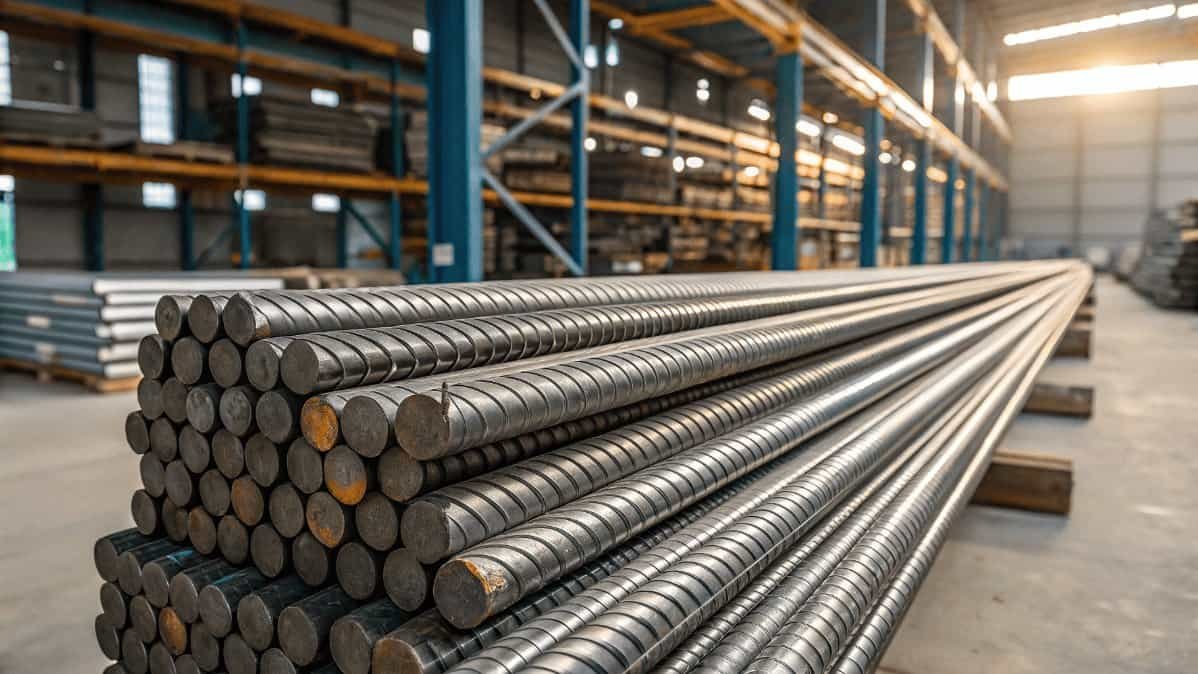
One of the most popular kinds of reinforcing bars used in parking buildings, bridge decks, and roads subjected to moisture and deicing agents is epoxy-coated bars.
By acting as a barrier against oxygen and water, the epoxy coating lessens the likelihood that rust will occur. But during shipment and installation, the coating needs to stay in place. Damage or scratches may lessen the effectiveness of corrosion prevention.
Epoxy-coated bars are less expensive than stainless steel bars. They are therefore appealing for big infrastructure projects with tight financial constraints.
When choosing corrosion-resistant rebar varieties, buyers frequently contrast epoxy-coated bars with galvanized bars. Depending on the circumstances of the project, each alternative has a different cost and durability benefit.
How Do Galvanized Reinforcement Bars Improve Durability?
Steel materials that can withstand moisture, weather variations, and challenging environmental conditions are necessary for long-term infrastructure projects.
Zinc coating is used in galvanized reinforcing bars to increase corrosion resistance and prolong service life. They are frequently utilized in transportation infrastructure, marine projects, and bridges.
Steel is coated with zinc using a hot-dip galvanizing process to create galvanized bars. Even if there are a few scratches on the surface, the zinc layer keeps the steel from corroding.
In general, galvanized bars offer superior impact resistance during construction and transit when compared to epoxy-coated bars. They are frequently utilized in outdoor applications in humid areas.
Galvanized bars are a popular choice among contractors because they combine affordability and durability. In government infrastructure projects where long-term maintenance reduction is crucial, these kinds of steel reinforcing bars are becoming more and more common.
Suppliers must supply coating thickness standards, corrosion test results, and compliance certifications when exporting galvanized goods.
What Factors Affect Reinforcement Bar Selection?
Selecting the incorrect reinforcing bar might result in higher maintenance expenses, worse safety, and a longer project completion time.
Strength, paglaban sa kaagnasan, weldability, project environment, sertipikasyon, gastos, logistics, and supplier dependability are important selection criteria.
Before buying rebar products, buyers consider a variety of technical and business aspects. lakas ng makunat, yield strength, kalagkitan, and concrete bonding performance are typically the main concerns of structural engineers.
The choice of materials is also influenced by environmental factors. Standard deformed bars may be used for dry inland construction, while stainless steel or galvanized bars are frequently needed in coastal areas.
Pricing is still crucial, particularly for distributors and wholesalers catering to cutthroat areas like Southeast Asia, Brazil, and Argentina. Experienced consumers, gayunpaman, are aware that quality should never be sacrificed for cheap pricing.
Complete steel reinforcement information, such as chemical analysis reports, mechanical property testing, and production certifications, is provided by reputable vendors. Because delayed supplies can impact building plans and seasonal demand, logistics capability is particularly important.
How Can Buyers Identify High-Quality Reinforcement Bars?
Inadequate steel bars can lead to costly reconstruction issues, failed inspections, and safety hazards.
International standards, mill test certificates, consistent dimensions, and passing tensile and chemical composition tests are all indicators of high-quality reinforcing bars.
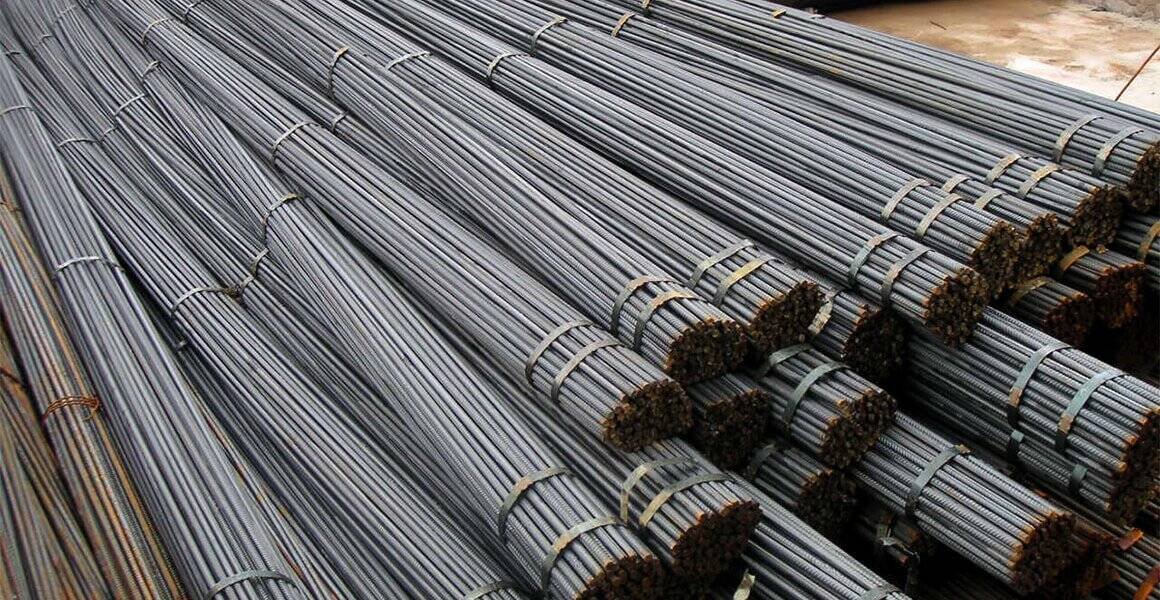
Before buying different kinds of steel reinforcement bars, professional purchasers look at a number of criteria. One of the first indicators is surface quality. Dimensional variations, kaagnasan, uneven ribs, and cracks could all be signs of subpar construction.
Mill test certificates are used for confirming mechanical performance and chemical composition. In order to verify adherence to ASTM, BS, or ISO standards, buyers frequently ask for third-party inspection reports.
Weight and diameter consistency are also crucial. In order to verify conformity with engineering drawings and structural calculations, contractors regularly compare different types of steel bars in millimeters.
Skilled importers also assess the production capability, export expertise, packing quality, and delivery dependability of suppliers. Long-term collaborations are facilitated by effective communication and technical assistance.
Which Types of Reinforcement Bars Are Best for Large Construction Projects?
Reinforcement materials for large infrastructure projects must combine strength, durability, and long-term cost effectiveness.
Large construction projects frequently use TMT bars, deformed bars, galvanized bars, and stainless steel reinforcement bars because they offer robust structural performance and durability.
Different kinds of concrete reinforcing bars are needed for various infrastructure projects. High-strength TMT bars are frequently used in high-rise structures because they increase load-bearing capacity while using less steel.
For increased corrosion resistance, epoxy-coated or galvanized bars are commonly used in bridges and transportation constructions. For optimal longevity, marine structures may need reinforcement bars made of stainless steel.
Based on project longevity, environmental exposure, and financial constraints, contractors and engineering firms thoroughly evaluate various reinforcing bar kinds.
Understanding local market demand is crucial for steel producers and exporters. While Middle Eastern clients frequently place greater emphasis on certifications and corrosion-resistant performance, South American purchasers could place a higher priority on solid logistics and cheap prices.
Global construction businesses and distributors are more likely to form long-term partnerships with dependable steel suppliers who offer good technical assistance, flexible manufacturing, and constant quality.
Buod
Selecting the appropriate reinforcing bar types helps purchasers lower maintenance and long-term operating risks while enhancing construction safety, durability, and project profitability.