
Struggling to choose between carbon steel vs galvanized steel for your next project? Both have distinct advantages, but the wrong choice can lead to costly maintenance or early product failure. Let’s dive into how each material can affect your project’s outcome.
Carbon steel vs galvanized steel—which is better for your project? Galvanized steel offers superior corrosion resistance, making it ideal for outdoor applications, while carbon steel provides strength at a more competitive price. Understanding the differences will help you make an informed decision.
Let’s explore the differences between these two materials in detail to help you make the best choice for your project.
What Is Carbon Steel?
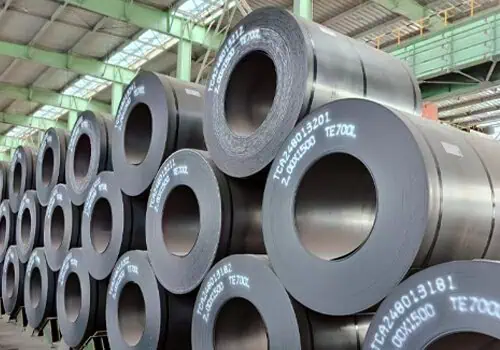
Carbon steel is a popular material in a wide range of applications, including construction and manufacturing. It is made by adding carbon to iron, and the amount of carbon determines whether it is low, medium, or high carbon steel.
Carbon steel is renowned for its high strength and versatility. While it has high tensile strength and machinability, it lacks corrosion resistance, which can limit its use in certain environments.
The most common type of steel is low carbon steel, which contains less than 0.3% carbon. It is simple to weld and form and is reasonably priced. Medium carbon steel, containing 0.3-0.6% carbon, has higher strength but is slightly less malleable. High carbon steel, which contains 0.6-1.0% carbon, is significantly stronger but can be more brittle. Despite its advantages, carbon steel requires additional coatings or treatments, such as painting or galvanization, to prevent rusting in humid or outdoor environments.
What Is Galvanized Steel?
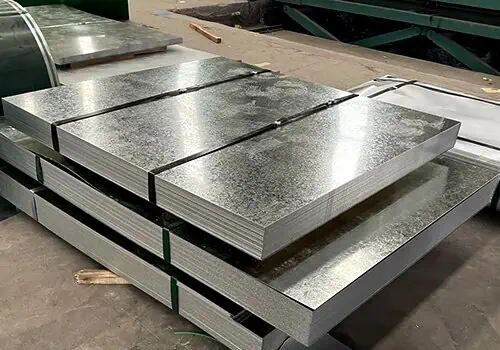
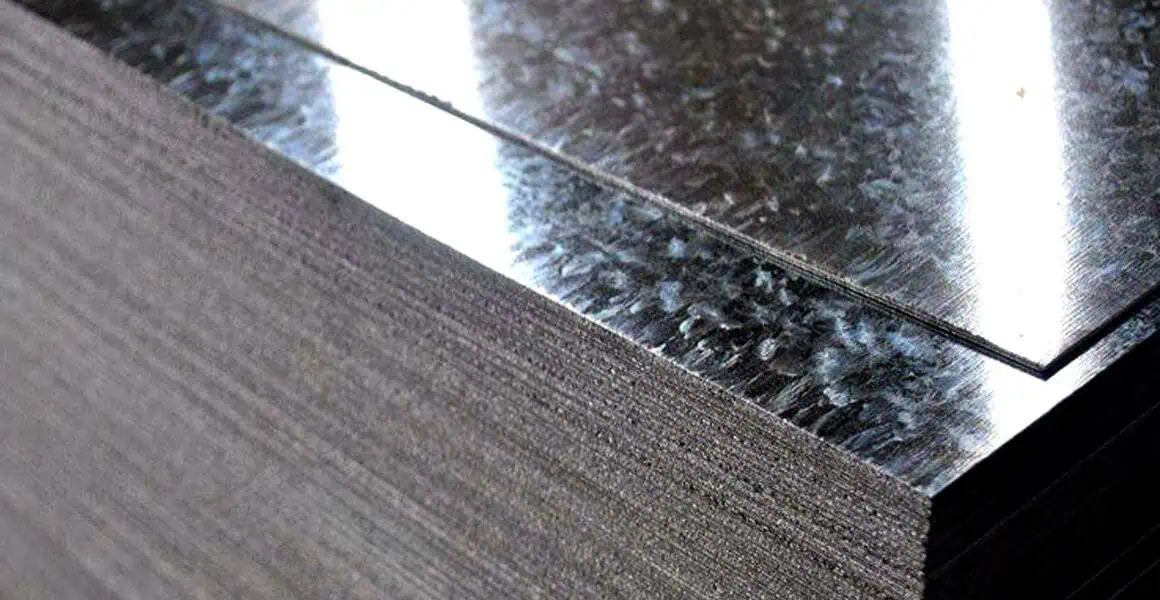
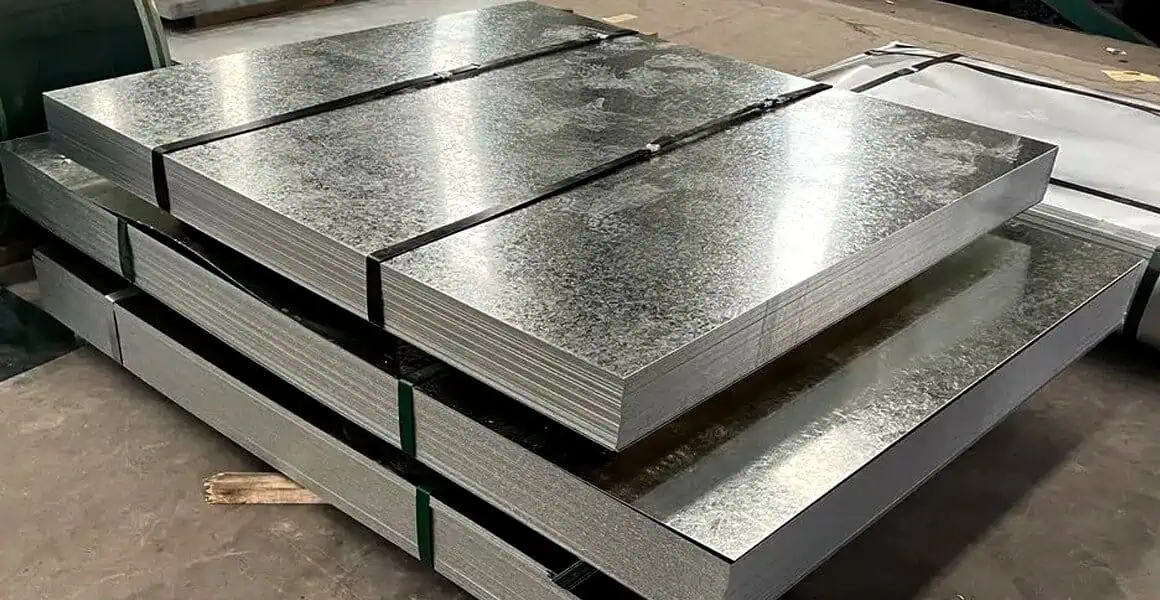
Galvanized steel is carbon steel coated with zinc to prevent corrosion. This additional protective layer greatly extends the material’s life, especially in outdoor and high-moisture environments.
Galvanized steel’s zinc coating outperforms plain carbon steel in terms of corrosion resistance. It adds an extra layer of protection, making galvanized steel the best option for projects exposed to harsh weather conditions.
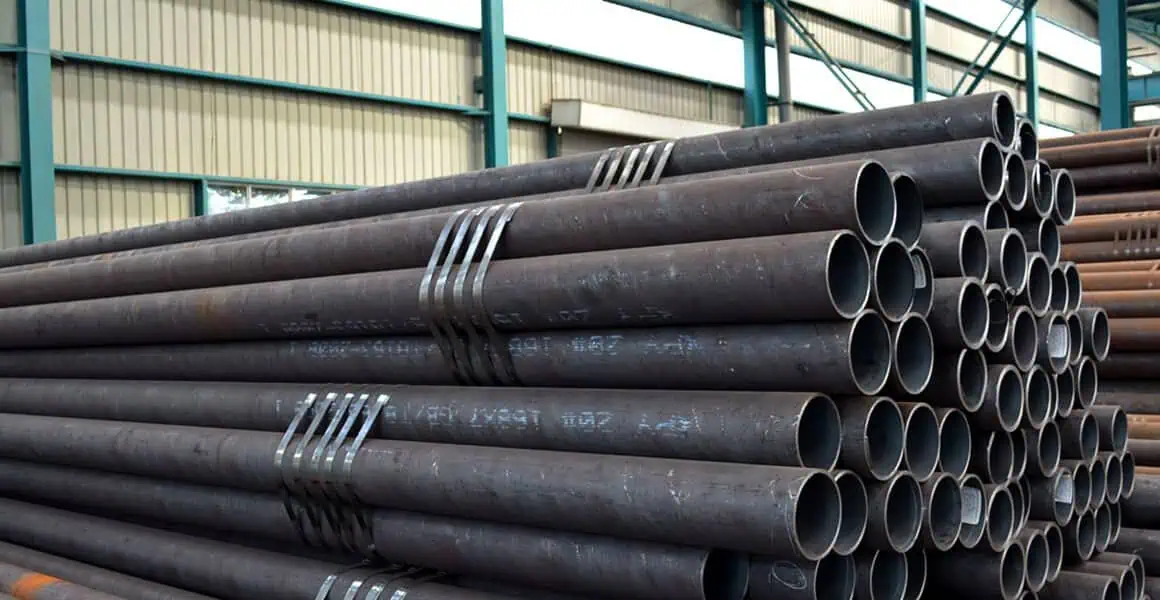
The galvanization process involves immersing carbon steel in a molten zinc bath, which forms a protective layer that prevents rusting and degradation. While galvanized steel has significantly higher corrosion resistance than carbon steel, it can be more expensive due to the galvanization process. However, its longer lifespan frequently justifies the higher initial cost, particularly in projects that will be exposed to the elements, such as outdoor fences, roofs, and pipelines.
What Are the Key Differences Between Carbon Steel and Galvanized Steel?
The primary difference between carbon steel vs galvanized steel is corrosion resistance. While both materials are extremely strong, galvanized steel provides superior rust protection, making it better suited for outdoor use.
Carbon steel is stronger but more prone to rusting, whereas galvanized steel combines the strength of carbon steel with the corrosion resistance of zinc coating. Understanding these distinctions is critical to choosing the best material for your project.
Carbon steel’s strength makes it suitable for structural applications such as beams and frames. However, in high-moisture environments or when exposed to chemicals, carbon steel may corrode over time, posing a safety risk. Galvanized steel, on the other hand, provides an additional layer of protection, making it more durable and reliable for long-term use in harsh environments. If your project includes outdoor elements, the extra cost of galvanized steel may be justified by its improved performance and lower maintenance.
Which Material Is Better for Your Project?
The choice between carbon steel vs galvanized steel is largely determined by the environment and the specific requirements of your project. If you want strength at a lower cost, carbon steel may be a better option, but galvanized steel is more durable for moisture-prone projects.
If your project is indoors or in a dry environment, carbon steel is a strong and low-cost option. Galvanized steel is ideal for outdoor or humid environments because it protects against rust and corrosion.
Carbon steel is widely used in construction, automotive, and industrial machinery applications where strength is essential. Galvanized steel, on the other hand, is often the preferred material for outdoor structures, pipelines, and infrastructure that is exposed to the elements. In high-humidity environments or coastal areas with saltwater exposure, galvanized steel’s corrosion resistance ensures a longer lifespan and less maintenance.
How Do the Prices of Carbon Steel and Galvanized Steel Compare?
When comparing carbon steel vs galvanized steel prices, it’s critical to weigh the initial cost against the long-term benefits of durability and low maintenance.
While carbon steel is typically less expensive, galvanized steel may be more cost-effective in the long run due to its corrosion resistance, which reduces the need for frequent replacements or repairs.
Carbon steel is typically less expensive than galvanized steel because the galvanizing process incurs additional costs. A price comparison of carbon steel vs galvanized steel reveals that galvanized steel is typically 10-20% more expensive at first. However, in outdoor or corrosive environments, the higher cost is frequently justified. Galvanized steel requires fewer repairs, has a longer lifespan, and works better in high-moisture environments. Despite the higher initial purchase price, this results in a more cost-effective long-term investment.
How Does Corrosion Resistance Impact Material Selection?
Corrosion resistance is an important factor in deciding whether to use carbon steel vs galvanized steel. The zinc coating on galvanized steel offers superior resistance to rust and environmental wear.
Galvanized steel is often a better choice for moisture-prone projects due to its increased corrosion resistance. Carbon steel, while more durable, requires additional coatings or treatments to prevent rusting.
The environment is an important consideration when selecting materials for industrial applications. Galvanized steel provides additional rust protection, making it ideal for coastal areas or high-humidity environments. Carbon steel, while strong, is prone to rusting without proper surface treatments, limiting its use in certain applications. By selecting galvanized steel, you ensure a longer-lasting product that will not degrade in harsh environments.
What Are the Welding Properties of Carbon Steel vs Galvanized Steel?
When it comes to welding, carbon steel is typically easier to work with than galvanized steel, which can emit toxic fumes due to the zinc coating.
Carbon steel is easier to weld because of its simple composition, whereas galvanized steel can be more difficult due to the zinc coating. Galvanized steel requires proper ventilation and welding techniques.
Welding carbon steel is usually simple, with few concerns about fumes or contamination. Galvanized steel, on the other hand, necessitates additional precautions because the zinc coating can emit hazardous fumes when heated. Welding galvanized steel frequently necessitates grinding off the coating or using specialized welding equipment. Despite the additional steps, galvanized steel remains a popular choice for many applications due to its superior corrosion resistance, particularly in outdoor or exposed environments.
What Is the Environmental Impact of Carbon Steel and Galvanized Steel?
The environmental impact of carbon steel vs galvanized steel is determined by a variety of factors, including production processes and lifecycle considerations.
Both carbon steel and galvanized steel can be recycled, but the galvanization process uses chemicals that increase the environmental impact. However, the longer life of galvanized steel can mitigate these effects.
While carbon steel is completely recyclable, the galvanization process may require the use of chemicals and additional energy, making galvanized steel slightly less environmentally friendly during production. However, galvanized steel’s corrosion resistance means that it lasts longer, reducing the need for replacements and minimizing waste over time. The overall environmental impact is determined by how the material is used over its lifecycle, with galvanized steel frequently proving to be the more sustainable option in long-term outdoor applications.
Summary
The requirements of your project determine whether you should use carbon steel vs galvanized steel. Consider corrosion resistance, cost, and the environment when making the best decision for durability and performance.