Weak concrete leads to cracks and costly failures. Without proper reinforcement, structures lose strength. So, what is rebar used for, and why does it matter?
What is a rebar used for in construction projects? Rebar is used to reinforce concrete by improving tensile strength, preventing cracks, and increasing durability. It is essential in construction projects such as buildings, bridges, and roads, ensuring structural stability, safety, and long-term performance under heavy loads and environmental stress.
Let’s explore what is rebar, how it works, and why it is essential in modern construction.
Why Is Rebar Important in Concrete Structures?
Although concrete is frequently used in construction, it has a significant drawback: it works well under compression but breaks under strain, which can lead to structural damage and fissures.
By offering tensile resistance, rebar fortifies concrete, enabling structures to withstand pressure, stress, and environmental changes without failing or cracking.
You must view rebar as the foundation of reinforced concrete in order to comprehend it completely. Concrete cannot withstand the tension on its own when it is subjected to forces like bending or stretching. By absorbing tensile pressures, steel rebar makes up for this weakness.
The basis of contemporary infrastructure is reinforced concrete, which is produced by this combination. Rebar makes a guarantee that buildings, such as skyscrapers and highways, stay stable under severe loads. Using premium rebar that satisfies international standards like ASTM or ISO is essential for contractors and purchasers to prevent structural failures and expensive repairs.
Where Is Rebar Commonly Used?
Rebar is essential to practically every kind of construction project, from modest residential structures to enormous global infrastructure projects.
Rebar is used to increase the strength, stability, and longevity of construction in foundations, columns, beams, slabs, bridges, tunnels, and highways.
What is a rebar used for? The answer to the question of what rebar is used for is found in its adaptability. Almost every structural component that needs strength uses rebar. It strengthens load-bearing columns and concrete foundations in buildings. It is crucial for infrastructure, such as roads, bridges, and tunnels, which are subject to environmental exposure and continuous stress.
Different kinds of rebar are needed for different uses. For instance, coated rebar is utilized in corrosive conditions like coastal areas, whereas deformed rebar offers superior bonding with concrete. Understanding these uses aids foreign purchasers in choosing the appropriate materials and preventing expensive errors.
How Does Rebar Improve Structural Strength?
Strong structures must be able to withstand both tension and compression stresses, which calls for materials that can cooperate well in practical settings.
Rebar and concrete combine to create a composite material that increases load capacity, evenly distributes stress, and improves overall structural performance.
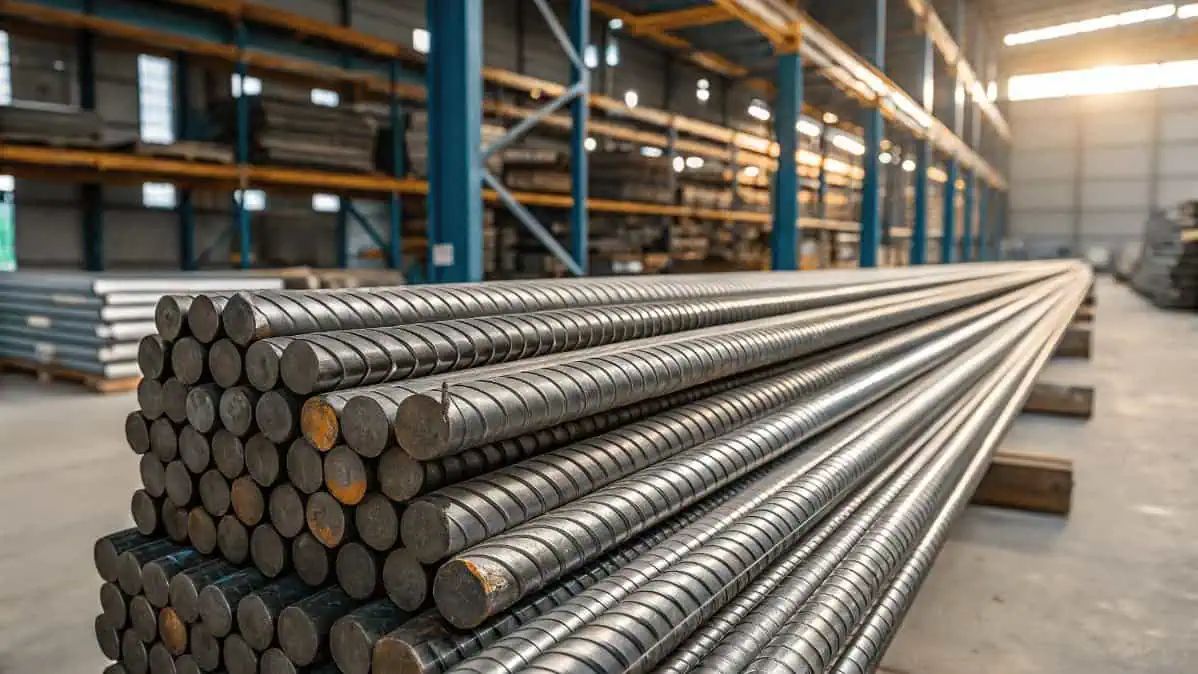
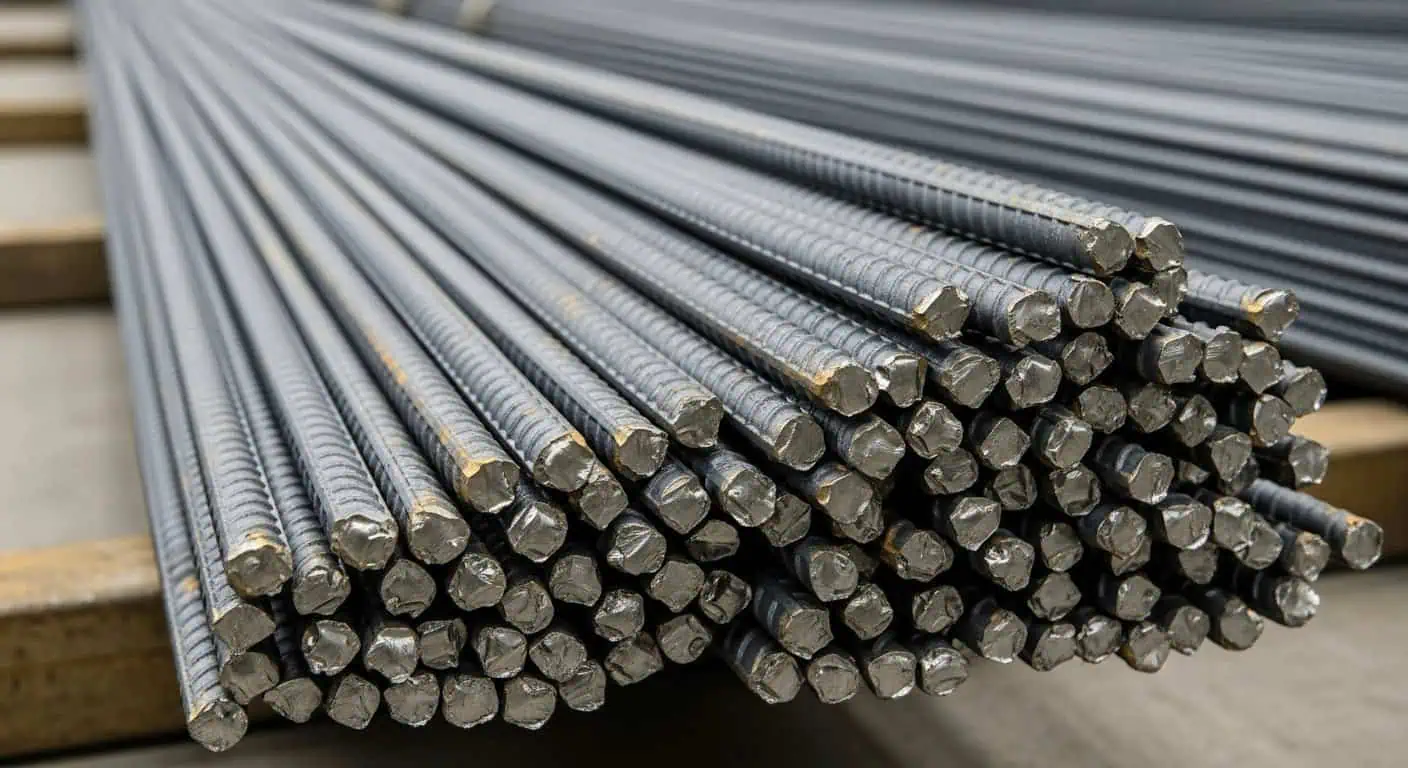
Rebar’s material qualities and physical design contribute to its effectiveness. When the structure is under stress, the ribbed surface of the rebar prevents slippage by forming a strong mechanical link with the concrete. Both materials can function as a single unit thanks to this bond.
This combination is crucial in high-stress settings like industrial facilities or earthquake zones. Rebar placement and spacing are crucial to performance. Incorrect installation can cause even high-quality materials to fail. To optimize strength and longevity, engineers meticulously plan reinforcement patterns.
What Types of Rebar Are Available for Different Applications?
Not all rebar is created equal. Certain varieties of rebar with special qualities are required for various situations and project needs.
Carbon steel, epoxy-coated, galvanized, and stainless steel are common varieties of rebar that are appropriate for various structural and environmental requirements.
Because of its strength and affordability, carbon steel rebar is the most often utilized. However, corrosion can become a serious problem in areas exposed to chemicals or dampness. Epoxy-coated or galvanized rebar offers extra protection in these situations.
Although it is more expensive, stainless steel rebar provides the best level of corrosion resistance. The budget, environmental circumstances, and project requirements all play a role in selecting the appropriate type. Working with seasoned exporters guarantees a variety of options and reliable product quality for buyers from throughout the world.
Is Rebar Used for Anything Other Than Concrete?
Rebar has additional useful applications in construction and allied industries, even though its most well-known use is for reinforcing concrete.
Although its primary purpose is still concrete reinforcing, rebar can also be utilized in fabrication projects, landscaping, anchoring systems, and masonry reinforcement.
In addition to concrete, rebar is occasionally used to provide stability in brick or block walls. Additionally, it is frequently used as stakes or ground support in landscaping. Rebar is occasionally utilized in simple fabrication projects or temporary buildings.
Its characteristics and design, however, are tailored for concrete reinforcement. Careful thought must be given to using it for purposes other than this. Its major function in professional construction is still to ensure structural safety and strengthen concrete.
Is Concrete OK Without Rebar?
In certain situations, concrete can be utilized on its own, but when it is subjected to stress or large loads, its limitations become evident.
Although plain concrete is appropriate for low-load applications, it is vulnerable to structural collapse and cracking under pressure in the absence of rebar.
Plain concrete could be adequate for straightforward applications like small patios or sidewalks. However, rebar is necessary for structural elements like foundations, beams, or columns. Without reinforcing, ground movement, severe loads, and temperature fluctuations can cause concrete to fracture.
For this reason, reinforced concrete is becoming the norm in the business. Selecting reinforced solutions lowers maintenance costs and guarantees long-term durability for contractors and buyers. Rebar skipping can save money at first, but it frequently results in higher costs in the road.
What Is the Difference Between Concrete and Rebar?
Although rebar and concrete are frequently used together, they are essentially different materials with different functions in building.
Tensile strength is provided by rebar, whereas compressive strength is provided by concrete. When combined, they provide superior-performing reinforced concrete.
Concrete is a fragile substance that breaks under stress yet can tolerate high compression. Steel rebar is strong and flexible when under tension. The effectiveness of reinforced concrete is due to this complementary interaction.
It is crucial for engineers and consumers to comprehend this distinction. It describes the necessity of both materials and how they combine to form sturdy, safe constructions. Modern structure as we know it would not be feasible without this combination.
What Size and Grade of Rebar Should You Choose?
Meeting technical requirements and guaranteeing structural safety depend on choosing the appropriate rebar size and grade.
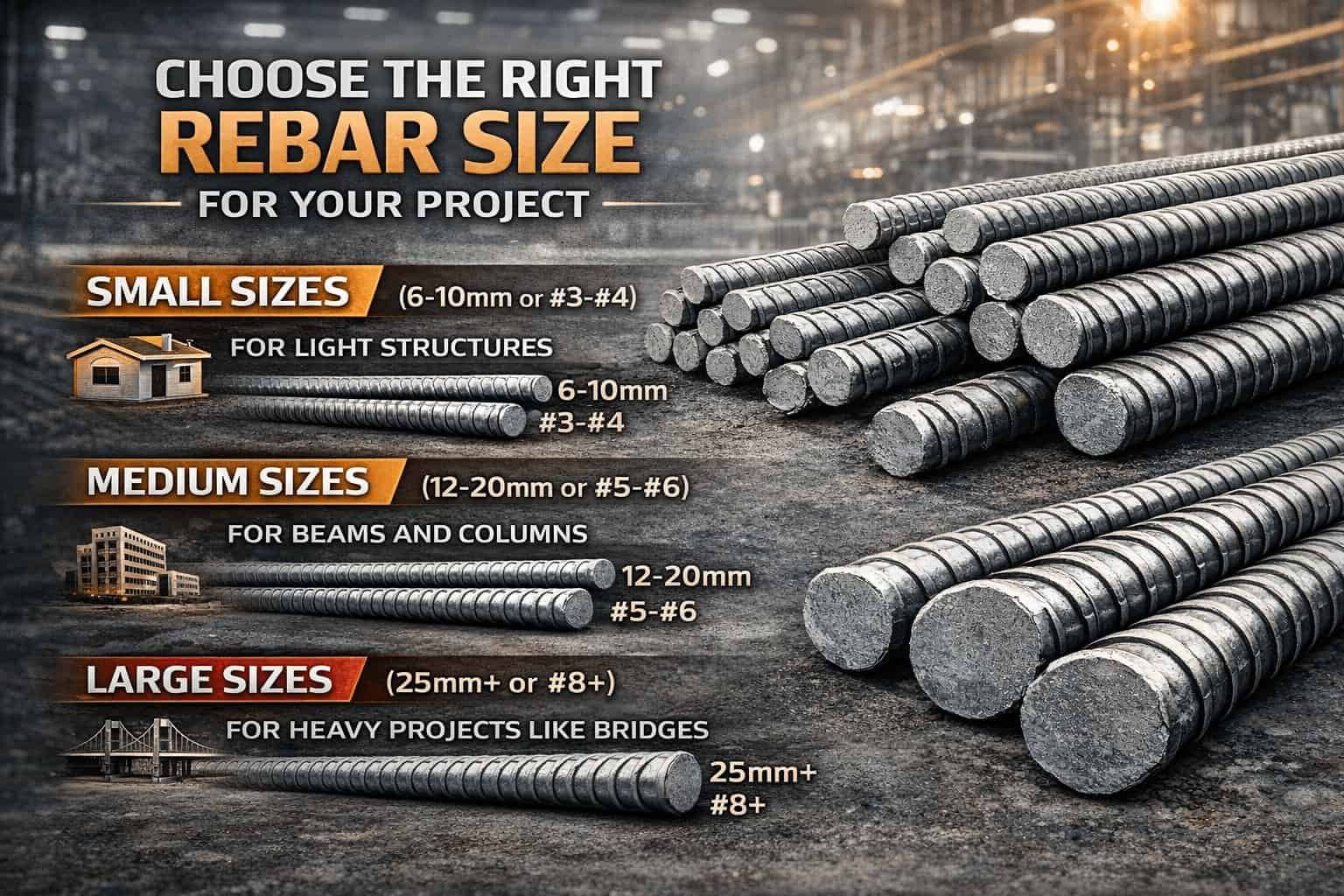
The size and grade of rebar are determined by design standards and load requirements; ASTM A615 and A706 grades are popular choices.
Rebar is available in many strength classes and diameters, each of which is appropriate for a particular use. Although they may result in higher material costs, larger diameters offer greater strength. When making decisions, engineers have to weigh budget and performance.
It is crucial for foreign customers to confirm certifications and specifications. This entails verifying adherence to regional building codes and examining mill test certificates. Project delays, safety hazards, and monetary losses might result from selecting the incorrect size or grade.
How to Ensure Rebar Quality When Importing from China?
Purchasing rebar from abroad can be difficult for international purchasers, particularly in terms of dependability and quality assurance.
Clear technical specifications, third-party inspections, certification checks, and supplier verification are necessary to guarantee the quality of rebar.
Collaborating with seasoned exporters is essential when importing rebar. Reputable vendors offer comprehensive documentation, such as third-party inspection reports from companies like SGS or BV and mill test certificates.
Another important consideration is logistics. Shipment delays might cause missed opportunities and interfere with project schedules. These risks can be decreased by selecting a provider with reliable delivery schedules and a robust production capability. Successful sourcing requires open communication and enduring collaborations.
What Are the Common Problems When Using Rebar in Construction?
Rebar misuse can result in major structural problems, higher expenses, and project delays.
Corrosion, improper placement, inadequate coverage, and the use of subpar materials are common issues.
One of the most prevalent problems is corrosion, particularly in humid or coastal areas. This issue can be avoided by using coated or stainless steel rebar. Even with high-quality materials, improper placement or spacing can undermine the construction.
Using inferior rebar that does not adhere to the necessary specifications is another significant risk. Safety risks and structural breakdown may result from this. Strict quality control and adherence to technical standards are crucial for both buyers and contractors to guarantee project success.
Summary
Rebar provides safety, increases durability, and reinforces concrete. For effective construction and long-term performance, selecting the appropriate kind and supplier is essential.