Many construction failures start with misunderstanding steel reinforcement. Poor material choices risk safety, delays, and cost overruns. Understanding reinforcing bars solves these structural and sourcing problems early.
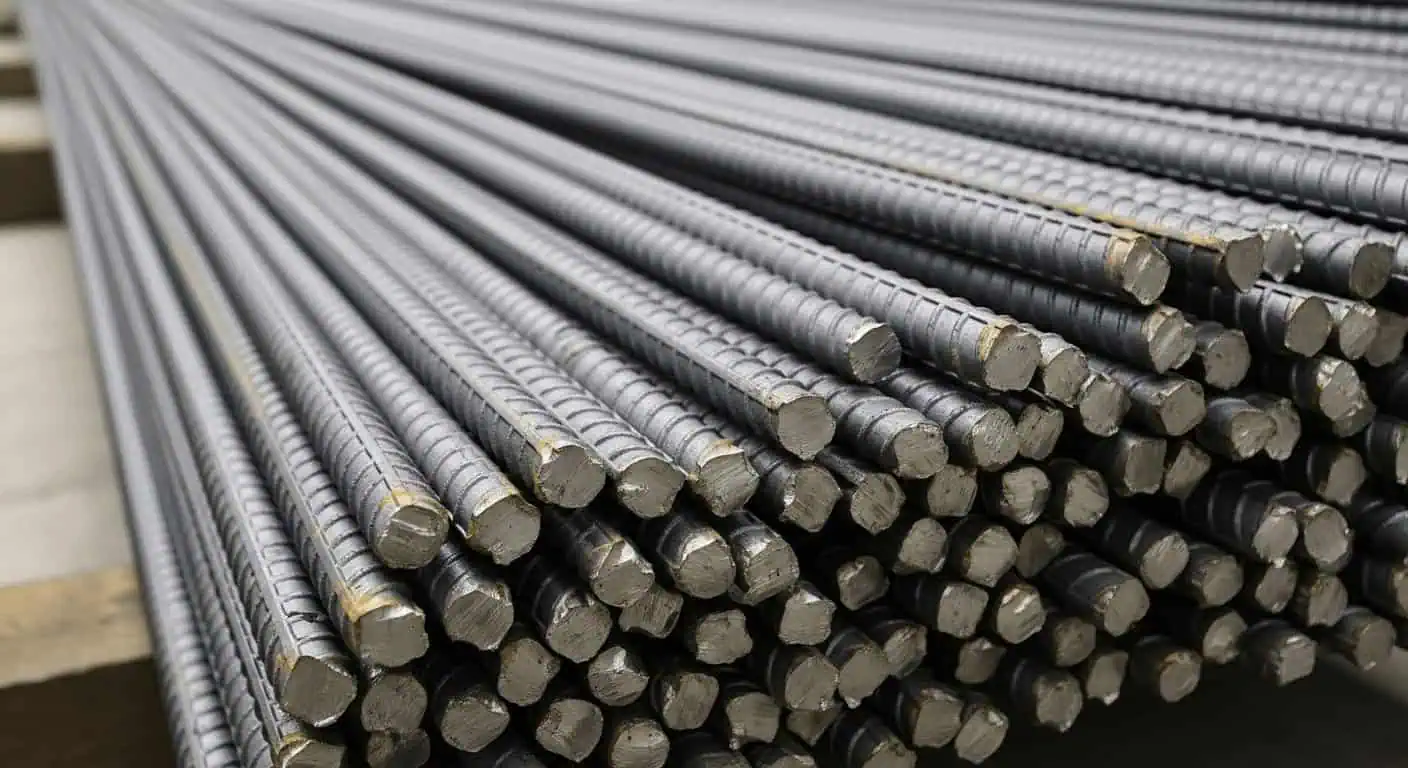
What is reinforcing bar? A reinforcing bar, also known as rebar, is a steel bar embedded in concrete to improve tensile strength, durability, and structural stability. Reinforcing bars allow concrete structures to withstand tension, control cracking, and safely support heavy loads in modern construction projects.
Before choosing materials or suppliers, it is important to clearly understand terminology, functions, and performance requirements.
What Is Another Name for a Reinforcement Bar?
Depending on the region, norms, and professional experience, the same product is frequently referred to by several names in international steel and construction trade. Engineers and buyers become confused as a result.
Reinforcement bars are commonly referred to as “rebars,” “reinforcing bars,” “reinforcing steel,” “reinforcing steel bars,” or “bar reinforcement.” These phrases typically refer to the same steel product that is used to reinforce concrete constructions.
Terminology variations can lead to misconceptions in international marketplaces, particularly when sourcing from developing nations. While “reinforcing bar” is commonly used in technical publications and standards, “rebar” is the most widely used term in the United States. When highlighting performance within concrete, engineers may also make reference to reinforced steel rebar.
Buyers can avoid ordering errors, accurately compare supplier quotes, and correctly comprehend specifications by being aware of these naming discrepancies. Using a variety of industry-accepted phrases preserves technical clarity while enhancing communication and Google search presence for importers and exporters.
What Is the Difference Between Rebar and Reinforcement Bar?
Many consumers want to know if reinforcement bar and rebar are distinct goods or just different names for the same material used in building projects.
Rebar and reinforcing bar are identical in terms of functionality. The full technical word used in engineering and standards documentation is “reinforcement bar,” although “rebar” is a shorter industry term.
Technically speaking, both phrases refer to steel bars intended for concrete reinforcement. The goal of strengthening concrete under tension is the same regardless of whether a document uses the term “rebar,” “what is a rebar,” or “definition of rebar.”
But when it comes to procurement, clarity is important. Formal terms like “reinforcing bar construction” or “reinforcing steel bar” are typically preferred in contracts, inspection reports, and certifications. Confusion during the steps of quality inspection, customs clearance, and project approval can be avoided by being aware that these terms are equivalent.
How Does Reinforcing Bar Work with Concrete to Improve Structural Strength?
When compressed, concrete is incredibly powerful, but when tensioned, it becomes weak. Because of this inherent constraint, steel reinforcement is crucial in structural design.
While concrete manages compressive pressures, reinforcing bars absorb tensile forces. When combined, they create reinforced concrete, a strong composite structure that can withstand large loads without cracking.
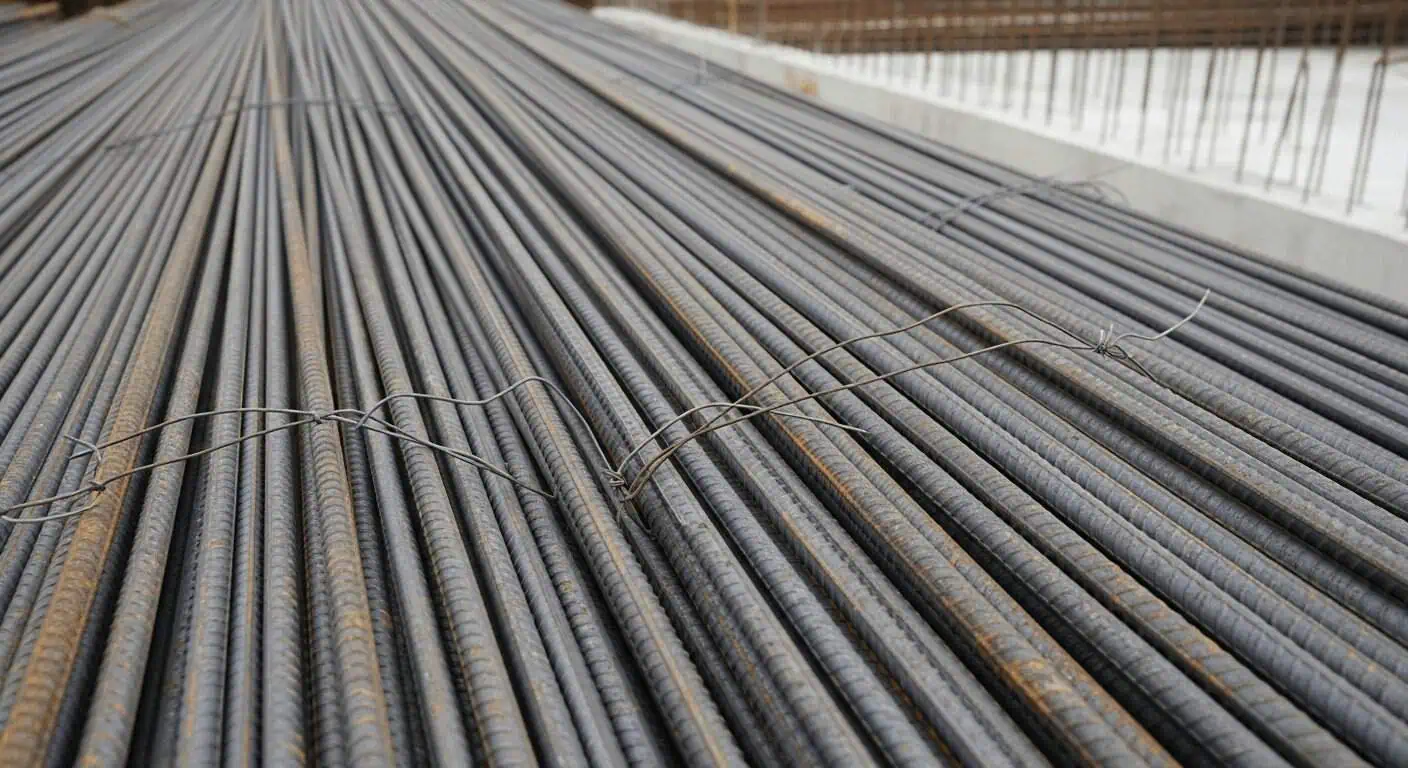
Tension arises in some areas when loads are applied to beams, slabs, or columns. In order to withstand pulling forces, rebar steel is deliberately positioned in certain regions. Rebars’ ribbed surface ensures load transfer between materials and strengthens bonding with concrete.
This synergy explains what rebar is in construction and what rebar is for. Concrete structures would fracture, distort, or fail too soon without reinforcement. Concrete and reinforced steel rebar work together to provide long-term stability and safety for buildings, bridges, roads, and industrial facilities.
What Mechanical Properties Make Reinforcing Bar Suitable for Structural Use?
The mechanical characteristics of reinforcing bars, which are meticulously designed to withstand harsh construction circumstances, are crucial to their efficacy.
Reinforcing bars are perfect for structural reinforcement because of their key characteristics, which include high tensile strength, controlled ductility, superior weldability, and predictable yield behavior.
While ductility permits the steel to flex without abrupt failure, high tensile strength allows reinforcing steel to withstand large pulling forces. When there are significant dynamic stresses or earthquakes, this combination is essential.
The sizes of reinforcing bars can be adjusted to intricate designs due to their weldability and bendability. Furthermore, constant performance between batches is ensured by a consistent chemical makeup. These characteristics clarify what reinforced steel is and why it continues to be the foundation of contemporary structural engineering across the globe.
What Are the Common Types of Reinforcing Bar Used in Construction?
Not all reinforcing bars are the same. To ensure durability and safety, different forms of reinforcement are needed in different construction conditions.
Common varieties, each intended for a particular use, include carbon steel rebar, deformed bars, galvanized rebar, epoxy-coated rebar, and stainless steel reinforcement.
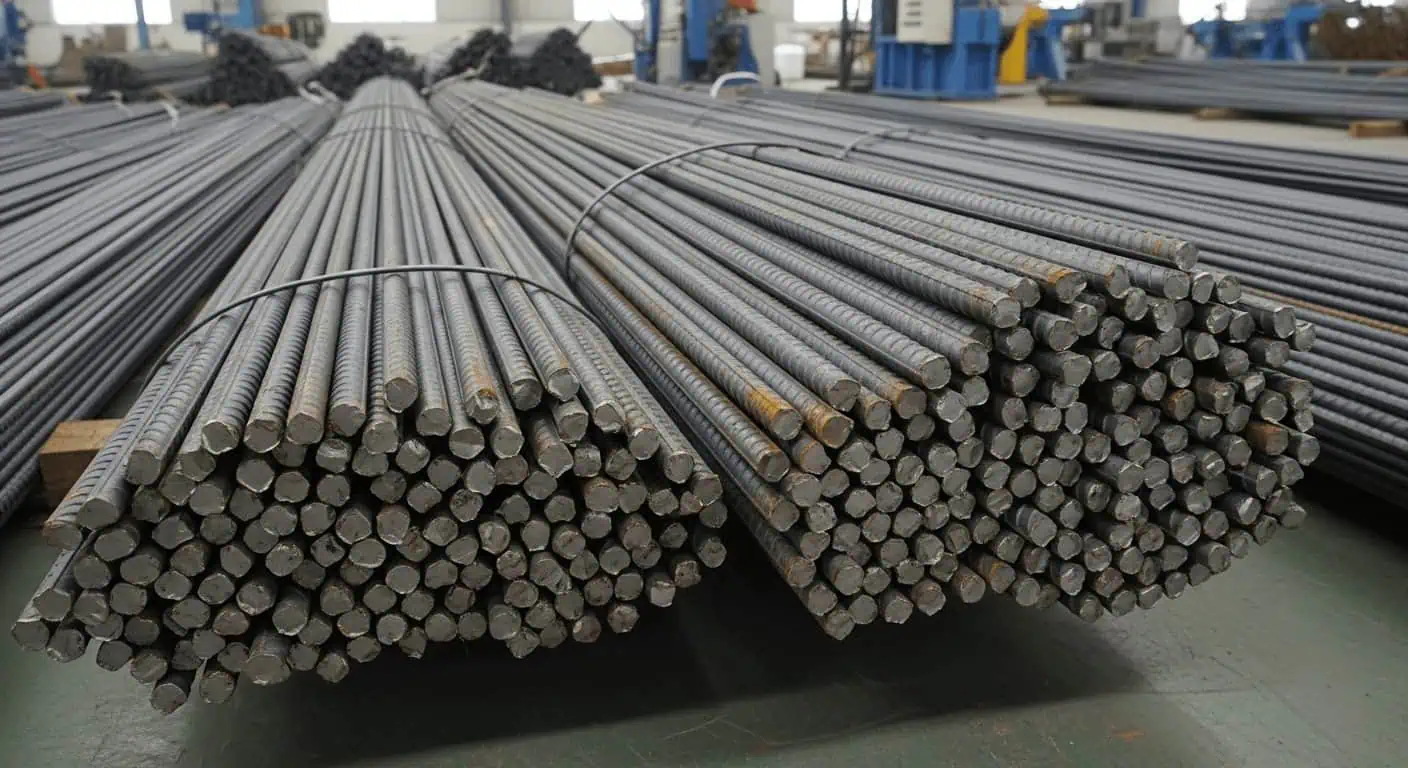
Because carbon steel rebar is strong and reasonably priced, it is utilized extensively. Concrete bonding is enhanced by deformed bars. In corrosive situations, galvanized or epoxy-coated reinforcing bars provide increased service life.
Buyers can choose appropriate goods for coastal projects, industrial facilities, or infrastructure exposed to moisture and chemicals by being aware of the types and sizes of reinforcement bars. Correct selection minimizes maintenance costs and improves project longevity.
How Do You Choose the Right Reinforcing Bar for Different Construction Applications?
Selecting the appropriate reinforcing bar requires striking a balance between project budget, environmental exposure, and mechanical performance.
Bar diameter, corrosion resistance requirements, design standards, ambient conditions, and load requirements all influence selection.
High-strength steel reinforcing bars with exact reinforcing bar diameters are crucial for high-rise structures. Durability and corrosion protection may be given top priority in infrastructure projects.
Additionally, engineers take into account compatibility with concrete strength, cover thickness, and spacing. Appropriate selection ensures both cost-effectiveness and safety by addressing not only what constitutes a reinforcing bar but also how it functions in practical applications.
What Standards and Certifications Should Reinforcing Bar Meet for Export Projects?
International construction projects require stringent conformity with established standards to assure safety, consistency, and legal acceptance.
Supported by mill test certificates and inspection reports, reinforcing bars should adhere to standards like ASTM, BS, ISO, or comparable national specifications.
Tensile strength, elongation, chemical composition, and dimensional tolerances are all defined by standards. Buyers are reassured by compliance that reinforcing steel satisfies engineering specifications.
Appropriate certification boosts buyer confidence and streamlines customs clearance for exporters. It lowers the danger of inferior materials and project rejection for importers.
What Quality Risks Should Buyers Watch for When Sourcing Reinforcing Bar from Overseas?
Although sourcing overseas can be more affordable, if suppliers are not thoroughly assessed, there are dangers related to quality and delivery.
Inconsistent chemical composition, inaccurate bar diameters, inadequate strength, and improper recordkeeping are common hazards.
Some suppliers may offer attractive reinforcing bar price but sacrifice on quality. Structural issues might result from things like inaccurate rib patterns, weight variations, or unconfirmed reinforcement steel bar weight table data.
Buyers should prioritize pre-shipment inspection, third-party testing, and explicit requirements. Understanding these hazards protects project timeframes and structural integrity.
How Do Proper Logistics and Inspection Ensure Reinforcing Bar Project Success?
Inadequate management of logistics and inspection procedures might cause even high-quality reinforcing bars to fall short of project requirements.
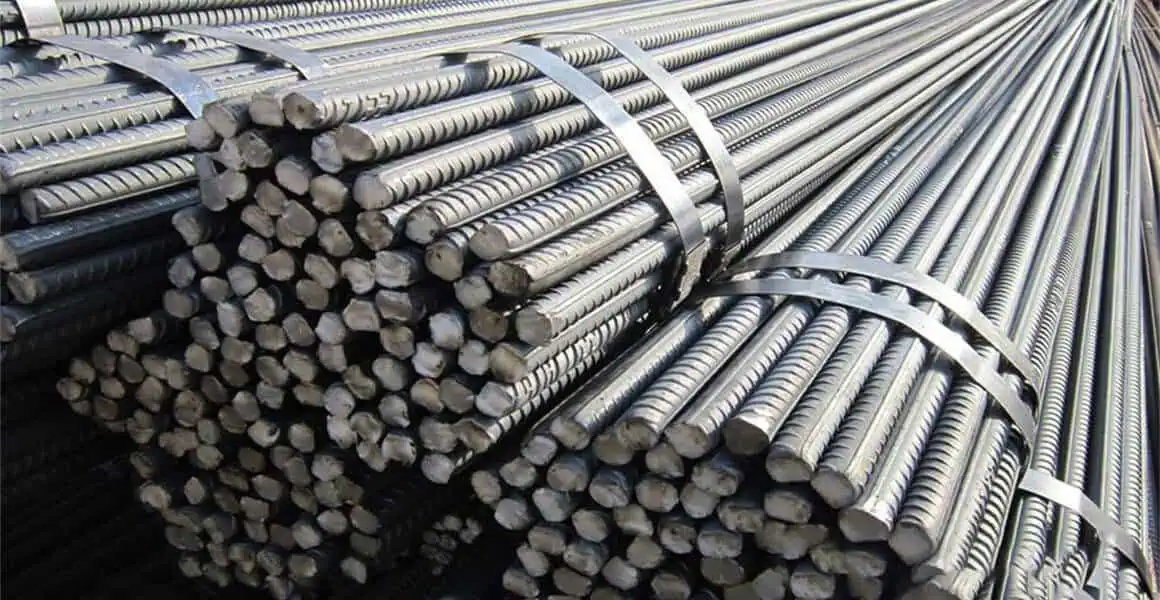
Reinforcing bars are delivered on time, properly packaged, accurately documented, and thoroughly inspected to guarantee they arrive undamaged and ready for use.
Rust, deformation, and shipment delays are avoided with effective logistics planning. Inspection confirms adherence to standards, dimensions, and specifications.
Consistent supply is ensured for major projects through production, inspection, and shipment coordination. With this method, building reinforcing bars becomes a predictable, regulated procedure rather than a risk issue.
How Does Reinforcing Bar Pricing Vary by Grade, Size, and Market Conditions?
Rather than being determined by a single fixed cost, reinforcing bar pricing is impacted by worldwide market dynamics and technical criteria.
Prices vary according to steel quality, diameter, coating type, order volume, and raw material market variations.
Costs are increased by larger diameters, stronger grades, and corrosion-resistant coatings. The price of reinforcing bars is also influenced by market variables, including the cost of iron ore and local demand.
Understanding pricing structure helps customers evaluate offers accurately and avoid choosing low-cost items that compromise safety or longevity.
Summary
For a building to be secure and long-lasting, reinforcing bars are necessary. Better material choices and long-term project success are ensured by an understanding of definitions, types, standards, and sourcing hazards.