Every industrial buyer faces the same dilemma: finding a durable, cost-efficient metal that lasts. When corrosion, strength, and beauty matter, stainless steel material becomes the ultimate solution.
What makes stainless steel material the best choice for modern industries? Stainless steel material combines corrosion resistance, high strength, and recyclability. Its chromium layer forms a protective barrier against rust while maintaining aesthetic appeal and durability. This unique balance makes stainless steel vital in construction, automotive, food processing, and countless modern industries.
Let’s explore what stainless steel truly is, its types, properties, and how to choose the right grade for your needs.
What Is Stainless Steel Material Made Of?
To understand why stainless steel works so well, it’s important to understand its material composition and how each element influences its behavior.
Stainless steel material composition mainly includes iron, chromium (at least 10.5%), nickel, and small amounts of carbon. Chromium forms a thin oxide film that resists corrosion.
This composition defines the stainless steel material properties that we use today, including corrosion resistance, durability, and heat tolerance. Alloying elements, such as molybdenum or titanium, can improve these characteristics further. If you define stainless steel, it’s essentially an alloy steel that resists corrosion due to its chromium content. Simply put: is stainless steel a metal? Yes, it is a steel alloy composed of metallic elements that is intended to be long-lasting and hygiene-friendly.
What Are Three Types of Stainless Steel?
Understanding the classification of stainless steel allows you to choose the appropriate grade for your projects. There are three main types, each with their own distinct characteristics.
The three main types of stainless steel are austenitic stainless steel, ferritic, and martensitic stainless steel—each defined by their microstructure and chromium content.
The most popular choice is austenitic stainless steel, such as 304 and 316, which is non-magnetic and highly corrosion-resistant. Martensitic stainless steel has high hardness and is used in knives and turbines. Ferritic types are less expensive and more resistant to stress corrosion cracking. A stainless steel grade chart typically includes these three groups, as well as duplex and precipitation-hardening types. They form a large family of stainless steel material types used worldwide.
Which Grade of Stainless Steel Is Best?
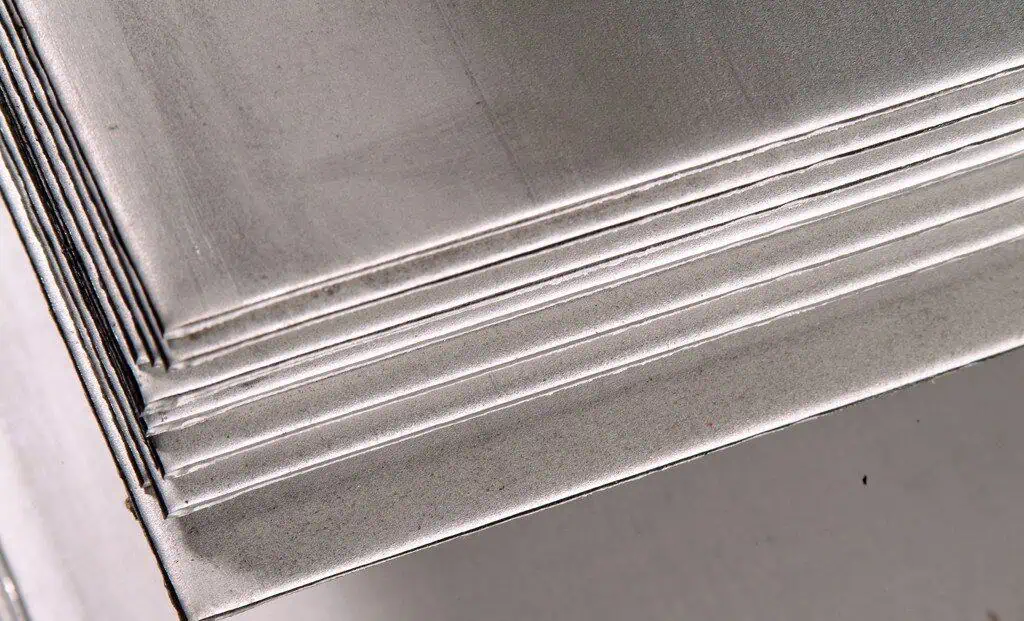
The right grade depends on the environment, mechanical requirements, and budget. Different stainless steel grades provide varying levels of strength and corrosion protection.
Grade 304 is the most versatile, but grade 316 contains molybdenum, which improves corrosion resistance in marine or chemical environments.
When viewing the stainless steel grade chart, you’ll see that 304 stainless steel properties include excellent formability, weldability, and heat resistance.In contrast, the 316 stainless steel properties emphasize superior pitting resistance and durability when exposed to saltwater or acids. Whether you live in an inland or coastal environment will influence your choice.
Which Is Better, 304 or 316 Stainless Steel?
Buyers frequently compare 304 stainless steel and 316 stainless steel, unsure which is best suited to their project.
304 stainless steel is cheaper and ideal for indoor use, whereas 316 stainless steel offers superior corrosion resistance and longevity for outdoor or marine exposure.
When comparing 304 stainless steel price with stainless steel material price for 316, the difference is due to the addition of alloying elements such as molybdenum. If the application involves saltwater, industrial chemicals, or humid climates, investing in 316 reduces long-term maintenance. 304 provides excellent value for indoor or decorative applications.
Does Stainless Steel Material Rust?
One of the most common questions is, “Does stainless steel rust?” Although the name implies otherwise, the reality is more complicated.
Yes, stainless steel can rust if its protective chromium oxide layer is damaged or exposed to harsh chemicals.
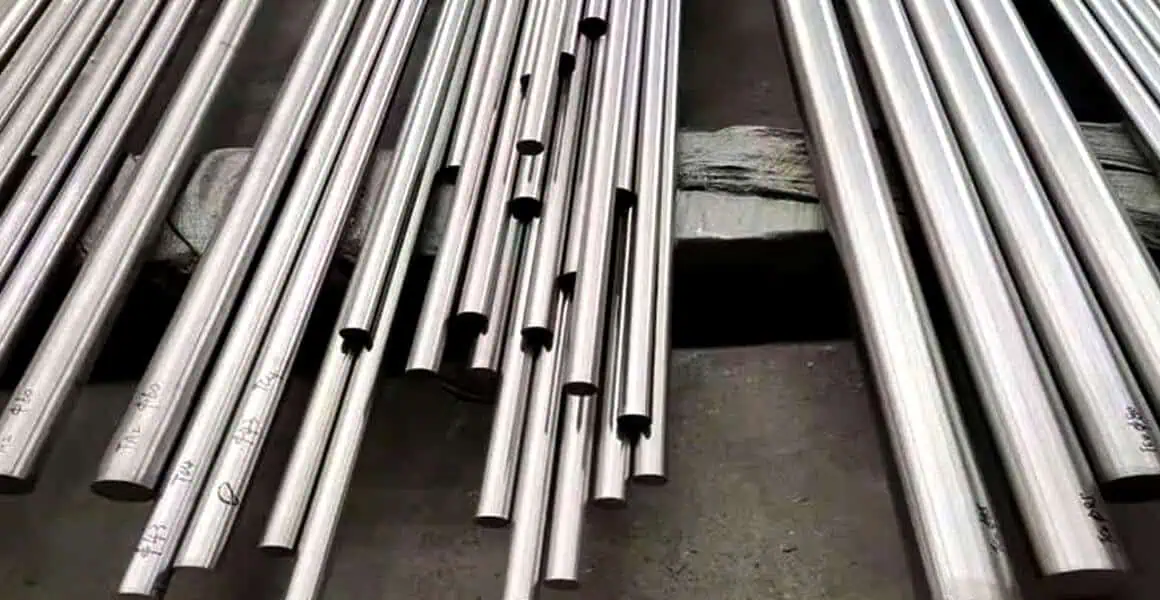
Although stainless steel material is extremely resistant, conditions such as chlorine exposure or mechanical abrasion can result in localized corrosion. Regular cleaning, passivation, and the use of higher grades like 316 all help to prevent such problems. Understanding what are the properties of stainless steel helps to ensure its longevity, particularly corrosion resistance, strength, and shine.
What Are the Disadvantages of Stainless Steel?
Despite its numerous benefits, stainless steel has a few drawbacks.
The main disadvantages include higher cost, difficult machining, and low thermal conductivity compared to other metals.
Fabricating stainless steel material requires specialized tools and expertise. It is more difficult to cut and form than mild steel vs stainless steel. However, the savings from reduced maintenance and replacement frequently offset the initial cost. Furthermore, stainless steel’s use in hygiene-critical industries justifies its cost.
How Does Stainless Steel Material Compare to Carbon Steel?
Many buyers compare the properties of carbon steel vs stainless steel to determine which metal best meets their needs.
Carbon steel is cheaper and stronger, but it rusts easily. Stainless steel costs more but resists corrosion and offers longer service life.
When it comes to applications that are exposed to moisture or chemicals, stainless steel clearly wins out over mild steel. Carbon steel is suitable for structural projects in which appearance and corrosion resistance are less important. Over time, stainless steel material performs better, particularly when maintenance costs and environmental exposure are considered.
Why Choose Stainless Steel Material for Construction?
Construction requires materials that strike a balance between strength, design flexibility, and weather resistance.
Stainless steel offers exceptional structural stability, corrosion resistance, and low maintenance—ideal for bridges, façades, and public infrastructure.
Its shiny finish improves architectural aesthetics while ensuring durability. From skyscraper cladding to public sculptures, stainless steel material provides both performance and prestige. Its sustainability and recyclability also contribute to green building goals.

What Are the Main Applications of Stainless Steel Material?
Stainless steel is used in a wide range of industries, from household to aerospace.
Stainless steel material is used in construction, automotive, food processing, energy, and medical industries due to its hygiene, durability, and heat resistance.
When asked what is stainless steel used for, the list includes kitchenware, pipelines, pressure vessels, elevators, and surgical equipment. Stainless steel types and uses vary depending on the grade and finish—polished for decoration, brushed for appliances, or hardened for machinery. Its ability to withstand staining and maintain structural integrity makes it indispensable in modern manufacturing.
How to Choose Reliable Stainless Steel Material Suppliers?
Finding a trustworthy supplier ensures that your stainless steel products meet consistent quality and delivery standards.
Evaluate suppliers based on certifications, inspection processes, export experience, and product range to secure reliable stainless steel supply.
Request mill test certificates (MTCs) to verify the composition and standard compliance of stainless steel materials. Reliable exporters, particularly those from China with more than 18 years of experience, can handle logistics, quality inspection, and documentation seamlessly. They also help to stabilize your stainless steel material price and ensure timely shipments, reducing business risks.
Summary
Stainless steel material combines strength, beauty, and resilience. Choosing the right grade and trusted supplier ensures long-term success in industries worldwide.