
When steel cost inaccuracies lead to budget overruns, frustration grows. Many purchasers suffer from inaccurate rebar weight data; this tutorial explains how to calculate and regulate it correctly.
The weight of reinforcement steel is calculated using the formula D²/162, where D represents the diameter of reinforcement bars in millimeters. This gives the unit weight rebar in kilograms per meter (rebar weight kg per meter), helping engineers and procurement managers ensure accurate quantity, cost estimation, and quality control.
Let’s delve deeper into precise calculation methodologies, impacting elements, and clever purchase strategies for effective steel management.
How Do You Calculate The Weight Of Reinforcement Steel?
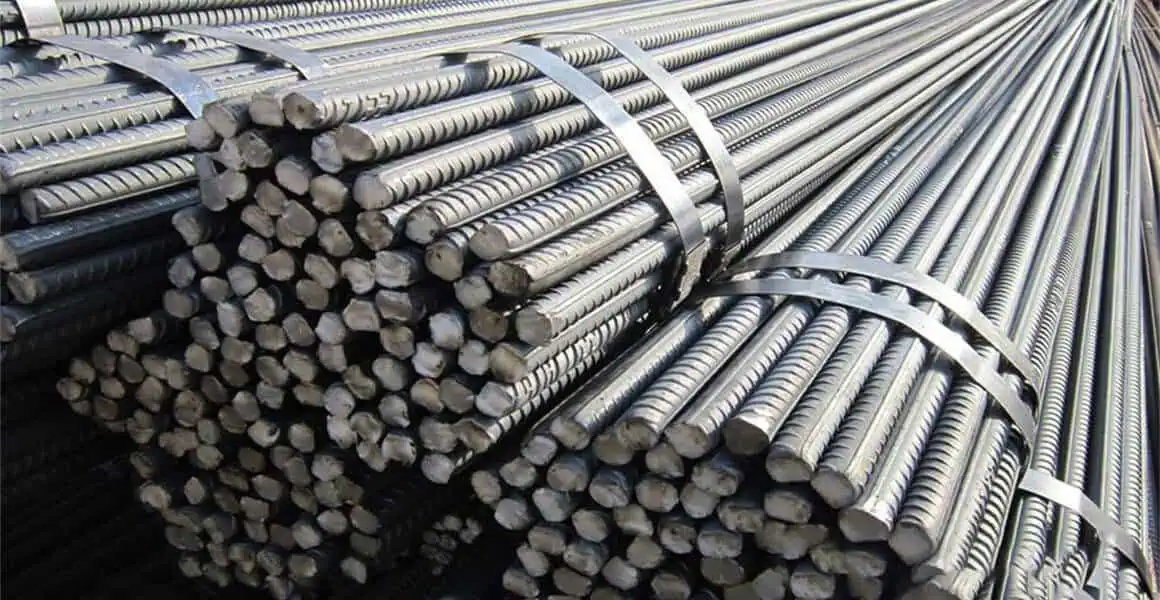
Every construction project relies on accurate weight calculations for reinforcing bars. When engineers, contractors, or purchasers calculate rebar weights incorrectly, it results in over-purchasing or project delays. Understanding the formula and standard tables is the first step toward achieving professional precision in all steel purchases.
The most widely accepted formula for calculating reinforcement steel bar weight is:
Weight (kg/m) = D² / 162,
where “D” represents the diameter of reinforcement bars in millimeters. For example, an 8mm deformed bar steel has a unit weight of rebar = (8×8)/162 = 0.395 kg/m, while a 20mm rebar weighs 2.47 kg/m.
The steel rebar weight chart or rebar size table helps you easily find rebars unit weight across different diameters:
- 6mm = 0.222 kg/m (weight of 6 rebar)
- 8mm = 0.395 kg/m
- 10mm = 0.617 kg/m
- 12mm = 0.888 kg/m
- 16mm = 1.58 kg/m
- 20mm = 2.47 kg/m (20mm rebar weight)
A rebar weight chart can also provide 4 rebar weight per foot, 5 rebar weight per foot, or even rebar weight in kg for any steel rebar diameter. These variables are required for accurate cost planning and transportation estimates. To eliminate human errors, many engineers now use online resources such as rebar weight calculators and digital databases provided by steel reinforcement companies.
In practice, using a rebar size chart in conjunction with on-site measurements ensures the precise area of steel rebar, allowing buyers like you to verify supplier data, avoid overpricing, and maintain uniformity across international standards.
What Factors Affect The Weight Of Reinforcement Steel?
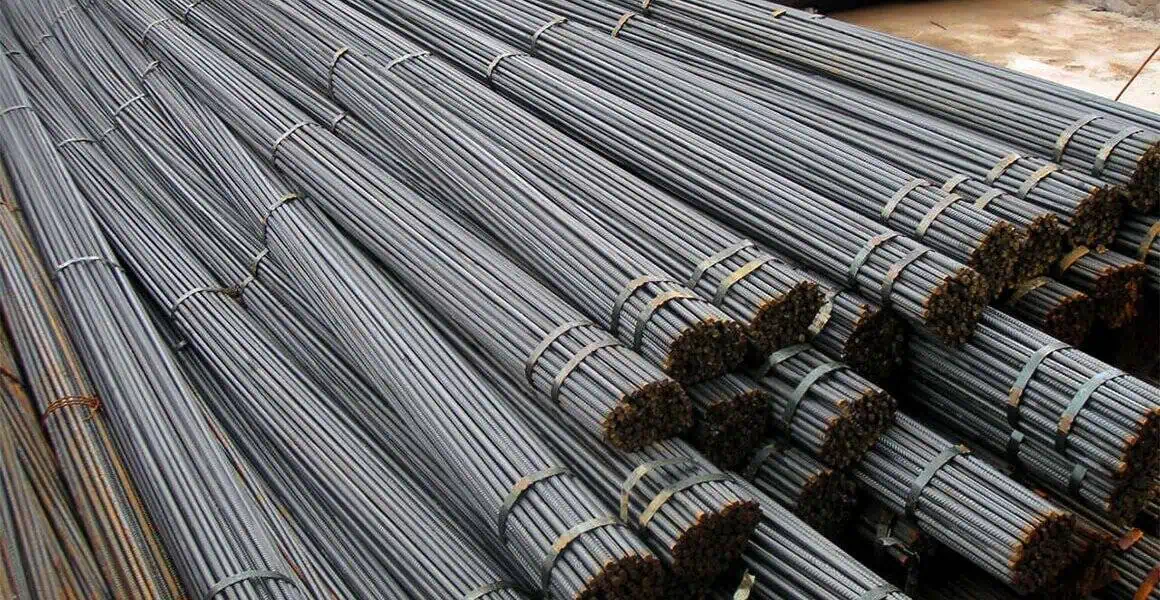
The weight of reinforced steel bars can vary depending on a variety of technical and environmental conditions. Many consumers assume that all steel reinforcing bars weigh the same, however this is not always the case.
First, density is an important consideration. The standard weight of reinforcing steel bars implies a density of 7850 kg/m³. Variations in carbon content, alloy composition, and impurities can all have a little impact on this. For example, epoxy coated or galvanized rebar weighs somewhat more due to protective coatings, whereas weldable rebar may vary depending on its chemical makeup.
Second, manufacturing tolerance influences the final diameter. A tiny discrepancy in the diameter of reinforcement bars from the nominal size—for example, 20.2mm instead of 20mm—can affect the unit weight rebar value, resulting in cumulative inaccuracies when ordering tons of steel.
Third, moisture and rust can have an impact on short-term weight, particularly when rebar for sale or steel rebar for construction is stored outside. Corrosion adds scale, which can distort weighing results.
Finally, surface polish and coating play an important role. Deformed bar designs introduce minor ridges that slightly increase the weight of the reinforcement steel bar, while steel reinforcement mesh or concrete reinforcing steel mesh has a variable density distribution.
Smart purchasers consult their rebar or steel reinforcement providers for confirmed reinforcing steel sizes and weights, ensuring procurement meets project requirements. Professional sourcing from experienced exporters like us assures a consistent, standardized, and certified supply over time.
How To Use A Reinforcement Steel Weight Calculator Online?
A rebar weight calculator streamlines the process of calculating total steel requirements. Instead of manually using calculations, users simply enter the diameter of the reinforcing bars, the number of pieces, and their length.
For example, if you’re calculating 5 steel rebars, each 12 meters long and 16mm in diameter, entering them into a rebar weight calculator yields an instant total weight in kilograms. This information enables purchasers to change their logistics, pricing, and supplier agreements.
Online tools, such as those provided by Midland Steel or Engineering Toolbox, frequently include rebar size and steel rebar weight chart references, making it simple to cross-check. These calculators accept both metric and imperial units, allowing you to calculate rebar weight kg per meter, 4 rebar weight per foot, and total tons for shipment.
Such tools help construction planners and rebar suppliers near me eliminate human error, save time, and increase project transparency. They can also help compare quotations from rebar and steel distributors or steel reinforcement providers, ensuring that quoted weights meet international requirements.
Whether you buy from Lowe’s steel rebar, a rebar for sale platform, or a direct exporter, a rebar weight calculator provides continuous accuracy. It is the most efficient method for determining reinforced steel bar weight when planning rebar for concrete slab or rebar building projects worldwide.
How To Calculate Weight With Length, Width, And Thickness?
When dealing with steel reinforcement rebar, flat bars, or steel reinforcement mesh, weight calculation slightly differs. The general formula used for flat steel plates or mesh is:
Weight = Length × Width × Thickness × Density (7850 kg/m³).
For example, if you have a steel reinforcement mesh sheet of 2m × 1m × 0.01m, its weight = 2 × 1 × 0.01 × 7850 = 157 kg. The same principle applies to mesh steel reinforcement or concrete steel rebar structures where multiple bars are welded together.
This strategy is very beneficial for purchasing steel reinforcement bars in custom sizes or rebar rods. It allows you to compare product offers from various rebar providers while avoiding confusion between rebar and concrete configurations.
Many engineers combine this with computerized design software to accurately determine reinforcing bar requirements. When making reinforced slabs, beams, or columns, using the correct reinforcing steel bar weight guarantees cost management, balanced load distribution, and structural safety.
Whether you use rebar for slabs, rebar bars, or reinforced concrete rebar, understanding how to calculate total weight based on actual specifications ensures that every ton is optimized. This simple but effective method also aids in price negotiations when comparing the reinforced steel or rebar prices provided by various rebar suppliers near me.
Why Is Accurate Steel Weight Crucial For Procurement And Logistics?
Understanding the weight of reinforcement steel is important for procurement specialists since it provides a business edge. An accurate weight calculation has a direct impact on pricing, freight, and project timing.
When importing steel rebar, even little errors in rebar weight might result in shipping overload, customs difficulties, or higher transportation expenses. Buyers in growing markets, such as Brazil and Mexico, rely on reputable steel reinforcement suppliers to supply correct reinforced steel bar weight documentation for efficient customs clearance.
Furthermore, freight firms charge per tonnage. A 2% weight error on a 100-ton order equals paying for two tons of steel you never used. That is why adopting a validated rebar weight chart, steel rebar weight chart, and rebar size table during procurement is critical.
With 18 years of export experience, our firm offers certified steel reinforcement bars, concrete reinforcing steel mesh, and deformed bar steel goods with perfect weight control and timely delivery. We provide dependable and prompt service to wholesalers, distributors, and construction organizations all around the world.
Buyers who source from verified rebar suppliers can gain access to quality-inspected steel rebar, prevent shipment delays, and secure reasonable pricing. In a business where every kilogram counts, competent exporters guarantee both technical precision and financial success.
Summary
Understanding the weight of reinforcement steel allows you to control costs, arrange logistics efficiently, and assure strong, dependable construction results for every rebar and steel project.