Choosing the wrong sizes of steel sheets leads to delays, waste, and extra costs. Many buyers around the world have trouble with inconsistent standards, but clear size guidelines fix this.
Standard steel sheet sizes usually follow ASTM, EN, or JIS standards, defining thickness, width, and length. Common ranges include 0.3–25mm thickness, 1,000–1,500mm width, and 2,000–6,000mm length, depending on material type and application.
Let’s go over the sizes, standards, and real buying factors for global steel sheets step by step to avoid making expensive mistakes.

What Are the Most Common Steel Sheet Sizes Used Worldwide?
When people look for reliable steel sheet sizes, they usually want sizes that are easy to sell, widely accepted, and can be used in a variety of ways. Most projects around the world use standard sheet metal sizes because they make sourcing, logistics, and fabrication easier. Common sizes lower risk and speed up decisions about buying things, whether they are used in construction, manufacturing, or trading.
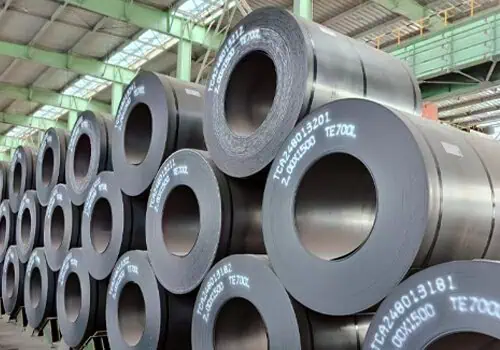
Steel sheets and plates come in standard sizes. For sheets, the most common thicknesses are 0.5mm to 6mm, and for plates, they are 6mm to 25mm. Most of the time, the widths are between 1,000mm and 1,500mm, and the lengths are between 2,000mm and 6,000mm. These sizes are also close to the sizes of standard steel plates, which makes them great for both sheet and plate uses.
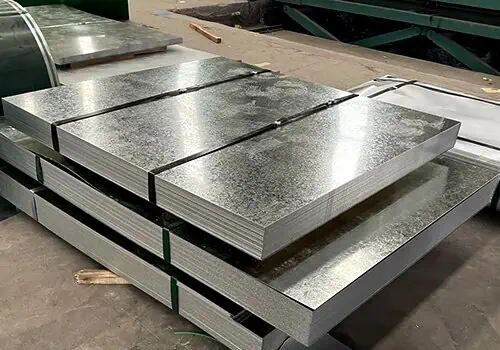
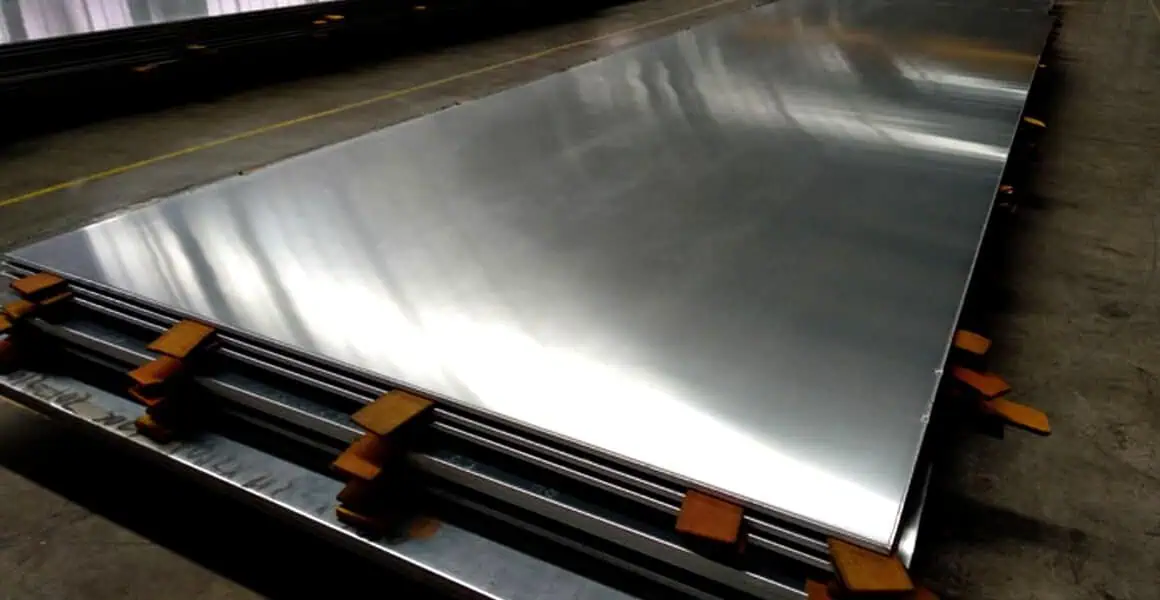
These common sizes are useful because they can be used with many different types of materials, such as carbon steel sheet, galvanized steel sheet, steel plate, and even aluminum sheet products. Buyers like these sizes better because mills make them in large quantities, which means the quality is always good, delivery is faster, and prices are lower.
In real-world trading, especially in South America and Southeast Asia, the size of an item has a big effect on its resale value. Distributors of steel sheet plate products often choose flat, well-known sizes to meet the needs of a wide range of customers. Flat steel sheet sizes are easier for construction companies to cut, weld, and put up on site.
Also, common sizes are optimized for loading into containers. This has a direct effect on how efficiently shipping works and lowers the risk of damage. For buyers around the world, picking standard sizes isn’t just a technical choice; it’s a business strategy that balances availability, cost control, and flexibility down the line.

How Do Steel Sheet Sizes Differ by International Standards (ASTM, EN, JIS)?
When it comes to standard steel sheet sizes, it’s important to know about international standards because the definitions of size can change depending on whether ASTM, EN, or JIS is used. A lot of quality disagreements and project delays happen not because the materials are bad, but because buyers and suppliers don’t agree on the same standards.
People in North and South America use ASTM standards a lot. ASTM has clear rules for steel plate sheet sizes, including tolerances for thickness, width, and flatness. People often use ASTM standards for carbon steel sheet, galvanized steel sheet, and structural steel plate products that are used in buildings and infrastructure.
EN standards are the most common in Europe, the Middle East, and some parts of Africa. EN puts a lot of emphasis on dimensional tolerances and surface quality. This is especially important for standard stainless steel sheet sizes and architectural uses. People who want to sell to EN markets often care more about consistency than having a wide range of sizes.
A lot of people in Asia use JIS standards when they need to make things very precisely. JIS standards are very strict, especially for thin sheets like 3mm steel sheets and 3mm mild steel sheets. People often use these in machines, car parts, and parts that are made.
The main difference is not just the size, but also how tolerances are handled. For instance, mild steel sheet sizes that fall under ASTM may allow for slightly wider thickness variations than JIS. This is very important when steel is worked on more.
Choosing the right standard is important for global traders because it makes sure that their products work with what end users need. When exporting to regulated markets, making sure that size expectations match the right standard can help you avoid expensive rework, rejected shipments, and certification problems.
How to Choose the Right Steel Sheet Sizes for Construction and Trading Projects?
Choosing the right sizes of steel sheets depends a lot on how they will be used in the end. Different approaches are needed for construction projects, trading operations, and fabrication workshops. When buyers don’t pay attention to the needs of specific applications, they often have to pay more to process orders and make less money.
When it comes to construction, the most common sizes of steel roofing sheets and structural sheets are those that provide the best coverage and load performance. Wider sheets speed up installation, and consistent thickness makes sure the sheets are safe. In these cases, galvanized steel sheet sizes are very popular because they don’t rust and last a long time.
Flexibility is very important for trading and reselling. Traders often choose standard sizes of steel sheets that can be used in many different fields. It’s easier to sell steel sheets that are in standard sizes, even when demand changes. Steel checker plate sheet sizes and other products are often made in standard sizes to support flooring, platforms, and walkways in factories.
In industries that do a lot of processing, the size you choose affects the yield. Choosing the right sizes of flat steel sheets cuts down on waste and makes production more efficient. This is very important for steel sheet plate and carbon steel sheet products that are used in making things.
Buyers should also think about customizing things later on. Mills can make things in custom sizes, but non-standard sizes usually mean a higher minimum order quantity (MOQ) and longer lead time. For a lot of projects, using standard plate sizes for steel is the best way to balance cost, availability, and usability.
In the end, the right size isn’t just about measurements; it’s also about making sure that technical needs match up with logistics, resale strategy, and the total cost of the project.
Do Steel Sheet Sizes Affect Shipping Cost and Delivery Time?
Yes, the size of steel sheets has a direct and measurable effect on shipping costs and delivery times. Oversized or non-standard sizes can make loading containers harder, make handling more dangerous, and slow down customs clearance.
Standardized sheet metal sizes are made to make containers work as well as possible. Exporters can make the most of container space, cut down on movement during transit, and cut down on damage by using standard widths and lengths. This is very important for heavy things like steel plate and steel plate sheet sizes.
Flat and even standard steel sheet sizes make it less likely that special packing or break-bulk shipping will be needed for ocean freight. On the other hand, irregular sizes may need custom crating, which costs more and takes more time to get ready. This often causes shipments to be late, which is a big problem for buyers around the world.
During busy times, like when infrastructure projects are booming in South America, delivery speed is very important. People who buy galvanized steel sheets and steel roofing sheets often have to meet tight deadlines for their projects. Choosing standard sizes makes it easier for the mill to schedule jobs and for the port to run smoothly.
Also, customs checks go faster when products are the same size as the declared steel sheets according to recognized standards. Clear paperwork lowers the risk of delays and keeps unexpected demurrage fees from happening.
Traders who make money based on timing must choose sizes that are easy to ship. Choosing the right size protects margins and makes sure that products get to the market when they need them most.
Can Steel Sheet Sizes Be Customized by Chinese Exporters?
Chinese steel sheet exporters can make sheets of different sizes, but doing so requires careful planning and clear communication. Chinese supply chains are flexible, but custom sizes come with trade-offs in terms of cost, lead time, and risk.
Most mills can make carbon steel sheets, aluminum sheets, and galvanized steel sheets in sizes that aren’t standard. But most of the time, custom sizes require a higher minimum order quantity (MOQ). This is especially true for steel plate and steel sheet plate products, which are thicker.
Another important factor is control of tolerance. For exact uses, like 3mm steel sheet sizes or 3mm mild steel sheet sizes, buyers need to be clear about what deviations are acceptable. Even small differences in tolerance can cause problems downstream if there aren’t clear specifications.
From a business point of view, customization makes sense when products are only used by the company or for a specific project. But for trading, non-standard steel sheet sizes may make it harder to sell them again. Distributors often have a hard time selling custom sizes that aren’t part of the original project.
The amount of time it takes to get something done is also affected. Rolling schedules work best for standard sizes, but custom orders may need to be adjusted at the mill. This can affect how reliable deliveries are, especially when demand is high.
Experienced exporters assist purchasers in determining the necessity of customization. In many cases, changing design expectations to fit standard sizes of stainless steel sheets or other standard options leads to better results with less risk.
Summary
Picking the right sizes of steel sheets makes quality control, logistics, and profits all better. Global buyers work with experienced exporters to make sure that standards, applications, and shipping realities all match up.