
How Do You Choose the Right H Beam Steel Sizes for Your Construction Project?
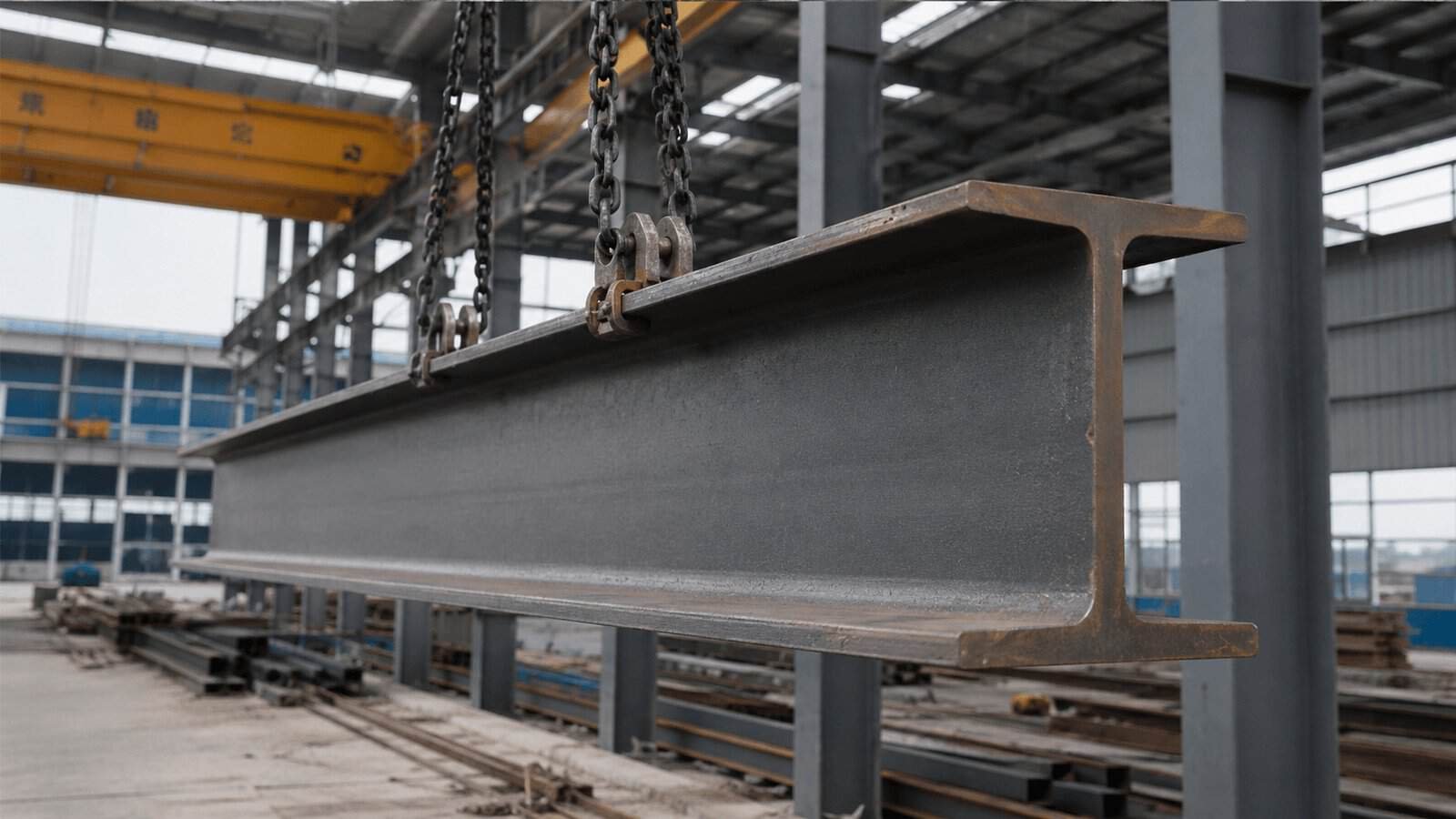
Choosing the wrong steel beam can increase costs, weaken structures, and delay projects. Understanding h beam steel sizes helps you make confident, cost-effective purchasing decisions. The right h beam steel sizes depend on structural load, span, design standards, application, and material grade. By understanding beam dimensions, weight, international standards, and supplier capabilities, buyers can select safe, […]
How Do You Choose the Right Steel Pipe Sizes for Your Project?
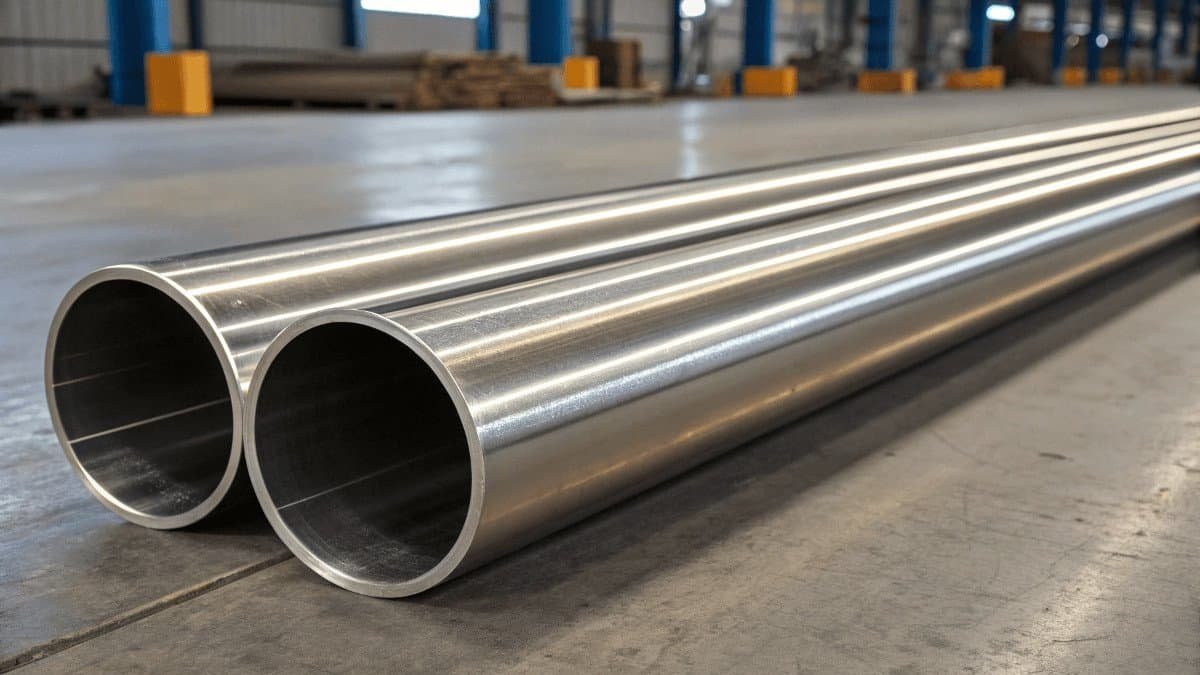
Choosing the wrong steel pipe sizes can increase costs, delay installation, and reduce system performance. Understanding proper sizing helps you avoid expensive mistakes. The right steel pipe sizes depend on application, pressure, flow requirements, wall thickness, and industry standards. By comparing steel pipe dimensions, selecting the correct schedule, and following international specifications, buyers can improve safety, reduce […]
Where to Buy Plate Steel: How Can You Find a Reliable Supplier at the Best Price?
Many buyers struggle with unstable quality and delayed shipments when trying to find where to buy plate steel, leading to costly project risks and missed market opportunities. To find reliable sources for steel plate, buyers should choose certified steel mills, experienced exporters, or verified B2B platforms. Always check material certificates, production standards, and inspection reports. […]
Can Rebar Be Cut Easily?
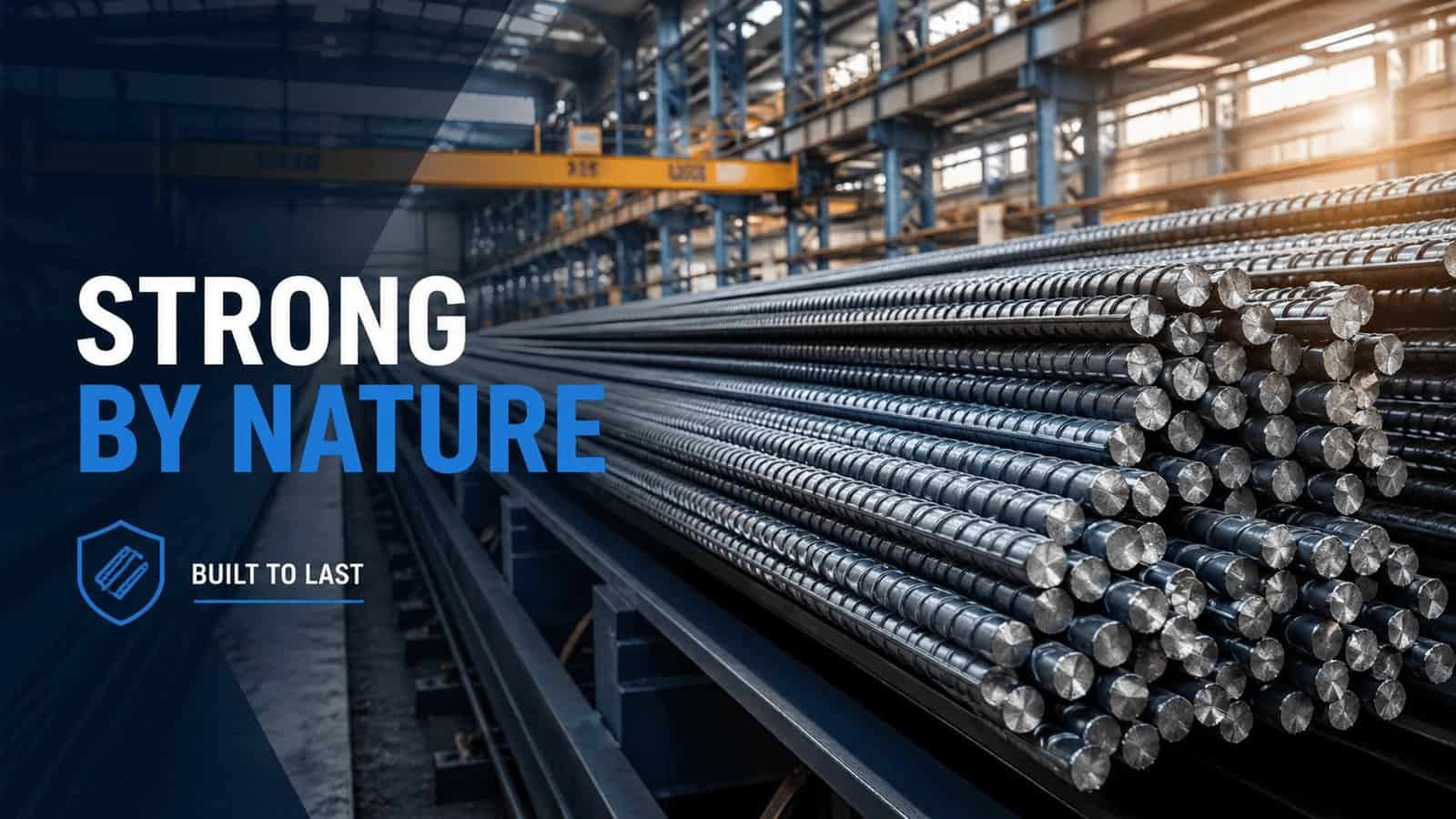
Rebar cutting problems can slow construction projects, increase labor costs, and delay schedules. The right tools and methods make cutting faster, safer, and more efficient. Can rebar be cut easily? Yes, rebar can be cut easily when you use suitable equipment and the correct method. The easiest way depends on rebar diameter, steel grade, and […]
What Is the Lifespan of an H-beam?
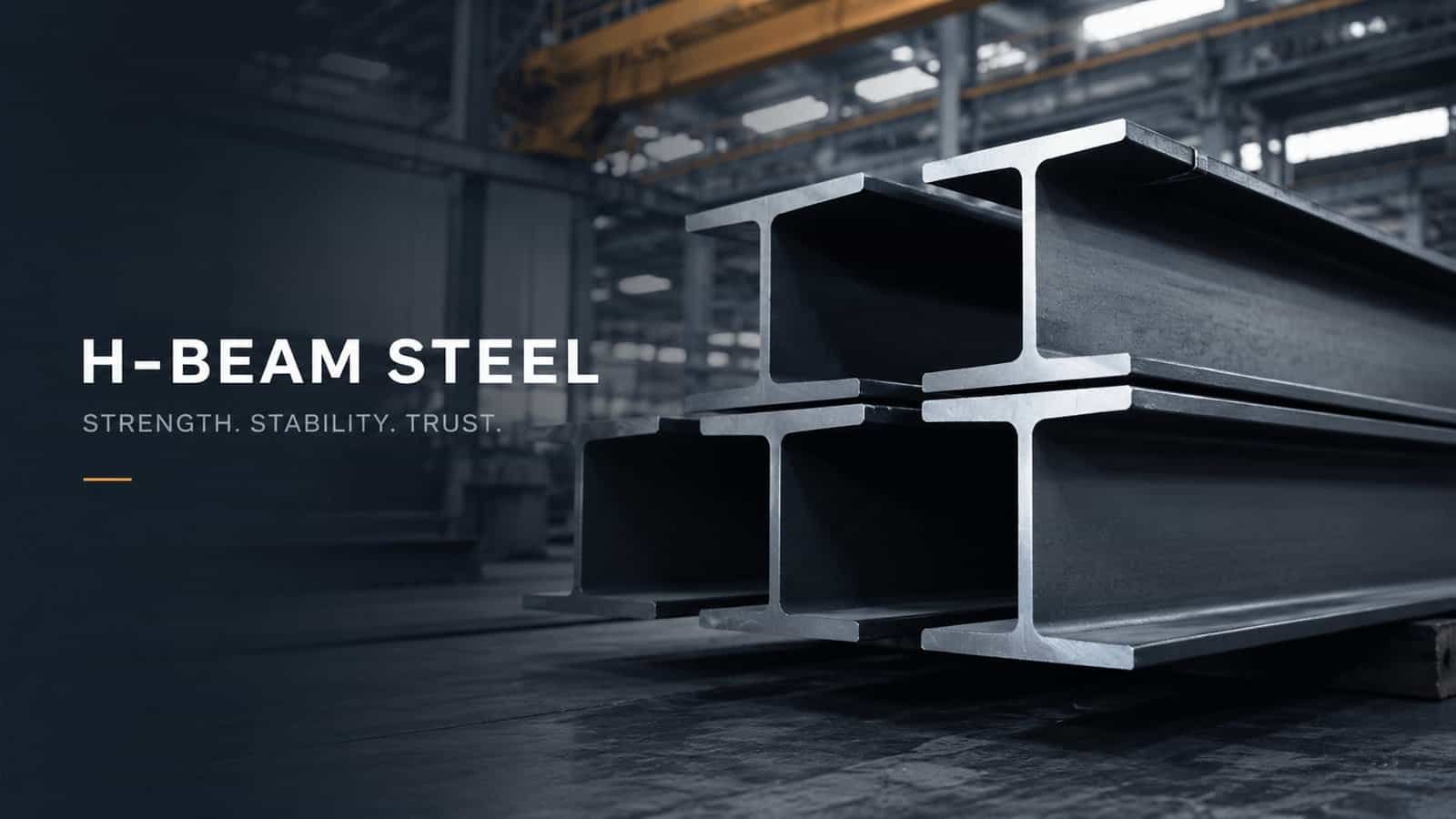
Many construction projects suffer from unexpected costs caused by weak materials, corrosion, and replacement problems. Choosing the right H-beam helps create safer and more durable structures. What is the lifespan of an H-beam? A high-quality H-beam can usually last 50 years or more, depending on steel quality, corrosion protection, environment, installation methods, and maintenance. Proper manufacturing […]
What Are Galvanized Steel Coil Applications?
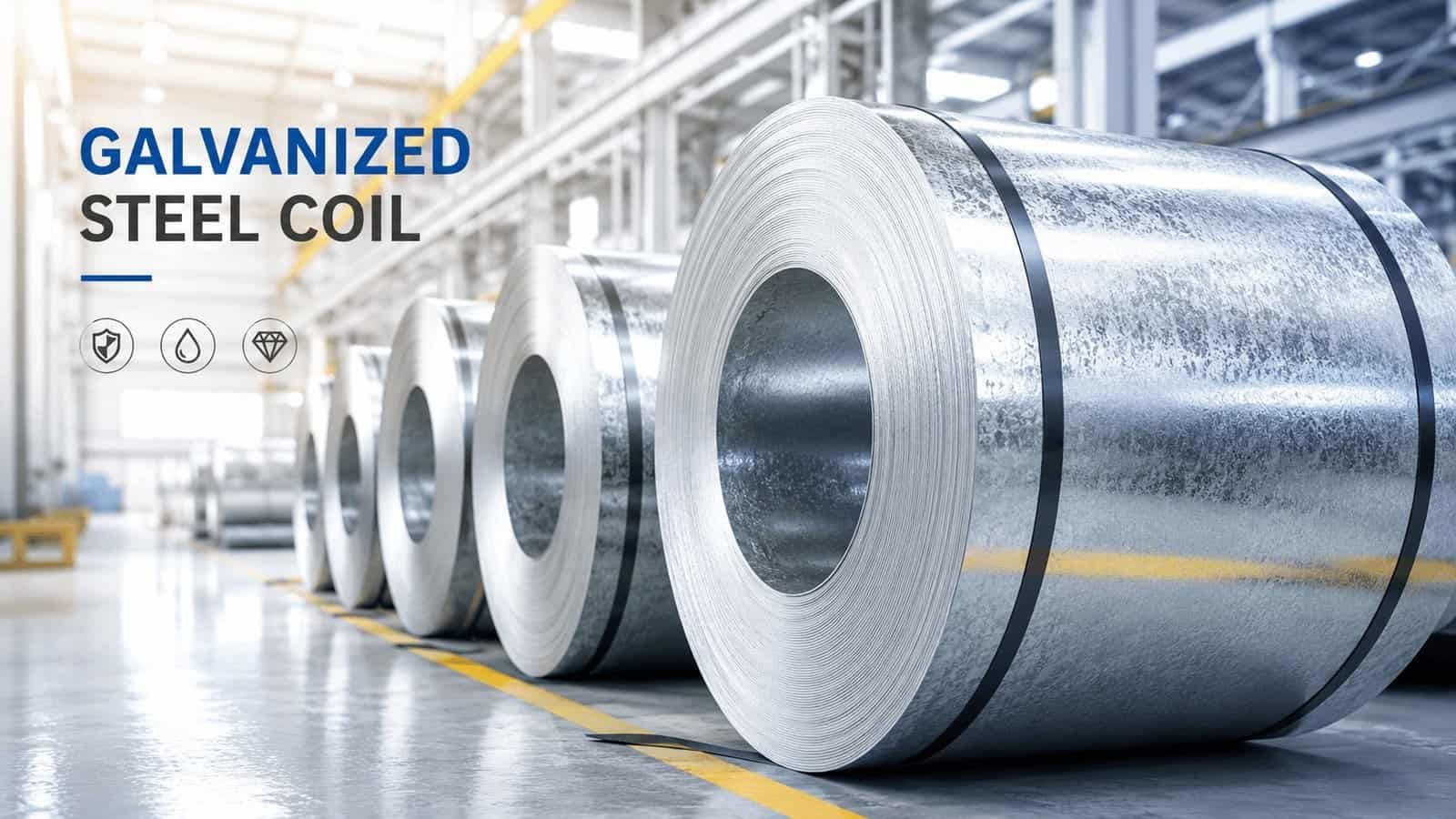
Are you struggling to find a material that is both durable enough for harsh environments and cost-effective for large-scale projects? Choosing the wrong steel can lead to premature rust, costly replacements, and a tarnished reputation. Understanding the vast range of galvanized steel coil applications is the key to unlocking a versatile, reliable, and economical solution […]
What Is the Rebar Definition and Why Is It Important in Construction Projects?
Poor-quality steel reinforcement can create safety risks, delays, and unexpected costs. Understanding rebar definition helps construction buyers select reliable materials and avoid project problems. The rebar definition refers to steel reinforcement bars placed inside concrete to improve strength, durability, and structural stability. Rebar helps concrete resist tension, reduce cracking, and support heavy loads, making it essential […]
What Is a Galvanized Plate and Why Is It Important for Steel Applications?

Many steel buyers face corrosion problems, quality risks, and high maintenance costs. Choosing the right material can protect projects and improve long-term value. What is a galvanized plate and why is it important for steel applications? A galvanized plate is a steel plate coated with zinc to improve corrosion resistance, durability, and service life. It […]
What Are the Advantages of H-beam?
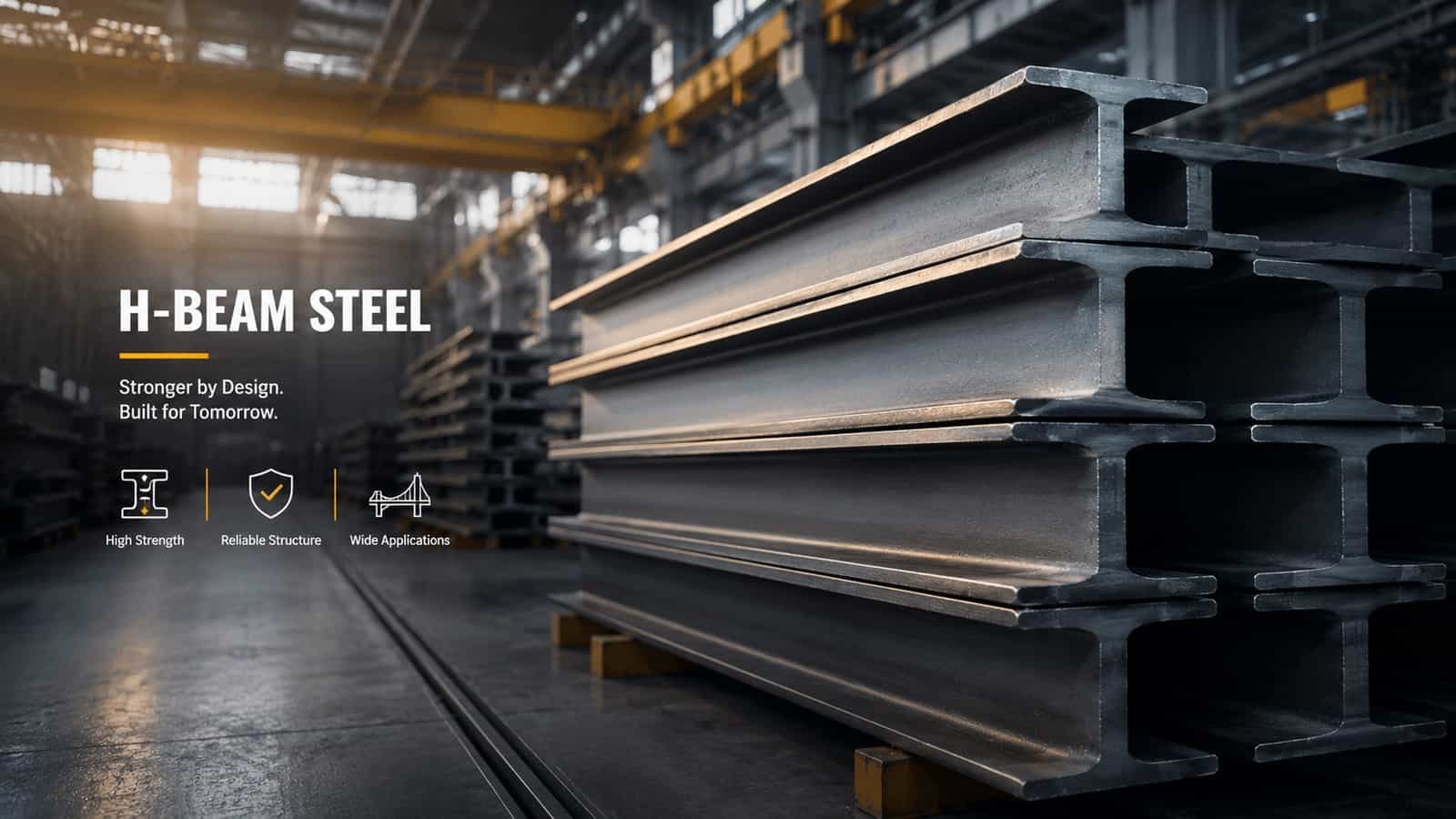
Many construction projects face problems like weak structures, wasted materials, and rising costs. Choosing the wrong steel solution can delay projects and reduce profits. What are the advantages of H-beam? The main advantages of h-beam include high load-bearing capacity, excellent structural stability, efficient material usage, and strong durability. H-beam provides better support for large buildings, […]
How Do You Choose the Right Galvanized Sheet Size for Your Construction, Manufacturing, or Distribution Project?
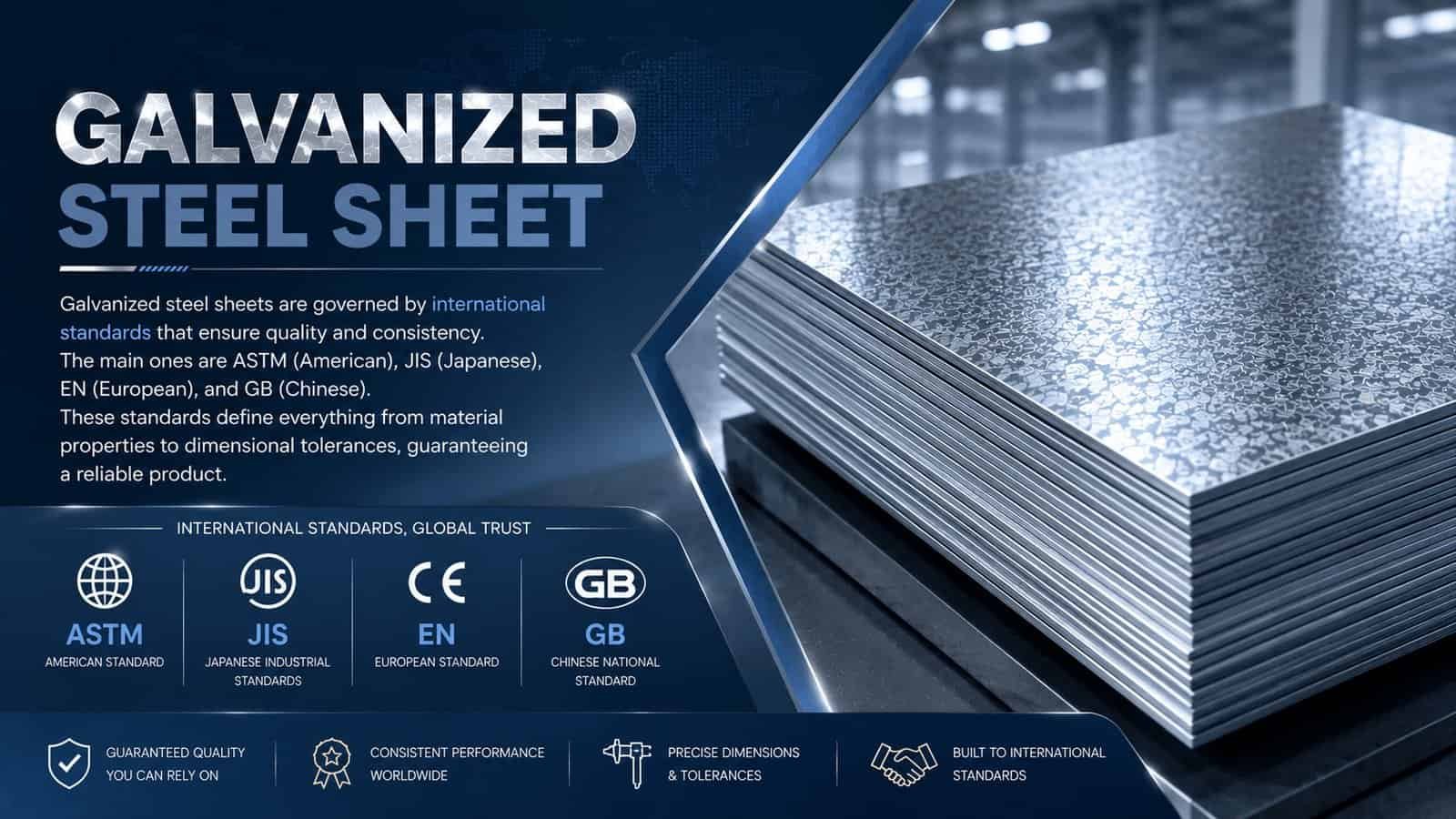
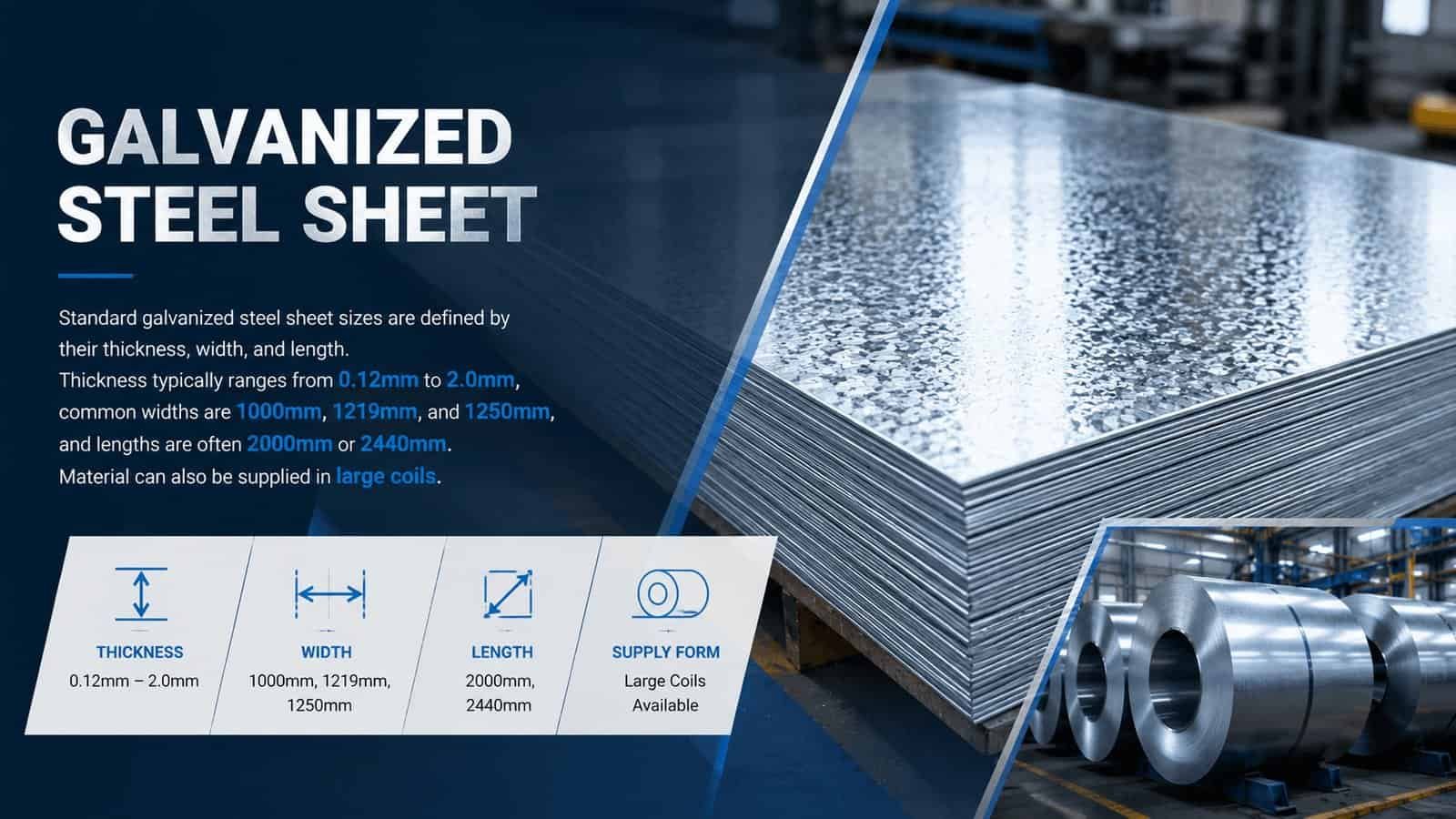
Choosing the wrong galvanized sheet size creates waste, delays projects, and increases costs. Many buyers overlook sizing details. Understanding the right dimensions helps maximize efficiency and profitability. The best way to choose a galvanized sheet size is to match the sheet dimensions, thickness, application requirements, fabrication process, transportation method, and budget. By selecting the correct size […]
Is a 3mm Steel Sheet Strong Enough for Construction, Manufacturing, And Everyday Industrial Applications?
Choosing the wrong steel thickness can cause safety issues and wasted money. Many buyers question whether 3mm steel is strong enough. Understanding its capabilities helps avoid costly mistakes. Is a 3mm steel sheet strong? Yes. A 3mm steel sheet is strong enough for many construction, manufacturing, transportation, and fabrication applications. Its actual performance depends on […]
What Are the Downsides of Rebar?
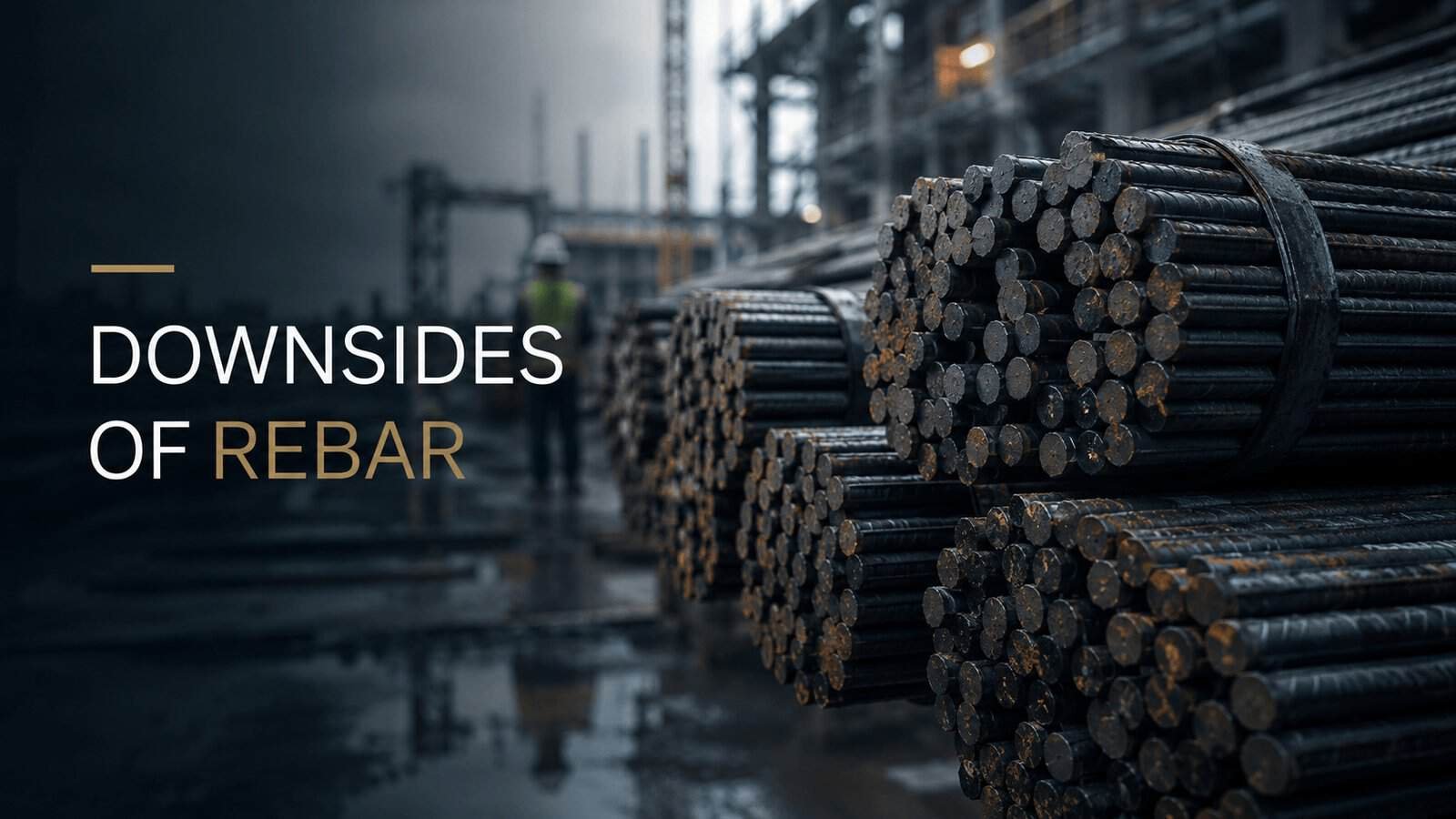
Rebar is essential for strong concrete structures. But are you aware of its hidden weaknesses? What are the downsides of rebar? Ignoring them can lead to serious problems and unexpected costs down the line. The main downsides of steel reinforcement rebar are its vulnerability to corrosion, which can crack concrete from within, its significant weight […]
How Can You Accurately Calculate Reinforcement Bar Weight for Construction Projects?
Incorrect rebar weight calculations can increase purchasing costs, raise freight expenses, and cause project delays. Many buyers lose money simply because they underestimate steel requirements. The standard method for calculating reinforcement bar weight is to use the formula Weight (kg/m) = D² ÷ 162, where D represents the bar diameter in millimeters. This calculation helps […]
How Do H Beam Steel Dimensions Affect Structural Strength, Cost, and Project Performance?
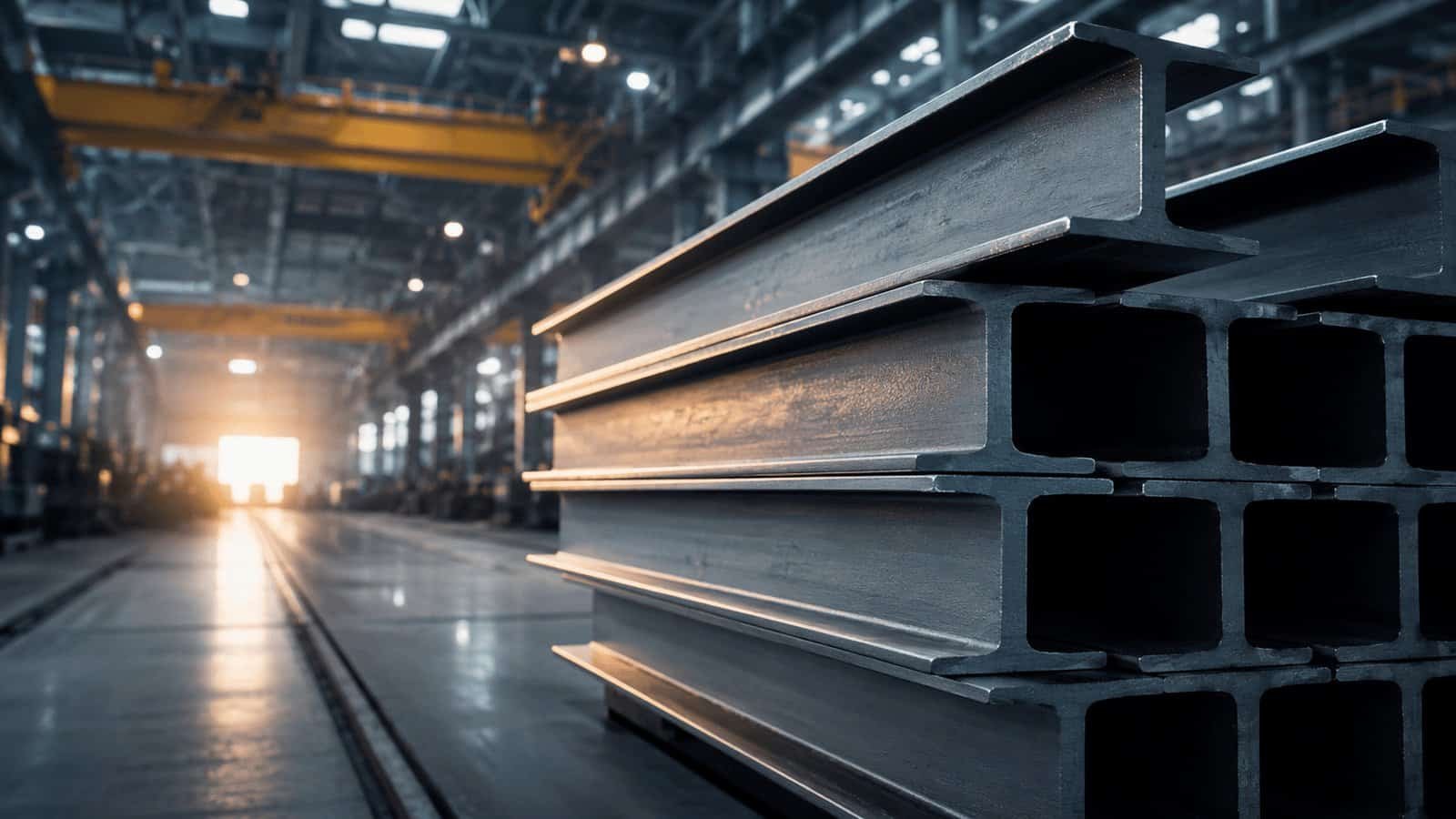
Choosing the wrong H beam can increase costs, weaken structures, and delay projects. Understanding dimensions helps buyers avoid costly mistakes and improve project performance. H beam steel dimensions determine load-bearing capacity, stability, weight, and cost. By evaluating beam height, flange width, web thickness, flange thickness, and project requirements, buyers and engineers can select the most […]
How Do You Determine the Right Reinforcement Bar Length for Different Construction Projects?
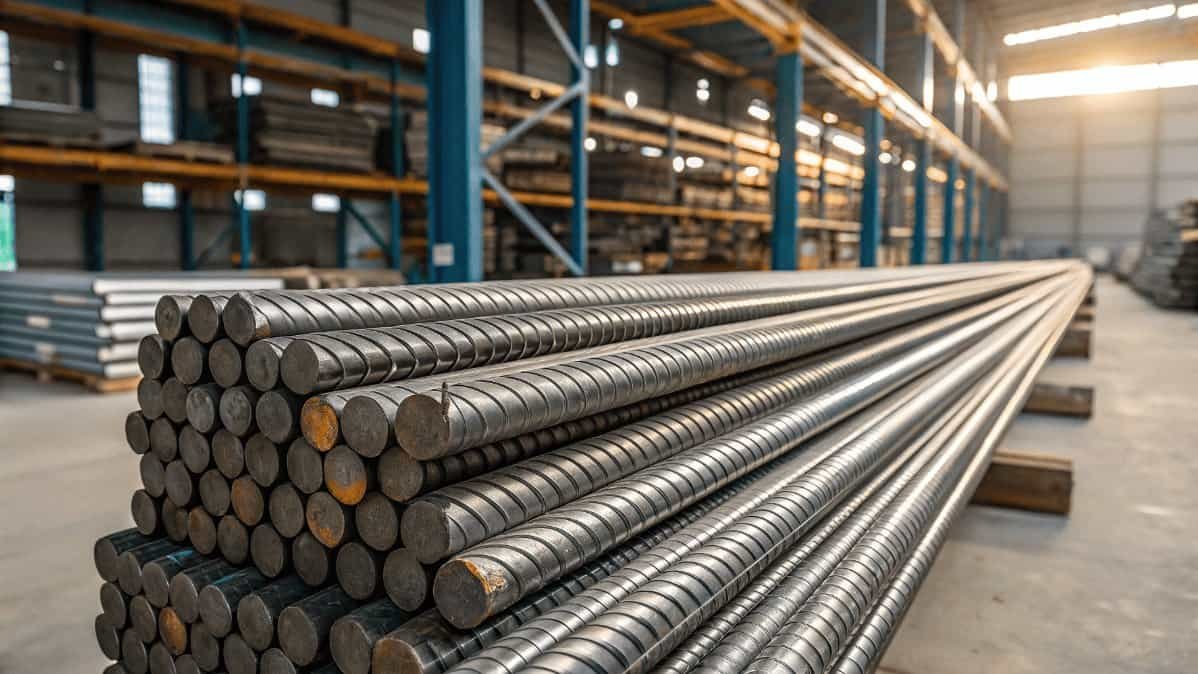
Wrong rebar lengths create waste, delays, and higher costs. Many projects struggle with excess cutting and splicing. Choosing the correct length improves efficiency, quality, and profitability. The right reinforcement bar length depends on structural design, building codes, transportation limits, and splice requirements. While the most common standard reinforcement bar length is 12 meters, many projects benefit from […]
What Are Steel Coils Used For?
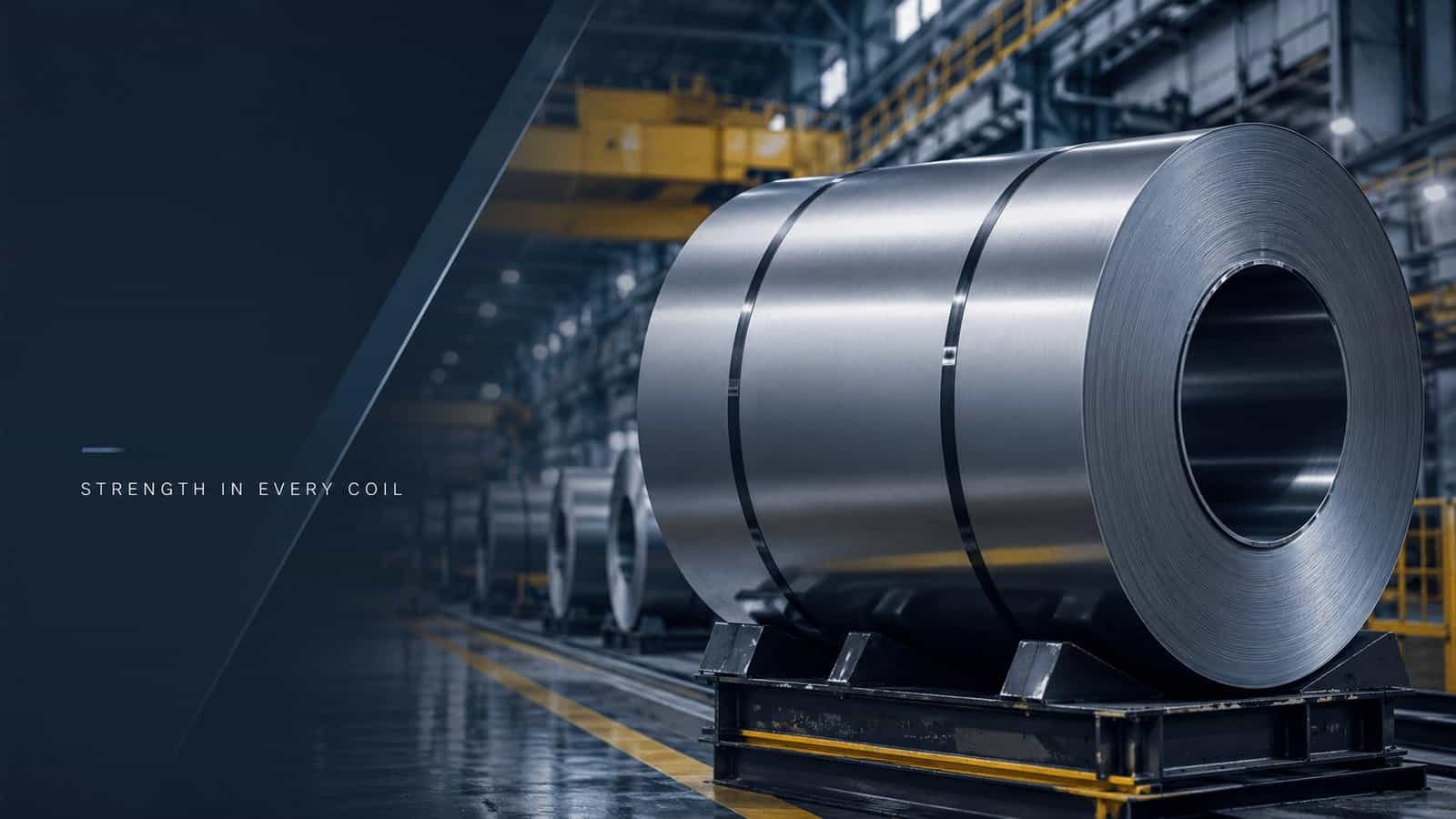
Struggling to find the right material for your next big project? The options can be overwhelming. What are steel coils used for? We will show you how steel coils provide a versatile and reliable solution. Steel coils are fundamental to modern manufacturing and construction. We use them to make roofing, car parts, home appliances, pipes, […]
What’s Stronger, H-beam or I-beam?
Wrong beam selection can increase structural risks, delay projects, and raise construction costs. Many buyers struggle to compare steel beam strength accurately. What’s stronger, H-beam or I-beam? H-beams are generally stronger because they have wider flanges, thicker webs, and better load distribution. H-beams perform better in heavy construction and long-span structures, while I-beams are more […]
What Are the Downsides of Rebar?
Concrete cracks easily under tension. Many builders rely on rebar without considering its drawbacks. Ignoring these issues can lead to costly repairs, delays, and reduced structural lifespan. What are the downsides of Rebar? The main downsides of rebar include corrosion, rust-related concrete damage, heavy weight, installation complexity, maintenance requirements, transportation costs, and performance challenges in […]