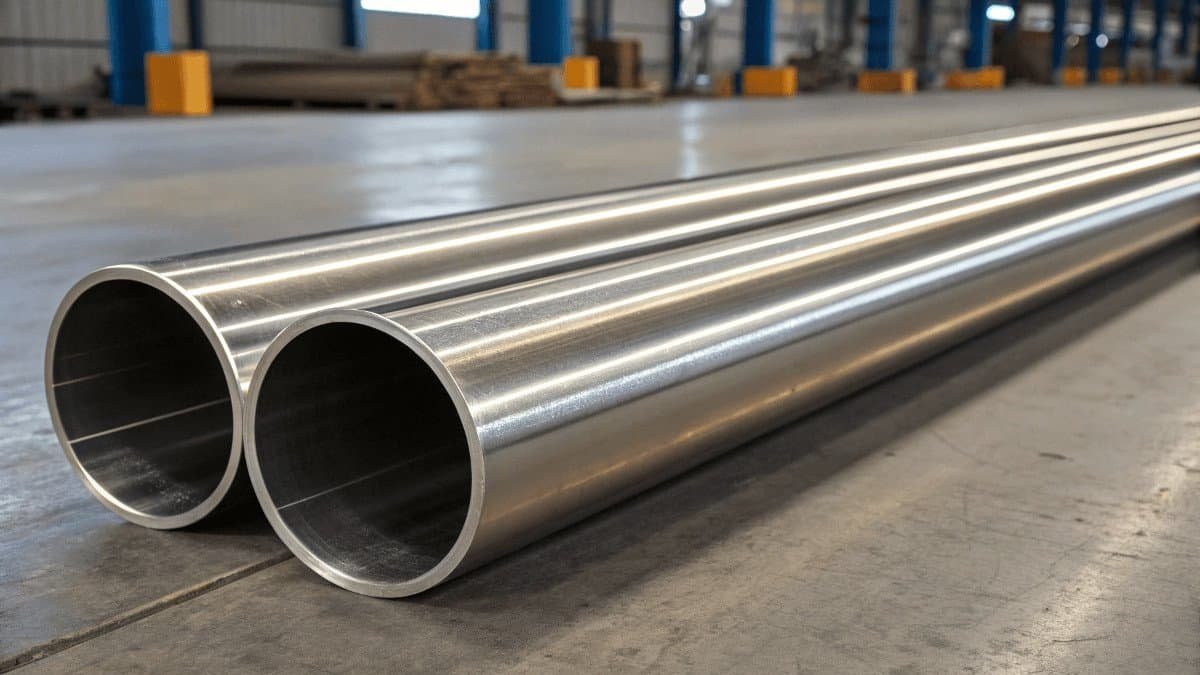
Choosing the wrong steel pipe sizes can increase costs, delay installation, and reduce system performance. Understanding proper sizing helps you avoid expensive mistakes.
The right steel pipe sizes depend on application, pressure, flow requirements, wall thickness, and industry standards. By comparing steel pipe dimensions, selecting the correct schedule, and following international specifications, buyers can improve safety, reduce costs, and ensure reliable long-term performance for construction, industrial, and infrastructure projects.
Let’s examine the key factors that help you confidently select the best steel pipe size for any project.
What Are Steel Pipe Sizes?
Knowing the definition of the phrase is the first step in choosing the appropriate steel pipe diameters. While pipe sizing comprises multiple measures that work together to determine performance, many customers simply pay attention to outside diameter. Buying is considerably simpler when you are aware of these fundamentals.
The standardized dimensions of a pipe, such as nominal diameter, outer diameter, wall thickness, and occasionally internal diameter, are referred to as steel pipe sizes. Manufacturers all around the world adhere to established standards, making it simple for consumers to compare products using a steel pipe sizes chart or pipe measurements chart.
We frequently clarify that pipe size is much more than a single number when working with foreign clients. Before making a choice, engineers take into account the intended application, pressure rating, wall thickness, and outside diameter. Knowing these dimensions helps avoid installation issues and cut down on needless expenses, regardless of whether you buy carbon, stainless, or galvanized steel pipe diameters. To guarantee compliance with your project, always verify the necessary dimensions and relevant production standards before requesting a quote.
How Are Steel Pipe Sizes Measured?
The fact that pipe measurements are not necessarily based on the actual inside or outside diameter surprises a lot of buyers. It’s crucial to comprehend how manufacturers categorize pipes before placing an order because different standards employ nominal sizes.
Nominal Pipe Size (NPS), Outside Diameter (OD), Wall Thickness (WT), and Schedule (SCH) are used to measure the majority of common steel pipe sizes. Instead of depending on a single measurement, these values together establish the entire steel pipe dimensions.
For instance, two pipes with the same external diameter but differing wall thicknesses could have different pressure capabilities. For this reason, before choosing materials, engineers typically refer to a pipe dimensions table. Additionally, precise measuring makes welding, fitting, transporting, and installation easier. As seasoned steel exporters, we advise using technical drawings to verify each measurement rather than depending just on product names. This tiny action helps prevent expensive mistakes, particularly in multinational projects where changing the wrong materials might cause building dates to be delayed.
What Is the Difference Between Nominal Pipe Size (NPS) and Actual Diameter?
One of the most frequent queries from first-time purchasers is how nominal size and actual diameter relate to one another. Inadequate comprehension of this idea frequently results in incorrect material orders and needless project delays.
In contrast to the precise physical diameter of the pipe, nominal pipe size is a standardized nomenclature method. While the wall thickness varies according to various schedules, the actual outer diameter stays fixed in accordance with requirements. These links are evident in a trustworthy steel pipe sizes chart.
For instance, the outside diameter of a 2-inch pipe is not precisely two inches. Rather, it adheres to international standards for its true outside diameter. Fittings, valves, and connectors from various manufacturers can continue to work together thanks to this technology. Knowing nominal sizing guarantees that all parts function properly, whether you’re buying stainless steel items, carbon steel pipe sizes, or mild steel pipe sizes. Confusion can be avoided, and a smooth on-site installation is supported by comparing nominal size with actual steel pipe dimensions prior to placing a bulk order.
How Does Pipe Schedule Affect Steel Pipe Sizes?
Before making a purchase, purchasers should also be aware of the pipe schedule. Wall thickness can cause two pipes with the same outer diameter to perform very differently.
Wall thickness is indicated by the pipe schedule. Higher schedules typically result in heavier, thicker walls that can withstand more pressure. Just as crucial as selecting the right steel pipe sizes for your application is selecting the right schedule.
For example, Schedule 80 provides more strength for higher-pressure situations, while Schedule 40 is commonly utilized for ordinary industrial and construction applications. Selecting an overly thick wall raises the cost of materials, shipping, and installation challenges. On the other hand, choosing a wall that is excessively thin could shorten its service life and decrease safety. Before choosing the schedule, we always advise examining the operating temperature, pressure requirements, and relevant technical standards. The information required to compare wall thickness across various pipe sizes is provided by a comprehensive pipe dimensions chart.
Which Steel Pipe Sizes Are Most Common in Construction?
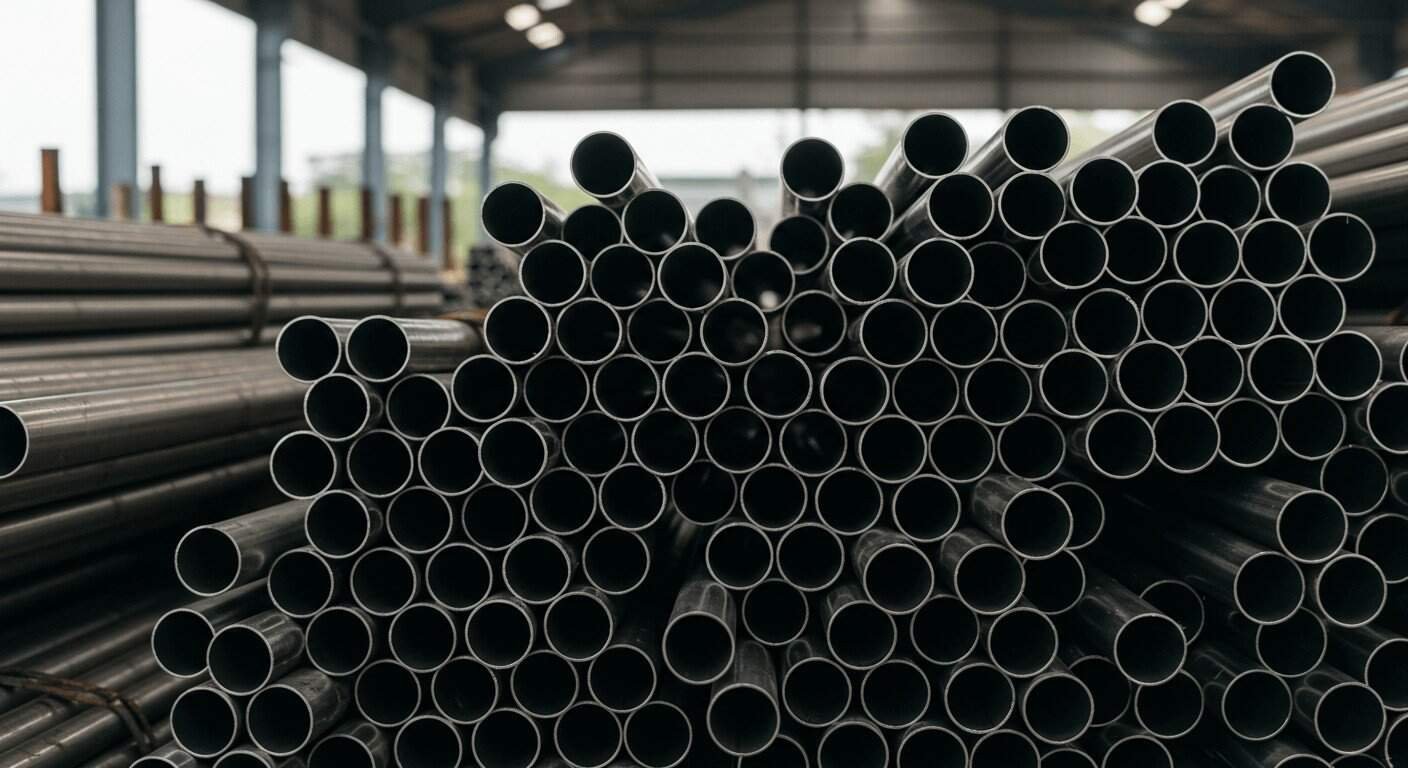
Pipes are needed for mechanical systems, drainage, fire prevention, water supply, and structural support in construction projects. Careful selection is crucial for cost control and safety because different applications call for varied dimensions.
Depending on the application, conventional pipe sizes used in construction typically range from ½ to 12 inches. To choose dimensions that satisfy engineering and construction code standards, contractors often consult a steel pipe sizes table.
While plumbing and fire safety systems usually demand smaller pipes, structural steel buildings frequently use greater diameters for load-bearing applications. Due to its superior resistance to corrosion in outdoor settings, galvanized steel pipe sizes may also be specified in infrastructure projects. Stainless steel pipe diameters offer better hygiene and long-term durability for operations involving food processing or drinking water. As a supplier to clients in Southeast Asia, the Middle East, and South America, we have discovered that knowing regional norms is just as crucial. While some nations adhere to EN, ISO, or JIS standards, others use ASTM specifications. In order to guarantee successful inspections and a seamless project completion, the proper steel pipe dimensions must be chosen in accordance with local laws.
What Steel Pipe Sizes Are Used for Industrial Applications?
Demanding circumstances, such as high pressure, high temperatures, corrosive surroundings, and continuous operation, are common in industrial undertakings. Throughout the system’s service life, ensuring safety, increasing efficiency, and lowering maintenance costs all depend on selecting the proper steel pipe diameters.
The operating pressure, flow rate, temperature, and carried material all influence the optimal steel pipe sizes for industrial uses. Before choosing materials that meet international standards, engineers analyze the size and pressure ratings of steel pipes.
While manufacturing enterprises frequently choose medium-sized pipes for compressed air, cooling water, and steam systems, oil and gas facilities typically need heavier wall pipes to resist high pressure. Because stainless steel offers superior corrosion resistance when handling harsh chemicals, chemical facilities usually favor stainless steel pipe diameters. Carbon steel pipe diameters, on the other hand, are used in many structural and mechanical systems due to their high strength and affordable cost. Galvanized steel pipe diameters offer further defense against corrosion and moisture for outdoor pipelines. To ensure that every pipe provides dependable performance over many years, we constantly advise clients to thoroughly examine their operating conditions before finalizing specifications.
How Do International Standards Define Steel Pipe Sizes?
Standardized specifications are essential to international steel trade because they provide straightforward communication between suppliers, customers, and manufacturers. Comprehending these standards guarantees that goods from many nations continue to be compatible and helps prevent misunderstandings.
By defining outside diameter, wall thickness, material grade, manufacturing process, and testing specifications, international organizations establish standard steel pipe sizes. Purchasers should always confirm that the steel pipe dimensions supplied meet the necessary requirements.
ASTM, ASME, API, EN, ISO, and JIS are a few of the most well-known standards. Different industries and applications are served by each standard. For instance, API requirements are widely employed in the oil and gas sector, whereas ASTM standards are frequently utilized in industrial and building projects. We advise requesting mill test certificates, inspection reports, and dimensional inspection records together with the quotation before making a foreign purchase. It is possible to verify that each shipment satisfies the project’s technical criteria by comparing these documents with a trustworthy steel pipe sizes chart. Additionally, this technique fosters confidence between suppliers and customers and lessens quality issues after delivery.
How Can You Select the Right Steel Pipe Sizes for Your Project?
It takes more than just picking a diameter to choose the right pipe. To provide the best long-term value, a good project strikes a balance between technical performance, safety standards, installation efficiency, and overall project cost.
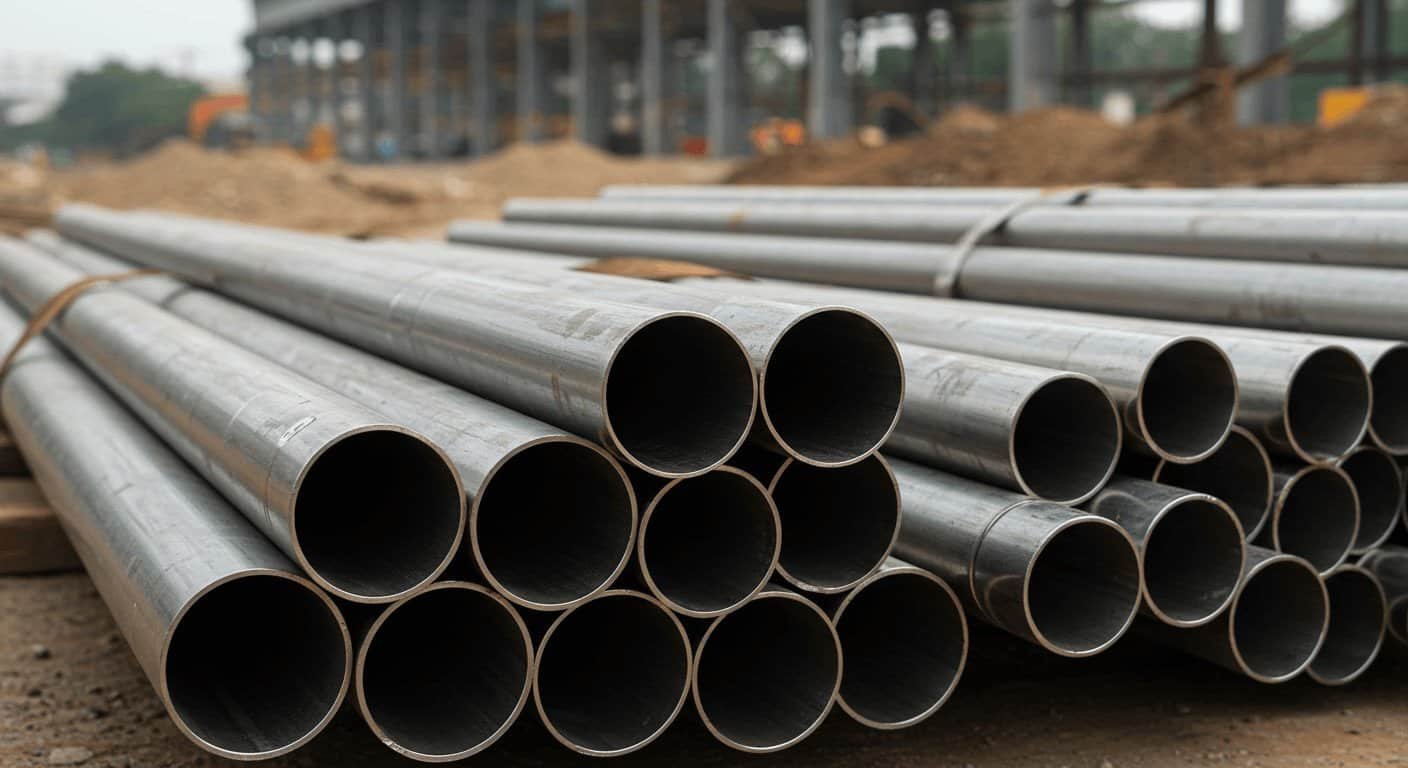
Evaluating the application, pressure, temperature, flow requirements, material type, and relevant standards is the best course of action. Choosing the right steel pipe sizes is made much simpler by comparing conventional pipe sizes with a pipe dimensions table.
Typically, we advise starting with the engineering drawings and verifying the necessary nominal size, schedule, material grade, and surface treatment. Next, find out if the project calls for carbon, mild, stainless, or galvanized steel pipe sizes. Depending on the working environment, each material has a varied set of benefits. Lastly, before manufacturing starts, talk to your supplier about shipping, packaging, quality control, and certification. By following these easy steps, procurement risks are reduced, delivery times are shortened, and every shipment is guaranteed to satisfy customer expectations and technical specifications.
What Common Mistakes Should Buyers Avoid When Choosing Steel Pipe Sizes?
When buying steel pipes, even seasoned consumers occasionally make sizing errors. With careful planning, clear technical communication, and a deep comprehension of international pipe standards, the majority of issues may be avoided.
Typical errors include mistaking nominal size for real diameter, failing to consider wall thickness, disregarding pressure requirements, and choosing materials solely on the basis of cost rather than functionality. Examining a chart of steel pipe sizes greatly lowers these hazards.
Failing to verify relevant standards before to starting production is another common error. A pipe made in accordance with one specification might not meet the requirements of another nation. Additionally, buyers should refrain from presuming without verification that all steel pipe diameters are the same across various standards. Ignoring certification, third-party testing, and quality inspection might also result in unforeseen issues after delivery. Every customer is urged to request dimensional drawings, confirm material certificates prior to shipment, and convey technical details as soon as possible. Investing a little more time in the procurement process frequently avoids costly delays and subsequent replacement expenses.
Where Can You Buy High-Quality Steel Pipe Sizes from a Reliable Supplier?
Just as crucial as choosing the right pipe specifications is finding a reliable provider. Long-term company success is supported by a dependable manufacturer’s constant quality, competent technical assistance, prompt delivery, and attentive after-sales service.
Select vendors who have a track record of successful exports, comprehensive quality certificates, cutting-edge production tools, and stringent inspection protocols. Skilled vendors are aware of common steel pipe sizes and may suggest appropriate steel pipe sizes based on the particular needs of your project.
With over eighteen years of expertise as an exporter, we have provided top-notch steel goods to clients in South America, Southeast Asia, and the Middle East. Carbon steel pipe sizes, galvanized steel pipe sizes, stainless steel pipe sizes, steel coils, and related steel materials produced in compliance with international standards comprise our product line. Before being shipped, every order is put through a rigorous quality examination, and we offer all necessary paperwork, such as inspection reports and mill test certifications. Working with an experienced supplier lowers procurement risks, increases project efficiency, and creates enduring business relationships based on trust and reliable product quality, regardless of whether you need specific specs or large-volume purchases.
Summary
Selecting the appropriate steel pipe sizes enhances cost effectiveness, performance, and safety. For long-term success, thoroughly compare specifications, adhere to international standards, and collaborate with a reliable supplier.