
Using the wrong HS code can delay shipments, increase taxes, and damage profits, leaving importers confused, exposed, and under pressure to find accurate classification fast.
The hs code for galvanized steel coil is determined by base material, coating type, spessore, and form. Importers must match product specifications with international HS and local HTS rules to ensure correct customs clearance, accurate duty calculation, and compliance across different destination countries.
To avoid costly mistakes, importers need to understand how HS codes work in real-world steel trading scenarios.
Which HS Code Is Commonly Used for Galvanized Steel Coil?
Many importers believe that there is just one fixed HS code for galvanized steel coils, but depending on trade procedures and product requirements, multiple codes may be applicable.
Depending on coating, spessore, and steel composition, the most widely used HS code for galvanized steel coil is found in Chapter 72, particularly under categories like 7210 O 7212.
Galvanized steel coil is categorized under the Harmonized System (HS) in international trade, which unifies product classifications worldwide. Chapter 72, “Iron and Steel,” covers the majority of carbon steel galvanized coils. Codes like 7210 are commonly used in this chapter for zinc-plated or coated flat-rolled iron or non-alloy steel items.
But there are differences. Different zinc coating techniques, thin-gauge items, or certain mechanical characteristics may cause the product to fall under a different category. Because of this, terminology like “hs code galvanized coils” O “hts code for galvanized steel coil” may appear differently in different customs documents. Importers should always verify classification using precise product data rather than depending just on historical shipments or conjecture.
What Factors Determine the HS Code for Galvanized Steel Coil?
During clearance and inspections, customs officers carefully consider measurable technical variables that determine the HS classification, which is not random.
Base material, alloy composition, spessore, larghezza, surface coating technique, and whether the product is provided in coils or cut sheets are important considerations.
Steel items are categorized by customs officials using objective standards. The foundation material is important first. Products made of acciaio al carbonio are categorized differently than those made of alloy or acciaio inossidabile. Ad esempio, the HS code for stainless steel coils is distinct from that of galvanized carbon steel and belongs in a different chapter.
Second, classification is impacted by thresholds for thickness and width. Different subheadings may apply to flat-rolled steel that is under or beyond specific thickness restrictions. Third, the coating technique is crucial. Codes like the hot dip galvanized steel coil hs code are directly impacted by the differences between hot-dip and electro-galvanized products.
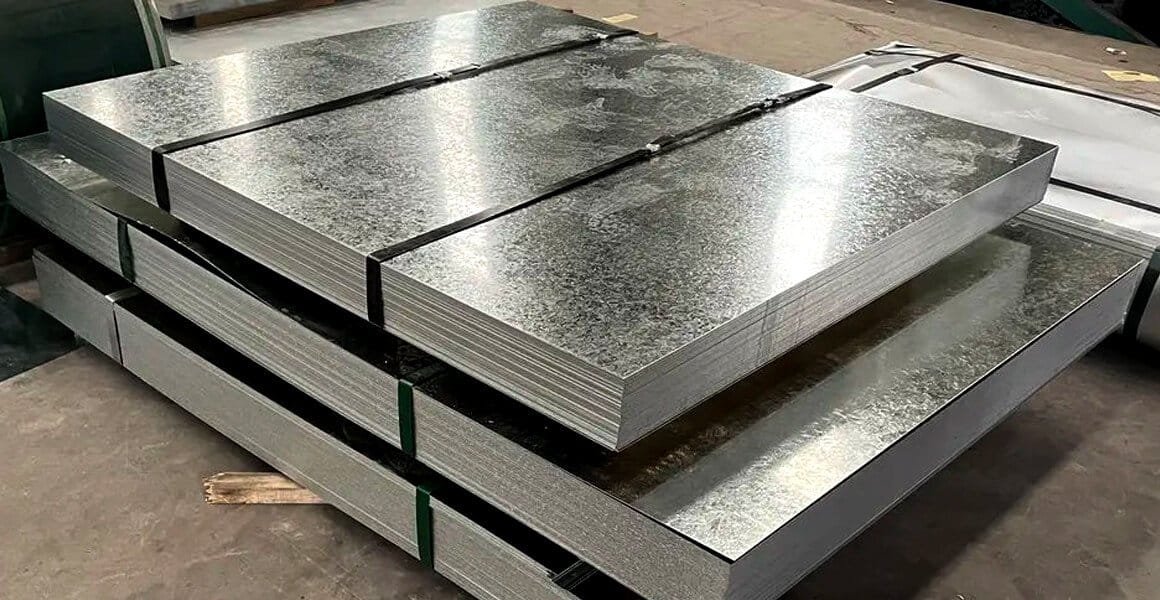
Form is also important. Compared to plates or cut lengths, products supplied in coils are handled differently. The hs code for pre-painted galvanized steel coil and hs code for color-coated galvanized steel coil exist as distinct categories in several tariff schedules because surface treatments like painting or color coating also alter categorization.
How Does an Incorrect HS Code Affect Import Costs and Customs Clearance?
Although using the wrong HS code might seem insignificant, importers frequently face operational, financial, and legal repercussions.
Inaccurate HS codes may result in fines, audits, cargo holds, delays at customs, underpayment or overpayment of duties, and in strict regimes, shipment rejection.
Inaccurate duty calculation is one of the most obvious effects of HS code mistakes. Particularly in areas where steel protection laws are in place, even a slight variation in categorization might have a substantial impact on the appropriate tariff rate. Profit margins and landing costs are directly impacted by this.
When declared HS codes do not correspond with product descriptions, customs officials may operationally flag shipments for scrutiny. One of the main problems for steel importers is the resulting delays, storage costs, and missed peak sales seasons. Customs may start audits in recurring situations, necessitating past paperwork and creating long-term compliance issues.
Accuracy is crucial because misclassification of steel coil hs code items may create concerns about anti-dumping measures for purchasers purchasing from China.
Do Different Countries Use Different HS Codes for Galvanized Steel Coil?
Despite the worldwide nature of the HS system, local customs agencies interpret and apply it in different ways in different nations.
While the first six digits of HS codes are uniform worldwide, further digits differ by nation, resulting in distinct local classifications and duty results.
The first six digits of HS codes are standardized globally thanks to the Harmonized System. For the purpose of national tariffs, nations do, however, expand these codes. Ad esempio, the US, Brazil, and Mexico all use extra digits above the global HS level.
Because of this, importers frequently notice discrepancies between the local HTS classification used by destination customs and the hs code for galvanized steel coil in export paperwork. While national tariff lines may have an impact on import taxes and VAT in South American nations, the HTS code governs ultimate duty rates and admissibility in the United States.
Rather of depending only on supplier documents, seasoned importers carefully verify the local categorization.
How Can Importers Verify the HS Code with Suppliers Before Shipping?
Prior to manufacturing, HS code verification should begin, and it should continue through logistical planning and documentation.
Technical datasheets, mill certificates, proforma invoices, E, if required, pre-classification discussions should be used by importers to verify HS codes.
Early verification is the best strategy to prevent HS code conflicts. Complete technical parameters, such as thickness, larghezza, zinc coating weight, and mechanical qualities, should be requested by importers. For prime hot-dipped galvanized steel coils, these specifics enable precise classification under codes like the HS code.
Consistency is required in commercial documents. The bill of lading, packing list, and commercial invoice should all have the same HS code as the product descriptions. The risk of an inspection is increased by each mismatch.
Importers may seek advance rulings or engage customs brokers for large or frequent shipments. Clearance delays and compliance concerns are greatly decreased by this proactive strategy.
What Documents Are Required to Support the HS Code for Galvanized Steel Coil?
To determine whether a declared HS code appropriately represents the imported products, customs officers rely on paperwork.
Commercial invoices, packing lists, mill test certificates, product specifications, and contracts demonstrating intended use are important supporting papers.
A key component of HS code validation is documentation. The product must be described in detail on the commercial invoice, including the form, coating technique, and material grade. Consistent quantities and packaging information should be included in packing lists.
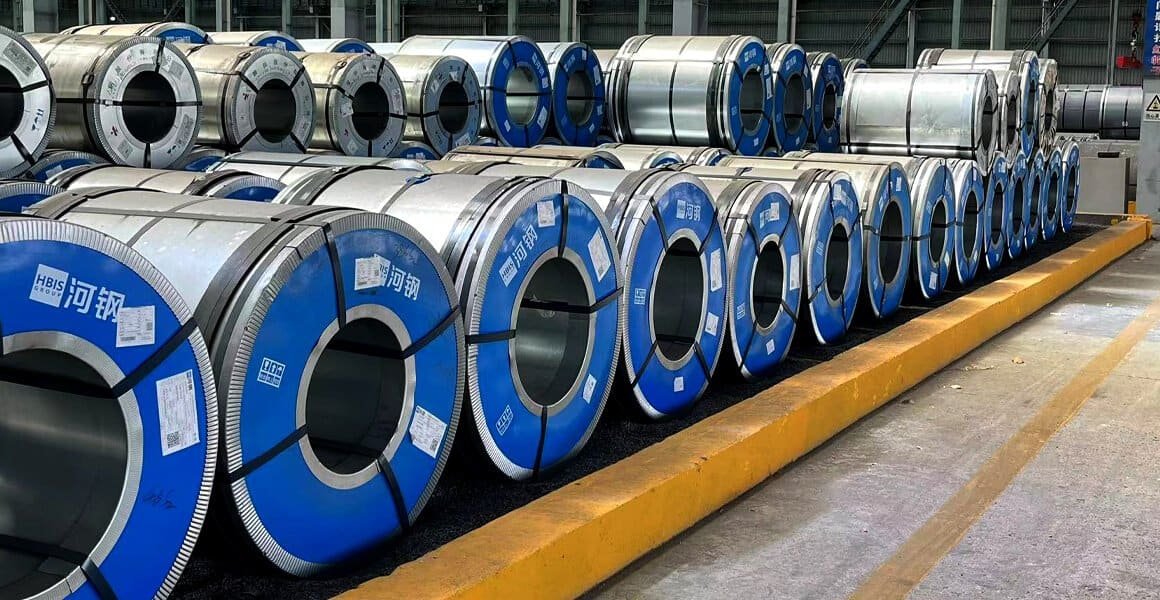
For steel goods in particular, Mill Test Certificates (MTCS) are crucial. They facilitate accurate classification and distinguish galvanized carbon steel from goods falling under hot rolled steel coil hs code categories by providing mechanical characteristics and chemical composition.
During customs audits, other papers like production flow descriptions or technical datasheets could be needed. In addition to expediting approval, well-prepared documentation enhances importer trust.
How Does Coating Type Affect the HS Code for Galvanized Steel Coil?
Customs classification requirements do not apply to all galvanized coatings.
Due to differences in coating thickness and manufacturing techniques, hot-dip galvanized, electro-galvanized, and color-coated items are categorized differently.
One of the most misinterpreted aspects of HS categorization is the coating technique. Steel is submerged in molten zinc during hot-dip galvanizing, which produces coatings that are thicker and more resilient. Products covered by the hot dip galvanized steel coil HS code frequently receive different tariff treatment than their electro-galvanized counterparts.
Another level of complication is added by galvanized coils that have been color-coated or pre-painted. The hs code for color-coated galvanized steel coil and the hs code for pre-painted galvanized steel coil are crucial distinctions since the product may move into a different classification after painting.
To prevent disagreements during customs inspections, importers must make sure coating descriptions are precise and consistent across papers.
Can the HS Code for Galvanized Steel Coil Impact Anti-Dumping Duties?
When deciding whether steel products are subject to countervailing or anti-dumping duties, HS codes are crucial.
Since anti-dumping regulations frequently apply to certain HS codes, precise classification is essential to preventing unforeseen and significant duty penalties.
Steel imports from particular countries are subject to anti-dumping duties in many nations. HS codes are used to enforce these regulations. A shipment may inadvertently come under the purview of an anti-dumping order if it is incorrectly classified.
Ad esempio, in markets like Brazil or the US, specific HS codes for types of galvanized steel may be subject to additional duties. Inaccurate disclosures may lead to shipment confiscation, penalties, or retroactive duty charges.
Importers should keep a careful eye on announcements of trade remedies and make sure that claimed HS codes correspond with the actual goods and the regulatory scope.

What Are Common HS Code Mistakes Importers Make with Galvanized Steel Coil?
When categorizing shipments of galvanized steel coils, even seasoned importers make preventable errors.
Copying supplier HS codes, disregarding coating variations, misreporting thickness, and neglecting to verify local tariff extensions are typical mistakes.
Assuming the supplier’s HS code is always accurate is a common error. Export codes that don’t fit the importer’s local HTS criteria are frequently declared by suppliers. Ignoring coating variations, which can drastically change classification, is another mistake.
Misclassification also results from intentional or unintentional thickness misstatements. Inoltre, importers occasionally mistake hot rolled steel coil hs code categories for galvanized products, which can lead to difficulties with customs.
It involves technical knowledge, attention to detail, and proactive engagement with suppliers and customs experts to avoid these errors.
Does the HS Code for Galvanized Steel Coil Influence Import Taxes and Final Pricing?
Duty rates, taxes, and eventually the total cost of imported steel items are all directly impacted by HS codes.
Accurate classification is crucial for cost control, pricing strategy, and profit planning because different HS codes have varied duty rates.
HS codes are used to compute import taxes. Significant cost variations might result from a minor classification adjustment, particularly for large-volume steel shipments. Pricing strategies in downstream markets are directly impacted by this.
Accurate HS classification aids in forecasting landed costs, negotiating better supplier terms, and setting competitive resale prices for traders who buy from China and sell in South America. Misclassification may result in unanticipated losses or reduce margins.
Comprehending HS codes is a strategic pricing tool as well as a compliance responsibility.
Riepilogo
Accurate HS classification is crucial for lucrative and legal galvanized steel coil dealing since it lowers risk, manages expenses, and guarantees seamless customs clearance.