
What Is the Aluminum Coil Manufacturing Process and How Are Aluminum Coils Made?
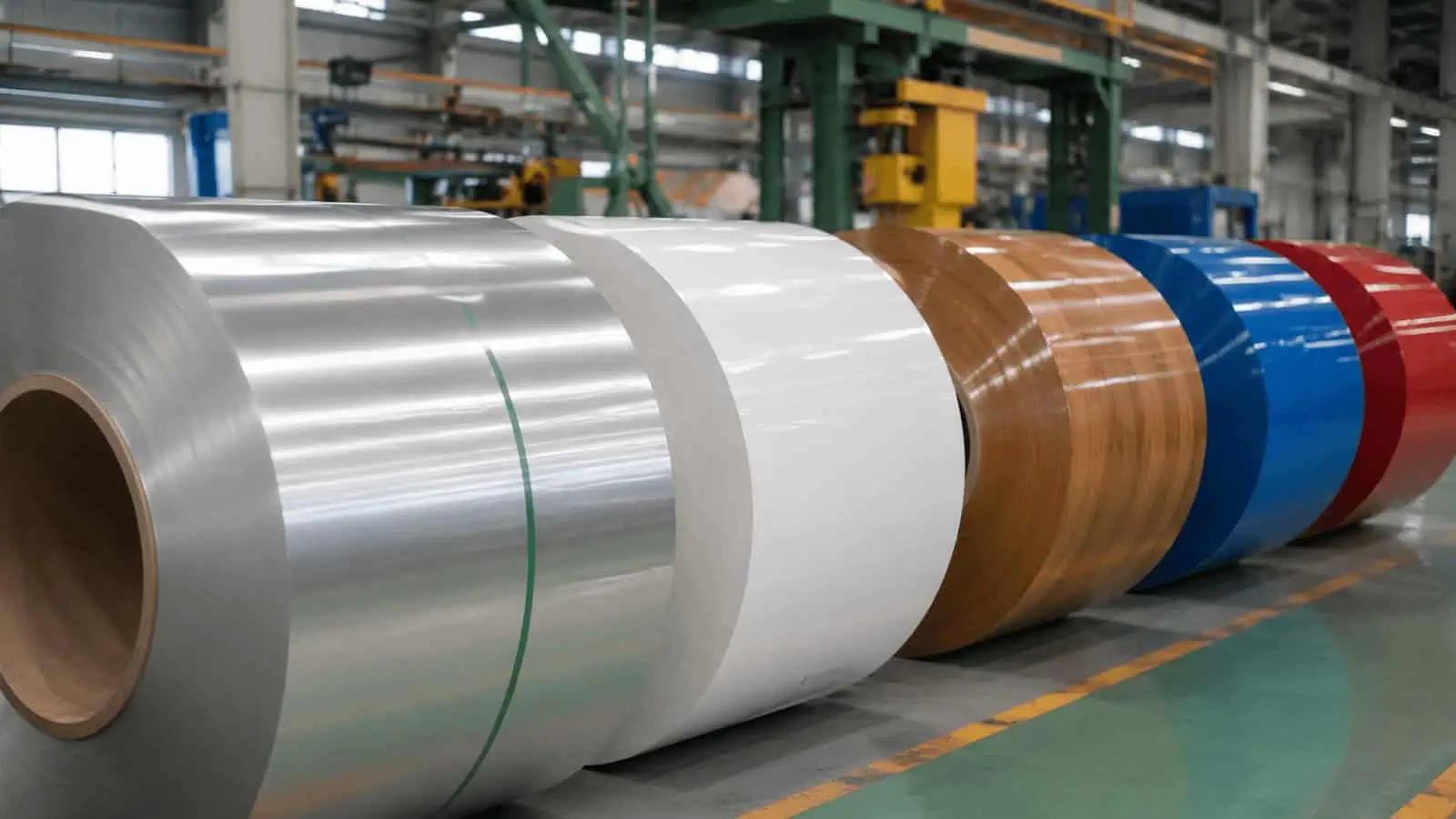
Buying aluminum coil without understanding production can lead to inconsistent quality, hidden costs, and delivery problems. I’ll explain the process so you can source with confidence. The aluminum coil manufacturing process typically includes melting and alloying, casting, hot rolling, cold rolling, heat treatment, surface finishing, ispezione, and final coiling. Each stage controls the alloy composition, […]
What Are the Galvanized Coil Advantages for Steel Importers?
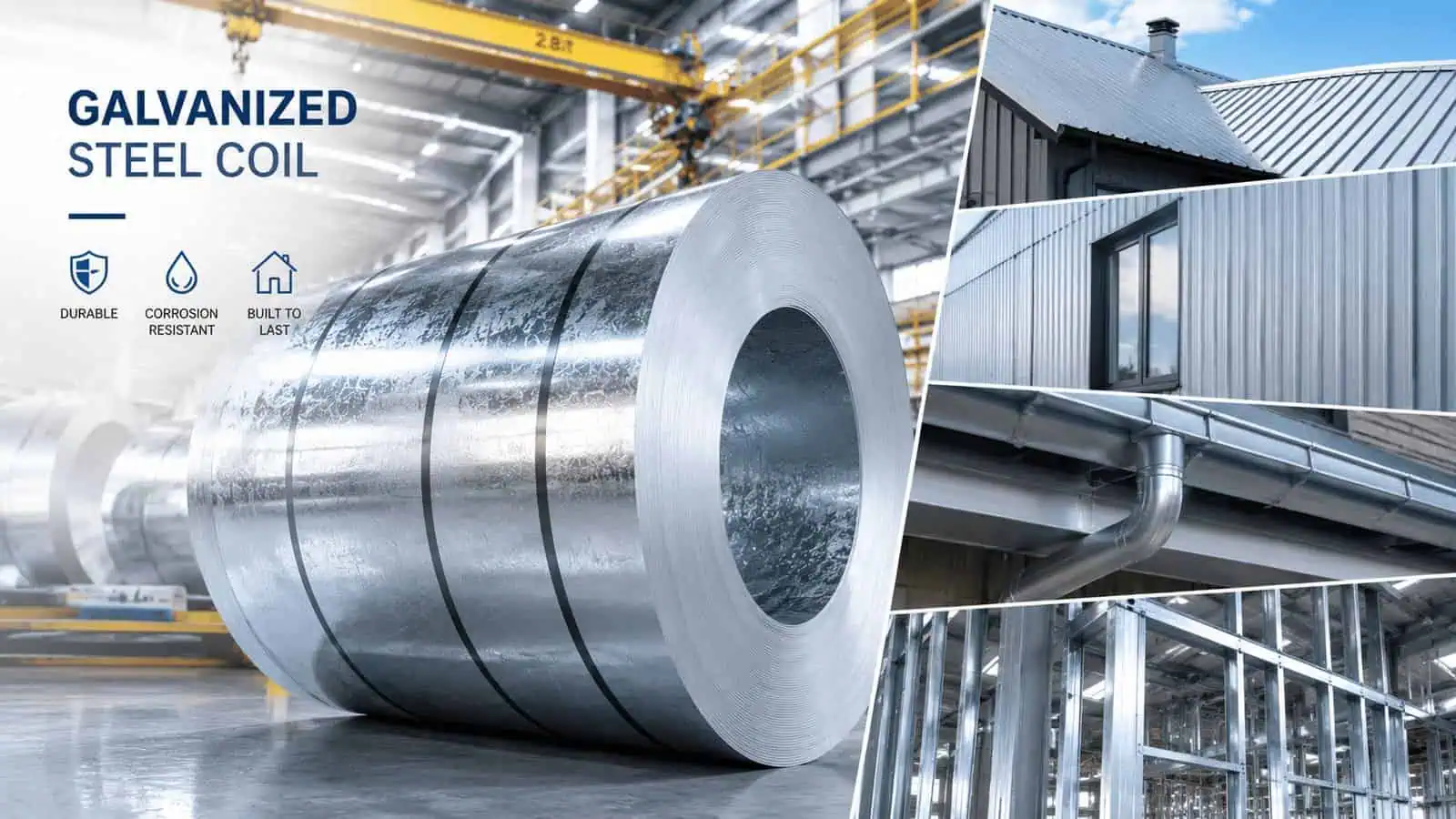
Rust, inconsistent quality, and unexpected replacement costs can hurt steel importers. Choosing the right galvanized coil can reduce these risks while giving customers durable, versatile steel. The main galvanized coil advantages are strong corrosion resistance, durata, low maintenance, versatile applications, and long-term value. A zinc coating protects the steel substrate from corrosion, making galvanized steel coil […]
What Is Stainless Steel Coil and How Should You Choose the Right One?
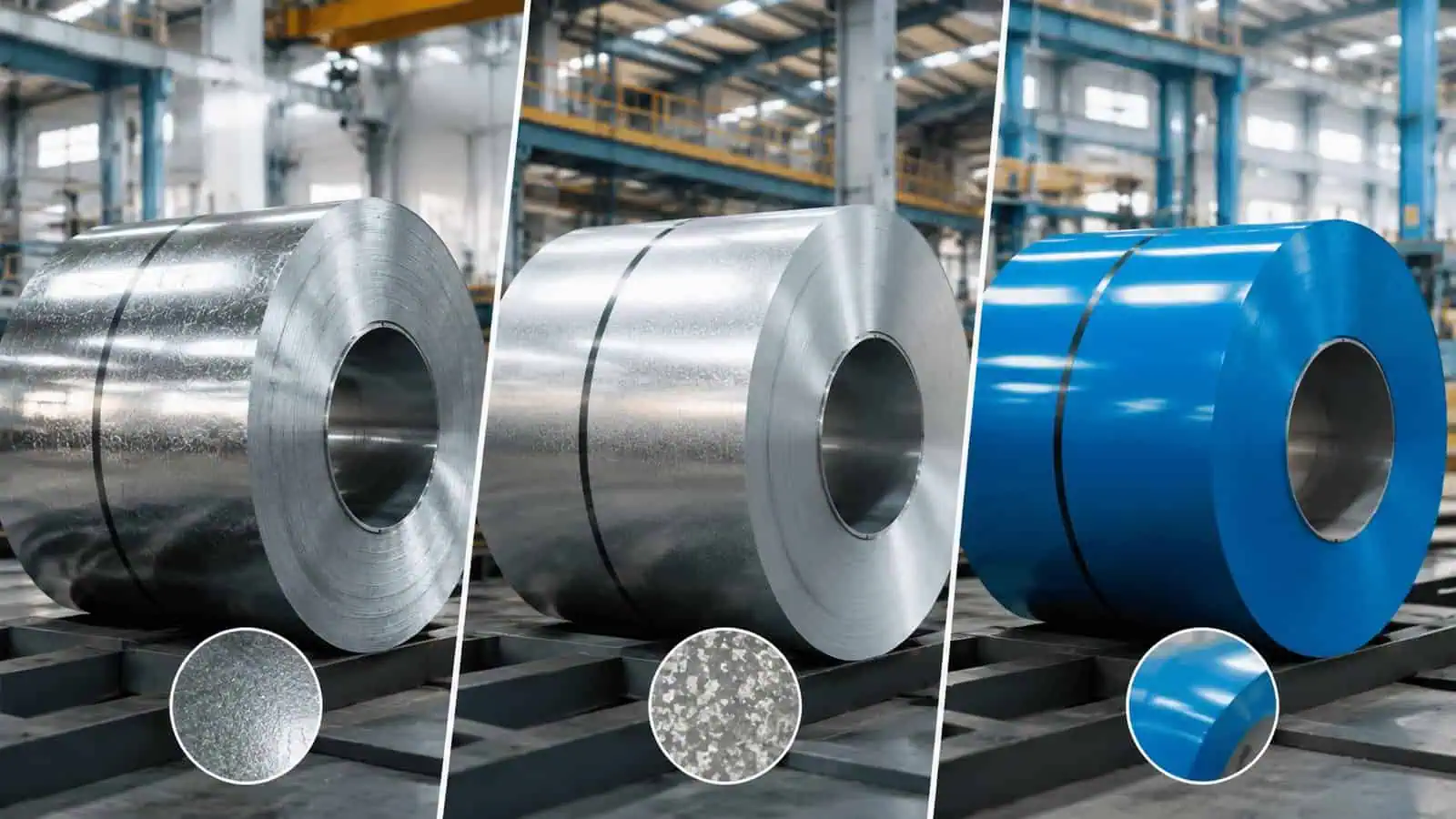
Choosing the wrong coil can cause corrosion, processing problems, and unnecessary costs. Understanding grades, specifiche, applicazioni, and quality helps you select stainless steel with confidence. What is stainless steel coil and how should you choose the right one? Stainless steel coil is a continuous, flat-rolled stainless steel product wound into a roll for efficient storage, […]
How Carbon Steel Coil Is Made: What Should Buyers Know About the Manufacturing Process?

Poor-quality coils can cause production delays, spedizioni rifiutate, and lost sales. By understanding how carbon steel coils are made, we can evaluate suppliers more confidently. How carbon steel coil is made? Carbon steel coils are made by melting iron-based raw materials, adjusting the chemical composition, continuously casting molten steel into slabs, reheating and hot rolling […]
What Is Steel Coil and Why Is It Important for Global Industries?
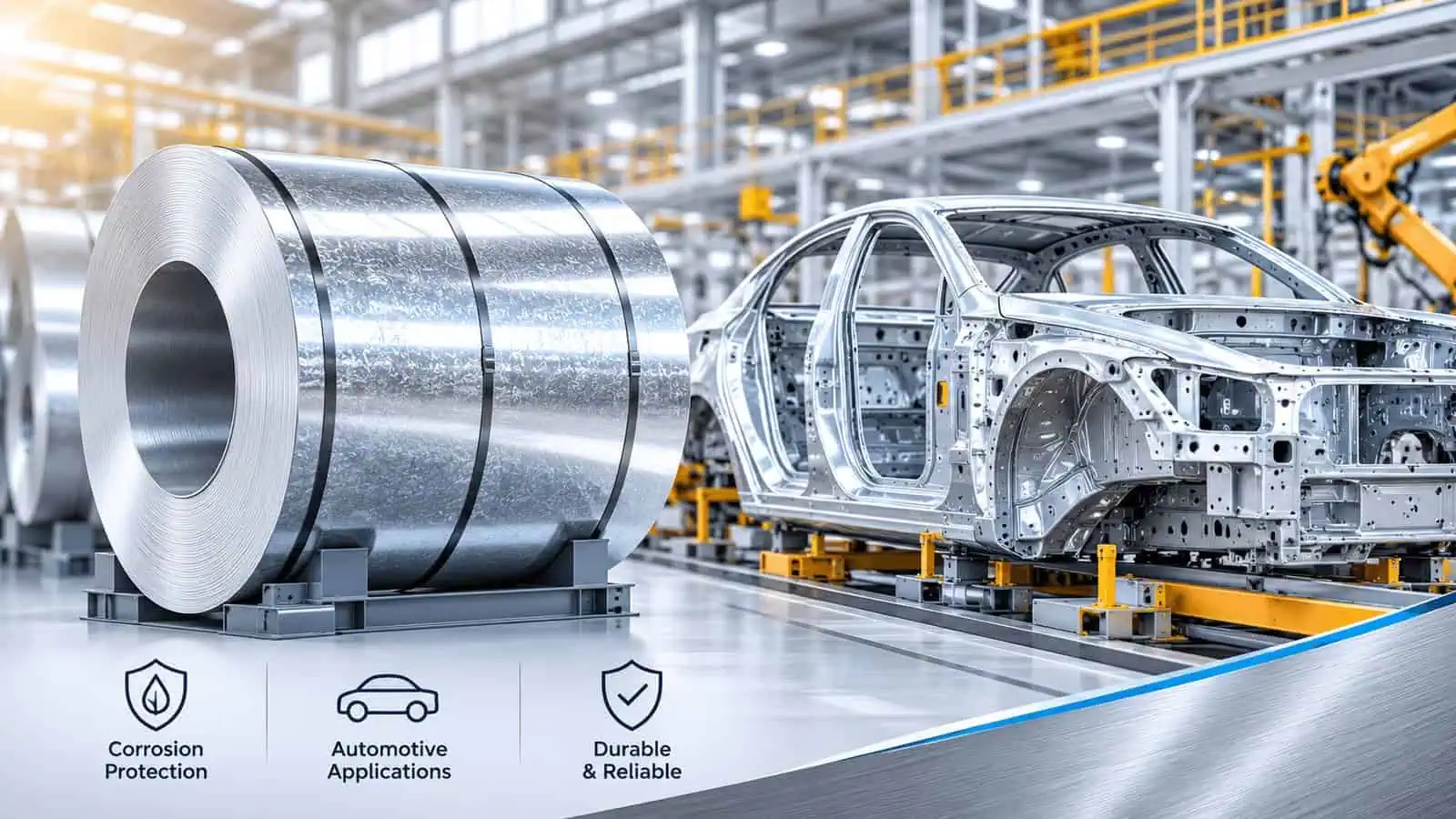
Many buyers struggle with steel coil selection, causing quality risks and shipment delays. Understanding steel coil basics helps companies source better products and protect profits. What is steel coil and why is it important for global industries? A steel coil is a flat steel product rolled into a coil shape for easier transportation, magazzinaggio, E […]
Does Galvanised Steel Ever Rust?

Many buyers worry that rust can damage galvanised steel projects, causing extra costs and delays. Understanding corrosion risks helps you choose the right steel solution. Does galvanised steel ever rust? Galvanised steel can rust when the zinc coating is damaged, removed, or completely consumed by harsh environments. Tuttavia, the zinc layer protects the steel through […]
What Is the Diameter of Steel Bars Available in Market for Different Construction Applications?
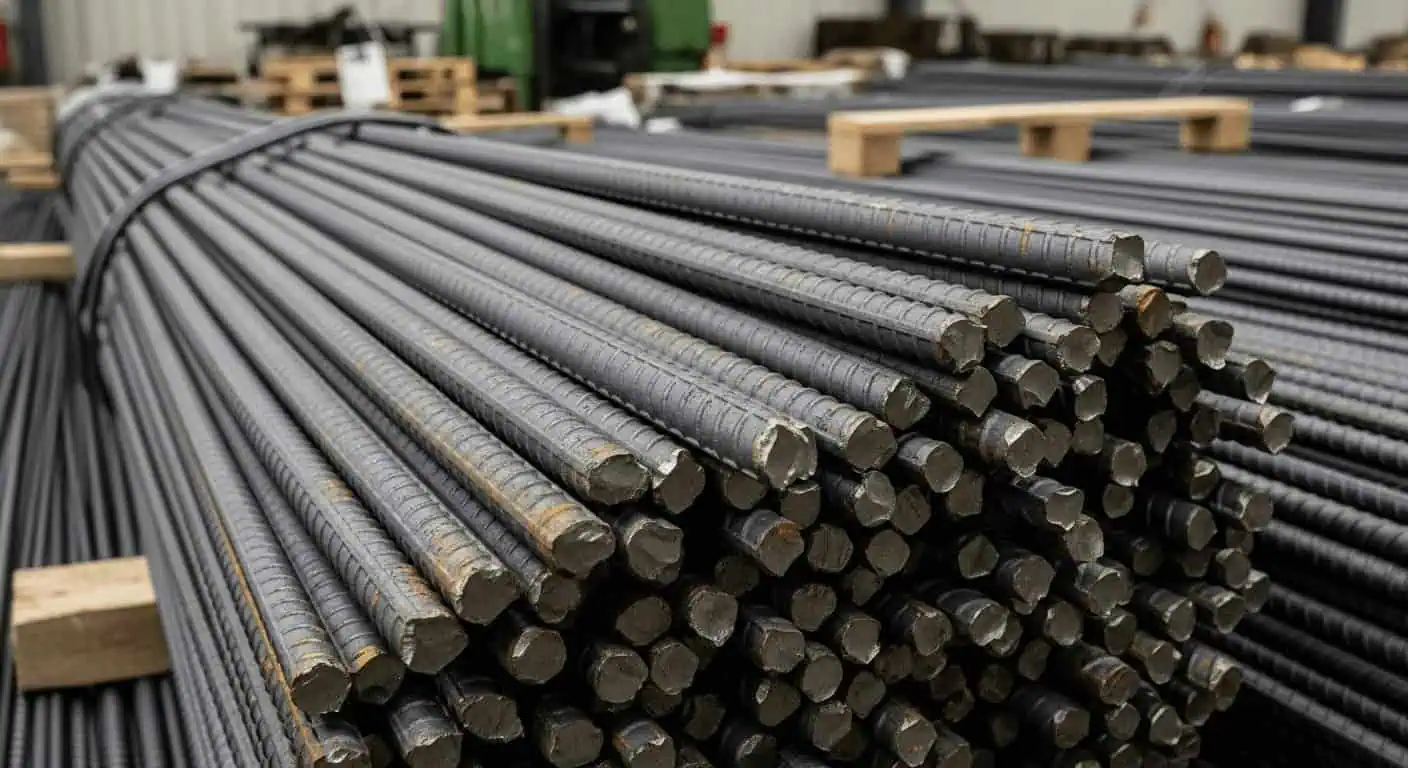
Choosing the wrong steel bar size can increase costs and risk construction failures. I will explain available diameters, applicazioni, and selection tips for safer purchasing decisions. What is the diameter of steel bars available in market for different construction applications? The diameter of steel bars available in the market usually ranges from 6 mm a […]
How Can I Choose the Right Aluminum Tubing Sizes for My Project?
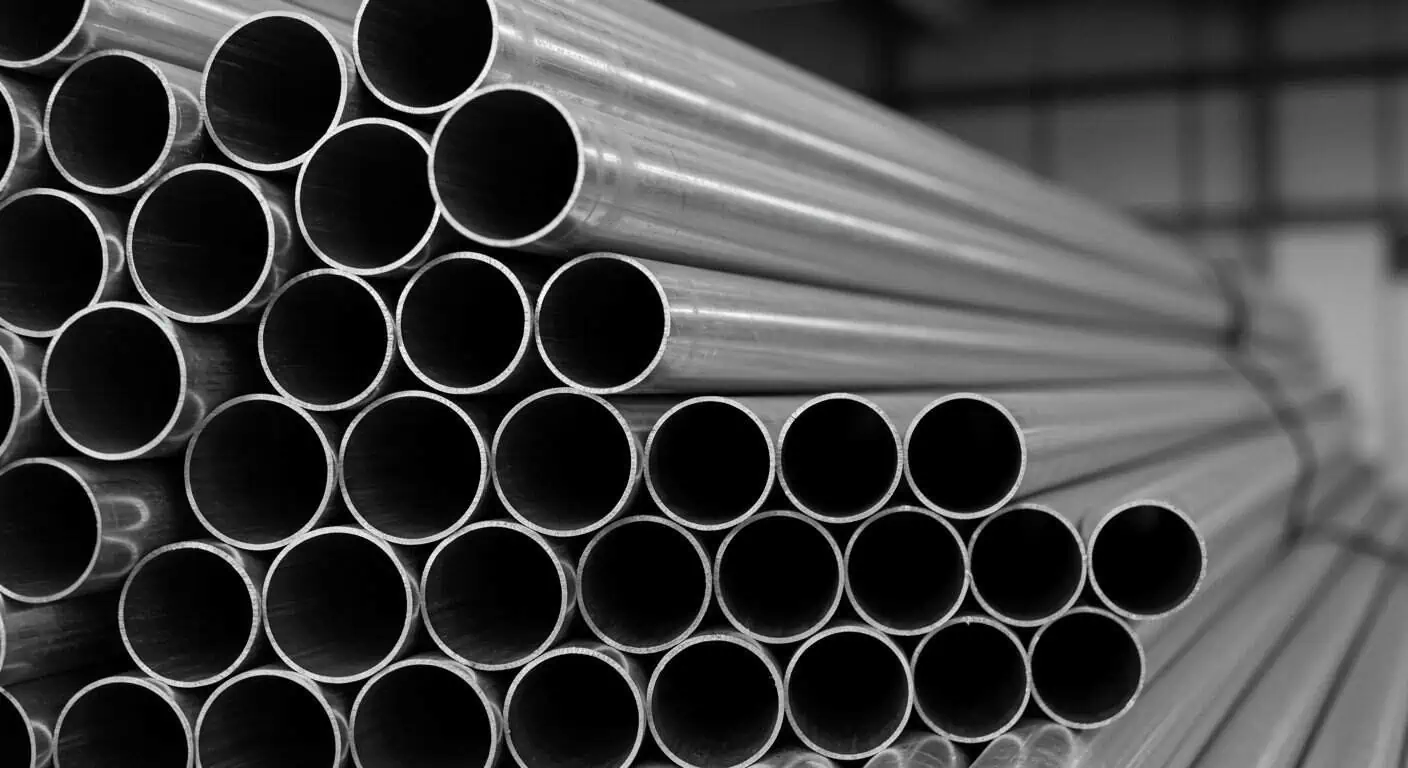
Choosing wrong aluminum tubing sizes can increase costs, delay projects, and create quality risks. I will explain how to select the right options confidently. Choosing the right aluminum tubing sizes requires checking dimensions, application requirements, forza, peso, and supplier reliability. Buyers should compare standard specifications, review material certificates, and confirm production capabilities before ordering. UN […]
What Is Galvanized Coil And Why Is It Widely Used in Industrial Applications?
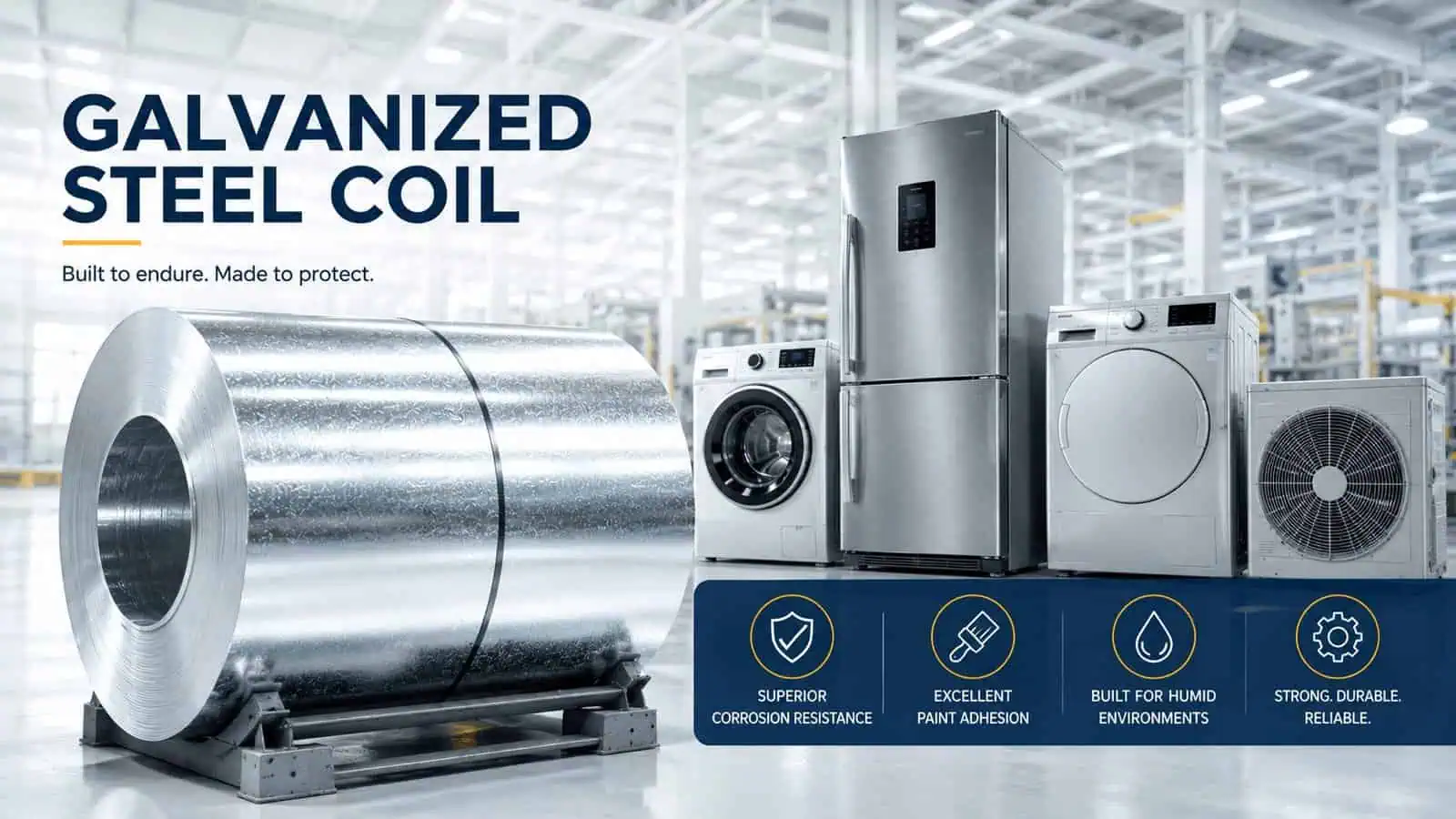
Many steel buyers struggle to find durable materials with stable quality and reasonable costs. Choosing the wrong steel can increase maintenance expenses and delay projects. What is galvanized coil? Galvanized coil is a steel coil coated with a protective zinc layer to prevent corrosion. It combines strength, durata, and cost efficiency, making it widely used […]
What Should I Know Before Ordering Steel Bar Sizes in mm for Export?
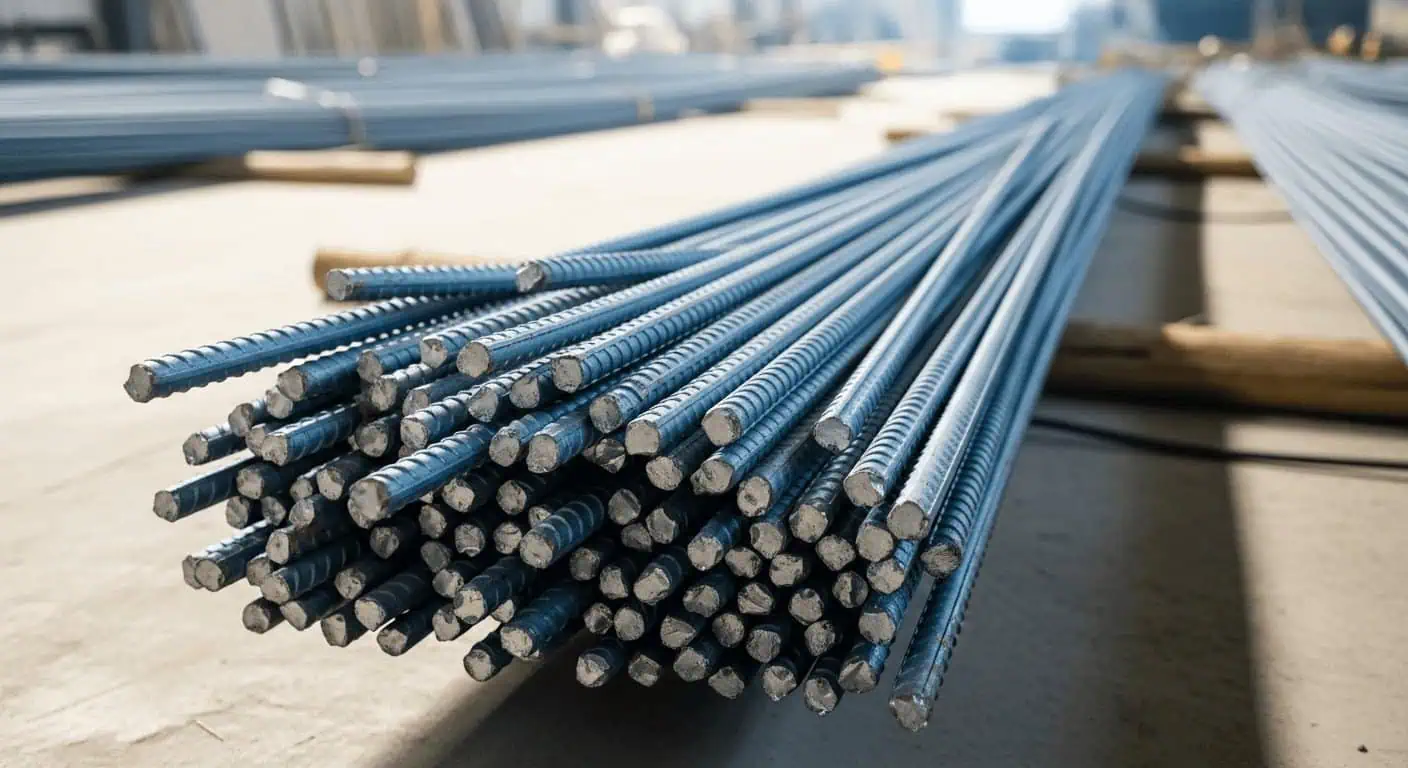
Buying steel bars internationally can be challenging when sizes, qualità, and delivery risks are unclear. The right knowledge helps importers avoid costly mistakes. What should I know before ordering steel bar sizes in mm for export? Before ordering steel bar sizes in mm for export, buyers should confirm specifications, steel grades, quality certificates, packaging requirements, E […]
Where to Buy Steel Plate for Reliable Quality and Competitive Prices?
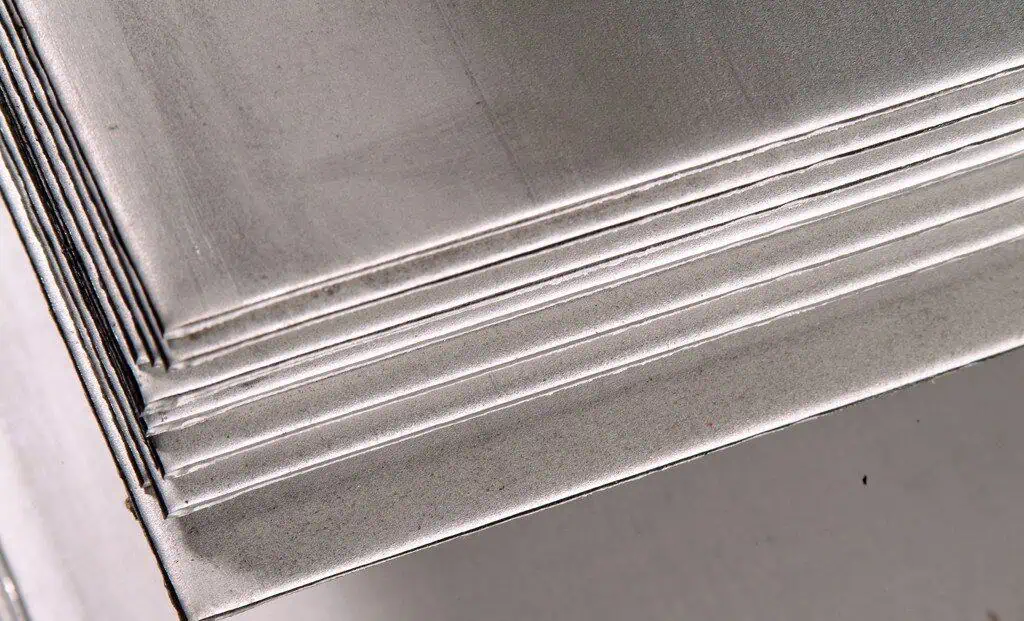
Finding reliable steel plate suppliers is difficult. Poor quality materials and delayed shipments can hurt your business. I will show you a safer sourcing solution. Where to buy steel plate for reliable quality and competitive prices? You can buy steel plate from experienced manufacturers, esportatori, and trusted B2B suppliers. The best choice is a supplier […]
How Do You Choose the Right GI Sheet Weight for Your Project?
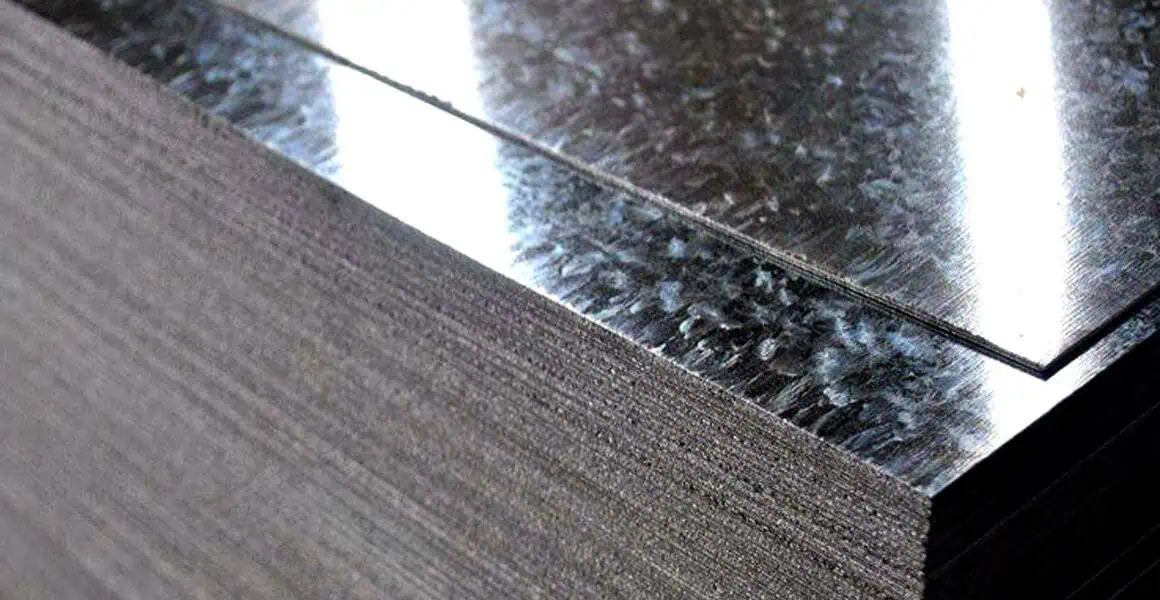
Buying the wrong GI sheet can increase costs, delay delivery, and reduce quality. Understanding GI sheet weight helps you make smarter purchasing decisions. The correct GI sheet weight depends on sheet thickness, larghezza, lunghezza, steel density, and zinc coating. Buyers can calculate weight using a standard formula or a reliable gi sheet weight calculator. Always verify […]
What Is the Advantage and Disadvantage of Steel?
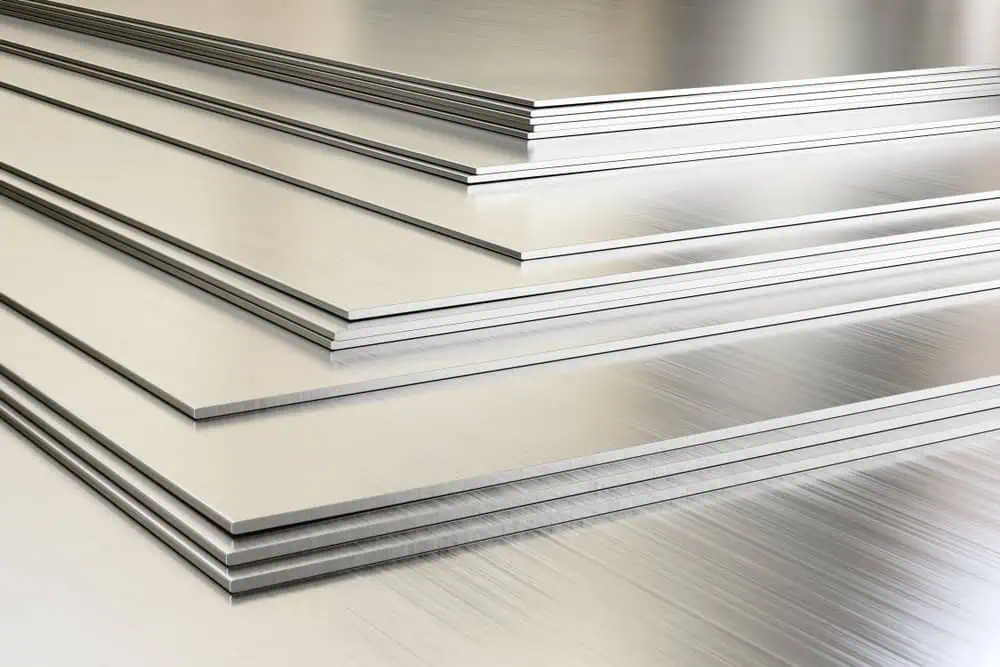
Choosing steel without understanding its strengths and weaknesses can increase costs and risks. Learn how to make smarter purchasing decisions with this comprehensive guide. The advantage and disadvantage of steel depend on its type and application. Steel offers high strength, durata, recyclability, and cost efficiency, but it may corrode, weigh more than alternative materials, E […]
When to Use I-Beam and H-Beam? How Do You Choose the Right Structural Steel Beam?

Choosing the wrong steel beam can increase costs, reduce structural safety, and delay projects. Understanding the right beam helps you build stronger, più sicuro, and more efficiently. The answer to when to use I-beam and H-beam depends on structural requirements. I-beams are ideal for lighter loads, shorter spans, and cost-sensitive projects, while H-beams provide greater strength, stabilità, […]
What Are the Different Types of Steel Used in Construction and How Do You Choose the Right One?
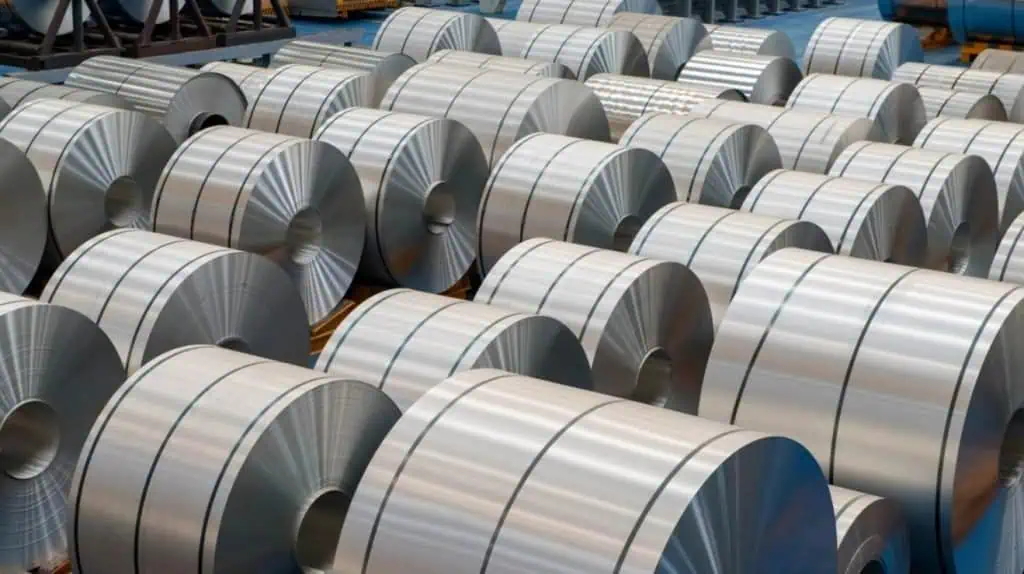
Choosing the wrong steel can increase construction costs, delay projects, and reduce safety. I will explain how to select suitable steel for stronger, longer-lasting buildings. The main different types of steel used in construction include carbon steel, acciaio inossidabile, acciaio zincato, acciaio strutturale, and high-strength steel. The right choice depends on strength requirements, Resistenza alla corrosione, […]
Come scegliere lo spessore della lamiera di alluminio giusto per il tuo progetto?
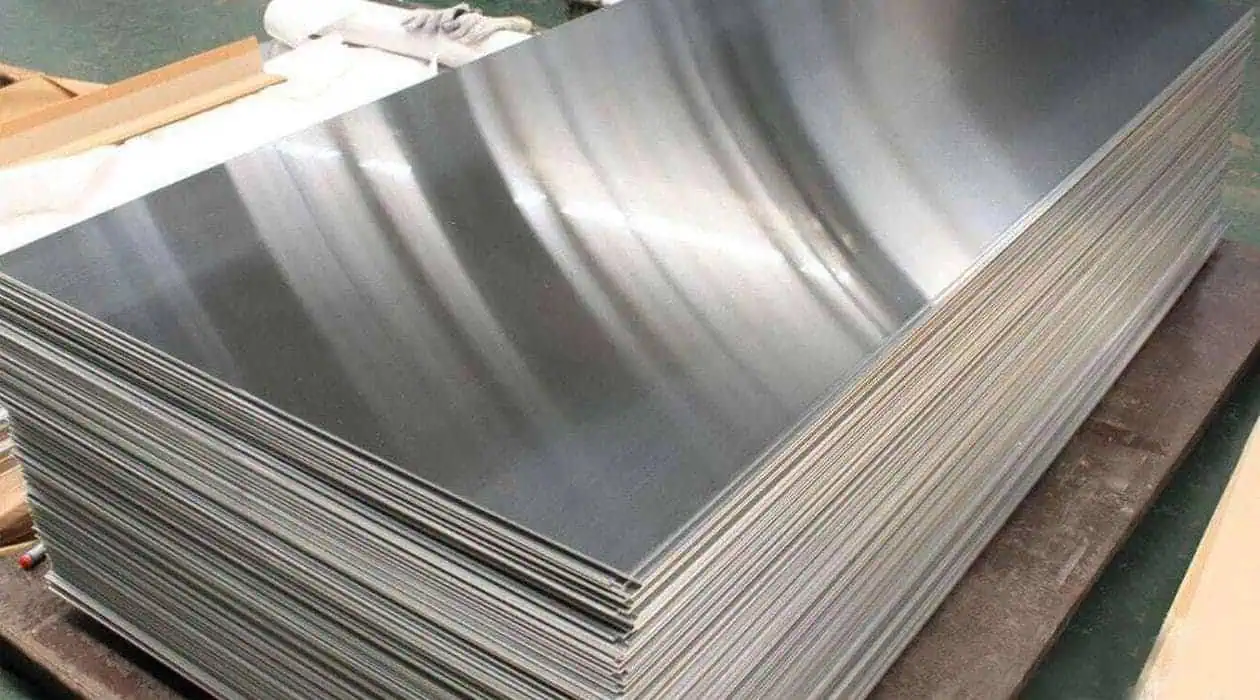
La scelta dello spessore sbagliato della lamiera di alluminio aumenta i costi, provoca problemi di fabbricazione, e riduce la vita del prodotto. Questa guida ti aiuta a prendere la decisione giusta. Il giusto spessore della lamiera di alluminio dipende dalla vostra applicazione, forza richiesta, peso, processo di fabbricazione, Resistenza alla corrosione, e standard di settore. Confronto delle specifiche, comprendere le tolleranze, e la selezione della lega adeguata garantisce prestazioni migliori, […]
Cos'è l'acciaio con trave ad H e come scegliere quello giusto per il tuo progetto?
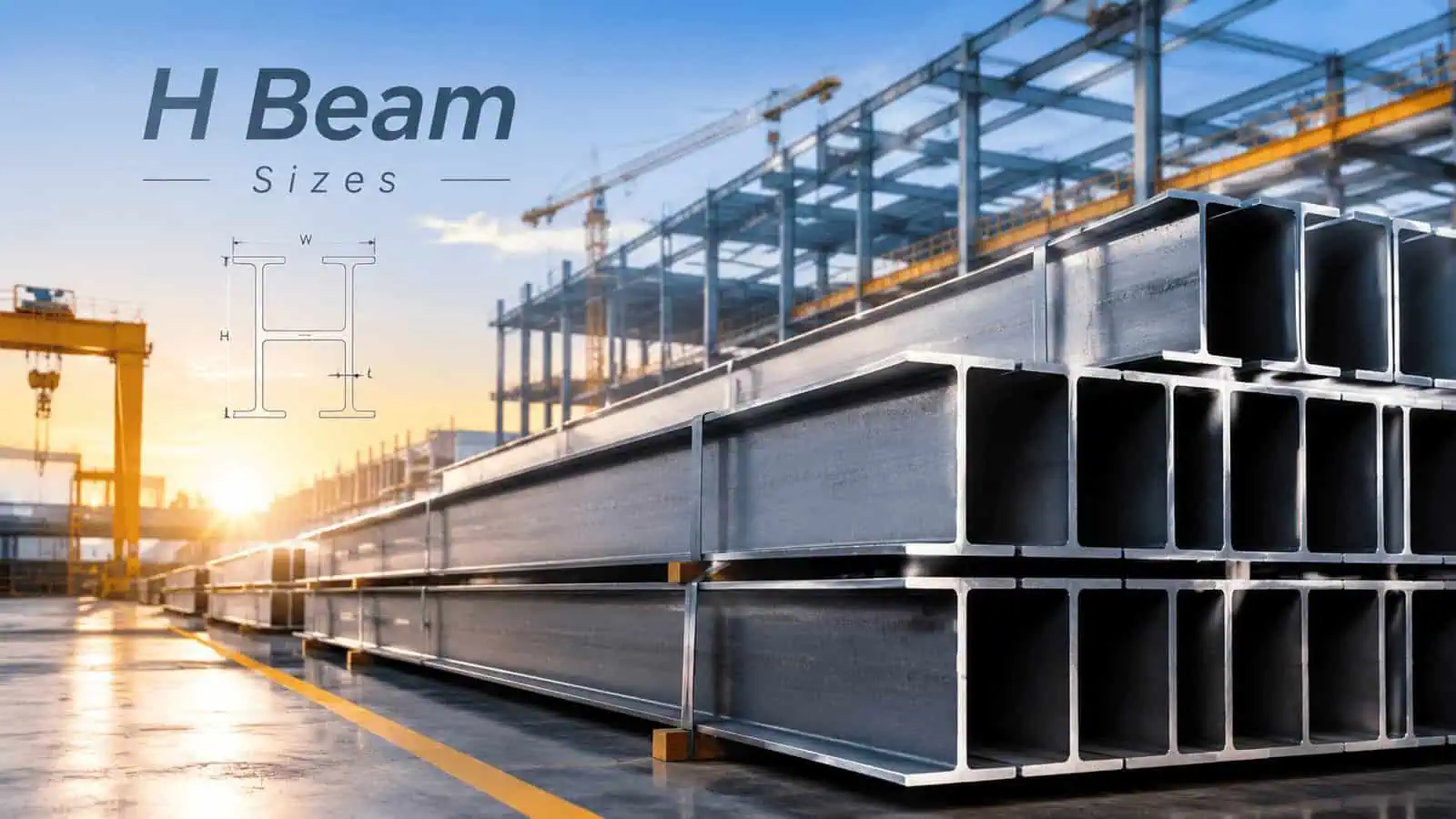
La scelta dell’acciaio strutturale sbagliato aumenta i costi, ritarda i progetti, e crea rischi per la sicurezza. Comprendere l'acciaio per travi ad H ti aiuta a prendere decisioni sicure in materia di acquisto e progettazione. Cos'è l'acciaio per travi ad H e come scegliere quello giusto per il tuo progetto? L'acciaio con trave ad H è una trave in acciaio strutturale con larghezza, parallel flanges and an H-shaped cross-section that provides […]
Perché l'armatura non arrugginisce? Cosa protegge l'armatura in acciaio dalla corrosione e quando può cedere?
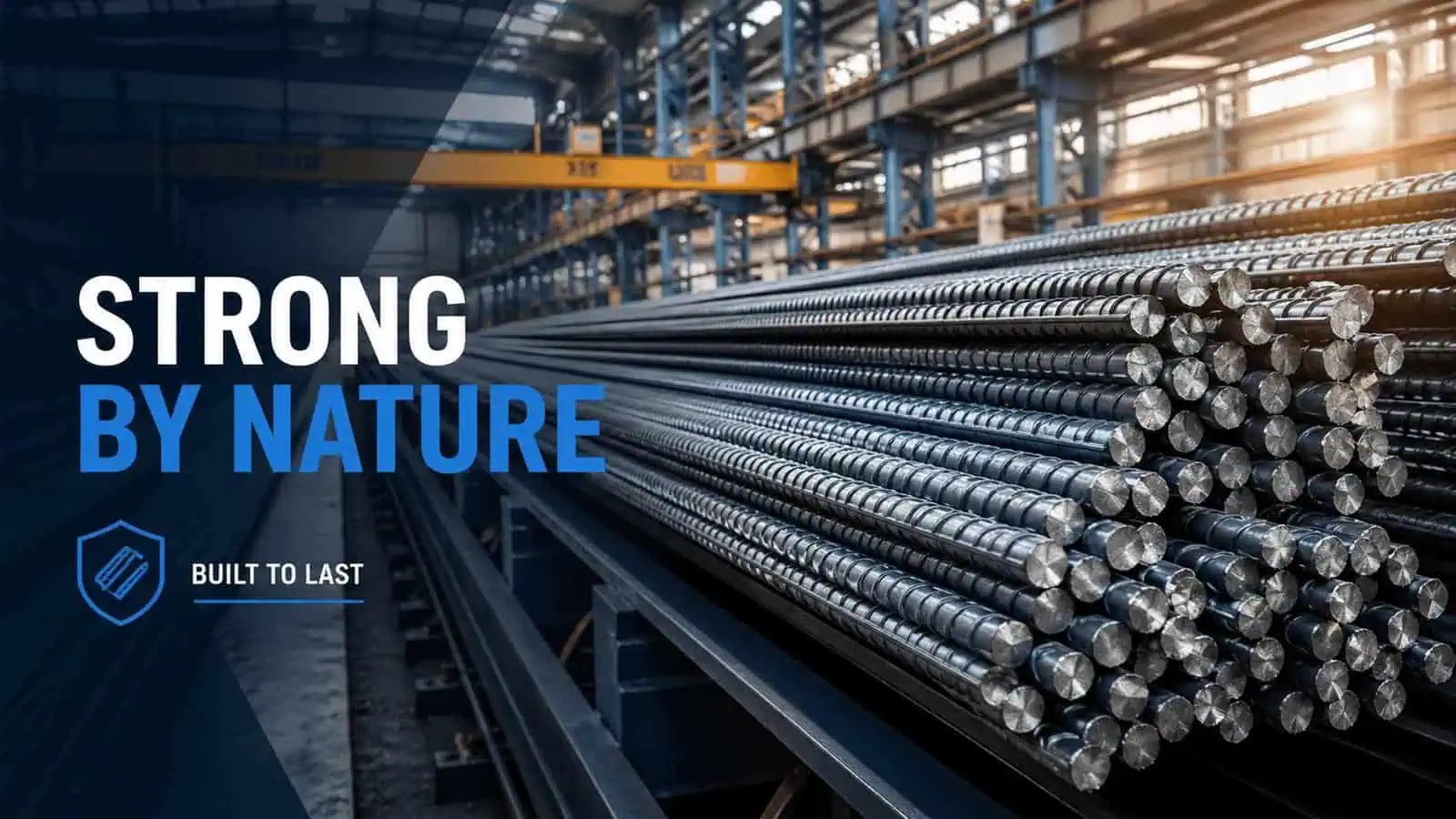
L'acciaio dovrebbe arrugginirsi, tuttavia le strutture in cemento armato spesso durano decenni. Perché? Comprendere la scienza alla base della protezione delle armature aiuta a prevenire costosi cedimenti strutturali. Perché l'armatura non arrugginisce? L'armatura rimane protetta perché il calcestruzzo fresco crea un ambiente altamente alcalino che forma uno strato di ossido passivo sulla superficie dell'acciaio. Tuttavia, contaminazione da cloruro, carbonatazione, umidità, and cracks can destroy […]