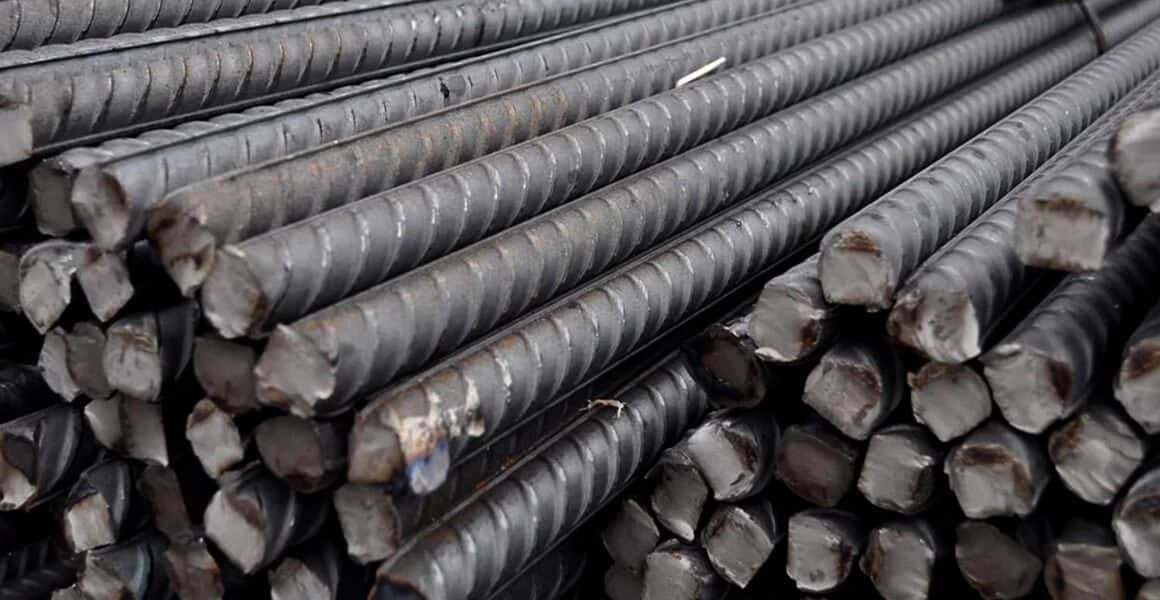
Poor-quality rebar risks structural failure and costly delays. Many buyers struggle with unreliable suppliers. Rebar HRB400E offers a safer, stronger solution for modern construction needs.
Rebar HRB400E is a high-strength rebar with a 400 MPa yield strength, designed for earthquake-resistant rebar applications. It offers excellent ductility, bending performance, e durata, making it ideal for reinforced concrete steel structures, large infrastructure, and high-safety construction projects worldwide.
Ora, let’s break down why HRB400E is widely trusted in global construction projects.
What Is Rebar HRB400E?
The many grades of rebar confuse a lot of new purchasers in the construction steel material market. Knowing what rebar HRB400E is will help you avoid expensive mistakes and make better purchases.
A kind of deformed steel bar with a 400 MPa yield strength is called “rebar HRB400E.” It is especially made for steel constructions made of reinforced concrete that need to be safer, more ductile, and perform better under stress.
Practically speaking, HRB400E is a type of high-strength rebar that is frequently utilized in building. The ribbed surface ensures structural stability by strengthening the bond with concrete. It offers greater load-bearing capacity and a longer service life than inferior materials. For more technical information, see industry standards such as HRB400E specifications. For buyers like Tony, this means fewer risks and better long-term returns.
What Does the “E” Mean in Rebar HRB400E?
Buyers frequently inquire about the significance of the “E” In rebar HRB400E. In realtà, a significant performance differential is represented by this little letter.
Earthquake resistance is represented by the letter “E” in rebar HRB400E. During earthquake activity, the steel rebar can absorb energy and bend without breaking because to its increased ductility and toughness.
This feature is critical in modern construction, especially in regions prone to earthquakes. The chemical composition and mechanical qualities of HRB400E are subject to more stringent regulation than those of ordinary HRB400. Better elongation and bending capabilities are thus guaranteed. Selecting earthquake-resistant rebar, such as HRB400E, greatly increases safety margins for projects involving bridges, tunnel, or tall buildings.
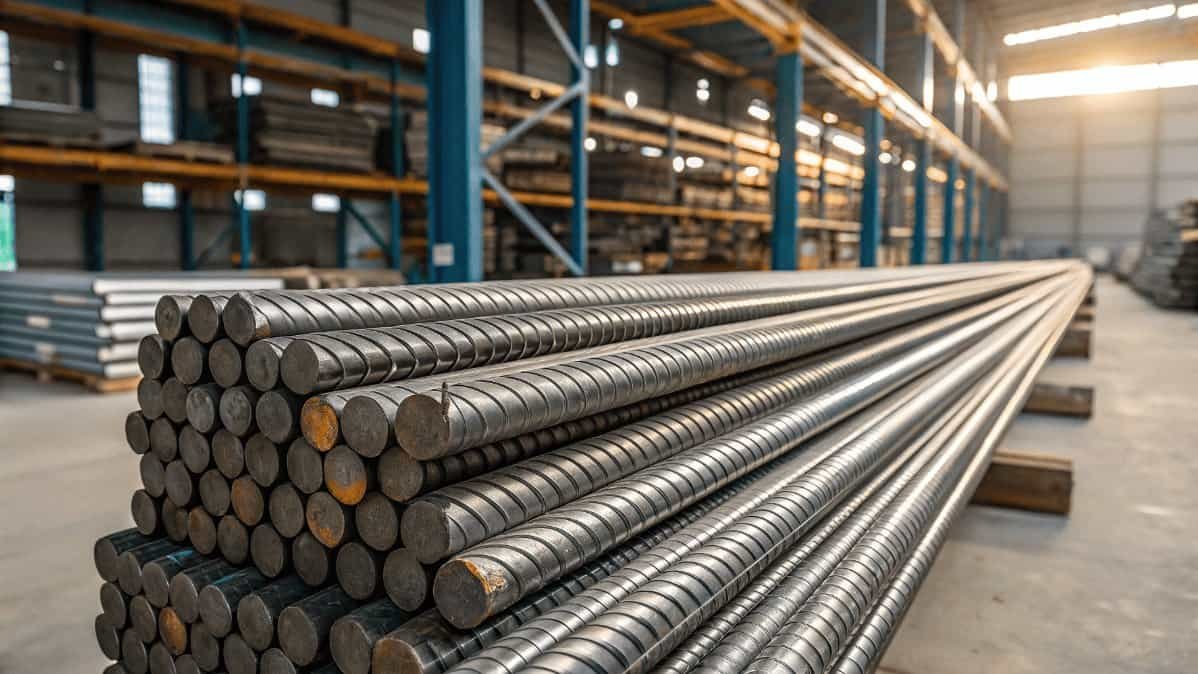
What Are the Mechanical Properties of Rebar HRB400E?
Before making a purchase, technical buyers frequently consider mechanical qualities. These characteristics have a direct bearing on structural performance, durata, e sicurezza.
Elevata resistenza alla trazione, exceptional elongation, remarkable ductility, and a yield strength of 400 MPa are among the characteristics of HRB400E. These qualities make it appropriate for heavy-load applications and harsh construction conditions.
HRB400E provides superior bending and weldability in addition to strength. This makes processing simpler while building without sacrificing integrity. Longer service life is also a result of its resistance to corrosion. Check out [steel rebar supplier standards](#) for comprehensive benchmarks. Because of these characteristics, engineers that value efficiency and safety will choose HRB400E.
What Is the Yield Strength of Rebar HRB400E?
theirOne of the most important considerations when choosing rebar is yield strength. It establishes the maximum stress that a material can withstand before deforming.
With a yield strength of 400 MPA, rebar HRB400E ensures structural stability in applications involving reinforced concrete steel by withstanding substantial stress before irreversible deformation takes place.
Large-scale construction projects can benefit from HRB400E’s strength. Increased yield strength lowers total costs by requiring less steel. By preserving structural integrity under pressure, it also increases safety. This cost-performance balance is crucial for purchasers buying rebar for construction.
What Is the Difference Between HRB400 and Rebar HRB400E?
When choosing materials, many purchasers compare HRB400 with HRB400E. Comprehending the distinction aids in preventing subpar work on important tasks.
The primary distinction between HRB400 and rebar HRB400E is that the latter is more dependable for high-safety construction because of its superior ductility, tighter quality control, and enhanced earthquake resistance.
Although the strength levels of the two grades are comparable, HRB400E performs better under dynamic loads. It is therefore perfect for infrastructure projects and earthquake zones. Although HRB400 may be less expensive initially than HRB400E, there are more long-term dangers. HRB400E is unquestionably a better investment for projects where durability and safety are top concerns.
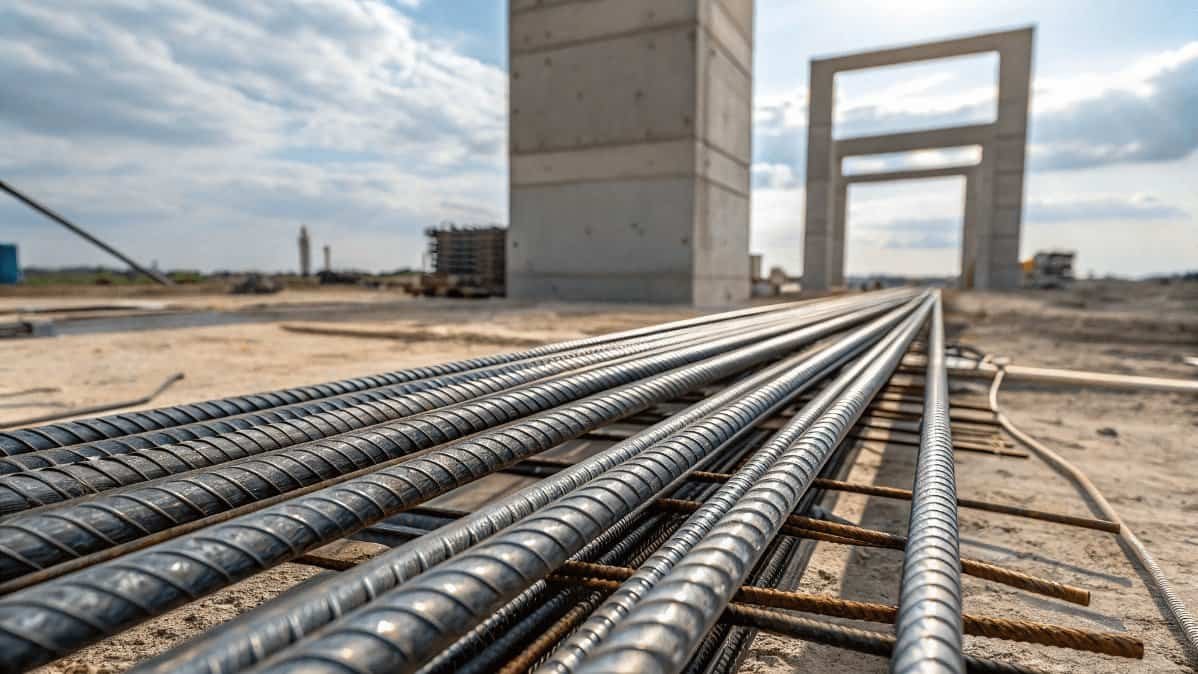
Is Rebar HRB400E Suitable for Earthquake-Resistant Construction?
The choice of materials becomes crucial in areas that are prone to earthquakes. A catastrophic structural failure could result from using the incorrect rebar.
In order to prevent abrupt structure collapse during seismic occurrences, rebar HRB400E is specifically made for earthquake-resistant rebar applications. It offers great ductility and energy absorption.
Buildings are able to endure earthquake forces because of its capacity to deform without breaking. For this reason, HRB400E is frequently utilized in high-rise structures, ponti, and tunnels. In seismic zones, the use of such materials is advised by numerous international construction standards. For more information, see [seismic resistant rebar guidelines].
Where Is Rebar HRB400E Commonly Used?
Buyers can assess whether HRB400E satisfies market demand and project requirements by comprehending application scenarios.
Large infrastructure projects, residential buildings, business complexes, ponti, and highways are examples of reinforced concrete steel structures that frequently use rebar HRB400E.
It can be used for both small-scale and large-scale construction due to its adaptability. Due to growing infrastructure developments, HRB400E is frequently employed in areas like South America and Southeast Asia. Stocking this kind of building steel material guarantees great market demand and quicker turnover for distributors and wholesalers.
Why Do Buyers Prefer High-Strength Rebar Like HRB400E?
Tony and other seasoned purchasers frequently give preference to materials that strike a balance between profitability and performance. There are definite benefits to high strength rebar in both domains.
High-strength rebar, such as HRB400E, is preferred by buyers because it uses less material, enhances structural safety, and lowers long-term maintenance costs in building projects.
Transportation and labor expenses can be decreased by using fewer materials without sacrificing strength. Better durability also translates into fewer repairs over time. For contractors and traders, this directly increases profit margins. HRB400E is a wise investment for international buyers sourcing from a reputable steel rebar supplier.
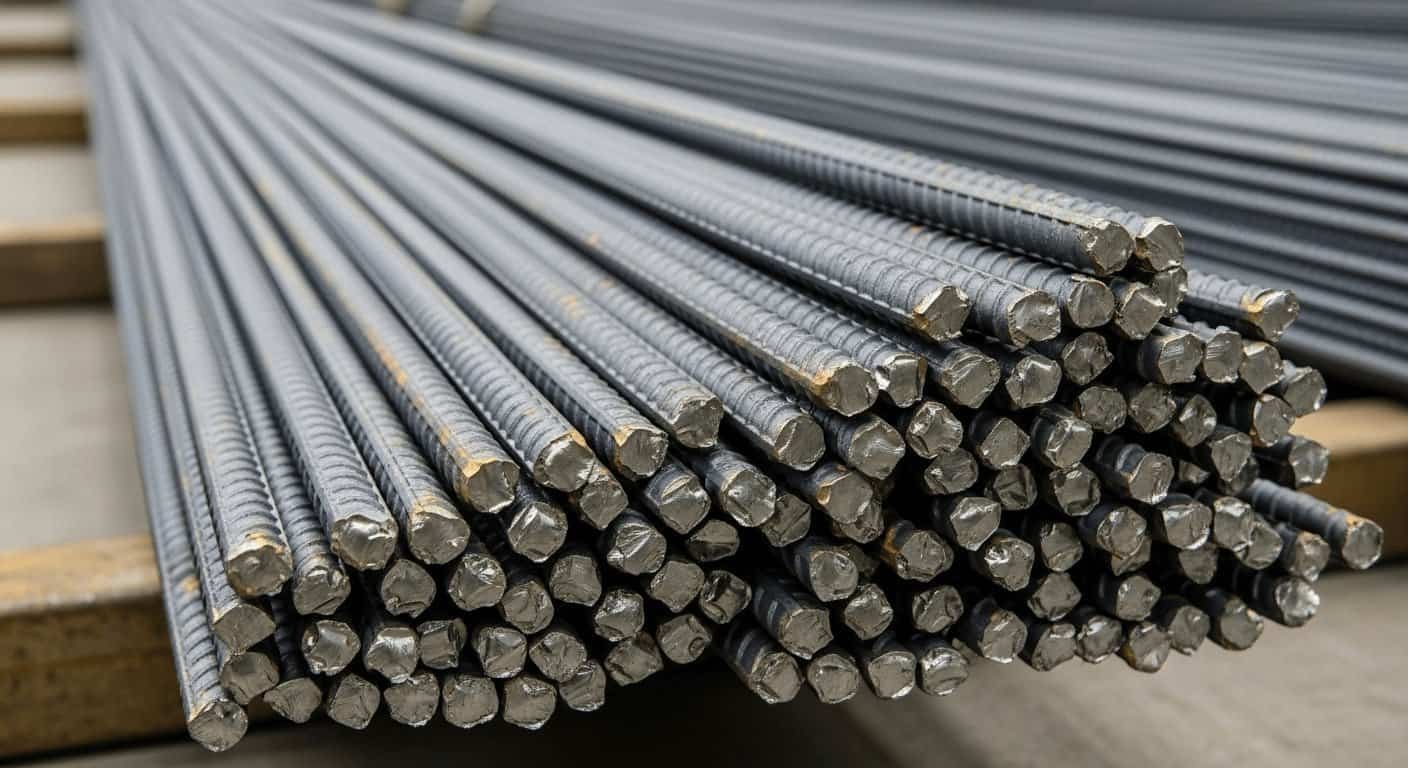
How to Choose a Reliable Steel Rebar Supplier for HRB400E?
Just as crucial as choosing the appropriate material is choosing the proper provider. Delays and problems with quality might result from poor supplier selections.
UN reputable supplier of steel rebar should offer certified HRB400E products, stringent quality control, steady supply capacity, and unambiguous export documentation.
Seek out vendors with SGS or ISO certifications and a track record of successful exports. Chemical composition and mechanical testing should be part of quality inspection procedures. In order to prevent delays, stable logistics are also essential. Ad esempio, seasoned exporters with eighteen years of expertise can guarantee reliable supply and seamless delivery to countries like Mexico and Brazil.
How to Ensure Quality and On-Time Delivery for Rebar HRB400E?
Two of the biggest problems for international purchasers are variable quality and delayed shipping. Project timeframes and profitability may be directly impacted by these problems.
Collaborate with seasoned suppliers who provide stringent manufacturing control, third-party inspection, and dependable logistics management to guarantee quality and timely delivery.
Production timelines, contract terms, and communication must all be clear. Before a product is shipped, third-party examinations aid in confirming its quality. Delays are less likely when logistics partners are trustworthy. Customers may guarantee product performance and prompt delivery by selecting a reputable steel rebar supplier, guaranteeing project success.
Riepilogo
HRB400E rebar blends durability, forza, e sicurezza. In building projects, selecting the appropriate supplier guarantees long-term success, dependable delivery, and constant quality.